
It was a crisp Saturday morning when I first noticed it—my dashboard flickering with that annoying little warning light. I thought it was just a glitch, maybe a temporary sensor hiccup. But as I started my drive, the flickering persisted, and suddenly, my heart sank. Could something be seriously wrong? That moment hit me like a ton of bricks—how many of us trust that dashboard light to be accurate, only to find out it indicates a problem that requires immediate attention? The truth is, those flickering brake warning lights can be a red flag pointing to simple fixes or deeper issues lurking beneath your car’s surface.
The Hidden Significance of a Flickering Brake Light
Are Warning Lights Actually Worth the Panic?
For years, I dismissed minor dashboard warnings as probably just a sensor glitch, a theory I later realized was a mistake. Early on, I made the mistake of ignoring the blinking light, thinking I could wait until my next scheduled maintenance. That was a costly oversight. The lesson? Pay attention to your dashboard signals; they’re your car’s way of communicating potential problems—some minor, others serious.
Research shows that ignoring dashboard warnings can lead to more expensive repairs down the line. The National Highway Traffic Safety Administration (NHTSA) estimates that many accidents and breakdowns result from overlooked warning lights. So, when that flickering brake light appears, it’s worth investigating rather than brushing it off. Today, I’ll walk you through why this flickering happens, the common mistakes to avoid, and how to troubleshoot the issue effectively, so you don’t end up stranded or facing hefty bills. Want to ensure your safety and protect your investment? Keep reading—this is the knowledge you can’t afford to skip.
Start with a Visual Inspection of the Brake System
Before diving into complex repairs, park your car on a level surface, turn off the engine, and engage the parking brake. Open your hood and check the brake fluid reservoir for adequate fluid levels—low brake fluid can cause warning lights to flicker. Inspect the brake pads and rotors for excessive wear or damage, as uneven or thin pads can impact sensor readings. If you notice leaks or corrosion around the brake components, it’s a sign you need professional help.
Use the Two-Minute Click Test to Assess Battery and Starter Health
A flickering brake light can sometimes be linked to electrical issues stemming from your battery or starter. Perform the quick click test. Turn the ignition to the accessory position and listen for rapid clicking. If you hear it, your battery may be weak or failing, which can cause inconsistent sensor signals. Consider testing your battery voltage with a multimeter or visiting a professional for a comprehensive battery check.
Inspect Brake Light Switch and Wiring Connections
Locate the brake light switch—usually mounted near the brake pedal arm. Carefully examine the switch and its wiring for corrosion, loose connections, or damage. Gently press the switch manually—if the warning light flickers or stays on, the switch might be faulty or misaligned. Tighten or replace the switch if necessary. Also, check for damaged wires or loose connectors along the wiring harness, which can cause intermittent signals that trigger flickering warning lights.
Test Brake Sensors and Electronic Modules
Modern vehicles rely on sensors and electronic control modules to monitor brake health. Use an OBD-II scanner to check for stored error codes related to ABS or brake system sensors. If codes indicate faulty sensors or modules, replacing or recalibrating them can resolve flickering issues. This step effectively targets the core of an electronic fault rather than just superficial components.
Consider Brake Fluid Quality and System Maintenance
Old or contaminated brake fluid can impair sensor performance and overall braking function. Drain and replace your brake fluid following your vehicle manufacturer’s specifications. Regular tune-ups include inspecting brake fluid health, which maintains optimal system operation and prevents warning light anomalies. Also, ensure your brake system is free of air bubbles, which can cause inconsistent pedal feel and warning signals.
Replace or Repair Faulty Components
If testing and inspection reveal a faulty brake switch, damaged wiring, or defective sensors, prioritize their replacement. For example, a worn-out brake switch commonly causes flickering lights and is straightforward to replace. Use quality parts and follow our professional repair tips to ensure lasting results. Keep in mind that residual issues like damaged rotors or calipers can also trigger warning lights, so if in doubt, consulting an expert ensures the problem is comprehensively addressed.
When it comes to car maintenance, many drivers operate under misconceptions that can lead to unnecessary expenses or overlooked issues. Contrary to popular belief, not every mechanic’s advice is in your best interest, and some repair shortcuts might compromise your vehicle’s long-term health. For example, many assume that a quick oil change is sufficient without paying attention to the quality of the product used, but using the wrong type of oil can accelerate engine wear. Experts, such as automotive engineers, emphasize the importance of choosing oil that matches your vehicle’s specifications to prevent costly damage, as detailed in their studies. Additionally, a prevalent myth is that transmission fluid never needs to be replaced, which isn’t true—regular fluid changes can dramatically extend your transmission’s lifespan, as discussed in our comprehensive guide on how transmission overhauls save you money in the long run. One subtle nuance often missed is the importance of checking for internal transmission damage early—ignoring minor symptoms can lead to complete transmission failure, vastly more expensive to repair. Have you ever fallen into this trap? Let me know in the comments. And remember, routine maintenance isn’t just about ticking boxes; it’s about understanding what your vehicle truly needs for optimal performance.
Keeping Your Car in Peak Shape Requires the Right Equipment
When it comes to auto repair and long-term maintenance, investing in quality tools and software is crucial. From basic diagnostics to complex transmission work, having the right gear not only saves time but also ensures safety and precision. One tool I personally rely on is the OBD-II scanner. It allows me to quickly identify error codes, especially when troubleshooting issues like flickering warning lights or sensor malfunctions. I prefer brands like BlueDriver because of their comprehensive data and user-friendly interfaces, which help me interpret complex codes without needing to be a tech wizard.
In addition to scanners, specialized hand tools like the oil filter removal kit have become indispensable. This particular tool has saved me hours during oil changes, especially on stubborn filters that refuse to budge. For brake system maintenance, I use a brake bleed kit which makes the process safer and more efficient—reducing air bubbles and improving braking performance.
Embracing Software and Diagnostics to Extend Vehicle Life
Modern vehicles increasingly depend on software for operation. I recommend laborious yet impactful practices like regular tune-ups that include updating ECU firmware and recalibrating sensors. Using software tools such as OEM-specific diagnostic programs enables me to identify issues long before they become costly repairs. For example, occasional recalibration of ABS sensors can prevent flickering warning lights and maintain smooth braking.
Predicting and preventing future failures relies heavily on these diagnostics. As the trend shifts towards AI-driven diagnostics, I believe that the next wave of tools will integrate real-time data analysis, offering predictive maintenance alerts. Staying ahead means investing in advanced software and understanding how to interpret its insights effectively.
How do I maintain long-term repair success with tools?
Consistent, correct use of diagnostic tools and the proper maintenance of your repair equipment ensure longevity and reliability. Keep your tools clean, calibrated, and updated to get accurate readings and prevent misdiagnosis. Also, don’t forget that some repairs are best left to professionals—especially complex transmission issues. For complex problems, reaching out to experts through resources like our contact page can save you money and time.
Looking to scale your DIY auto project? Start by mastering basic diagnostics with a quality scanner, then gradually move into specialized tools like suspension or engine repair kits. Over time, you’ll develop the expertise to handle most repairs, increasing your vehicle’s lifespan and performance. And for future trends, I predict that AI-powered diagnostic tools will become standard, making troubleshooting even more accessible.
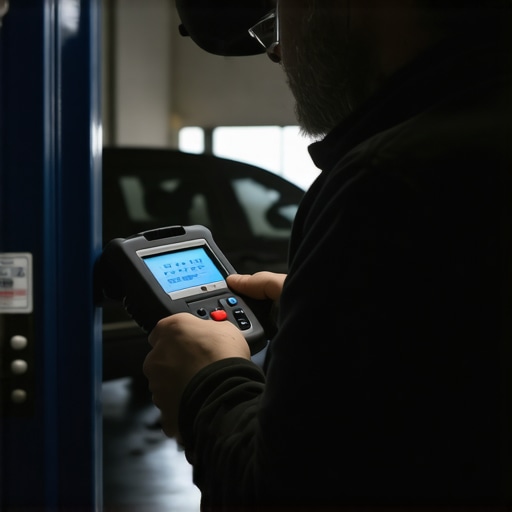
Throughout my years of automotive experience, one thing I’ve learned is that those seemingly minor warning lights can hold invaluable insights into your vehicle’s health. When my own brake warning flickered unexpectedly, I initially dismissed it as a glitch. But that moment taught me that paying close attention to these signals is a form of silent communication from your car—one you should never ignore. Realizing that many drivers overlook or misunderstand these lights can be a game-changer in maintaining safety and avoiding costly repairs.
What I Didn’t Expect to Learn About Brake Signals
- False alarms can hide real problems: I once thought a flickering light was just a sensor hiccup. Turns out, it was a sign of worn brake pads that needed immediate attention—saving me from further damage.
- Electrical gremlins are tricky but solvable: My discovery that loose wiring was causing intermittent signals led me to invest in proper diagnostics, emphasizing the importance of thorough inspection rather than quick fixes.
- Preventive maintenance saves money and time: Regular brake fluid checks and using quality components can prevent warning lights from flickering and keep your braking system reliable.
- Tool selection matters more than I thought: Using an OBD-II scanner and specialized hand tools allowed me to pinpoint issues accurately. Proper equipment makes DIY troubleshooting practical and less intimidating.
Tools and Resources That Became My Go-To
- OBD-II scanner: Essential for reading error codes related to brake sensors or ABS modules; it’s a must-have for any car owner committed to understanding their vehicle better.
- Basic hand tools: Reliable wrenches and screwdrivers help inspect switches and wiring without damage.
- Regular maintenance guides: Staying proactive about fluid levels and system checks is vital, and trusted guides make this process straightforward.
- Professional advice and service: Sometimes DIY hits a wall—knowing when to consult experts ensures safety and long-term reliability.
Seize the Moment and Keep Your Brakes in Top Shape
Handling unexpected warning lights might seem daunting initially, but with the right approach and tools, you can empower yourself to address many issues confidently. Remember, routine checks, quality parts, and proper diagnostics are your best allies in ensuring your vehicle remains safe and dependable. Are you ready to take control of your auto health and interpret those signals before they turn into costly repairs? The knowledge is at your fingertips—dive in, learn, and keep your drive smooth and safe.
Have you ever caught a warning light early and successfully prevented a major repair? Let me know in the comments below!
.