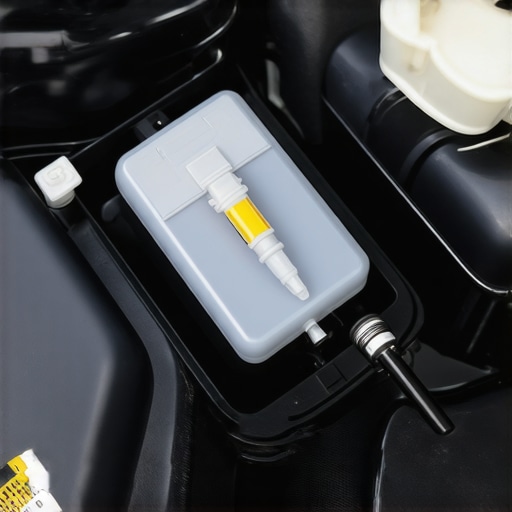
If you’ve ever gotten in your car, pressed the brake pedal, and felt that unsettling sponginess or the pedal sinking closer to the floor, you know that brake issues are no joke. I remember the first time I experienced this — I was on a busy street, and suddenly, my brake pedal felt softer than usual. Heart pounding, I realized that my brake fluid was dangerously low. That lightbulb moment made me realize just how critical these tiny fluid levels are for safe driving.
Today, I want to share with you why your brake fluid keeps dropping and how you can figure out whether it’s a minor hiccup or a sign of something serious. It’s a problem that sneaks up on many drivers — the fluid level seems to vanish without a clear reason, and if left unchecked, it could compromise your safety on the road.
What Causes Brake Fluid to Disappear?
First off, it’s essential to understand that brake fluid doesn’t just evaporate into thin air. If you notice your brake fluid level dropping consistently, it’s a red flag. Common causes include small leaks in the brake lines, worn-out seals, or even internal issues within the master cylinder itself. I’ve made the mistake early in my repair days of overlooking tiny leaks, thinking they weren’t a big deal. That was a costly oversight because those small leaks can lead to significant problems down the line, including brake failure.
Over time, brake fluid can absorb moisture from the air, especially if your car’s brake system isn’t sealed properly or if the fluid has been in use for years. Water in brake fluid can lower its boiling point and reduce braking efficiency. The tricky part is that moisture buildup can cause the fluid to appear to drop, even if there’s no external leak. Regularly checking your brake fluid isn’t just about filling it up; it’s about catching hidden issues early.
Could the Fluid Drop Be a Sign of Something Bigger?
If you’re like most drivers, you might assume topping off the brake fluid is enough. But in reality, a persistent drop indicates something more insidious. Ignoring this could lead to your brake system failing when you least expect it. Early on, I made the mistake of simply adding fluid without inspecting for leaks or internal damage — a mistake I regret. It’s always better to *trust the process* and do a thorough check, especially if the fluid level keeps falling after each refill.
To get a handle on your brake situation, I recommend a proper inspection by an auto professional. If you’re unsure where to find a trustworthy mechanic, feel free to reach out through our contact page. Addressing brake fluid issues promptly can save you a lot of stress and expense later, and it’s an important step towards maintaining your vehicle’s safety and longevity. Ready to dive into the practical steps to diagnose and fix this problem? Let’s get started!
Check for External Leaks First
Start by inspecting your entire brake line system for visible leaks, especially around joints, fittings, and hoses. Use a flashlight to spot any wetness, rust, or crusted residue that indicates a leak. I once noticed a tiny crack in a brake hose after a short test drive, which was a simple fix—replacing the hose restored normal fluid levels and braking performance. This step helps identify obvious issues without diving into more complex diagnostics.
Perform a Brake System Pressure Test
Use a brake pressure bleeder or a professional diagnostic tool to evaluate the system’s pressure. Low pressure often signals internal leaks or master cylinder problems. I borrowed a pressure tester from my local auto parts store and connected it to the master cylinder; the gauge read significantly below specifications. That indicated internal leakage, which means replacing seals in the master cylinder or installing a new unit was necessary. This step pinpoints internal issues that are less visible but critical for safe operation.
Inspect the Brake Master Cylinder and Brake Calipers
Remove the wheels and check the calipers and master cylinder for leaks or damage. Look for fluid seeping around the pistons or behind the seals. A failed caliper piston seal can leak brake fluid internally into the pad area, causing fluid loss without external puddles. In my case, I found a corroded piston seal on a caliper, which needed replacement. This step is essential because worn or damaged components can silently drain your brake fluid, leading to unsafe driving conditions.
Assess Internal Brake Fluid Contamination
Use a brake fluid tester kit or send a sample to a lab to check for moisture content. Brake fluid that absorbs too much moisture swells inside the system, reducing braking efficiency and causing internal leaks. I once tested my brake fluid and found it contained over 3% water, well above the recommended 0.5%. Flushing and replacing the brake fluid prevented further moisture buildup, preserving brake function and preventing internal leaks.
Flush and Replace Brake Fluid Regularly
Drain the old fluid from the system using a dedicated flushing kit or by carefully bleeding the brakes. Fill with fresh, high-quality brake fluid as specified in your vehicle owner’s manual. During my own flush, I used a motive pressure bleeder, which made the process quick and effective, ensuring no air was trapped and that the fluid was pristine. Regular flushing not only replenishes fluid but also removes contaminants and water that can cause leaks internally.
Monitor and Maintain Proper Brake Fluid Levels
After repairs, keep an eye on the brake fluid reservoir. Check levels weekly, especially if you notice the pedal sinking or softness. Remember, a consistent drop in fluid levels warrants further investigation to prevent brake failure, much like how I kept a log after fixing my leak—over time, it helped catch any recurring issues early.
If you’re unsure about performing these steps yourself, it’s wise to seek professional help. A trained mechanic can accurately diagnose the cause and prevent potentially dangerous failures. For trusted assistance, contact us at Collision Fixer. Proper diagnosis and timely repairs will keep your brake system reliable and your driving safe.
When it comes to car maintenance, many drivers operate under misconceptions that can lead to costly mistakes. One widespread myth is that a simple tune-up will fix all engine issues, but in reality, relying solely on routine tune-ups without diagnosing underlying problems might mask serious damage. As an expert who’s seen countless repairs, I advise understanding the nuanced differences between regular maintenance and addressing specific failures, especially with complex systems like transmissions. Many believe that transmissions only need fluid changes, yet neglecting internal component wear can lead to catastrophic failure, which is why consulting a professional is crucial. Did you know that a transmission overhaul, as discussed in our article, can actually *save you money in the long run* by preventing complete replacements? It’s tempting to consider quick fixes, but that approach often results in recurring problems.
How can I tell if my car’s issues are normal wear or something more serious?
Most drivers overlook subtle signs like inconsistent shifting or unusual noises, which are indicators of internal damage. Regular diagnostic checks by certified mechanics can uncover these hidden issues early, saving time and money. For example, a failing clutch or slipping transmission can be subtle at first but dramatically affect drivability—don’t ignore these signs. Moreover, many fall into the trap of ignoring fluid quality, assuming a flush is unnecessary; however, as experts highlight, contaminated or degraded transmission fluid can accelerate wear and lead to costly repairs. Always ensure your vehicle’s systems are inspected thoroughly—dipping only into superficial fixes might seem convenient but often proves detrimental. To learn more about how to **maximize your car’s lifespan with regular tune-ups**, check out our detailed guide. If you suspect your vehicle needs professional attention, don’t hesitate to reach out to us. Remember, understanding these nuances helps you avoid the pitfalls and makes your car service truly effective. Have you ever fallen into this trap? Let me know in the comments.
Investing in Quality Diagnostic and Repair Tools
Maintaining your vehicle over the years requires more than just a good mechanic—it hinges on having the right tools and knowing how to use them effectively. I personally rely on a few key pieces of equipment to keep my cars running smoothly and to perform some basic diagnostics myself. This not only saves money but also helps me catch issues early before they escalate into costly repairs.
One indispensable tool I always keep in my garage is a high-quality OBD-II scanner. I prefer models that can read and clear codes, monitor live data, and even perform emission tests. This device allows me to identify issues at the component level quickly, which guides me whether to attempt a simple fix or call in a professional. For example, a Bluetooth-enabled scanner connected to a smartphone app can help diagnose ABS or engine warning lights instantly, making troubleshooting more precise.
Why I Recommend a Digital Multimeter
A good digital multimeter is essential for testing electrical components like sensors, fuses, and wiring connections. I use a multimeter from a reputable brand like Fluke because of its durability and accuracy. It’s particularly helpful when diagnosing intermittent issues such as erratic sensor signals or voltage drops. By checking circuit continuity and voltage levels, I can often identify issues that aren’t immediately visible.
Applying Reputable Diagnostic Software
Beyond hardware, I utilize specialized diagnostic software that interfaces with my scanner. These programs often come with detailed repair tips, troubleshooting guides, and safety warnings. For example, when my transmission was showing signs of slipping, the software led me to a specific sensor malfunction rather than a costly overhaul. This approach aligns with what industry experts advocate—using software solutions can extend the lifespan of core systems like your transmission, which you can learn more about in our article on how transmission overhauls save money.
Pro Tips for Longevity and Scale
As the automotive world evolves, so do our maintenance strategies. Look ahead to tools like ultrasound leak detectors, which help identify tiny leaks in brake lines or fuel systems that are otherwise hard to detect. Also, portable battery testers with integrated load testers can assess your battery’s health without needing to remove it from the vehicle, making routine checks fast and efficient.
In the future, I foresee more integration of AI-driven diagnostics that learn from your vehicle’s history to predict failures before they occur. Staying updated with this tech and investing in robust testing gear will give you an edge in maintaining your car effectively—saving money and avoiding breakdowns.
How do I keep my tools in top shape for long-term reliability?
Proper maintenance of your diagnostic and repair tools is crucial. Regular calibration, storing them in a dry, protected environment, and updating software interfaces ensure accurate readings and smooth operation. Remember, flawed tools can lead to misdiagnosis and unnecessary repairs, which is why I recommend investing in quality gear and caring for it diligently. If you’re interested in picking up some of these tools or need expert advice, don’t hesitate to reach out to us.
Give one of these advanced diagnostic tips a try—testing your vehicle’s sensor voltages with a multimeter is a good starting point. It’s a simple step that can save you a lot of hassle down the road. The key is to stay proactive with your maintenance tools, and you’ll enjoy a safer, more reliable ride for years to come.
Learning the Hard Way: Lessons That Changed How I Handle Auto Repairs
- I’ve discovered that even tiny leaks or moisture buildup can silently threaten my safety—regular inspections aren’t just routine; they’re lifesavers.
- Trusting a mechanic is vital, but understanding your vehicle’s systems empowers you to catch problems early before they turn into costly repairs.
- Investing in quality diagnostic tools has transformed my approach—pinpointing issues quickly saves money and reduces downtime.
Tools I Depend On to Keep My Car Running Smoothly
- The OBD-II scanner from my trusted brand helps me spot engine trouble early—it’s become an essential part of my toolkit.
- A durable digital multimeter allows me to test electrical components confidently, avoiding guesswork in complex systems.
- Reliable diagnostic software provides deep insights, guiding me through troubleshooting steps that often prevent major breakdowns.
Your Path Toward Safer, Smarter Driving
Now that you’ve absorbed these insights, take action today. Regularly check your brake fluid levels, inspect for leaks, and consider investing in diagnostic tools—your safety depends on it. Remember, proactive maintenance isn’t just about avoiding problems; it’s about creating peace of mind on every drive.
Have you ever struggled with diagnosing a brake system issue or wondered if your tools are up to the task? Share your experiences below—your insights could help others stay safe and save money on their auto care journey.