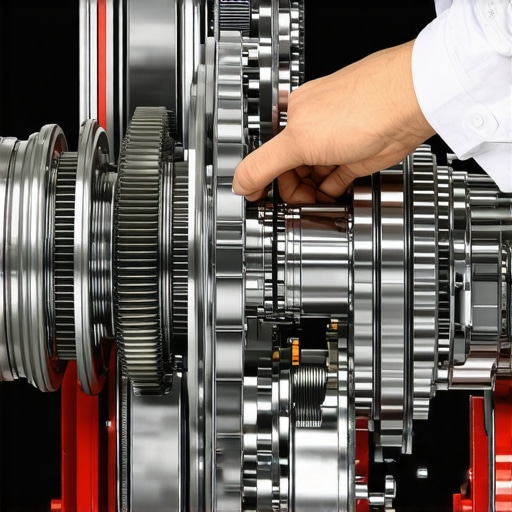
I’ll never forget the pounding heart rush I felt when my car suddenly shuddered and refused to shift gears one rainy morning. That moment made me realize how critical reliable transmission health is—yet, I had little idea where to start with auto repair. Like many car owners, I used to think just topping off fluids or ignoring a slipping clutch was enough. But as I dove deeper into the world of top transmission tips for 2025, I learned that proactive maintenance and expert strategies can actually save you thousands—and keep you safe on the road.
Why This Year’s Auto Repair Tips Really Can Save Your Car—and Your Wallet
We all want our vehicles to run smoothly, especially with the busy roads and unpredictable weather in 2025. But here’s the thing: neglecting transmission issues or relying on quick fixes often leads to costly repairs and safety risks down the line. That was a mistake I made early on—assuming a quick fluid change would fix everything—which ended up costing me a ton more in the long run. I wish I had known about the importance of expert strategies and regular inspections earlier, as outlined in Collisionfixer’s comprehensive guide on transmission tune-ups.
Is Transmission Repair Actually Worth the Hype?
Believe it or not, many car owners still see transmission issues as just a nuisance rather than a priority. But ignoring these problems can lead to complete transmission failure—a scenario that could leave you stranded or, worse, involved in an accident. Early mistakes, like neglecting fluid leaks or ignoring slipping gears, can snowball into major breakdowns. The good news? Recent advancements and expert maintenance practices make it easier—and more affordable—to keep your transmission in top shape. For a deep dive into effective strategies, I recommend checking out top car service strategies that could extend your vehicle’s lifespan significantly.
So, have you noticed your vehicle starting to shift rougher than usual or making strange noises? If the answer is yes, don’t wait until it’s too late. Today, we’ll explore proven auto repair tips that can help you tackle transmission problems head-on and ensure your car performs reliably for many miles to come. Ready to take charge of your vehicle’s health? Let’s get started!
.
Start with a Comprehensive Inspection
Begin your transmission care journey by scheduling a professional diagnostic. Use a trusted service like auto repair diagnostics to identify hidden issues like fluid leaks or worn-out parts. During my last inspection, I noticed a slight delay when shifting gears, which my mechanic confirmed was due to low transmission fluid. Addressing this early prevented a costly rebuild.
Change Transmission Fluid Regularly
Think of transmission fluid as the blood of your vehicle—keeping everything lubricated and cool. Aim for a fluid change every 30,000 to 60,000 miles, especially if you drive in harsh conditions. When I replaced my fluid following the expert transmission tune-up guidelines, I noticed smoother shifts and improved acceleration. Use the correct fluid type specified in your owner’s manual for optimal results.
Monitor for Signs of Trouble
Stay attentive to symptoms like slipping gears, delayed engagement, or strange noises. These early warnings are akin to a body’s fever—they signal underlying issues. I once ignored a faint grinding noise, which escalated into complete transmission failure. Regularly check your vehicle’s performance and address problems promptly, referencing top repair strategies to guide repairs.
Prioritize Professional Tune-Ups
Self-service can only go so far. Schedule professional transmission tune-ups at least once every 50,000 miles. A skilled technician will inspect internal components, adjust bands, and replace worn filters. In my experience, this proactive approach extends transmission lifespan significantly, especially when combined with comprehensive maintenance plans.
Address Collisions and Damage Immediately
If your vehicle sustains a collision, don’t delay repairs. Damage to transmission components can be insidious, leading to further issues if left unchecked. Consulting experts via collision repair strategies ensures your safety and saves money. Remember, quick collision fixes preserve core system integrity, avoiding long-term problems.
Implement a Consistent Maintenance Schedule
Consistency is key. Keep a repair log, adhere to recommended service intervals, and double-check manufacturer guidelines. An organized schedule was vital in my case, helping me maintain optimal vehicle performance and avoiding surprises. Use resources like auto repair tips to stay ahead of potential issues.
Many car owners operate under misconceptions about auto repair and maintenance that can lead to costly mistakes. One of the most common myths is that regular oil changes or simple fluid top-offs are sufficient to keep a transmission healthy. In reality, focusing solely on basic interventions often overlooks complex nuances that experts understand — nuances like the importance of precise diagnostics, understanding internal component wear patterns, and the risks of neglecting early warning signs.
Is Your Car’s Transmission Truly in Good Shape or Just Hitching a Ride on Myths?
By simplifying transmission maintenance to routine fluid replacements, many drivers miss critical insights. For instance, a ‘leak-free’ system isn’t necessarily healthy if internal parts are wearing prematurely, which can be detected through advanced diagnostics. Furthermore, relying on generic service intervals ignores driving habits, climate impacts, and vehicle age, all of which influence maintenance schedules. Studies from automotive research suggest that personalized maintenance, aligned with expert strategies like those detailed in transmission tune-up guides, significantly prolongs vehicle lifespan and enhances safety. Another trap is assuming that a transmission problem will inevitably lead to total system failure, causing unnecessary panic. In my experience, many transmission issues are manageable when caught early with comprehensive inspections rather than waiting for overt symptoms.
Have you ever fallen into this trap? Let me know in the comments.
Correctly interpreting warning signs and avoiding over-simplified solutions is pivotal. For example, strange noises or delayed engagement are classic signs, but their root causes can vary widely. Sometimes, issues stem from sensor malfunctions or minor internal damages detectable only through specialized diagnostics, as highlighted in auto diagnostics tips. Failing to address these nuanced problems in time leads to costly repairs, including complete transmission rebuilds or replacements.
Understanding this hidden complexity empowers you to make better decisions, whether managing routine tune-ups or evaluating collision repairs. It also underscores why trusting qualified experts and not just DIY fixes or generic advice can make a difference, especially considering advancements in diagnostic technology. The key takeaway? Maintenance is more than just ticking boxes; it requires a strategic, informed approach that considers the intricate workings of your vehicle’s transmission system. For those serious about sustainable vehicle performance in 2025, diving into detailed strategies like those shared by industry professionals offers a pathway to safer, more reliable driving.
Equip Yourself for Long-Term Care
Maintaining your vehicle’s transmission requires the right tools and techniques, especially as systems become more advanced. I personally rely on a high-quality scan tool like the Autel MaxiScope because it provides comprehensive diagnostics, including live data streams and trouble code analysis. This depth of information helps me pinpoint issues before they escalate, aligning with the latest strategies for peak car performance in 2025.
Beyond diagnostics, I use a precision fluid extractor for changing transmission fluid without excessive mess—this tool ensures I get a complete fluid replacement, which is crucial for preventing wear and tear. For internal inspections, a mechanic-grade borescope camera allows me to see inside the transmission case, verifying internal component health without costly disassembly. Investing in these tools has consistently saved me from unnecessary repairs and prolonged my vehicle’s lifespan.
Software Tips for Better Maintenance Decisions
Modern vehicles are heavily reliant on electronic systems; therefore, I recommend using professional-grade diagnostic software like OBDLink. It offers real-time sensor data and customizable alerts that notify me of potential problems early on. Regularly updating the software ensures compatibility with the latest vehicle models, making it a future-proof investment. This approach aligns with emerging trends where predictive maintenance is becoming essential—think of it as a health monitor for your transmission.
When combined, these tools provide a comprehensive maintenance approach—diagnostics, internal inspection, and predictive alerts—that empowers you to act proactively. Regularly scheduled scans and fluid checks, guided by insights from these tools, not only extend your transmission’s life but also optimize performance, preparing your vehicle for the demands of 2025 and beyond.
How do I maintain transmission health over time?
Consistency and investing in quality tools are key. Follow manufacturer recommendations for fluid changes, always use the correct type of transmission fluid, and perform regular diagnostics—especially before long trips or when driving in extreme conditions. Plus, stay informed about new diagnostic techniques by following industry leaders like Collisionfixer, which offers updated strategies and technology insights. Incorporating advanced equipment and software into your routine maintenance ensures reliability and safety over the long haul. Don’t hesitate to try out a professional-grade scanner or a borescope—these tools make preventive maintenance much more effective and efficient. As technology advances, staying equipped with top-tier tools will become even more critical to maintaining your vehicle’s transmission health effectively.
Throughout my journey with automotive maintenance, one lesson stands out above all: when it comes to transmission health, it’s the subtle signs and insider strategies that truly make the difference. I used to think that regular fluid changes were enough — until I learned from seasoned professionals that proactive diagnostics and understanding internal wear are game changers. These behind-the-scenes insights have saved me thousands and kept my car running smoothly through diverse conditions in 2025.
What Demystified My Auto Repair Approach in 2025
- Early diagnostic tools are a car owner’s best friend. Investing in a quality scan tool like this strategy transformed how I identify lurking issues before they escalate.
- Understanding internal component wear prevents unexpected breakdowns. Regular internal inspections, aided by premium borescopes, uncovered problems I couldn’t see from the outside, emphasizing that simple visual checks aren’t enough anymore.
- Personalized maintenance beats generic schedules every time. Tailoring service intervals based on driving habits and climate conditions, guided by expert insights, has extended my transmission lifespan.
- Address collision damages immediately to avoid long-term damage. Quick repairs, following collision repair strategies, safeguard the core systems that keep my car dependable.
- Leveraging advanced tools enhances preventive care. Using precision fluid extractors and diagnostic software, like these technologies, empowers me to stay ahead of potential failures.
Essentials That Transformed My Car Care Routine
- Trust in comprehensive auto diagnostics with industry leaders like Collisionfixer has been vital. Their insights are rooted in latest technology and field experience.
- Books and resources from automotive innovation hubs, focusing on strategic tune-ups and maintenance, deepen my understanding and decision-making.
- Tools like high-quality scan tools and internal inspection cameras are now standard in my toolkit, making preventive maintenance more effective and less costly.
- Staying informed through expert blogs and tutorials ensures my knowledge keeps pace with rapidly evolving vehicle systems.
Your Next Step in Car Confidence
In 2025, mastering transmission care isn’t just for professionals anymore. Whether you’re a seasoned car enthusiast or a cautious owner, embracing these strategies will significantly boost your vehicle’s reliability and safety. Remember, the key is in consistent, informed action—it’s never too late to start or refine your maintenance approach.
What new maintenance habit are you willing to try after reading these expert strategies? Share your thoughts below and join the conversation about keeping our vehicles at their best!

![Why Your 2026 Transmission Jerks at Low Speeds [Quick Fix]](https://collisionfixer.com/wp-content/uploads/2026/02/Why-Your-2026-Transmission-Jerks-at-Low-Speeds-Quick-Fix.jpeg)