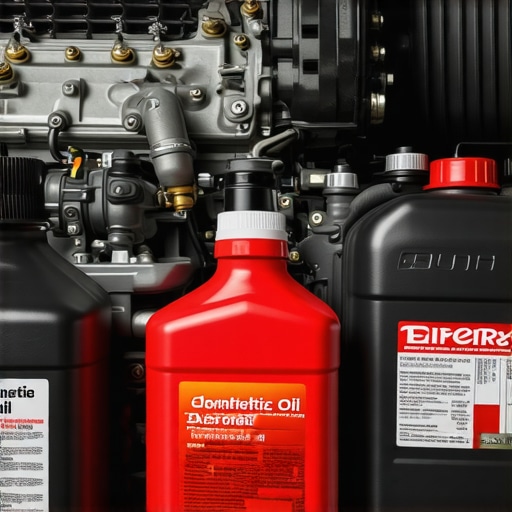
It was one of those mornings where everything seemed to go wrong right from the start. I turned the key, and instead of the usual smooth purr, my engine coughed, sputtered, and finally stalled. Heart sinking, I knew what that meant—time for yet another dive into the mysteries of car maintenance. That day, I had a lightbulb moment when I realized how little I truly understood about using synthetic oil in my high-mileage engine, and I bet many of you might be in the same boat.
Why Synthetic Oil Could Be the Game-Changer Your Old Engine Needs
After years of battling oil leaks, sluggish starts, and lingering doubts, I decided to dig deeper. And let me tell you, it wasn’t just about sticking with conventional oil because that’s what I’d always done. Sometimes, embracing new solutions with a bit of healthy skepticism can extend our vehicle’s lifespan more than we ever imagined. Today, I’ll share what I’ve learned firsthand about synthetic oil and why it could be the boost your trusty ride needs—if used correctly.
Is Synthetic Oil Really Worth the Hype for High-Mileage Cars?
Early in my learning curve, I made a mistake many others do—assuming that synthetic oil is a magic potion. Spoiler alert: it’s not. The key is understanding *when* and *how* to use it properly. According to recent research, synthetic oils can withstand higher temperatures and reduce engine wear, especially in older vehicles with hundreds of thousands of miles (source: [collisionfixer.com](https://collisionfixer.com/the-truth-about-high-mileage-oil-is-it-worth-the-extra-money)). But if you just pour it in without considering your car’s specific needs, you might not see the benefits — or worse, cause unintended issues. I’ve been there. I trusted the hype too much initially, and caused more harm than good. That’s why I want to help you avoid my early mistakes, so you can make an informed decision about whether synthetic oil is truly right for your high-mileage engine. And trust me, once you understand the ins and outs, it might just be the best thing you do for your car. Are you tired of wondering if you’re doing right by your engine, or struggling to get it to run smoothly? Stick with me, because what comes next is a straightforward guide to help you decide if synthetic oil is the upgrade your vehicle needs—and how to do it smartly.
Preparing Your Vehicle for Synthetic Oil Installation
Start by verifying your vehicle’s current oil type and mileage. Use a clean, lint-free rag to check the oil level and condition through the dipstick. If you haven’t changed the oil filter recently, it’s smart to replace it now to prevent contaminants from circulating with the new synthetic oil. Remember, a clean filter ensures optimal oil flow and engine protection.
Draining Old Oil Safely and Effectively
Park your car on a level surface and engage the parking brake. Carefully lift the vehicle with a jack and secure it with jack stands if needed. Place an oil drain pan beneath the drain plug, then carefully unscrew it using a socket wrench, letting the old oil flow out. During my last oil change, I found that warming the engine slightly before draining accelerated the process and reduced residual old oil in the system.
Choosing and Pouring the Correct Synthetic Oil
Select the right synthetic oil grade specified in your vehicle’s owner manual, considering high-mileage formulations if applicable. Use a funnel to pour the new oil into the engine’s oil fill port. Pour slowly to avoid spills, and check the oil level with the dipstick periodically to prevent overfilling, which can cause engine issues. In my experience, using a high-quality synthetic oil made a noticeable difference in smoothness and engine noise.
Refilling and Double-Checking for Leaks
After filling, securely screw the oil fill cap back onto the engine. Start the engine and let it run for a few minutes to circulate the new oil. Turn off the engine and wait a few minutes, then check the oil level again, topping up if necessary. Inspect around the oil filter and drain plug for any signs of leaks. During my last swap, I discovered a slightly loose drain plug, which I tightened to prevent future leaks.
Disposing of Old Oil Responsibly
Never pour used oil down the drain or onto the ground. Take the old oil to a certified recycling center or auto parts store that accepts used motor oil. Proper disposal protects the environment and ensures compliance with local regulations. Remember, responsible disposal is part of maintaining a sustainable vehicle maintenance routine.
Final Checks and Records
Reset your vehicle’s oil change indicator if applicable. Record the date and mileage of the oil change for future reference. This habit helps you stay consistent with maintenance schedules, prolonging your engine’s lifespan. I keep a simple logbook in my glove compartment to track service intervals, which has saved me from costly repairs down the line.
Many car owners operate under assumptions about auto repair that can lead to costly mistakes. One widespread myth is that all transmission issues require a full rebuild, but in reality, many problems stem from minor sensors or fluid issues that a skilled technician can fix early on, saving you money. It’s also a misconception that regular transmission flushes are always necessary; in some cases, they can do more harm than good if not properly timed or performed with the correct fluid. According to a study by CarMD, improper maintenance is a leading cause of vehicle breakdowns, emphasizing the importance of understanding what truly needs attention.
What advanced diagnostics reveal about transmission health?
Engineers and mechanics with access to sophisticated diagnostic tools often see overlooked signals that indicate subtle internal damage, long before symptoms become visible to the driver. For instance, temporary slipping or irregular shifting may seem benign but can point to developing clutch or solenoid failures. Failing to interpret these early warning signs correctly can result in irreversible damage, leading to expensive repairs or complete transmission failure. Expert insights, like those discussed in CollisionFixer’s article on overhaul benefits, highlight how timely diagnostics and maintenance can drastically extend your vehicle’s lifespan while preventing unexpected breakdowns. Learn more about how transmission overhauls save money in the long run. Additionally, many drivers underestimate the importance of routine tune-ups, which go beyond spark plug replacement to include comprehensive checks of sensors, belts, and fluid levels. Regular tune-ups are crucial for catching issues early and keeping your vehicle running smoothly. You can read more about maximizing your car’s lifespan with proper maintenance here. Remember, understanding the nuances of auto repair can make all the difference between a minor service and a major headache. Have you ever fallen into this trap? Let me know in the comments.
Keeping Your Vehicle in Top Shape: Essential Tools and Techniques
Maintaining your car’s longevity and ensuring smooth performance isn’t just about knowing what parts to replace—it’s about wielding the right tools and adopting effective maintenance habits. Over the years, I’ve refined my toolkit based on firsthand experiences and trusted industry advice, which can help you save both time and money. Investing in quality equipment and understanding proper procedures empower you to handle routine repairs confidently, especially when dealing with complex systems like transmissions or collision repairs.
High-Quality Diagnostic Scanners
One indispensable tool I recommend is a robust OBD-II scanner. I personally use the BlueDriver Professional Diagnostic Scan Tool because it provides comprehensive live data, freeze frame analysis, and broad vehicle coverage, which is crucial for diagnosing issues early. Regularly checking engine codes with this device can prevent minor problems from escalating, especially as vehicles age and systems become more intricate. As technology evolves, these scanners are increasingly diagnostic, allowing for advanced troubleshooting, saving hundreds on diagnostic visits.
Specialized Fluid Transfer Equipment
When performing fluid exchanges—be it transmission fluid or coolant—using dedicated pumps ensures precision and safety. I prefer a Vacuum-Assist Fluid Extractor because it simplifies the process of removing old fluids without hazards. Proper fluid management extends component lifespan and prevents issues like transmission slipping or overheating. Investing in these tools streamlines maintenance routines, making it easier to keep systems like the transmission in optimal condition—especially based on insights shared in this guide on transmission care.
Reliable Hand Tools and Calibration Devices
Beyond power tools, quality hand tools like torque wrenches and calibration equipment are vital. For example, accurately torquing wheel lug nuts or suspension bolts helps avoid uneven wear and premature failure. I use a GearWrench Electronic Torque Wrench because its digital display ensures precise tightening, which is especially important after suspension work or installing new brakes. Regular calibration of systems like steering angle sensors ensures safety and performance, particularly when aligning wheels or fine-tuning suspension geometry.
Anticipating Future Trends: Smart Maintenance Systems
The auto repair landscape is shifting toward smart diagnostics and remote monitoring. Connected vehicle technology can alert you to potential issues before they become serious. I predict that in the coming years, DIYers will increasingly rely on integrated apps and IoT devices to keep tabs on their vehicle health, making maintenance more proactive. Embracing these innovations now, like installing OBD-II adapters with smartphone integration, positions you ahead in auto care.
Staying on Top of Maintenance: How Do I Maintain Long-Term Reliability?
Implementing a consistent schedule with the right tools is key. Regular tune-ups, fluid checks, and addressing warning signs promptly can dramatically extend your vehicle’s life. For example, periodically inspecting and replacing spark plugs with quality parts keeps engines running smoothly—preventing misfires that could damage coils or sensors. To ensure you’re on track, I recommend keeping a detailed service log and visiting trusted shops like CollisionFixer for expert advice or repairs when necessary. For more tips on safe driving, especially in demanding seasons, explore this guide on summer vehicle care.
Remember, the right tools and proactive maintenance habits are your best allies in avoiding costly repairs down the line. Don’t hesitate to try out a diagnostic scan or a fluid extractor this month—taking these steps now means fewer surprises and more dependable driving experience ahead. For personalized support or questions, feel free to contact us through our contact page.
How a Simple Mistake Turned Into a Masterclass in Auto Care
One of my most eye-opening lessons came from rushing through an oil change without double-checking the details. I learned that even small oversights—like over-tightening a drain plug—can lead to leaks that are costly and frustrating. Now, I always take my time, understanding that precision and patience are key to longevity in auto repair.
The Value of Investing in the Right Tools for the Long Haul
Early on, I underestimated the importance of quality diagnostic scanners and proper fluid transfer equipment. Switching to tools like the BlueDriver scanner or a vacuum-assisted extractor not only saved me time but also gave me confidence in troubleshooting tricky issues. Trust me, upgrading your toolkit is one of the best decisions you can make for proactive vehicle maintenance.
Why Listening to Your Vehicle’s Silent Cues Matters More Than You Think
Over years of experience, I realized that paying attention to subtle sounds, vibrations, or slight changes in performance can prevent major breakdowns. Whether it’s a faint squeal during turns or a sluggish response on acceleration, these signals are your car’s way of communicating needs. Learning to interpret these cues can save you hundreds or even thousands of dollars.
The Ironclad Habit of Maintaining a Detailed Service Log
Keeping a record of oil changes, repairs, and maintenance milestones has been a game-changer. It allows me to spot patterns, schedule timely interventions, and retain a sense of control over my vehicle’s health. I recommend everyone adopt this habit—your future self will thank you.
Curated Resources That Revolutionized My Auto Repair Approach
One invaluable resource is CollisionFixer’s detailed guides, which demystify complex procedures like transmission overhauls, helping me avoid costly mistakes. Additionally, books such as “Auto Repair for Dummies” have provided foundational knowledge that bridges the gap between novice and expert. Lastly, engaging with trusted forums and community groups keeps me updated on emerging technologies and best practices, making me a better DIY enthusiast.
Your Next Step Toward Confident Car Care
Automotive maintenance isn’t just about fixing problems—it’s about building a deeper understanding and confidence to care for your vehicle. Whether you’re tackling your next synthetic oil change or evaluating diagnostic codes, embracing continuous learning transforms routine tasks into empowering experiences. Remember, every step you take improves your car’s reliability and your independence. What auto repair challenge did you overcome that changed your perspective? Share your story below and let’s learn together.