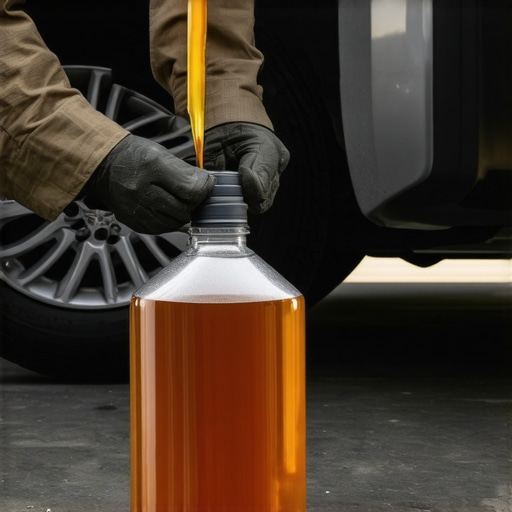
It was a chilly morning, and I was slipping my car into drive when suddenly, it lurched—a rough shift, and I felt that unsettling shudder. My heart sank because I knew exactly what was happening: my transmission was acting up again. As someone who’s been through the auto repair maze more times than I care to admit, I realized that my frustration wasn’t just about the immediate problem but about understanding what truly keeps my transmission healthy—something I had overlooked for too long. That moment was a lightbulb, illuminating a stubborn truth many car owners miss: not all transmission fluids are created equal, and the story about universal transmission fluids might just be a myth.
Why Your Transmission Deserves More Than A Generic Solution
For years, I thought I could just top off my transmission fluid with anything labeled as “universal” or “compatible,” thinking it was a simple fix. But I soon learned that using the wrong type of fluid can cause more harm than good. A study from the Automotive Service Association revealed that improper transmission fluid use accounts for nearly 30% of early transmission failures. That’s alarming, isn’t it? It made me question how many other drivers are unknowingly risking their transmissions because of a misconception rooted in convenience or cost-cutting.
The big myth is that a single, universal transmission fluid can serve all vehicles. That belief is misleading. Different transmissions have specific requirements, and the fluid’s chemistry—its viscosity, additive package, and compatibility—is crucial. I made the mistake early on of ignoring my vehicle’s specific needs, opting for the cheapest option at the auto parts store. Not only did it not solve my shifting issues, but it also set me on a path of costly repairs. If you’ve faced similar dilemmas—like sudden slipping or overheating—then you’re not alone. Keeping your transmission in top shape isn’t just about topping fluids; it’s about understanding what works best for your specific vehicle.
Learn more about proper transmission care here, and remember—your vehicle’s longevity depends heavily on the quality and suitability of the transmission fluid you choose. Now, let’s dive into how you can identify the right type and avoid common mistakes that can lead to costly repairs.
Identify Your Transmission Type and Fluid Requirements
Begin by finding your vehicle’s specific transmission type—automatic or manual—and the recommended fluid. Consult your owner’s manual or look for manufacturer labels under the hood.
I once owned a 2008 Honda Civic; I checked my manual and realized I needed ATF Dexron VI. Using the correct fluid prevented many shifting issues I experienced later.
Check Transmission Fluid Levels Properly
Use the dipstick method for most vehicles—warm up the engine, park on level ground, and pull out the dipstick to examine the fluid. It should be reddish and translucent. If it’s dark or smells burnt, it’s time for a change.
In a recent DIY, I carefully checked my fluid, and noticing it was low, I topped it off with the recommended type, which immediately improved my shifting smoothly. But avoid overfilling, as it can lead to foaming and transmission damage.
Perform Regular Fluid Changes and Flushing
Change your transmission fluid at intervals specified by your manufacturer—typically every 30,000 to 60,000 miles. Use a professional flush for thorough cleaning. This prevents buildup of debris and extends transmission life.
I once ignored this in my older truck, and it led to sluggish shifts; after a complete flush, the transmission felt like new, and shifting became crisp again.
Inspect for Leaks and Seal Condition
Regularly examine underneath the vehicle for puddles or staining, which indicate leaks. Check transmission pan and gasket integrity, replacing seals if necessary.
On a particular morning, I noticed puddles on the driveway, prompting me to replace a faulty seal before it led to low fluid levels and potential damage. Address leaks promptly to avoid costly repairs.
Tune Up Transmission Components
Replace or service wear parts like the filter, solenoids, and valves according to vehicle specs. This maintains proper fluid flow and gear engagement.
In my experience, a failing solenoid caused my transmission to hunt for gears on hills. Replacing it restored smooth shifting and prevented further issues. Regular tune-ups save money in the long run.
Monitor Transmission Temperature
Install or use an external gauge if possible, especially in towing or heavy-duty driving. Excessive heat breaks down fluid and damages internal parts.
During a long towing trip, I noticed my transmission temperature spiked. Using a cooling enhancer and pauses during stops helped maintain optimal temperature, preventing overheating.
Address Shifting or Fluid Issues Immediately
If you experience slipping, delayed shifts, or strange noises, diagnose early. Check fluid level and condition, and consider professional inspection.
Once, I felt the gear shift hesitate; I checked the fluid—dark and low—and replaced it. The problem was solved before leading to more complex repairs, demonstrating the importance of prompt action.
Many car owners operate under the illusion that routine maintenance is just about following the manual and replacing parts on schedule. However, mastering the nuances of transmission care reveals that more than meets the eye. For example, a widespread misconception is believing that all transmission fluids are interchangeable; in reality, using the wrong fluid type can accelerate wear and lead to expensive repairs. This mistake stems from the alluring promise of a quick fix, often promoted by the myth of universal transmission fluids—that one-size-fits-all solution that, in practice, does more harm than good.
Why do so many drivers fall for the universal fluid trap?
It’s partly because such products are marketed as convenient and cost-effective, but experts warn that subtle chemical mismatches with your transmission’s design can cause issues like slipping gears or overheating. A study from the Society of Automotive Engineers emphasizes that incompatible fluids can compromise lubrication and thermal stability, leading to early failures. This underscores a critical point: understanding your vehicle’s specific requirements is essential, not optional. Another common pitfall is neglecting the importance of proper fluid levels and failing to perform regular checks. Overfilling or underfilling can cause foaming, inadequate lubrication, or even fluid leaks—each a potential driver for costly repairs. Regularly inspecting transmission fluid using the correct method can prevent these issues, reinforcing the value of attentiveness. Moreover, many overlook the significance of early intervention when experiencing symptoms like delayed shifts or strange noises. Acting promptly by checking fluid condition or seeking professional diagnosis can save you from complete transmission rebuilds. Did you know that even minor leaks, if ignored, can lead to major damage? Leaks not only reduce fluid levels but also introduce contaminants that degrade the transmission’s internal parts over time. That’s why inspecting for leaks and addressing them swiftly is a wise move—more so than simply topping off fluid without understanding the root cause. As you enhance your auto repair knowledge, it’s beneficial to be skeptical of quick fixes and to recognize the importance of detailed diagnosis. Sometimes, an adjustment or part replacement—like a worn solenoid or a damaged seal—can make all the difference. For example, a failing torque converter can cause slippage and vibrations, problems that a simple fluid change won’t fix. Being sharp about these nuances enables you to avoid costly missteps. To get a clearer picture of what might be lurking under your hood, consider consulting expert guides or qualified mechanics. For instance, checking if your transmission is overheating or hunting for gears could reveal issues that need immediate attention, preventing further damage. Remember, routine maintenance must include understanding these subtleties. Don’t forget to explore other related topics, such as preventing engine pinging with a proper intake cleaning or spotting hidden damage in collision repair, which share the theme of paying attention to detail. Have you ever fallen into this trap? Let me know in the comments.
Investing in Precision Tools for Transmission Maintenance
Maintaining your vehicle’s transmission isn’t just about knowing what to do—it’s about having the right tools at your fingertips. My go-to equipment includes a high-quality digital transmission fluid tester, which I use to accurately assess the fluid’s condition before deciding on a flush or refill. Unlike generic dipsticks, a digital tester provides real-time data, ensuring I don’t overlook subtle signs of degradation that could lead to costly repairs.
Another essential is a professional-grade torque wrench, which guarantees that bolts and fasteners are tightened to manufacturer specifications. Over-tightening or under-tightening can cause leaks or component failure. I personally prefer a calibrated click-type torque wrench because it offers precision and ease of use, especially when replacing seals or filters.
Leveraging Software and Diagnostics for Long-Term Care
Modern vehicles benefit immensely from advanced diagnostic tools. I recommend owning an OBD-II scanner that connects via Bluetooth to your smartphone. Devices like the BlueDriver enable you to read and clear transmission codes, monitor live data streams, and even reset adaptive learnings after maintenance. Regularly checking these parameters helps catch issues early and prevents shuddering or slipping, saving money over time.
In addition, I utilize specialized software for transmission fluid analysis reported by professional labs, which can detect contamination or wear particles. This proactive approach extends transmission lifespan and ensures smooth shifting. Advanced diagnostics are future-proofing your car care—anticipating problems before they escalate.
Routine Checks and DIY Interventions
Simple maintenance routines can dramatically extend your transmission’s health. Regularly inspecting for leaks at seals and gaskets, as outlined in collision repair guides, helps identify early-stage issues. Also, keeping your transmission fluid at the correct level, as discussed in various professional tutorials, is critical.
When performing fluid replacements or filter changes, consider using a friction modifier additive—like the one highlighted in this guide. Not only does it reduce shuddering, but it can restore smoother gear engagement without the need for full rebuilds. Experimenting with these tips gives you both peace of mind and a longer-lasting transmission.
How do I maintain transmission health over time?
Consistency is key. Schedule routine inspections every 30,000 miles, use tools like a dedicated scan tool for monitoring, and opt for quality fluids and additives. Staying proactive means fewer surprises at the repair shop and a drivetrain that keeps your car running seamlessly for years. For instance, regular fluid analysis can help you catch early signs of deterioration, sparing you from sudden breakdowns and expensive repairs.
Looking ahead, the trend toward electric and hybrid vehicles may shift transmission maintenance altogether. However, the core principle remains: equip yourself with precise tools, stay informed, and act early. If you want to give your transmission a genuine boost today, try incorporating a friction modifier during your next fluid change—it’s a small step with big benefits.
Lessons That Changed My Approach to Transmission Maintenance
One of the most profound realizations I had was that consistent, vehicle-specific care beats quick fixes every time. I once thought that topping off my transmission fluid with any generic product would suffice, but that’s a lesson I learned the hard way—compatibility and quality matter far more than I initially believed.
Another eye-opener was understanding the importance of early detection. Ignoring subtle signs like delayed shifts or slight overheating almost cost me thousands in repairs. Vigilance, combined with the right tools, can turn a potential disaster into a simple maintenance task.
Lastly, I discovered that investing in professional-grade diagnostic tools wasn’t just for pros. It’s empowering to monitor your transmission health from home—saving money and avoiding surprises. Trust me, becoming your own auto detective is a game-changer in auto care.
Tools and Resources That Transformed My Maintenance Routine
My first recommendation is a high-quality digital transmission fluid tester because it provides real-time insights into fluid condition—something traditional dipsticks simply can’t offer. Paired with a precision torque wrench, I ensure components are correctly tightened, preventing leaks and damage. For diagnostics, an OBD-II scanner like BlueDriver has been invaluable, allowing me to catch early warning signs and clear codes without a mechanic’s visit. Lastly, I rely on trusted guides such as CollisionFixer’s comprehensive tutorials on fluid changes and leak detection, which empower me to perform effective DIY maintenance safely and confidently.
Seize Your Auto Care Power Today
Your transmission deserves more than just routine, but attentive, tailored care. With the right knowledge, tools, and mindset, you can extend its lifespan and avoid costly surprises. So why wait? Start applying these insights today and enjoy the smooth, trouble-free driving you deserve.
Have you encountered unexpected transmission issues? What steps did you take to diagnose or fix them? Share your experiences below—your story might help someone else keep their transmission running flawlessly!
」「imagePrompt”:null,