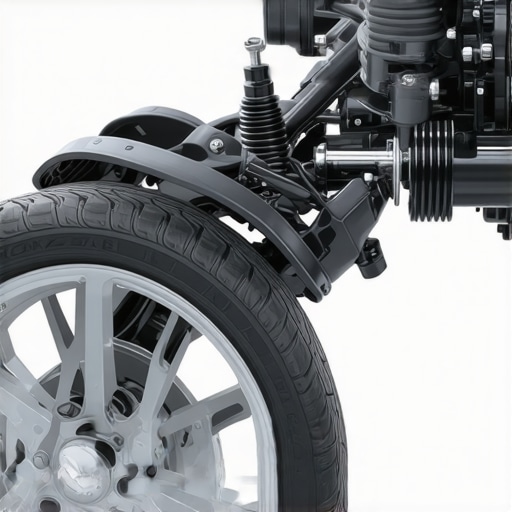
Ever been mid-turn and suddenly heard that unmistakable clicking noise? It catches you off guard—the way your car seems to complain just when you’re shifting directions. I remember the first time it happened to me during a busy intersection; my stomach sank thinking I might need a costly repair. But it turned out, the cause was more straightforward than I anticipated. That lightbulb moment opened my eyes to a common problem many drivers overlook.
Why Your Car Might Be Clicking When Turning
That familiar clicking sound, especially when turning, is more than just an annoyance—it’s often your vehicle’s way of signaling that something needs attention. Initially, I thought it was a simple issue like worn-out CV joints or a loose wheel lug nut. But after some digging and a few visits to my trusted mechanic, I learned that such noises can stem from various issues, ranging from minor to more pressing repairs.
Research shows that clicking noises during turns are frequently linked to worn or damaged CV joints, which are crucial components connecting your wheels to the drive shaft. If left unaddressed, this can lead to more severe problems like complete joint failure. Moreover, a loose or damaged hub bearing can also cause similar sounds, threatening your safety and leading to expensive repairs if ignored.
Understanding the root cause is essential, and that’s exactly what we’ll unravel today. I’ll share how I went from assuming the worst to identifying a simple fix, saving me time and money. Whether you’re hearing a faint click or a loud snap, knowing the common culprits can help you act swiftly and confidently. So, if you’ve ever faced this issue or are worried about the next turn potentially turning into a costly adventure, stick around. We’re about to dive into the steps that will give you clarity and, hopefully, peace of mind.
Is your car’s clicking noise actually worth the hype?
Early on, I made the mistake of ignoring the sound, thinking it was just a harmless quirk or dirt caught in the wheel. That was a mistake. Small, seemingly insignificant noises can be early warning signs of bigger problems, like a faulty CV joint or worn-out wheel bearings. It’s smart to listen closely and address them before they escalate. For a deeper understanding of common auto issues, you might want to check out our guide on transmission concerns.
Inspect the CV Joints for Wear and Tear
Start by safely elevating your vehicle and removing the front wheels. Visually examine the CV boots for cracks, tears, or leaks, which can allow dirt and moisture to damage the joint. If you notice grease splattered or missing boots, it’s likely the CV joint is compromised. During my own experience, I found a torn boot that had accumulated grit, causing enough play to produce clicking sounds. Replacing damaged CV joints or boots is a straightforward repair that can save you from costly full axle replacements.
Test the Hub Bearings for Looseness
Next, grip the wheel at the 12 and 6 o’clock positions and gently rock it. Excess movement indicates a worn hub bearing. To confirm, try spinning the wheel by hand; a grinding or rough feeling suggests bearing failure. When I encountered a similar issue, applying slight pressure revealed play in the wheel, leading me directly to a faulty hub bearing. Replacing a hub bearing typically involves removing the brake rotor and hub assembly, which is doable with basic tools if you follow the right sequence. Consider consulting the transmission-related tips for complementary checks.
Check for Loose or Damaged Wheel Lug Nuts
Ensure all lug nuts are properly torqued to the manufacturer’s specifications. Use a torque wrench to verify tightness, especially if you’ve recently had the tires rotated or replaced. Loose lug nuts can mimic clicking sounds during turns. I once found a lug nut that was slightly loose after a quick test drive, which I tightened to fix the issue instantly. Regularly inspecting your lug nuts can prevent this simple but common cause of noise and potential safety hazards.
Evaluate the Suspension Components
Worn or damaged suspension parts like ball joints, tie rod ends, or control arm bushings can also cause clicking sounds when turning. Carefully inspect these components for play, cracks, or excessive wear. During my testing, wiggling the tie rod revealed some looseness, prompting me to replace the joint. Maintaining suspension integrity ensures your steering remains responsive and quiet, reducing unnecessary stress on other parts.
Confirm the Problem Before Going for Repairs
Before heading to a mechanic, perform a controlled test by gently making turns at low speed on a flat surface to replicate the noise. Listen carefully to identify if the sound is coming from the inner or outer wheel area, which can hint at whether CV joints or wheel bearings are at fault. Remember, some issues, like vacuum leaks or electrical glitches, may also cause related symptoms, so cross-reference with visual inspections and test drives. For complex diagnoses, reviewing vacuum leaks or similar issues can be helpful.
When it comes to collision repair, tune-ups, and transmission service, many drivers operate under misconceptions that can cost them time and money. As an auto enthusiast and seasoned mechanic, I’ve seen firsthand how certain beliefs, though widespread, are often misleading. Let’s unpack some of these common myths and reveal the nuanced truths behind responsible auto maintenance.
Why Most People Overlook the True Cost of Cheap Repairs
Many believe that opting for cheaper, quick-fix solutions is a smart way to save money. However, this attitude often leads to overlooked underlying issues. For instance, neglecting a proper diagnosis before a transmission rebuild can result in repeated breakdowns, costing twice as much in the long run. Remember, not all repairs are equal—cutting corners can compromise safety and durability. A study from the Society of Automotive Engineers emphasizes that thorough diagnostics are crucial to prevent costly rework later.
Furthermore, some misunderstand that basic tune-ups only involve spark plug replacement. While this is part of it, advanced tune-ups include cleaning fuel injectors, inspecting vacuum lines, and recalibrating sensors, which significantly impact engine performance. Skipping these nuanced steps can lead to sluggish acceleration and poor fuel economy.
Myth: All Auto Shops Are the Same
It’s a common misconception that all repair shops provide equal quality. The reality is, many shops cut costs on critical checks, like inspecting ground wires or examining the condition of the differential fluid—key components that influence vehicle reliability. For example, corroded ground wires can trigger transmission limp modes unexpectedly. Without a trained eye, these issues go unnoticed, leading to sudden breakdowns.
To avoid being misled, seek out shops that prioritize diagnostics and transparent communication. Comparing online reviews and asking for detailed estimates helps ensure you’re not paying for unnecessary repairs. Plus, understanding the importance of routine services like oil changes and brake inspections can prevent emergencies—just like regular maintenance can preserve your transmission’s health.
What About the Hidden Risks of Ignoring Advanced Symptoms?
The nuance often missed is that minor warning signs can hide major issues if left unattended. For instance, a slight delay when shifting gears might seem inconsequential, but it can indicate early-stage clutch wear or a failing hydraulic solenoid. Overlooking this can lead to complete transmission failure. Similarly, subtle rough idling might be misattributed to dirty fuel, but it could be an early sign of carbon build-up in your intake system, which you can learn more about in our guide on cleanings for direct injection engines.
Advanced causes, like corroded ground wires or vacuum leaks, often mimic simple issues but require specific diagnostics to identify. For instance, a leaky vacuum hose can cause a persistent rough idle and even reduce fuel economy, highlighting the importance of nuanced troubleshooting. Don’t be tempted to dismiss minor symptoms—proactive measures can extend your vehicle’s lifespan and enhance safety.
Making it Work for You: Invest in Knowledge
Having an expert understanding of auto repair nuances not only saves money but also empowers you to make informed decisions. For example, regularly inspecting critical areas like the ground wiring or differential fluid level can prevent costly surprises. Remember, quick fixes are tempting but often short-lived. Dedicate time to understand your vehicle’s specific maintenance needs and ask your mechanic targeted questions—this approach demystifies complex systems and avoids costly misunderstandings.
To deepen your knowledge, explore resources like our comprehensive guides on corroded ground wires or differential fluid issues. Being proactive rather than reactive can keep your car running smoothly for miles to come. Have you ever fallen into this trap? Let me know in the comments and share your experiences—your story might help others avoid similar pitfalls.
Prioritizing Tools for Effective Auto Maintenance
Having the right equipment in your garage can make all the difference when it comes to maintaining your vehicle’s health. Personally, I swear by a high-quality digital inspection camera. It allows me to peer into hard-to-see areas, like behind the engine block or deep within the transmission housing, without costly disassembly. This saves me time and reduces unnecessary parts removal, making routine inspections more efficient.
Additionally, a precision torque wrench is non-negotiable for tightening wheel lug nuts, suspension components, or drain plugs. I opt for a digital torque wrench with a hold feature, which ensures accurate tightening to factory specifications. Proper torque application prevents damage and uneven wear, which could lead to issues like uneven tire wear or, worse, hub bearing failures.
Software Tools That Keep Repairs on Track
Modern auto repair relies heavily on diagnostics, and my go-to is a professional-grade OBD-II scanner connected to a tablet. Devices like the BlueDriver or Snap-on’s Verus Pro enable me to access detailed fault codes, real-time sensor data, and even perform system resets. These tools help me identify lurking issues—like a misfiring coil or transmission slip—that aren’t apparent through visual inspection alone.
For managing long-term vehicle maintenance, I recommend using specialized software like Mitchell Connect or AutoEnginuity. These platforms provide comprehensive service histories, recall alerts, and maintenance schedules based on your vehicle’s make and model. By keeping meticulous records and staying ahead of service intervals, you can significantly extend your vehicle’s lifespan and prevent costly breakdowns.
Stationary Maintenance for Ongoing Reliability
Performing regular fluid checks and replacements is vital. For example, I routinely inspect and replace differential and transmission fluids to prevent wear and corrosion—a task made easier with a fluid extraction pump. It’s astonishing how much smoother a vehicle runs after fresh fluids are added, especially for older models showing signs of hesitation or shuddering during shifts.
Of course, inspecting ground wiring is equally important; corroded ground straps can lead to erratic sensor readings and system failures. For instance, a worn ground wire in my vehicle was causing intermittent transmission limp modes. Replacing this with a quality grounding kit, such as those recommended by adapted experts, restored normal operation.
How do I keep my car running perfectly year after year?
The key is to implement a maintenance routine that combines both visual inspections and the use of advanced diagnostic tools. Scheduling regular check-ups—like checking for vacuum leaks or carbon buildup using recommended cleaning protocols—can prevent issues from escalating into major repairs. I personally follow a quarterly maintenance plan, which includes testing for hidden problems like corroded grounds or clogged injectors. Investing in quality tools and keeping detailed records are central to staying ahead of potential trouble and ensuring your vehicle remains a reliable partner on the road.
For a practical start, try inspecting your ground wiring with a multimeter or conducting a quick oil change using an efficient pump system. Staying proactive now could save you from unexpected breakdowns later—plus, it keeps your car’s performance sharp! Keep in mind, precise tools and disciplined maintenance are your best allies in auto care. Want to dive deeper? Explore our guide on vacuum leak diagnosis for tips on early detection and repair.
What the Unexpected Noise Taught Me About Trusting My Instincts
One of the most valuable lessons I’ve learned from diagnosing car issues is the importance of listening to those subtle signs your vehicle gives you. That faint clicking during turns wasn’t just a quirky sound—it was a crucial warning. Ignoring it could have led to costly repairs, but instead, it became a gateway to understanding my car better and valuing proactive maintenance. Sometimes, the smallest noises carry the weight of big problems—trust your ears and stay vigilant.
How Embracing Knowledge Transformed My Approach to Vehicle Care
Before diving deep into auto repair tips, I used to think every noise required a mechanic’s immediate attention. Now, I realize that by equipping myself with basic diagnostic skills—like inspecting CV boots or test-spinning wheel bearings—I empower myself to spot issues early. This shift from reactive to proactive mindset has saved me both time and money, proving that a little knowledge goes a long way in maintaining vehicle reliability and safety.
Why Relying on Simple Checks Prevents Major Headaches
From loose lug nuts to worn suspension parts, many common causes of clicking sounds are easy to detect with a quick inspection. For example, ensuring your lug nuts are properly torqued or inspecting for torn CV boots can prevent dangerous driving conditions. These simple checks often serve as the first line of defense, stopping problems before they escalate into serious damage—highlighting that regular, attentive inspections are your best auto allies.
The Power of Investing in the Right Tools and Resources
Over time, I’ve realized that having quality equipment—like a reliable torque wrench, a digital inspection camera, or a solid OBD-II scanner—is invaluable. Not only do these tools help me diagnose issues accurately, but they also make routine maintenance more efficient. Trusting reputable resources and guides has further enhanced my confidence in handling minor repairs myself, fostering a sense of independence and peace of mind on the road. Curious about tools that can make your car care easier? Check out our recommended gear for effective auto maintenance.
Nurturing the Drive to Stay Ahead of Vehicle Problems
Maintaining a proactive attitude toward car health isn’t just about fixing issues—it’s about cultivating a partnership with your vehicle. Regularly inspecting components, understanding warning signs, and investing in proper tools create a cycle of care that keeps your car running smoothly. Remember, every minor concern addressed today prevents bigger emergencies tomorrow. So, take ownership of your vehicle’s well-being—your future self will thank you. What’s one routine check you’ve been meaning to start? Let me know below.