Ever been stranded in the driveway, frustration boiling over as your car stubbornly refuses to shift on time? I remember the exact moment I realized that a tiny vacuum leak—costing less than a cup of coffee—was behind my transmission acting up. It was a lightbulb moment that changed how I approached auto repair forever. If you’ve noticed your transmission shifting late or hesitating, you’re not alone, and there’s a surprisingly simple fix that might just save you hundreds in repairs.
Why A Small Leak Can Have Big Transmission Impacts
Transmission issues often get brushed off as complex or expensive, but sometimes, the culprit is a tiny vacuum leak costing around $12—that’s roughly what you’d spend on a fast-food combo. This leak affects the pressure in your vehicle’s vacuum system, which plays a vital role in smooth shifting. When that pressure drops, your transmission can become sluggish, shift late, or even slip altogether. The good news? Fixing this is often as simple as replacing a hose or seal, and it’s a game-changer.
Is a Small Vacuum Leak Actually Worth the Hype?
At first, I doubted that such a minor issue could cause significant transmission trouble. I thought, “Surely, it’s something more complicated.” Turns out, I was wrong. I made a classic mistake early on—ignoring small vacuum hoses because they looked fine—and paid the price with more expensive repairs down the line. This taught me that sometimes, a tiny vacuum leak causes big problems, and catching it early can save you a lot of heartache. For more on common transmission issues and how to identify them early, visit this helpful guide.
So, do you suspect your transmission is late to shift or feels off? You’re about to learn how to diagnose and fix this sneaky problem efficiently. Stay tuned, because getting familiar with this tiny leak can make a massive difference in your car’s performance—and your wallet.
Inspect Vacuum Hoses and Seals
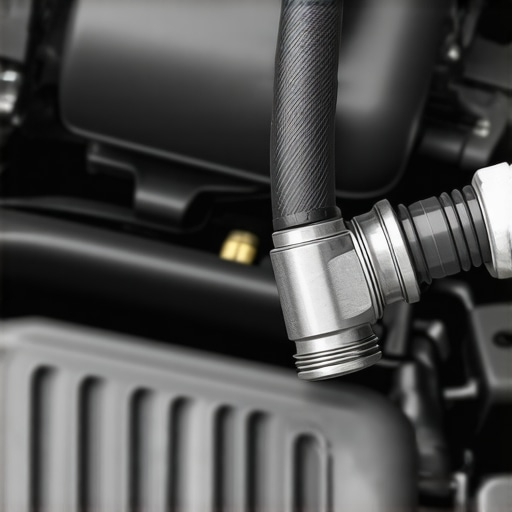
Start by locating the vacuum hoses connected to your transmission control system—these are often thin rubber tubes running under the hood. During my first attempt, I gently tugged on each hose, making sure they were secure and free of cracks. I discovered one cracked hose that was causing the leak. Replacing damaged hoses like this is simple—you just disconnect the old one, pop in a new rubber hose, and secure it with clamps. This immediate fix restored proper vacuum pressure, which improved my shifting performance.
Identify the Leak Using Engine Diagnostics
Next, I used a mechanic’s stethoscope or a smoke machine to pinpoint leaks. For a do-it-yourself approach, starting the engine and visually inspecting each hose for damage works well. If you prefer a more accurate method, some auto parts stores offer leak detection tools that introduce a small amount of smoke or dye into the system—watch for escaping smoke or discoloration indicating the leak point. This step ensures you don’t replace parts unnecessarily and targets the true source of the vacuum loss.
Replace Faulty Seals and Gaskets
Seals or gaskets where vacuum lines connect can dry out and crack over time. During my repair, I carefully removed the old gasket sealant using a plastic scraper, then applied a new rubber gasket or sealant designed for engine vacuum systems. Carefully aligning and fitting these components prevents future leaks. This detail often gets overlooked but can make a significant difference in restoring proper vacuum levels.
Test the Repair
After replacing hoses and seals, start your engine and listen or feel for leaks. I recommend using a vacuum gauge attached to the system to verify that pressure reaches the manufacturer’s specifications—typically around 20-25 inHg for many vehicles. If the gauge shows restored pressure and shifting feels smoother, your fix was successful. For ongoing issues, double-check connections or consider consulting detailed guides like this article.
Monitor During Daily Driving
Keep an eye on transmission response over the next few days. Notice any hesitation, slipping, or delayed shifts. A quick test drive in different conditions—acceleration, deceleration, idling—can reveal whether the vacuum leak is indeed resolved. If problems persist, revisit the hose connections or seals. Sometimes, larger issues like cracked manifolds require deeper inspection, which you can learn more about at this resource.
 When it comes to maintaining your vehicle, many assume that sticking to basic fluid changes and routine check-ups is enough. However, I’ve found that a common misconception is that transmission issues are always a sign of severe internal damage needing costly rebuilds. Contrary to popular belief, many problems stem from overlooked nuances like vacuum leaks or simple sensor malfunctions that can be diagnosed and fixed early, saving you hundreds. Recognizing these subtleties sets apart the average car owner from the seasoned mechanic. For example, many don’t realize that a delayed shift isn’t necessarily a transmission failure but might be caused by a small vacuum leak affecting the system’s pressure. Overlooking such issues can lead to unnecessary replacements or repairs, which could be avoided with proper diagnostic approaches. An advanced mistake I see often involves neglecting the vehicle’s electronic systems—like sensors or control modules—that, if malfunctioning, mimic complex mechanical failures. Understanding the role of these components is crucial. According to automotive experts like those cited by collisionfixer.com, many transmission problems are now linked to software glitches or sensor errors rather than pure hardware failure. Addressing these requires a nuanced approach, utilizing specialized diagnostic tools and firmware updates.
Why do many believe transmission symptoms always indicate internal damage?
This is a prevalent misconception. In fact, many symptoms such as slipping or shifting delays can be caused by simple issues like low fluid levels, worn-out sensors, or misaligned linkages. Misdiagnosing these as catastrophic failures leads to unnecessary rebuilds and expenses. Additionally, some owners fall into the trap of ignoring routine maintenance, believing that modern transmissions are ‘set and forget.’ But neglecting to check or replace critical components like sensors or seals can result in more significant problems down the line. For instance, a faulty speed sensor can cause erratic shifting, yet replacing it is straightforward and cost-effective if caught early. To avoid falling into this trap, regular diagnostics—like inspecting vacuum hoses or testing sensors—are vital. Ensuring you’re aware of the nuances, such as the impact of minor vacuum leaks on transmission behavior, can help you address issues proactively. Remember, traditional auto repair website advice may oversimplify problems; diving deeper into the system’s electronic and vacuum components often reveals the true culprit. If you’re curious about advanced diagnostics, check out this guide on diagnosing shifting delays. Keep your eyes open for signs that point to simpler fixes before you proceed with major repairs. Have you ever fallen into this trap? Let me know in the comments.
Investing in Precision Tools for Auto Maintenance
When it comes to ensuring your vehicle’s transmission remains reliable, having the right tools can make all the difference. A high-quality vacuum pump with a gauge is indispensable for diagnosing leaks and testing pressure levels accurately. I personally rely on a Mityvac MV8500 because of its durability and proven precision in identifying vacuum inconsistencies that can affect shifting. This tool allows me to create controlled vacuum conditions, facilitating the detection of leaks or faulty seals without guesswork.
Utilizing Advanced Diagnostics Software
Beyond physical tools, software solutions like OBD-II scan tools with transmission-specific parameter support have become essential. I prefer the Autel MaxiCOM MK808 because it provides real-time data on sensor inputs, solenoid operation, and system codes, enabling me to pinpoint electronic issues that mimic mechanical failures. With frequent updates, these tools stay ahead of evolving vehicle electronics, which is vital given the trend toward integrated electronic controls in transmissions.
Long-Term Maintenance You Can Trust
Consistency is key in transmission care. I schedule regular fluid checks and oil changes, but I also emphasize inspecting vacuum hoses and sensors periodically. Utilizing tools like a digital multimeter allows me to verify sensor voltage outputs, ensuring components like speed sensors or shift solenoids operate within specs. Automating this process with a reliable multimeter helps catch issues early, avoiding costly repairs down the line.
Scaling Your Maintenance Routine Over Time
As your vehicle ages, the complexity of systems increases. I recommend adopting diagnostic routines that incorporate both physical inspections and electronic diagnostics. For example, annual tests of vacuum lines combined with software scans can reveal emerging issues before they manifest as noticeable symptoms. Investing in a smoke machine for leak detection is a smart step for proactive maintenance, especially on high-mileage vehicles. Trends indicate that future repairs will lean heavily on integrated diagnostics, making familiarity with this technology crucial.
How Do I Keep Transmission Healthy Long-Term?
The key lies in a combination of routine inspections, timely fluid changes, and leveraging advanced diagnostic tools to catch problems early. For example, regularly monitoring the pressure levels in your vacuum system prevents late shifts caused by minor leaks—something many drivers neglect. Staying ahead of potential issues with tools like a vacuum pump, scan codes promptly, and replacing worn seals as needed, accords you peace of mind. If you’re curious about a simple yet effective maintenance step, try cleaning your transmission sensors with a 20-second sensor cleaning method. Consistent care today prolongs your transmission’s lifespan tomorrow.
When I first started diving into auto repairs, I underestimated the power of detecting small issues early. It’s easy to dismiss tiny vacuum leaks or sensor glitches as minor nuisances, but they often hold the key to preventing costly repairs. I learned this the hard way, discovering that a simple vacuum hose crack can cause significant shifting delays—saving myself hundreds when I caught it early.
Lessons from the Garage: Surprising Truths About Transmission Care
- Small leaks lead to big problems: Ignoring a tiny vacuum leak can snowball into transmission slipping or late shifting, making regular inspections more critical than I realized.
- Diagnostic tools are game-changers: Investing in a quality vacuum pump or diagnostic scanner helped me identify issues before they became expensive repairs, turning guesswork into certainty.
- Electronic components matter just as much as mechanical parts: Faulty sensors or control modules often mimic mechanical failures, so understanding their role alters how I approach troubleshooting.
- Maintenance is proactive, not reactive: Regularly inspecting hoses, seals, and sensors keeps the transmission running smoothly—delaying or avoiding major rebuilds.
Tools and Resources That Made a Difference
- Mityvac MV8500 Vacuum Pump: Its durability and precision made leak detection straightforward and confident.
- Autel MaxiCOM MK808: This scanner provided real-time data on sensors and solenoids, helping me spot electronic glitches early.
- Leak detection smoke machine: Introduction of smoke into the system unveiled hidden leaks I wouldn’t have found otherwise.
- Reliable digital multimeter: Verifying sensor voltages shut down guesswork and confirmed component health.
Embracing the Future of Transmission Maintenance
Staying ahead means adopting new tech—regular diagnostics, sensor cleaning routines, and understanding electronic influences. If you’re ready to take control of your vehicle’s performance, start with easy checks like examining vacuum hoses or scanning for codes. These steps can lead to smoother shifts, better fuel economy, and peace of mind. Have you ever caught a tiny leak that saved you from bigger repairs? Share your experiences below—your story could help someone else avoid costly mistakes.