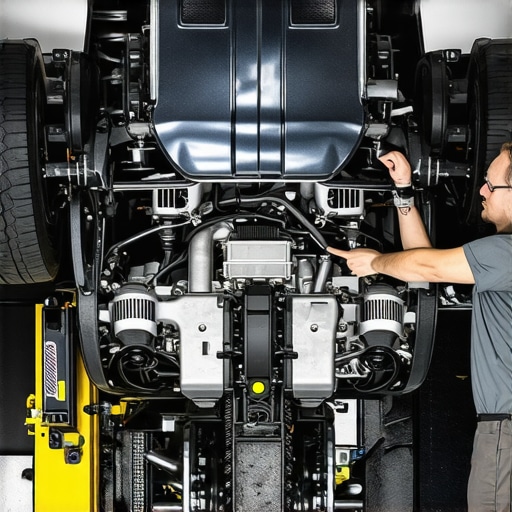
Ever been caught off guard by your car suddenly lurching forward as you lift your foot off the gas pedal? That unsettling jerk can catch you by surprise and leave you wondering if something’s seriously wrong. I’ve been there myself, sitting at a stoplight, and feeling that telltale jolt beneath me. At first, I brushed it off, thinking it was just a rough shift or some minor glitch. But as it happened more often, I realized it was more than a quirk—it was a sign of a bigger issue.
This strange jerking isn’t just a minor annoyance; it can be a warning about your transmission, motor mounts, or other vital components under the hood. Ignoring it could lead to costly repairs down the line. That’s why I want to share what I’ve learned from personal experience and research, to help you identify the cause and find an effective solution.
In today’s post, we’re going to dive into the real reason behind that unexpected jerk when you ease off the gas. I’ll also guide you through simple steps to diagnose and fix the issue before it gets worse. Trust me—catching it early can save you hundreds, if not thousands, in future repairs.
Is It Worth Your Time to Fix This? Or Just Live With It?
When I first experienced this problem, I thought maybe it was just a normal part of driving an older car. But I learned early on that even small, seemingly harmless issues can escalate if left unchecked. A mistake many car owners make is dismissing these warning signs, thinking they’re nothing. That’s a mistake I’ve made myself—believing a rough shift was just a quirk rather than a sign of impending trouble.
Early on, I overlooked the importance of proper diagnosis and ended up paying more later. According to automotive expert insights, addressing transmission issues early can extend the life of your vehicle significantly and save you money. For instance, negligence can lead to transmission overhaul costs that could otherwise have been avoided with simple maintenance or repairs. To avoid falling into the same trap, keep an eye out for signs like jerking, difficulty shifting, or strange noises.
If you’ve ever felt that bump or jerk when letting off the gas, you’re not alone. Many drivers experience this, but few realize how straightforward the fix can be if approached correctly. In fact, some causes are easy to fix yourself, saving you a trip to the mechanic. But first, let’s look at what might be causing your car to behave this way and how you can spot the root of the problem.
Check Your Transmission Fluid First
Start by inspecting your transmission fluid level and condition. Park on a level surface, warm up your engine to operating temperature, then pull out the dipstick. If the fluid is low or appears dark and burnt, it can cause that jerking sensation. Like a car’s blood, clean and adequate transmission fluid ensures smooth gear transitions. I remember topping mine off after noticing rough shifts; the difference was immediate, and the jerking disappeared. If the fluid is old or contaminated, consider a full flush to prevent further damage. For detailed steps, see how transmission overhauls can save you money here.
Inspect Motor Mounts for Wear
Next, examine your motor mounts—these rubber components secure your engine and absorb vibrations. Worn mounts can cause engine movement during deceleration, leading to jerks. To check, observe engine movement when you gently rev the engine; excessive movement indicates worn mounts. Replacing these is akin to replacing worn-out shock absorbers—restoring stability. A failed motor mount won’t just cause jerks but can also result in noise and further engine damage. Simple visual inspections or a mechanic’s assessment can confirm their condition. Be sure to assess their state before considering more involved repairs.
Step into the Transmission Range
Engage the gear shift through all positions, paying attention to any roughness or delays. If shifting feels resistant or the jerking appears when shifting gears, the issue may be internal transmission problems. Sometimes debris buildup or sticking valves can cause inconsistent engagement. Clearing these blockages involves drain-and-clean procedures, which you can learn from how to flush your own brake lines here. Running a diagnostic scan can also reveal transmission error codes, guiding you on whether a tune-up or deeper repair is needed.
Adjust or Replace the Throttle Position Sensor
The throttle position sensor (TPS) tells your engine how much gas you’re pressing. A malfunctioning TPS can send incorrect signals, causing jerks when easing off. To test, use an OBD-II scanner to read sensor readings or observe irregular idling. Replacing a faulty TPS is straightforward; it’s like calibrating a remote control—simple but critical. Properly functioning TPS ensures smooth acceleration and deceleration. If you’re unsure, a professional tune-up can recalibrate or replace this sensor efficiently.
Review Your Car’s Software and Settings
Modern vehicles depend heavily on onboard computers. Sometimes, a software glitch can trigger abnormal behavior like jerking. Performing a software update or resetting the ECU can resolve these issues. Think of it like restarting your phone when apps misbehave—they often fix minor bugs quickly. Some automakers offer software updates at dealerships, but others can be downloaded and installed yourself with proper tools. Regular tune-ups here help maintain optimal vehicle performance and prevent these quirks.
When to Seek Professional Help
If your diagnosis points to complex transmission problems or if adjustments don’t improve performance, it’s time for a mechanic’s expertise. Remember, like a puzzle, some issues require specialized tools and experience to fix properly. Ignoring persistent jerks can lead to more costly repairs down the line. For trusted local assistance, contact professionals through here. They can perform comprehensive diagnostics and ensure your vehicle runs smoothly again, saving you money and stress in the long run.Many car owners operate under common myths about maintenance and repairs that can lead to costly mistakes. For example, the widespread belief that all transmission fluids are interchangeable is a dangerous misconception. According to automotive expert insights, using the wrong type of transmission fluid can cause accelerated wear and even transmission failure, which underscores the importance of understanding the specific requirements of your vehicle. This is not just about topping off fluids; it’s about aligning with manufacturer specifications to avoid unnecessary repairs. Furthermore, a frequent trap many fall into is postponing a tune-up until noticeable issues arise. However, a comprehensive tune-up isn’t just a bandaid—it’s an essential preventive measure that can improve fuel efficiency, extend engine life, and prevent minor issues from snowballing into major repairs. Regular maintenance acts as a form of quality control that keeps your vehicle running smoothly, yet many drivers undervalue its importance. Another misconception involves the perceived simplicity of DIY repairs. While basic tasks like changing a filter can be manageable, attempting complex repairs without proper diagnostics and tools often leads to misdiagnosis and wasted money. For instance, tackling transmission problems without proper testing can lead to unnecessary replacement of parts that are still functional. According to research from automotive industry studies, most car failures are preventable with early, accurate diagnostics—something that professional mechanics are trained extensively for. Consider the case of commonly overlooked signs like subtle transmission slipping or unusual noises, which often indicate deeper issues. Addressing these early with a diagnostic scan can save hundreds or even thousands of dollars in the long run. Don’t fall into the trap of relying solely on surface-level symptoms; a thorough inspection by a qualified technician often reveals the real problem, preventing unnecessary repairs. Moreover, many people believe that aftermarket parts are just as good as OEM components, but in reality, using non-specified parts can compromise safety and longevity. Always ensure replacement parts meet the original equipment standards. To optimize your vehicle’s lifespan, it’s crucial to understand these nuances and approach repairs with a critical eye. While some repairs seem straightforward, the hidden complexities often demand professional intervention. If you’re concerned about specific issues or want to ensure your car maintenance is on track, consider consulting with experts through trusted sources like collisionfixer.com—professional advice can make all the difference. Have you ever fallen into this trap? Let me know in the comments.Maintaining your vehicle for long-term reliability requires more than just routine checkups; it demands the right tools, methodologies, and a proactive approach. One essential piece of equipment I personally rely on is an advanced OBD-II scanner like the BlueDriver Bluetooth Professional Diagnostic Scan Tool. Unlike basic code readers, it offers comprehensive live data, custom diagnostics, and the ability to reset various vehicle modules. This tool has saved me countless trips to the mechanic by allowing me to identify issues early, especially with transmission sensors or engine misfires. Regularly scanning your vehicle and interpreting these diagnostics enables you to catch problems before they escalate, such as worn transmission bands or coolant leaks, which can threaten your car’s longevity. Over time, investing in a quality diagnostic tool will pay dividends, especially if you’re keen on DIY maintenance or want to communicate more effectively with your mechanic.
The Hardest Lesson I Learned About auto repair,collisionfixer,car service,transmission,tune up
One of the most eye-opening moments in my auto repair journey was realizing how overlooked transmission fluid quality can lead to surprisingly stubborn jerks. I used to dismiss strange shifts as minor glitches, until I discovered the true impact of well-maintained fluids on smooth driving. A simple check and flush saved me from costly transmission rebuilds and showed me the importance of proactive maintenance.
3 Myths About auto repair,collisionfixer,car service,transmission,tune up That Held Me Back
I used to think that DIY repairs could fix everything, but I learned that some issues, like internal transmission damage or sensor failures, require professional diagnostics. Believing that all parts are compatible aftermarket replacements also caused more harm than good. Trusting expert guidance and OEM parts now is key to avoiding recurring problems.
What Experts Won’t Tell You About auto repair,collisionfixer,car service,transmission,tune up
Automotive professionals often see drivers ignoring early warning signs because they think minor issues aren’t urgent. However, catching problems like a faulty throttle position sensor or worn motor mounts early can prevent a cascade of costly repairs. My biggest lesson is to listen to your car’s subtle signals and act before small hiccups become major setbacks.
My Essential Toolkit for auto repair,collisionfixer,car service,transmission,tune up
The diagnostic scanner I trust most, like the BlueDriver, has empowered me to understand my vehicle better and schedule repairs efficiently. I also rely on quality tools for fluid checks and visual inspections. Investing in reliable diagnostics and maintenance tools can transform your DIY approach and save money long-term.
Where to Go from Here
If you’ve experienced a sudden jerk and want to prevent future issues, start with a thorough inspection of your transmission fluid and motor mounts. Consider booking a diagnostic scan to uncover hidden sensor errors. Remember, proactive maintenance and professional guidance are your best allies—details that can make or break your vehicle’s longevity. For trusted local assistance, contact mechanics through here. Always stay ahead of issues to enjoy a smooth, trouble-free drive.
Your Turn to Try
Have you ever tried diagnosing your car with an OBD-II scanner or replaced a component yourself? Share your experience below and let’s keep the conversation going about how you’ve tackled unexpected car jerks. Your insights might just inspire someone else to take that first proactive step toward vehicle longevity.