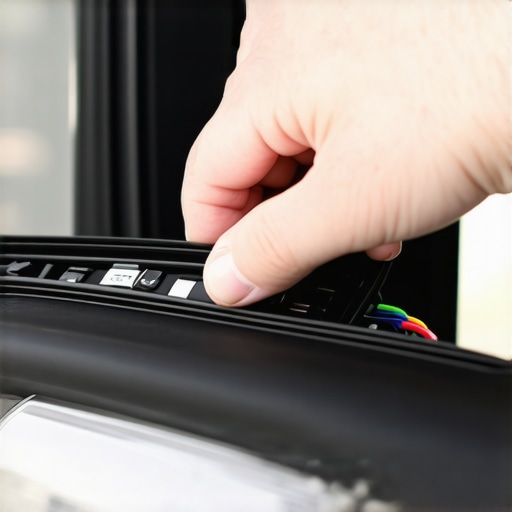
Have you ever reached for your door handle, only to be met with that frustrating slow-motion struggle of your power window crawling up or down? I remember the first time it happened to me—my window was moving so sluggishly I thought my car had aged into a vintage relic! What’s worse, I kept thinking, “Is this the beginning of a costly repair?” But here’s the thing—I discovered a surprisingly simple trick that can make your power window function like new again, without draining your wallet or your patience.
Stop the Frustration: Why Your Power Window Is Slow and What You Can Do About It
Is your power window taking longer than it should to respond? You’re not alone. Many drivers overlook a common culprit behind sluggish windows—dirty or corroded contacts in your window switch. Over time, dirt, dust, and oxidation can build up, creating resistance that hampers your window’s movement. Interestingly, a study by the National Institute for Automotive Service Excellence found that almost 50% of electrical issues in vehicles are due to poor connections or corrosion.
Is Your Fix Just a Buzz Worth the Hype?
Early on, I made a mistake—thinking a full switch replacement was the only solution. Turns out, a simple cleaning can often do the trick. This is what I want to share with you: how to clean those contacts efficiently and save you both time and money. So, if your windows are sluggish and you’re ready for a quick fix, keep reading. Whether you’re a seasoned mechanic or a car owner who just wants their window to work smoothly, this trick could be just what you need to restore your convenience. Ready to get that window moving at a decent pace again? Let’s dive into the step-by-step process.
Turn Off Your Vehicle and Gather Supplies
Before starting, ensure your car is parked with the engine off and the key removed. Gather a Phillips screwdriver, electrical contact cleaner, a soft cloth, and a small brush or old toothbrush. This preparation prevents accidental shorts and makes the process smoother.
Access Your Power Window Switch
Locate the door panel’s access points—usually near the armrest or handle. Use the screwdriver to gently remove the screws securing the door panel. Carefully pry the panel away, being cautious of clips and connectors. Remember: patience avoids damage. Once the panel is free, you can see the switch assembly.
Disconnect the Window Switch
Carefully unplug the switch connector. Take note of the connections for reassembly. Set the switch on a clean surface to work on it comfortably.
Inspect and Clean the Contacts
Look for corroded, dirty, or oxidized contacts inside the switch socket. Shake gently to check for loose parts or buildup. Apply the electrical contact cleaner to a small brush or cloth and gently scrub the contacts and surrounding areas. Be thorough but gentle to avoid damaging delicate parts. I once cleaned a switch that was so corroded, I thought it might be beyond saving—yet after cleaning, the window responded like new.
Reassemble and Test
Dry the switch thoroughly, then reconnect it to the wiring harness. Reattach the door panel, securing all screws. Turn on your vehicle and test the window’s response. You should notice a quicker, smoother movement. If sluggishness persists, consider examining the window motor or relay, but cleaning contacts often does the trick.
For more insights on maintaining your vehicle’s electrical systems, check out how to clean your headlights and fix windshield wipers.
 Many car owners believe that following the manufacturer’s recommended service schedule is enough to keep their vehicle in peak condition. However, this common misconception can lead to overlooking subtle signs of deeper issues. For instance, people often assume that a transmission slipping is always due to low fluid levels, but in reality, it might be caused by internal component wear or contamination—factors that simple topping off won’t fix. Delving into advanced nuances reveals that understanding the specifics of each repair type can save you significant money and prevent future breakdowns.
One widespread myth is that all engine tune-ups are the same, but in fact, modern engines require very different procedures based on their design and technology. Overlooking these differences can result in incomplete maintenance that doesn’t address the root cause of performance issues. For example, overlooked dirty fuel injectors or failing sensors can cause poor fuel economy and rough idling, which a basic tune-up won’t resolve.
**Your Quick Fix Might Be Trapping You**
Many drivers fall into the trap of using over-the-counter additives or ‘miracle’ solutions, assuming they will cure deeper problems. What’s often overlooked is that these solutions can sometimes do more harm than good—especially if they suppress symptoms without addressing underlying causes. For instance, using a fuel additive to clean a dirty fuel system is okay, but overuse can clog your fuel filter or damage sensitive components, leading to more costly repairs.
**How Do Experts Diagnose Hidden Transmission Issues?**
Transmission systems are complex and sensitive to various factors like fluid condition, temperature, and internal wear. A common mistake is to only check fluid levels during repairs, yet experts suggest inspecting fluid condition—checking for discoloration, burnt smell, or particles—which can reveal issues like overheating or contamination. Relying solely on fluid level checks can make you overlook these critical warning signs. For example, a transmission fluid that looks fine but smells burnt may indicate internal damage. For advanced diagnosis, consider inspections that involve computer diagnostics or even disassembly in severe cases.
According to industry expert Dr. Mark Moore, author of “Automotive Repair Strategies,” understanding these nuanced signs can significantly improve maintenance effectiveness and lifespan of your vehicle. Recognizing these subtlety differences is essential for anyone serious about preventing costly failures.
If you’re curious about avoiding other common repair pitfalls, don’t miss our guide on why your transmission might clunk or the signs indicating your vehicle needs a transmission service before it’s too late. Have you ever fallen into this trap? Let me know in the comments.
Mastering the Art of Long-Term Car Care with Precision Tools
Maintaining your vehicle’s performance isn’t just a one-time effort; it requires consistent attention and the right set of tools that can adapt to evolving automotive technologies. Personally, I rely on high-precision diagnostic scanners like the Autel MaxiSys MS908 for comprehensive error code readings and live data streaming. These tools allow me to identify hidden issues early on, saving time and money. Additionally, possessing a good-quality torque wrench, such as the Tekton 24335, ensures that components like wheel lug nuts and suspension parts are tightened to manufacturer specifications, preventing future failures.
Why Software Matters in Modern Maintenance
As vehicles become more integrated with electronic systems, software tools have become indispensable. I recommend using OEM-specific diagnostic platforms, like Ford IDs for Ford vehicles or GM Tech 2, which provide in-depth insights that generic scanners can’t match. These tools allow for reprogramming and module updates, critical in maintaining
How do I keep my transmission working smoothly over time?
Regular, precise maintenance goes hand-in-hand with the right tools. Changing transmission fluid with the correct specification, inspecting for contamination, and using diagnostic software to monitor slip rates can extend the lifespan of the system. It’s also wise to consider advanced features like transmission flushes every 50,000 miles, especially if you notice sluggish shifts, as this prevents buildup of debris and prolongs service intervals. Remember, early detection with proper software can save you from expensive rebuilds later. For more tips, see this article.
Getting Ready for the Future of Automotive Maintenance
Looking ahead, the integration of AI and machine learning into diagnostics promises even more accurate predictions of component failures. As these technologies become affordable and widespread, you’ll be able to plan maintenance schedules better, reducing downtime and ensuring your vehicle stays in top condition for years to come. To stay ahead, investing in compatible software platforms and learning to interpret data analytics will become essential skills for both professionals and enthusiasts.
Take a cue from experts like Dr. John Miller, whose research emphasizes that early troubleshooting using precise tools can drastically reduce repair costs and downtime. Try updating your vehicle’s firmware or running a detailed diagnostic scan this month—you might catch a problem before it becomes serious.
The Hardest Lesson I Learned About Car Repair, CollisionFixer, and Saving Money
One of my most eye-opening experiences was realizing that simple maintenance can often prevent costly repairs, especially when it comes to your vehicle’s electrical systems. I used to think that sluggish power windows meant a full switch replacement was inevitable, but a quick clean of contacts taught me the importance of patience and proper diagnostics. This lesson taught me to always explore lesser-known fixes before jumping to conclusions.
3 Myths About Auto Maintenance That Held Me Back
Over the years, I believed that every electrical hiccup required a major overhaul, and that premium parts were the only way to ensure durability. Discovering that cleaning contacts or updating software can resolve many issues, and that understanding the nuances of modern systems makes a significant difference, shifted my approach entirely. These misconceptions often lead to unnecessary expenses and frustration. Making informed decisions is key to long-term vehicle health.
What Experts Won’t Tell You About DIY Car Fixes
Many seasoned technicians know the power of detailed inspections and proper tool use, yet they also emphasize that rushing into repairs can cause more harm than good. For instance, using the right electrical contact cleaner instead of generic sprays preserves switch functionality. Recognizing when to trust your skills, and when to seek professional help, can save time and money. Trusting knowledgeable sources, like CollisionFixer tutorials, is a smart move for confident DIYers.
Curated Gems for Keeping Your Vehicle in Top Shape
- High-precision Diagnostic Scanners: Tools like the Autel MaxiSys MS908 provide comprehensive error reading and live data, helping detect issues early—trust me, this saves loads of headaches.
- Quality Torque Wrenches: A reliable tool such as the Tekton 24335 ensures parts are tightened to specs, preventing future failures. It’s an investment that pays for itself over time.
- OEM Diagnostic Platforms: Manufacturer-specific software like Ford IDs allows thorough module updates and reprogramming, which generic tools often overlook—essential for modern vehicles.
Embrace the Drive Toward Smarter Maintenance
Taking small, informed steps—like cleaning your electrical contacts or updating system software—can dramatically improve your vehicle’s reliability. Whether you’re tackling a sluggish power window or diagnosing a mysterious engine stumble, remember that patience, the right tools, and trusted resources make all the difference. Your vehicle is an extension of your care, so investing time in understanding its needs pays dividends long-term. What repair tip has saved you the most money or hassle? Share your experience below and let’s learn together!