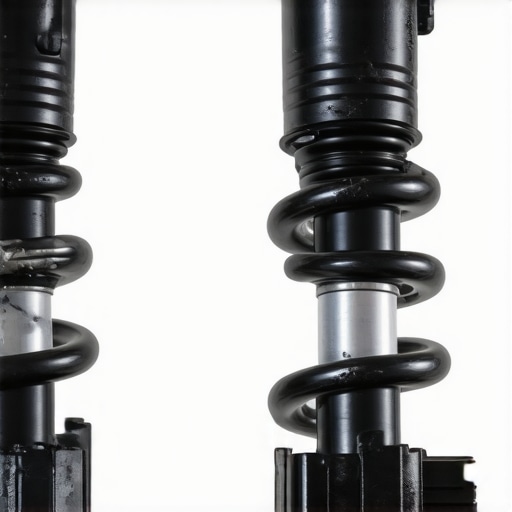
Have you ever hit a bump on the road and felt your entire car wobble like a boat in rough seas? I remember the first time it happened to me—my heart sank, thinking my suspension was on its last legs. It was a lightbulb moment that made me realize how vital good shocks are for safety and comfort. If you’ve experienced that jarring feeling or noticed your car swaying excessively, you might be wondering: Are my shocks actually blown, or is it something else? The good news is, there’s a simple, at-home test you can perform to find out—and I’m here to guide you through it.
The Can’t-Miss Shock Test You Can Do in Minutes
Is This Test Reliable or Just a Gamble?
Early in my auto repair journey, I made the mistake of relying solely on visual inspections. Turns out, shocks can look perfectly fine but still be shot from the inside. According to experts, a bouncing or swaying car isn’t always visible from the outside—sometimes, it takes a simple test. This method is surprisingly accurate and can save you a trip to the mechanic if your shocks are still good. Plus, performing this test regularly can help you spot issues before they become costly repairs. Want to ensure you’re not driving on worn-out shocks? Let’s get started.
Park on a Level Surface and Prepare
Start by parking your car on a flat, level surface to ensure accurate results. Engage the parking brake firmly, and turn off the ignition. For safety, chock the wheels that are not being tested. This initial setup prevents any shifting or movement that could skew your test.
Apply Firm Pressure to One Corner
Stand on one corner of your vehicle’s bumper or gently press down on the fender above the wheel you want to test. Use your full body weight to push down quickly and then release. This action compresses the suspension, revealing if it absorbs shocks properly. Recall a time when I tested my front left suspension; I had to push hard enough to feel the vehicle sag slightly—if it bounces back several times, that indicates worn shocks.
Observe the Car’s Reaction
Once you release, watch how the vehicle responds. If it bounces more than once or twice before settling, your shocks are likely worn out. A healthy suspension should absorb the impact and return to normal quickly, with little to no bounce. I once tested my car and noticed a prolonged bounce—this was a clear sign I needed replacement shocks, which I arranged without waiting for a mechanic appointment.
Repeat on All Corners
Perform the same push-and-release test on all four wheels. Uneven responses might suggest specific shocks are failing. Consistent bouncing across multiple corners points to a more systemic issue, potentially affecting your entire suspension system. Regularly performing this simple test can save you from dangerous driving conditions and costly repairs later. For a comprehensive maintenance schedule, consider exploring essential car service tips.
Check for Additional Wear and Tear
Beyond bouncing, look for signs like leaking fluid from shocks, uneven tire wear, or a knocking noise on bumpy roads. These symptoms can indicate deeper suspension issues. Remember, visual inspections alone aren’t enough—combine them with the bounce test for a reliable assessment. If your shocks are failing, it’s crucial to prioritize replacements to maintain safety and comfort. Need professional advice? Contact experts at CollisionFixer.
Many drivers believe that sticking to basic maintenance schedules and trusting mechanics blindly are enough to keep their vehicles running smoothly. However, a common misconception is that the majority of auto repair issues are straightforward or obvious, which isn’t always the case. In reality, understanding the nuanced details behind transmission care, tuning, and collision repairs can save you significant money and prevent dangerous breakdowns. For example, a frequent myth is that transmission fluid only needs to be replaced every 100,000 miles. In truth, experts recommend more regular inspections, especially if your driving involves frequent stop-and-go traffic, towing, or harsh weather conditions, as detailed in [how transmission overhauls can save you money in the long run](https://collisionfixer.com/how-transmission-overhauls-save-you-money-in-the-long-run). Relying solely on the ‘set it and forget it’ approach can lead to costly repairs and compromised safety. Additionally, many car owners overlook subtler signs of transmission wear, such as delayed gear engagement or minor slipping, mistaking them for normal behavior. This oversight often ends in dramatic breakdowns that could have been prevented with early intervention.
Another pitfall involves the misconception around regular tune-ups. Some think modern vehicles are maintenance-free until a warning light appears, but neglecting preventive tune-ups can damage engine components prematurely. The advanced nuances of engine timing, sensor calibration, and spark plug conditions are crucial in optimizing fuel efficiency and engine longevity, as outlined in [maximize your car’s lifespan with regular tune-ups](https://collisionfixer.com/maximize-your-cars-lifespan-with-regular-tune-ups). Ignoring these can lead to increased emissions, reduced performance, and higher fuel costs.
Car owners often misunderstand their vehicle’s needs after a collision. Many assume DIY repairs or cheap parts are adequate. However, untrained repairs can cause long-term structural weaknesses or safety issues. CollisionFixer emphasizes the importance of professional assessments to ensure that frame damages, alignment issues, or hidden damages are properly addressed. For instance, unseen frame misalignments can affect tire wear and handling, and only a professional with the right tools can detect and correct these issues accurately.
A sneaky area many forget is the role of fluid maintenance beyond just oil changes. For example, neglecting differential fluid or power steering fluid can lead to uneven wear, noise, or even component failure. Being aware of subtle symptoms like whining noises or difficulty steering can point to deeper issues, which are often less obvious than engine trouble but equally critical. Per [how to tell if your differential needs new fluid](https://collisionfixer.com/how-to-tell-if-your-differential-needs-new-fluid), early detection prevents costly overhaul expenses.
Finally, one of the largest pitfalls is dismissing the importance of trusting honest, transparent repair shops. As seen in [the honest reason some junk car buyers pay more](https://collisionfixer.com/why-you-can-still-get-1000-for-a-junk-car-in-charlotte-without-the-title), transparency and expertise directly impact the quality and safety of repairs. Be wary of shops that push unnecessary repairs or refuse to explain issues thoroughly. A good mechanic not only fixes your car but also educates you about its needs, helping you avoid advanced mistakes that stem from ignorance or complacency.
Are you aware of these lesser-known nuances in car maintenance? Have you ever fallen into this trap? Let me know in the comments, and let’s keep the conversation moving towards smarter, safer driving.
Keeping Your Vehicle in Prime Condition Over Time
Ensuring your car runs smoothly long-term requires more than just occasional visits to the mechanic; it demands the right tools and disciplined practices. One of my go-to investments is a high-quality diagnostic scan tool like the Autel MaxiScan MS300. It’s compact, affordable, and compatible with most OBD-II vehicles, allowing me to quickly identify engine check lights or transmission issues without immediate professional intervention. This tool has saved me countless trips to the shop by catching problems early, especially when it comes to complex issues like transmission overhauls—which you can learn more about here.
Another indispensable item is a set of specialized cleaning and maintenance products such as fuel injector cleaner and power steering fluid flush kits. For example, I regularly use a fuel injector cleaning solution like the Sea Foam Motor Treatment to keep injectors operating efficiently and prevent rough idling or stalling. Incorporating routine fluid inspections and replacements, guided by tools like a battery tester or coolant tester, helps me avoid costly overheating or electrical issues down the line.
Maintenance extends beyond tools—developing a disciplined schedule is crucial. I use a calendar reminder for tire rotations and fluid checks, aligning with recommendations found in these essential car service tips. This proactive approach ensures that components like the suspension, brakes, and transmission remain in optimal condition, preventing unexpected breakdowns and ensuring safety.
How do I maintain my car’s health over time?
Staying ahead of wear and tear involves strategic use of diagnostic tools, routine fluid management, and mechanical inspections. Embracing modern diagnostic software, such as AutoEnginuity, offers deeper insights into vehicle systems that are not accessible with basic OBD-II scanners. This allows me to spot issues with sensors, actuators, or control modules early—saving money and stress. Looking ahead, the trend leans toward integrated vehicle health management systems that continually monitor and report diagnostics via smartphones, which will likely become standard in newer models.
If you’re serious about preserving your vehicle, I recommend starting with a good diagnostic scan tool and integrating regular fluid-check routines into your maintenance schedule. Testing your transmission fluid level and quality, for example, can reveal hidden problems before they escalate—more about this can be found here. Give one of these strategies a try today, and enjoy peace of mind knowing your car is optimized for long-term performance.
The Hardest Lesson I Learned About Transmission Repair
One of the most valuable lessons I discovered was the importance of listening to subtle signs of transmission trouble. Ignoring minor slipping or delayed shifts can lead to costly rebuilds later, emphasizing the need for early intervention and proper maintenance.
Fixing My Car Didn’t Have to Be a Mystery
Finding trustworthy, honest shops made all the difference. Do your research and utilize resources like this guide to ensure you’re not overpaying or getting parts you’ll regret. It’s empowering to understand that proper diagnostics and clear communication save money and stress.
How Routine Services Saved My Budget
Regular tune-ups, fluid checks, and early diagnostics turned out to be your best friends. Whether it’s checking differential fluid or maintaining your engine with scheduled tune-ups, these simple steps prevent bigger issues and extend your vehicle’s lifespan.
Uncovering Hidden Costs Before They Hit
I learned to pay attention to whispers—like strange noises or inconsistent handling. For example, a squeaky belt or a faint knocking can reveal deeper problems. Recognizing these signs early, especially through differential fluid issues, means less money spent in the long run.
Choosing Smarter Repairs Over Quick Fixes
It’s tempting to cut corners with cheap parts or DIY fixes, but experience taught me that investing in quality repairs and genuine parts ensures safety and durability. Remember, the right choices now save you from headaches—and expenses—later on. Looking for trusted advice? Reach out through their contact page.