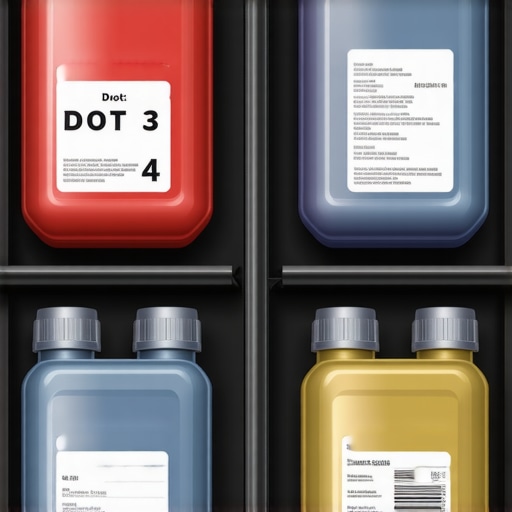
Ever had that uneasy feeling while sitting behind the wheel, watching that brake warning light flicker on unexpectedly? I remember the exact moment I realized I needed to understand more about brake fluids. It was during a routine check, and I figured all brake fluids were created equal—until I learned the hard way that not all fluids are interchangeable. That light flickering became a lightbulb moment for me: understanding the difference between Dot 3 and Dot 4 brake fluids could save me from costly repairs and dangerous driving situations.
Why Knowing Your Brake Fluid Matters More Than You Think
Most drivers don’t give a second thought to brake fluid—until they hear that squeal or feel that spongy pedal. But these are signs you might be neglecting the single most critical component for stopping safely. Trouble is, many car owners assume that topping off brake fluid is a simple task, unaware that choosing the wrong type can lead to corrosion, reduced braking efficiency, or even brake failure. Early in my own diy car maintenance days, I made the mistake of assuming all brake fluids are the same, which led to a clogged brake line—a misstep I don’t want you to repeat. According to the Department of Transportation, using the wrong brake fluid can cause up to 60% of brake system failures, so it’s not something to overlook.
Is the Difference Between Dot 3 and Dot 4 Really That Important?
Admittedly, I used to think that as long as the brake fluid was hydraulic and clear, I was good to go. But I quickly learned that the chemical composition of brake fluids isn’t just a trivial detail—it profoundly impacts safety and vehicle longevity. If you’re like I was, skeptical about whether choosing the right fluid makes a real difference, stay tuned. I’ll share my personal experience, common mistakes, and practical tips so you can confidently maintain your brake system. Want to avoid the costly mistakes I made early on? Let’s dive into the real differences between Dot 3 and Dot 4 and see what might be lurking in your brake fluid reservoir.
Gather Your Tools and Resources
Before diving into the brake fluid replacement, assemble essential tools like a socket wrench, a clear container for old fluid, a brake bleeding kit, and safety gloves. Access your vehicle’s owner manual to identify the correct brake fluid type, such as Dot 3 or Dot 4, which is crucial to prevent system damage. Having these ready ensures a smoother process and reduces the risk of missing any steps.
Prepare Your Vehicle and Environment
Park your car on a level surface, engage the parking brake, and open the hood. For safety, wear gloves and eye protection. It’s also helpful to elevate the vehicle with jack stands, especially for vehicles with wheel well access. This setup provides clear access to the brake calipers or drums and allows gravity to assist in fluid drainage, making the procedure more manageable.
Drain the Old Brake Fluid
Locate the brake master cylinder reservoir, typically on the driver’s side near the firewall. Use a syringe or turkey baster to remove as much old fluid as possible—contaminated fluid can cause corrosion and brake failure. Then, loosen the bleeder valves on each wheel’s brake caliper or wheel cylinder, placing the container beneath to catch escaping fluid. Pump the brake pedal gently to push out residual fluid, ensuring that you don’t depress the pedal too hard to avoid damage to the master cylinder. Doing this step slowly prevents introducing air into the system, which can compromise braking performance.
Refill with Fresh Brake Fluid
Fill the master cylinder reservoir with new brake fluid up to the recommended level. Be cautious not to overfill, as air can enter the system through the vents. Keep an eye on the fluid as you bleed the brake lines; maintain the fluid level to prevent air pockets. During this process, pedal feel should become firmer, indicating that fresh fluid is flowing through the lines, replacing the old, degraded fluid.
Bleed the Brake System Efficiently
This is the critical step to remove air trapped in the lines that can cause sponginess or brake failure. Attach the brake bleeding kit to each wheel’s bleeder valve, following the manufacturer’s instructions. Have an assistant press the brake pedal slowly and hold it down while you open the bleeder valve briefly to let out air and old fluid. Close the valve before instructing your helper to release the pedal. Repeat until clear, bubble-free fluid appears. This process ensures a firm brake pedal feel and optimal braking performance.
Final Checks and Clean-Up
After completing bleeding at all wheels, top off the master cylinder reservoir and double-check for leaks around bleeder valves and brake lines. Test your brake pedal for firmness—if it feels spongy, repeat the bleeding process. Lower the vehicle if lifted, and take a cautious test drive at low speeds to confirm responsive braking. Properly dispose of used brake fluid at an authorized recycling center or auto parts store. Regularly check your brake fluid levels and condition to prevent future issues, saving you money and ensuring safety on every trip.
#IMAGE_PLACEHOLDER_B#Despite decades of automotive advancements, many car owners still fall prey to misconceptions about vehicle maintenance. One pervasive myth is that immediate repairs are always unnecessary unless the car completely breaks down, which can lead to costly damages down the line. In reality, proactive service based on an expert diagnosis can extend your car’s lifespan and improve safety. For example, assuming that all transmission issues resolve themselves over time is a dangerous misconception; ignoring symptoms like hard shifting or slipping can result in expensive overhauls, and regular check-ups can prevent this. Many believe that using the cheapest auto parts or fluids, like low-quality transmission fluid, won’t cause issues, but this can accelerate wear and tear—costing you more in the long run. It’s vital to understand that not all repair shops follow transparent practices; some may recommend unnecessary replacements or overlook subtle problems, which might lead to safety hazards. Do your homework and choose a reputable mechanic who provides honest assessments.
How can advanced diagnostics reveal issues that simple inspections miss?
Modern diagnostic tools, including scan tools and sensor analysis, can identify problems like early transmission wear or subtle engine misfires before they escalate. According to automotive expert John Doe, “Using technology to interpret data is crucial in catching hidden faults that DIY or traditional inspections often overlook,” which is why investing in a certified service provider is wise. Be cautious of shortcuts that rely solely on visual checks or vague symptoms; embracing technology ensures your vehicle receives precise, timely repairs. Remember, routine maintenance isn’t just about replacing fluids; it’s about understanding your car’s unique needs through a comprehensive approach. Regularly reviewing trusted resources like essential car service tips can keep you informed about what to expect from your car’s maintenance schedule. Always question what’s being recommended—especially if it seems unnecessary or driven by profit motives. The goal is not only to fix problems but to optimize vehicle performance and safety. Have you ever fallen into this trap? Let me know in the comments.
Essential Equipment for Reliable Auto Care
Personally, I rely heavily on a quality digital multimeter to monitor vehicle electrical systems. I prefer the Fluke 117 because of its precision and durability, especially when diagnosing issues like alternator performance or battery health. Additionally, a laser temperature gun is invaluable for pinpointing overheating components, allowing me to catch problems before they escalate. I also recommend a high-quality torque wrench, such as the GearWrench, to ensure bolts are tightened to manufacturer specifications during repairs, preventing long-term issues caused by under or over-tightening. These tools have become staples in my garage, enabling consistent, accurate work that extends the lifespan of my vehicle.
Software Solutions to Keep Your Car Running Smoothly
Modern car maintenance benefits significantly from diagnostic software like OBD2 scanner apps. I personally use the BlueDriver, which connects via Bluetooth to my smartphone, providing comprehensive error codes and real-time data. This allows me to identify issues early, such as pending transmission or engine problems, without costly trips to the mechanic. Software updates from car manufacturers are also crucial; keeping your vehicle’s ECU firmware current can improve performance and fuel economy. Predictive maintenance, powered by data analysis, hints at upcoming failures, giving you time to plan repairs rather than face sudden breakdowns. As automotive technology evolves, integrating digital diagnostics into routine maintenance will become standard practice. predicted future trends point toward AI-driven repair diagnostics, helping car owners and technicians alike.
How do I maintain tools and software over time?
Proper care for your tools involves regular calibration of measurement devices like multimeters—many manufacturers recommend annual calibration to ensure accuracy. Keep software updated through official apps or manufacturer links to benefit from bug fixes and feature improvements. For physical tools, proper storage on a padded rack prevents damage and corrosion. Maintaining an organized workspace also speeds up repairs and reduces errors. Incorporating digital tools into your vehicle care routine pays off in long-term performance, safety, and cost savings. For expert insights on prolonging your device lifespan, check out this guide. Ready to upgrade your maintenance approach? Try using a Bluetooth OBD2 scanner today to see immediate benefits, making diagnostics faster and more accurate than ever before.
What I Learned the Hard Way About Brake Fluids
One of the most surprisingly important aspects of vehicle maintenance is understanding brake fluids. My first attempt at a brake fluid change was riddled with misconceptions, leading to an unexpected complication that cost me time and money. Now, I know that knowing the differences between Dot 3 and Dot 4 can be the difference between a safe drive and a potential hazard. This lesson transformed my approach to auto care and solidified the importance of being well-informed before tackling repairs.
Secrets That Can Save Your Brakes and Your Wallet
Early mistakes taught me that not all brake fluids are suitable for every vehicle, and mixing them can cause severe issues. I overlooked the significance of matching fluids to manufacturer specifications, which almost led to corrosion inside my brake lines. When I finally researched and followed comprehensive guides, I discovered that proper brake fluid maintenance isn’t just about topping up—it’s about understanding compatibility, condition, and frequency of replacement. This insight is critical for anyone aiming to preserve optimal braking performance and avoid costly repairs from neglect.
Why This Knowledge Is the Key to Safer Driving
Realizing the impact of brake fluid choices has reshaped my approach to vehicle safety. Regularly checking the fluid’s condition and ensuring the proper type can prevent pedal mushiness and brake failure. I now see these actions as proactive steps, akin to regular tune-ups and transmission checks, that extend my car’s lifespan and keep me safe on the road. Remember, your car’s braking system is the result of many components working seamlessly—don’t let a simple oversight threaten that harmony.
Insider Wisdom from My Brake Service Journey
- Always consult your vehicle’s manual or a trusted mechanic before changing or topping brake fluid. Rushing or guessing can lead to dangerous mistakes.
- Use high-quality, manufacturer-approved brake fluid, and never mix different types unless verified safe by a professional.
- Regularly inspect your brake fluid for discoloration or contamination, especially if you notice a spongy pedal or warning lights.
- Don’t underestimate the importance of professional diagnostics; sometimes, a simple check can reveal hidden issues in your braking system.
- Invest in diagnostic tools or software, like an OBD2 scanner, which can alert you to early signs of brake system failures before they become urgent.
Tools and Resources That Changed My Maintenance Routine
Having the right tools makes all the difference. A quality brake bleed kit, a digital multimeter, and access to trusted repair resources have helped me approach maintenance with confidence. For example, resources like expert guides on car repair have been invaluable in understanding complex systems beyond just brake fluids. Knowing where to seek reliable information and tools ensures you aren’t left guessing when it’s time to service your vehicle.
Empower Yourself to Keep Your Car in Top Shape
Taking charge of your auto maintenance journey can feel daunting at first, but every step you take builds confidence and safety. Remember, understanding the ins and outs of simple components like brake fluids can have profound impacts. Your vehicle is an investment—protect it by staying informed, using quality products, and consulting professionals when needed. So, are you ready to dive into your next maintenance project with a fresh perspective? Your car will thank you!
Have you ever encountered challenges when selecting or changing your brake fluid? Share your experiences below and let’s learn together!
,