
I remember the exact sound it made—a sharp tink against the glass as I was cruising down the freeway at sixty-five. It was a tiny, barely-there speck over on the passenger side. I shrugged it off. I told myself I would get to it when the weekend rolled around or when I had a spare fifty bucks. Months went by. Then, one frigid January morning, I hopped in my car and blasted the defroster to clear the ice. I watched, absolutely horrified, as that tiny speck sprinted across my entire field of vision in a jagged, irreversible line. In less than ten seconds, my fifty-dollar resin fix turned into a five-hundred-dollar full replacement. I felt like an idiot because I knew better. I had ignored the danger of ignoring a small rock chip, and it finally caught up to my wallet.
Your Windshield is More Than Just a Window
Most of us treat the windshield like a pair of glasses—as long as we can see through it, everything is fine. But your car’s glass is actually a critical safety component. I made the mistake of thinking it was just cosmetic. In reality, modern vehicles rely on the windshield for structural integrity. According to the Auto Glass Safety Council (AGSC), the windshield can provide up to 60% of the roof’s strength in a rollover accident. When you leave a crack untreated, you aren’t just being frugal; you are driving a car with a compromised safety cage. It is one of those top signs your car needs expert auto repair now that most people ignore until the damage is literally staring them in the face. Today, I want to walk you through why that tiny spiderweb is a ticking time bomb and how you can save hundreds by acting before the next temperature swing hits. Have you ever had a tiny chip suddenly turn into a massive crack overnight?
Is it really worth fixing a chip that isn’t in my line of sight?
This is the skepticism I hear most often from my neighbors. If it isn’t blocking your view, why rush to the shop? The answer is simple physics. Your car vibrates. It hits potholes. It flexes when you turn corners. Every one of those tiny movements puts stress on the edges of that chip. Even if you follow all the essential car service tips for safe summer drives, the heat alone can cause the glass to expand and turn a minor flaw into a total loss. I learned the hard way that dirt and moisture get inside the crack, too, which makes it impossible to clear out for a clean repair later. By the time you decide to fix it, the internal damage is usually too far gone for a simple resin fill.
Determine if Your Glass Can Be Saved
Before you call a mobile repair van, you need to conduct a quick visual inspection. The standard rule of thumb is the size of a quarter. If the chip or the starburst pattern is smaller than that coin, you are in the green zone for a resin repair. I usually keep a spare quarter in the center console specifically for this. If the damage is at the very edge of the glass, however, you are in trouble. The edge of the windshield is under the most tension, and even a tiny speck there is one of the top signs your car needs expert auto repair now because it will likely spiderweb within days. If the crack has already started to travel and exceeds six inches in length, most shops will refuse to repair it for safety reasons.
The Five-Minute Emergency Fix in Your Desk Drawer
The moment you see a chip, you are racing against the clock—not just against temperature changes, but against dirt. Windshields are made of two layers of glass with a plastic interlayer. When a rock hits, it creates a pocket. If road grime, washer fluid, or rain gets into that pocket, it becomes nearly impossible to get a clear finish during the repair. I learned this the hard way after a cross-country trip where I ignored a chip for 2,000 miles. By the time I tried to fix it, the resin couldn’t bond because of the embedded road salt. Now, I keep a roll of clear packing tape in my glovebox. A small piece of tape over the dry chip keeps the debris out until you can get to a shop. It doesn’t strengthen the glass, but it preserves the ‘cleanliness’ of the break, ensuring the final repair is nearly invisible.
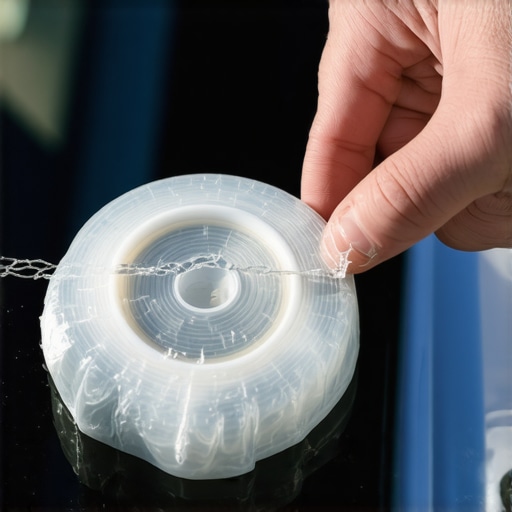
Why Professional Vacuum Pressure Beats DIY Kits
I once fell for the allure of a ten-dollar bridge kit from a big-box store. I thought I could save money, but I ended up with a blurry, opaque blob right in my line of sight. The problem with DIY kits is they rely on simple gravity or a cheap plastic plunger. Professionals use a vacuum-sealed injector that sucks the air out of the break before forcing the resin in. Think of it like trying to fill a bottle with water while it is still full of air—you get bubbles. Those bubbles in your glass act like tiny magnifying glasses that catch the sun and distract you. Knowing how to spot an honest mechanic in yuma before you drop your keys is vital here, as a pro will tell you straight up if the vacuum seal will hold or if the structural integrity is already gone.
Identify Secondary Failures Like Wind Whistles
Sometimes the rock doesn’t just chip the glass; it jars the entire seal. If you notice a high-pitched sound when you hit sixty miles per hour, you might be dealing with the reason your car makes a whistling noise at high speeds. This often happens when a chip occurs near the molding, causing a microscopic gap in the urethane adhesive. Fixing the chip is step one, but you must also ensure the seal hasn’t been compromised. Neglecting this is similar to skipping a regular tune-up; you might think the car is fine because it runs, but you are slowly losing cabin pressure and letting moisture seep into your dashboard electronics. Always check the perimeter of the glass for any lifting or vibration after a significant impact.
Most drivers assume that once a chip is filled with resin, the windshield is essentially ‘factory new’ again. I used to think the same thing until I started digging into the physics of structural adhesives. Here is the contrarian truth: a repair is a structural stabilization, not a restoration of optical perfection. If you expect a repair to be 100% invisible, you are setting yourself up for disappointment. In fact, if the chip is in what we call the ‘acute area’—directly in your line of sight—repairing it can sometimes create a prismatic effect that is more dangerous than the crack itself. I have seen people spend money on a fix only to realize they still need a full replacement because they can’t stand the tiny ‘glimmer’ while driving at night.
What happens when your camera loses its eyes after a repair?
This is the nuance that hits owners of modern cars the hardest. If your car was made in the last five to seven years, your windshield is likely a housing for your Advanced Driver Assistance Systems (ADAS). Those cameras that keep you in your lane and help you brake are calibrated to look through a specific thickness and clarity of glass. A study by AAA found that even a microscopic misalignment of a camera during a windshield swap—or a repair that leaves a scar in front of the lens—can cause safety systems to fail or react unpredictably. This is the subtle error that makes your cars automatic braking too sensitive, often triggered by nothing more than a poorly placed resin fill or a ‘budget’ glass replacement that doesn’t meet OEM specs.
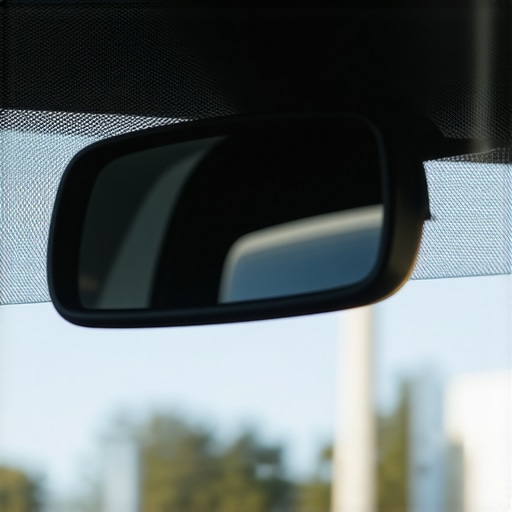
One of the biggest ‘traps’ I see involves the sequence of repairs. People will notice a vibration or a noise and assume it is a mechanical issue. I have had friends spend hundreds on a regular tune-up or a suspension check because they felt a shimmy at high speeds, only to discover the windshield seal was slightly lifting. The air pressure at 70 mph can cause a loose windshield to vibrate against the frame, mimicking the feeling of a bad tire or a needed car service. Before you let a shop tear into your steering rack, check the top edge of your glass for any signs of urethane failure.
Your Glass and the Long-Term Health of Your Car
We often talk about how how transmission overhauls save you money in the long run, but the same logic applies to your car’s body and glass. If you ignore a chip and it turns into a crack that reaches the frame, moisture can seep behind the glass and start rusting the pinch weld. Once that metal starts to bubble, a new windshield will never seat correctly again, leading to permanent leaks and wind noise. It is just like any other part of your vehicle; neglecting the small stuff eventually compromises the big stuff. Have you ever fallen into the trap of fixing one thing only to realize it was a symptom of a different, ‘hidden’ problem? Let me know in the comments below.
When I first started doing my own car service, I thought a cheap code reader was all I needed. I was wrong. If you are dealing with modern tech, you need a bidirectional scanner—something like an Autel MaxiSYS or a high-end Snap-on unit. Why? Because when your car has ADAS, you cannot just clear a code and hope for the best. You need to perform a dynamic calibration. It is one of those top signs your car needs expert auto repair now when your dash lights up like a Christmas tree after a simple repair. According to the Society of Automotive Engineers (SAE) International, specifically document J3016, the precision of these sensors is what separates a Level 2 driving assist from a dangerous glitch. I have learned that relying on consumer-grade gadgets for professional-grade safety systems is a recipe for disaster.
Stop Guessing with Professional Diagnostic Tools
I apply this same logic to my drivetrain. People always ask me how transmission overhauls save you money in the long run, and the answer usually lies in the tools used during the diagnostic phase. If your transmission feels like its neutralizing, do not just throw fluid at it. I personally use a mechanical pressure gauge set to see if the pump is actually failing or if it is just a solenoid acting up. By getting a hard number on the line pressure, I can tell if the internal seals are blown before I ever drop the pan. It turns a guessing game into a surgical strike, saving me thousands in unnecessary parts.

Invest in Better Fluids to Stop Transmission Slips
Maintenance is not just about changing oil; it is about the chemistry of the seals. For my windshield, I have started using a UV-resistant urethane conditioner twice a year. It keeps the rubber from drying out and prevents the reason your car makes a whistling noise at high speeds. For my engine, I have moved past just looking at the dipstick. I use an oil analysis kit from Blackstone Laboratories. It tells me exactly what is wearing down inside the block before a regular tune-up turns into a full engine replacement. Looking ahead, I see glass becoming even more integrated. We are moving toward ‘Smart Glass’ that can self-tint or even self-heal minor abrasions using embedded polymers. But until then, we have to use the right physical tools to keep the current tech functional.
How do I maintain my car’s structural integrity over time?
Consistency is your best tool. Every time you perform essential car service tips for safe summer drives, take five minutes to inspect the ‘pinch welds’ and the weatherstripping around your glass and doors. If you see even a hint of lifting, address it with a high-tack automotive adhesive immediately. Do not wait for a leak to reveal itself. I also recommend checking your frame rails for surface rust; a quick spray of woolwax or a similar lanolin-based coating can prevent the corrosion that eventually makes a windshield impossible to seal correctly. Try this: Next time you are under the hood, do not just check the fluids. Grab a torque wrench and verify the mounting bolts for your strut towers. It is a ten-minute task that keeps your alignment—and your windshield—from flexing under unnecessary stress.
The Hard Truths I Learned the Expensive Way
Reflecting on years of maintenance, I’ve realized that glass is the most neglected safety component on the modern car. Here is the insider wisdom I wish I had starting out: First, calibration is not optional. If you have cameras behind your glass, a cheap windshield is a safety hazard, not a bargain. It leads directly to the subtle error that makes your cars automatic braking too sensitive. Second, you have a 48-hour window to seal a chip with tape before road grime makes a perfect repair impossible. Finally, temperature is your enemy; your defroster is the number one killer of chipped windshields. Never blast the heat on cold, chipped glass unless you want to see it spiderweb instantly.
A Shortlist of Tools for the Proactive Driver
I do not just rely on luck to keep my vehicles on the road. I use a few specific resources that I trust implicitly. I always keep a high-quality UV-resistant sealant for my weatherstripping; keeping the rubber soft prevents the reason your car makes a whistling noise at high speeds. I also strictly follow the essential car service tips for safe summer drives to ensure my cooling system does not overheat the cabin glass. Lastly, I recommend a bidirectional OBD-II scanner for home mechanics—it is the only way to talk to your car’s brain without paying shop fees every time a sensor gets confused by a glass replacement or a transmission feels like its neutralizing due to a sensor error.
#IMAGE_PLACEHOLDER_E#
Drive With a Clear View and a Solid Frame
Your car is a symphony of interconnected parts. Just as you maximize your cars lifespan with regular tune-ups, paying attention to the glass and the body structural integrity keeps the whole system in harmony. Do not wait for a tiny speck to become a jagged line across your vision. Taking care of your vehicle through the professional standards at collisionfixer is not just about aesthetics; it is about ensuring that every safety feature works exactly as designed. This proactive mindset is exactly how transmission overhauls save you money in the long run because you treat the symptom before the total failure. Have you ever had a small, cheap repair save you from a massive repair bill later on? Let me know in the comments below.