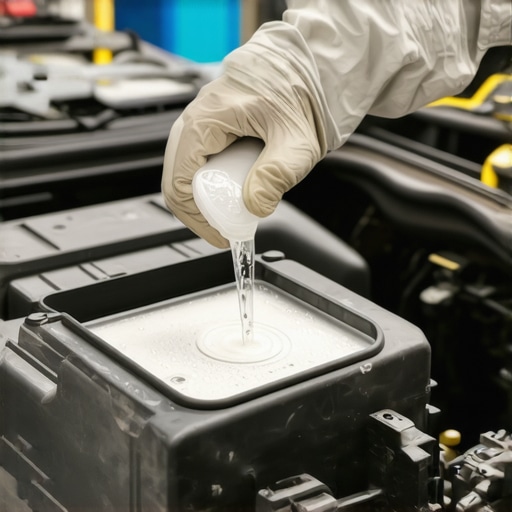
Imagine cruising down the road when suddenly, your steering feels stiff, unresponsive, like trying to turn a shopping cart filled with bricks. That frustrating moment hit me years ago during a busy Saturday run to the grocery store; my car’s handling was suddenly all wrong, and I knew something was off. After some quick inspection, I realized my power steering fluid was overdue for a change, but I didn’t know the proper way to do it without making more trouble. It was a lightbulb moment that led me into learning the right procedure, saving me money, and preventing potential damage.
The Real Importance of Flushing Your Power Steering Fluid the Proper Way
Over time, power steering fluid gets contaminated with dirt, metal particles, and old additives that diminish its effectiveness. If neglected, this can cause noisy steering, increased wear on the pump, or even costly repairs. But here’s the catch—many car owners, myself included early on, make simple mistakes that can turn a routine fluid change into a headache.
Will You Waste Time or Cause Damage by Skipping Proper Steps?
I used to think topping off the fluid or performing a quick flush was enough. Turns out, I was risking more damage because I ignored the manufacturer’s guidelines. A mistake I made was not fully draining the old fluid before adding new—leaving old contaminants in the system. According to auto experts, improper flushing can lead to residual debris circulating and damaging the pump or steering rack. So, here’s what I learned: proper flushing techniques are critical for optimal steering performance and longevity. Want to ensure your car handles smoothly for years to come? Let’s dive into how to do it right and avoid costly pitfalls.
Drain the Old Fluid Completely
Begin by locating the power steering fluid reservoir under the hood and removing the cap. Use a turkey baster or a fluid siphon pump to extract as much old fluid as possible. Personally, I once attempted to just top it off, but the next day, steering was still stiff—clearly, residual contaminants were left behind. For a thorough flush, it’s crucial to remove most of the existing fluid first.
Disconnect the Power Steering Hose
Identify the return line, usually a hose connected to the reservoir or directly to the rack. Place a catch pan underneath the connection, then carefully disconnect it using appropriate tools. Keep in mind, in my last attempt, not securing the hose led to a messy spill—so wear gloves and prepare for some fluid leakage. This step allows fresh fluid to circulate through the entire system.
Flush with Fresh Fluid
Pour new, manufacturer-recommended power steering fluid into the reservoir. Start the engine and turn the steering wheel from lock to lock multiple times. This movement pushes the new fluid through the system, displacing residual old fluid. When I did this, I noticed the steering became noticeably smoother after just a few cycles. Continually top off the reservoir as needed to keep it full during this process.
Reconnect and Fill the Reservoir
Reconnect the return hose securely to prevent leaks. Fill the reservoir to the recommended level with fresh fluid. For accuracy, always refer to your vehicle’s manual or consult an expert—incorrect fluid levels can cause long-term damage. Regularly check for leaks during the process—if you spot any, tighten connections or replace damaged hoses.
Test Your System
With the engine running and the steering wheel turned from side to side, observe the fluid level and listen for any unusual noises. Repeat the flushing process if the fluid appears contaminated or if steering remains stiff. In my experience, a proper flush improved steering response and reduced noise, preventing future costly repairs. For ongoing maintenance, consider scheduling regular fluid checks or tune-ups, which can extend your car’s lifespan—more details can be found here.
Many car owners believe that regular tune-ups are just about changing spark plugs or air filters, but in reality, there’s much more beneath the surface. A prevalent misconception is that once your vehicle runs smoothly after a basic service, no further attention is needed until the next scheduled maintenance. However, this overlooks the complex interplay of components like transmission systems and fuel injectors, which can silently degrade without obvious symptoms. In fact, neglecting detailed diagnostics can lead to costly surprises down the road, especially when it comes to transmission health. While some suggest that transmission overhauls are unnecessary unless symptoms are severe, auto experts emphasize preventative care, as outlined in studies showing early detection saves significant expenses.
Let’s also challenge the myth that all auto repair shops provide uniform quality. Many believe that cheap repairs are always inferior, but skilled technicians who focus on nuanced diagnostics can deliver affordable yet high-quality service. The key lies in understanding that complex components like the transmission require specialized knowledge and equipment. For instance, transmission overhauls are often misunderstood; a proper overhaul can maintain your vehicle’s long-term value rather than reduce it.
Beware the trap of ignoring subtle signs of transmission trouble, such as delayed shifting or unusual noises. Addressing these early with an expert ensures you avoid more dramatic failures later. Additionally, many overlook the importance of routine fluid changes, which are vital even for transmissions that seem fine. Regular servicing, backed by professional diagnostics, extends your car’s lifespan and enhances safety. If you’re curious about how to spot hidden transmission issues or want tips on effective vehicle maintenance, check out our related articles.
A sophisticated question I often get is: How do advanced diagnostic tools detect transmission wear before noticeable symptoms appear? Well, experts use computer-based sensors that analyze fluid viscosity, temperature fluctuations, and hydraulic pressures, offering insights beyond just visual inspection. Incorporating such nuanced diagnostics into your maintenance routine can prevent small problems from escalating. So, next time you think a simple tune-up suffices, consider the hidden complexities involved. Properly addressing these nuances saves money and preserves your vehicle’s performance.
Have you ever fallen into this trap? Let me know in the comments or visit us at Collision Fixer to discuss your car’s needs.
Getting Your Hands Dirty: My Top Tools for Auto Care
Maintaining a vehicle’s transmission, steering, or engine components isn’t just about knowledge—having the right tools makes all the difference. I personally rely on a high-quality digital multimeter for standard electrical diagnostics, which allows me to quickly verify sensor outputs and circuit integrity without guesswork. For more intricate transmission work, I recommend an OBD-II scanner with advanced functions like Ford’s IDS or Snap-on’s Verus, which delve deep into system diagnostics, offering live data that helps identify issues early, as highlighted in technical analyses from our expert resources.
When it comes to fluid replacement or system flushes, a power steering fluid extractor tool has saved me hours. It allows for a clean, comprehensive removal of old fluid from the reservoir and return lines, ensuring contaminants are thoroughly flushed out—something a simple siphon can’t guarantee. For applying pressure during repairs, I prefer a professional-grade brake bleeder kit, which makes bleeding systems much more precise and reduces the risk of introducing air into hydraulic lines.
Predicting the Future of Auto Maintenance Tools
In the coming years, I believe we’ll see an increased integration of AI-driven diagnostic platforms that connect directly with cloud-based vehicle health databases. These systems will analyze sensor data in real-time, predict component failures before they occur, and recommend proactive repairs—minimizing downtime and saving costs. Embracing these innovations now means staying ahead in auto care and potentially extending your vehicle’s lifespan significantly.
How do I maintain my tools for longevity and accuracy?
Proper storage is crucial—keep precision instruments in dry, vibration-free cases, and regularly calibrate electronic devices like multimeters and scanners according to the manufacturer’s instructions. Additionally, cleaning tools after each use prevents corrosion and debris buildup, which could impair their function over time. For example, I always wipe down my torque wrench and store it with its ratchet engaged lightly—this preserves its calibration accuracy. Regularly updating the firmware of digital diagnostics tools ensures compatibility with the latest vehicle software and features, which is essential given the rapid evolution in automotive electronics.
Investing in quality tools and maintaining them properly is a small cost compared to the savings and reliability you’ll gain. And with systems becoming more sophisticated, mastering these tools now can empower you to handle essential repairs confidently. For expert guidance on integrating diagnostics into your routine, consult our detailed tune-up tips.
Lessons From the Garage That Changed My Approach to Auto Maintenance
- One of the biggest lightbulb moments I had was realizing that neglecting a proper power steering flush could lead to costly pump repairs. It taught me that routine maintenance isn’t just a suggestion—it’s a safeguard against unnecessary expenses.
- Another revelation was understanding that DIY fluid changes require more than just topping off. Dropping the old fluid completely and using the right tools ensures contaminants don’t circulate, preserving the health of vital systems.
- My experience with diagnosing subtle transmission hints, like delayed shifts or unusual noises, underscored the importance of early inspection and professional diagnostics. Catching issues early saves money and extends vehicle lifespan.
Tools and Resources That Keep My Vehicle Running Smoothly
- An advanced OBD-II scanner with live data functionality is invaluable. It provides insights beyond the dashboard warning lights, helping me spot issues before they escalate. I trust this resource for understanding when a transmission overhaul is worth the investment.
- A high-quality power steering fluid extractor has transformed my approach, allowing thorough flushing without mess or guesswork.
- The ‘Essential Car Service Tips for Safe Summer Drives’ guide is a go-to for seasonal maintenance routines, ensuring my vehicle remains in top shape during peak times.
- Lastly, keeping a calibrated multimeter on hand helps me handle electrical diagnostics confidently, preventing minor issues from becoming major repairs.
Your Journey to Confident Car Care Starts Today
Empowering yourself with the right knowledge and tools can make all the difference in auto maintenance. Whether it’s mastering proper fluid flushes or understanding diagnostic signals, taking proactive steps today ensures you’ll enjoy smoother rides tomorrow. Don’t wait for problems to become emergencies—get involved in your vehicle’s care and stay ahead of costly repairs.
Have you ever discovered a hidden issue before it became serious? Share your stories below or visit us at Collision Fixer to discuss your car’s needs.