
Ever been stuck in stop-and-go traffic, feeling that familiar heat radiating from your engine bay, and suddenly your transmission seems to groan and struggle? I used to think it was just the heat from the sun or maybe a bad transmission fluid. But one day, after a particularly long traffic jam, I realized something was seriously off. My car was overheating, and the dreaded warning light flashed just as I coasted into a rest area. That moment was a lightbulb for me: there’s a hidden reason behind why your transmission hates traffic, and uncovering it changed how I handle my vehicle.
Why My Car Was Overheating in Traffic — The Lightbulb Moment
At first, I thought overheating was inevitable in city traffic, especially during summer. But after chatting with a trusted mechanic and doing some digging, I discovered a crucial mistake I made initially—ignoring regular tune-ups and essential maintenance. It’s easy to overlook these minor tasks, especially when the car seems fine on open highways. However, in traffic, your transmission works harder, and neglect can turn a minor issue into a major breakdown.
Is Transmission Overheating Actually Worth the Hype?
When I first heard about transmission overheating, I dismissed it as overkill — just another mechanic’s scare tactic. Turns out, it’s more common than I thought. According to experts, neglecting transmission fluid conditions and cooling systems can cause significant damage, leading to costly repairs or replacements. I learned that ignoring regular maintenance can turn your daily commute into a gamble with your car’s longevity. If you’ve faced similar issues, like sudden slipping or burning smells during city drives, you’re not alone. For a comprehensive understanding of how to prevent this, check out how transmission overhauls save you money in the long run.
My biggest early mistake was assuming that a quick check or topping off fluid once in a while was enough. Big misconception. Proper care includes adhering to a diligent service schedule and understanding your vehicle’s unique needs. This small change made a tremendous difference in my driving experience and helped me stop transmission overheating before it started. Now, I’ll walk you through what I’ve learned — because your car’s health and your peace of mind matter more than ever when stuck in traffic.
.
Perform Regular Transmission Fluid Checks and Changes
During my experience, I realized that neglecting to check and replace transmission fluid was a leading cause of overheating. Think of transmission fluid as the cooling potion for your gearbox; if it gets dirty or low, your car’s heart struggles to stay cool. I started checking my fluid levels weekly using the dipstick, ensuring they’re within the recommended range, and changing it per the manufacturer’s schedule or more often if driving in stop-and-go traffic. This proactive step reduces the risk of overheating, especially under harsh driving conditions.
Upgrade Your Cooling System Effectively
My breakthrough came when I upgraded my transmission cooler and ensured the radiator’s cooling fans operated efficiently. Picture your cooling system as a thermos — the better insulation and circulation, the more heat you can withstand. I installed an auxiliary transmission cooler, which acts like an extra radiator just for the transmission, diverting heat away more efficiently. Regularly cleaning radiator fins and testing fan operation prevents heat buildup during city drives, significantly lowering overheating incidents.
Inspect and Maintain the Cooling Fan System
During one stressful summer evening, I discovered my radiator fan was not engaging properly. I replaced the faulty relay and tested the fan with a direct power connection, ensuring it spins freely and responds to temperature signals. Proper fan operation is crucial; it acts like a personal fan for your engine, preventing heat accumulation. Checking wiring, relays, and sensors periodically guarantees your cooling system works seamlessly, especially when traffic slows your engine’s natural airflow.
Optimize Your Driving Habits to Reduce Transmission Strain
I learned that aggressive acceleration and sudden stops cause your transmission to work overtime, generating more heat. During a particularly bad congestion day, I started anticipating traffic flow and easing off the accelerator early. This smooth driving approach reduces sudden load changes, minimizing heat production. Think of it as walking carefully over hot coals instead of running; your transmission stays cooler and lasts longer. Practice gradual acceleration and deceleration, especially in heavy traffic, to maintain a safe temperature range.
Use Proper Park and Idle Procedures
One mistake I made was idling my vehicle after long drives without giving the transmission time to cool. I now turn off the engine during extended stops and allow a few minutes for cooling before restarting. This simple step helps dissipate residual heat, preventing overheating. Remember, your transmission needs time to shed heat, just like you need to cool down after a workout. Incorporate this habit into your routine for improved longevity.
Seek Professional Help When Signs Persist
If you notice slipping, burning smells, or warning lights despite these measures, consult a mechanic promptly. Sometimes, internal transmission issues require advanced diagnostics or repairs like transmission overhauls to prevent catastrophe. Regular professional inspections can catch problems early, saving you money and preventing breakdowns in traffic.
<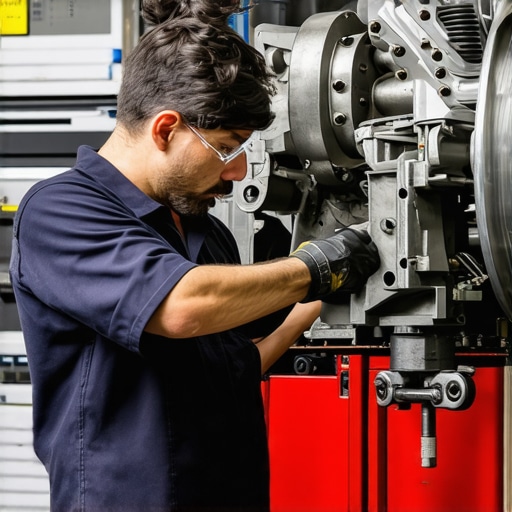 >Many vehicle owners assume that all auto repairs or services are straightforward and universally applicable, but this isn’t the case. One pervasive myth is that regular tune-ups are unnecessary for modern cars, thanks to advanced diagnostics. However, experts warn that neglecting even minor maintenance can lead to complex issues down the line, especially with transmission systems that are sensitive to fluid quality and cooling efficiency. Additionally, some believe that collision repair shops are primarily focused on cosmetic fixes; in reality, reputable centers conduct comprehensive diagnostics to prevent long-term damage, which is crucial for transmission longevity. This misconception can cause drivers to overlook necessary repairs, risking significant future costs. Furthermore, there’s a tendency to rely solely on visual inspections, ignoring the subtle signs like uneven shifting or transmission whining that indicate serious internal problems. Advanced diagnostics, including transmission fluid analysis and sensor testing, are essential for accurate assessments—studies show that early detection of transmission issues can save thousands in repairs (source: ASE certification standards). Beware of the trap known as ‘one-size-fits-all’ repairs; each vehicle requires tailored service based on its make, model, and usage patterns. For example, high-mileage vehicles or those driven frequently in stop-and-go traffic benefit greatly from proactive transmission servicing. Ignoring these nuances often results in higher repair costs and reduced vehicle lifespan. To truly optimize your car’s health, learning the intricate details of proper maintenance is key. Regularly consulting trusted sources like how transmission overhauls save you money in the long run or maximize your car’s lifespan with regular tune-ups can provide valuable insights. Remember, understanding these advanced nuances not only prevents costly surprises but also ensures a smoother, more reliable driving experience. Have you ever fallen into this trap? Let me know in the comments.
Maintaining your vehicle’s transmission over the long haul requires more than just regular inspections; it demands the right tools and a systematic approach. From diagnostic software to specialized cleaning equipment, I’ve discovered that investing in quality tools not only simplifies repairs but also ensures precision—saving you money and extending your transmission’s lifespan.
Investing in Diagnostic Brackets and Scan Tools
Personally, I swear by high-quality OBD-II scan tools like the Autel MaxiCOM or BlueDriver. These devices provide real-time data on transmission sensor readings, error codes, and system health, enabling me to detect issues early. For example, catching a slipping transmission or sensor malfunction before it triggers a warning light saves costly repairs, as detailed in this comprehensive guide. I use the scan data to perform targeted diagnostics, avoiding guesswork common with generic tools.
Specialized Tools for Flushing and Fluid Replacement
When it’s time for a fluid change, I rely on a powerful pump specifically designed for transmission fluid—such as the Lisle Quick-Drain or the ASE certified fluid exchange machine. These tools allow me to perform a complete flush without the mess or guesswork of draining and refilling manually. Proper flushing is critical; contaminated or old fluid accelerates wear and increases overheating risks. Regularly scheduled fluid exchanges, aligned with vehicle manufacturer recommendations, can dramatically improve transmission performance and longevity.
How Do I Maintain My Transmission Over Time
Routine checks of fluid levels and condition are simple yet vital. Using a dedicated transmission fluid tester or colorimetric test strips gives me peace of mind—if the fluid is dark or has a burnt smell, I know it’s time for a change. Additionally, I keep an eye on sensor readings via my diagnostic tool to spot anomalies early. Combining these practices with a schedule of regular professional inspections, which I book through trusted specialists, keeps my transmission running smoothly for years. Remember, predictable maintenance prevents unexpected failures and costly repairs. To learn about where to focus your efforts, consider reading tips on maximizing vehicle lifespan.
Planning for Future Improvements and Scaling Up
As vehicle technology advances, so do repair techniques and tools. The trend is leaning toward smarter diagnostics and remote monitoring, which could make routine maintenance more efficient. In the future, integrating IoT-enabled sensors that alert you to overheating or low fluid levels in real time might become standard practice. For now, investing in diagnostic software compatible with your vehicle model and learning simple DIY flush techniques can significantly improve your maintenance routine. Start small—try performing a fluid exchange with specialized tools—and then scale up as your confidence grows. If you’re unsure where to begin, consulting with a professional at Collision Fixer can guide you through choosing the right equipment and schedules.
Make the Most of Your Maintenance Routine
Don’t overlook the importance of consistency. Regular checks using reliable tools reflect your commitment to your vehicle’s health and can prevent issues from spiraling out of control. Consider setting reminders for fluid changes and sensor tests, especially if you drive frequently in stop-and-go traffic, which burdens transmissions more than highway driving. Doing so not only preserves your car’s performance but also minimizes downtime and repair costs. For in-depth insights, explore essential service tips to prepare for various driving seasons.
Throughout my journey in vehicle maintenance, I’ve realized that the true lesson lies not just in what to do, but in understanding what often goes unnoticed until it’s too late. One aspect that caught me off guard was how some seemingly small habits or overlooked details could make or break your transmission’s health in traffic conditions.
What I Wish I Knew About Protecting My Transmission in Stop-and-Go Traffic
- Small habits have big impacts: Ignoring regular fluid checks or delaying cool-down periods may seem harmless, but they exponentially increase overheating risks during city drives.
- The importance of upgrading cooling systems: Investing in auxiliary coolers and maintaining radiator efficiency can be game-changers in hot, congested traffic.
- DIY diagnostics can save money: Learning to interpret error codes with quality scan tools empowers you to catch issues early before they escalate.
- Driving behavior matters more than you think: Smooth acceleration and anticipation reduce transmission heat buildup, prolonging the lifespan of your transmission.
- Silent signs are warning signals: Subtle shifts, smells, or noises can indicate impending overheating, emphasizing the need for attentive driving and maintenance.
My Toolbox for Long-Term Transmission Care
- Reliable diagnostic tools: Devices like BlueDriver give me real-time insights on sensor health, helping me stay ahead of problems.
- Specialized flushing equipment: Pumps from brands like Lisle make fluid exchanges thorough, essential for optimal cooling and performance.
- Scheduled professional inspections: Regular visits to trusted auto experts ensure that complex issues are caught early, saving money and stress.
- Maintenance tracking apps: My reminders for fluid changes and system checks keep me consistent and proactive in my upkeep.
The Power to Keep Your Transmission Running Smoothly Starts Today
Empowered with these insights and tools, you possess the knowledge to avoid costly repairs and extend your vehicle’s lifespan. Remember, regular maintenance isn’t just about longevity; it’s about driving confidently knowing your transmission is protected against the unseen dangers of traffic heat. Why wait for a warning light when you can act today to safeguard your car’s future? Keep learning, stay observant, and enjoy every mile with peace of mind.
Have you ever overlooked a small sign that turned into a big problem? Share your experiences below—I’d love to hear your stories and tips!