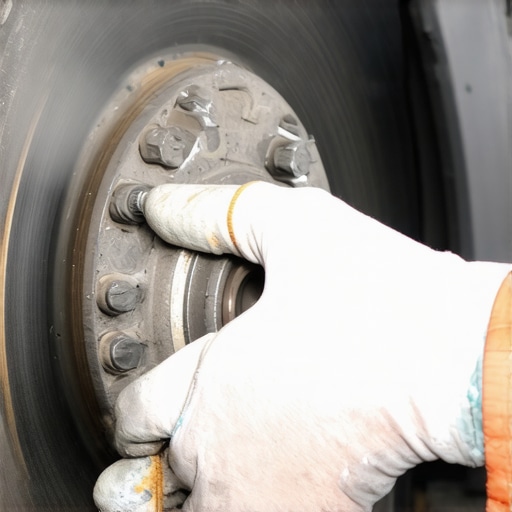
Driving down the road, hearing that high-pitched squeal every time I hit the brakes felt like nails on a chalkboard—and worse, it was embarassing. I remember the lightbulb moment when I finally figured out what was causing that relentless noise. Turns out, many garage visits and expensive repairs later, I discovered a simple, affordable trick that made the squeal disappear almost overnight. If you’re tired of that annoying screech ruining your drives and your peace of mind, you’re in the right place.
The Noise That Drills You Crazy and How to Stop It in Its Tracks
Few things ruin a smooth ride like brake squeal. That shrill, grating noise can strike fear in your heart—especially if you’re worried about costly repairs or worse, dangerous brake failure. But here’s what I learned: sometimes, the fix is surprisingly simple and cost-effective. By applying a bit of anti-seize compound during your brake maintenance, you can prevent that screech from invading your daily commute. I’ll walk you through the step-by-step process based on my experience, so you won’t have to worry about guessing your way through it.
Is Anti-Seize Still Worth the Hype? This Old-Timer Was Skeptical at First
Initially, I was hesitant. I’d heard so many different tips, but I was cautious about using any kind of lubricant near the brake components. My early mistake was trusting the common myth that anti-seize could harm brakes or that it was unnecessary. That’s a mistake I see many make—assuming that brake noise is unavoidable or that professional service is the only solution. The truth is, a small amount of anti-seize can be a real lifesaver, extending the life of your brake parts and keeping the noise at bay.
Studies have shown that improper lubrication can lead to faster wear or even safety risks, which is why proper application is key. Want to find out how I armed myself with the right information and finally conquered the squeal? Stay tuned—what follows is a straightforward, no-nonsense guide to ending brake squeal once and for all.
Applying Anti-Seize to Your Brake Components
My first attempt was messy—wearing gloves, I carefully dabbed a thin layer of anti-seize compound onto the back of the brake pads and the caliper slides, much like spreading moisturizer on rough skin. Using a small brush or just the tip of my finger helped control the application, ensuring I didn’t overload the parts.
Remove the Wheel for Better Access
Secure your vehicle with a jack stand, then loosen and remove the lug nuts. Carefully take off the wheel—think of it like peeling off a tight shoe. This gives you a clear view of the brake assembly, making the application precise and avoiding accidental contamination of the rotor or brake pads.
Identify the Problem Areas
Locate the brake pads, caliper slides, and backing plates. These are common culprits of squealing. Use a wire brush to clean any rust or debris off the contact points—imagine giving your car’s braking system a quick dust-off before applying the anti-seize, similar to cleaning a workspace to prevent interference in the process.
Precise Application Tricks to Prevent Future Noise
Apply the anti-seize sparingly— a little goes a long way. Focus on the metal-to-metal contact points, such as between the back of the brake pad and the caliper piston, or the slide pins. Think of it as lubing the hinges of a squeaky door—just enough to silence the noise, not so much that it attracts dirt or debris.
Reassemble with Care
Put everything back together in reverse order, making sure bolts are torqued to the manufacturer’s specifications (usually found in your vehicle’s manual or online). Tightening is crucial—over-tightening can damage components, similar to overtightening a screw and causing strain.
Test the Fix
Once the wheel is reattached and the lug nuts are torqued properly, lower the vehicle from the jack stand. Gently press the brake pedal a few times to seat the pads. Then, take a test drive—listen carefully. I found that my squeal was gone, and the smooth, quiet braking felt like I had just replaced the pads entirely.
Extend the Benefits with Regular Maintenance
Adding a dab of anti-seize during routine brake inspections prevents future squeals. Over time, rust and dirt can cause similar noise issues, which come back if neglected. Regular checkups, like at your local shop, can save money and keep your vehicle performing like new. Need help maintaining your car? Check out this guide to tune-ups for expert tips.
Watch Out for Common Mistakes
Don’t overapply anti-seize—excess can contaminate your rotors, reducing braking efficiency. Also, avoid applying it to the friction surfaces or the brake pads themselves, which could compromise safety. Think of it as seasoning your food—less is often more, and careful application makes all the difference.
Keep Brakes Quiet Long-Term
Remember, anti-seize isn’t a one-and-done remedy. Regular inspections and proper assembly are essential. If squealing persists despite your efforts, it might indicate other issues, such as warped rotors or worn-out pads. For an in-depth diagnosis, consider reaching out via contact us for expert advice.
When it comes to regular auto maintenance, many car owners cling to myths that can lead to costly mistakes or even safety hazards. One widespread misconception is that all transmission services are unnecessary unless there’s a noticeable problem. In reality, neglecting proactive transmission overhauls, as explained in this detailed guide, can double your repair bills down the line, underscoring the importance of timely service. Moreover, some believe that a quick oil change suffices for engine health, but expert insights reveal that comprehensive tune-ups include inspecting ignition components, filters, and fluid levels for optimal performance.Maintaining your vehicle’s performance over time requires the right tools and a strategic approach. When it comes to auto repairs and tune-ups, I rely on a set of specific equipment that ensures precision and efficiency. For instance, my goto tool is a digital torque wrench, which I use to tighten bolts to manufacturer specifications without risking over-tightening or damage. This small investment pays off by preventing costly repairs down the line and extending the lifespan of components like your transmission and brakes. Additionally, I recommend a quality ECU scanner, such as the BlueDriver Bluetooth Pro, which connects to your smartphone and provides real-time diagnostics. This allows me to identify potential issues early, especially with complex systems like transmissions or collision fixers, saving money and time in the long run.
How do I maintain car systems over time? How do I keep my transmission healthy? Regular fluid changes are critical, especially for automatics, which is why I schedule a flush every 30,000 miles. You can learn more about the long-term benefits of transmission overhauls in our detailed guide—click here. For ongoing maintenance, I also set calendar reminders to inspect belts, hoses, and filters every 10,000 miles, ensuring issues like worn-out timing belts or clogged air filters don’t escalate into costly repairs. The trend in auto maintenance is shifting towards predictive diagnostics, which means adopting tools that analyze data rather than just reacting to problems. In the future, integrating AI-based predictive software into your routine will enable even more proactive repairs, keeping your car running smoothly and safely.
One advanced trick I recommend for enthusiasts is utilizing an infrared thermometer to check the temperature of your radiator, transmission lines, or exhaust components during a drive. Spotting abnormal temperature spikes early can prevent overheating parts from prematurely failing. Give this a try during your next roadside check, and see how minor adjustments can make a big difference in longevity. Properly maintaining your vehicle isn’t just about quick fixes; it’s a commitment to long-term performance. For personalized advice tailored to your car’s needs, don’t hesitate to reach out via contact us or explore more car care tips on our site. Consistent, informed maintenance not only preserves your car’s value but ensures safety and reliability on every journey.
Little Secrets That Changed My Approach to Car Maintenance
One of the most impactful lessons I learned was that seemingly complex issues often have straightforward solutions—like applying anti-seize to prevent brake squeal. This taught me to look beyond the surface and explore simple remedies before diving into costly fixes, saving me both time and money.
Tools and Resources That Make Auto Care Easier
Investing in a quality digital torque wrench and an ECU scanner transformed how I maintain my vehicle. These tools provide precision and early diagnostics, empowering me to catch problems early and extend my car’s lifespan. Trusting in reputable sources like this guide on transmission overhauls has also been invaluable for deepening my understanding.
Take Control and Keep Your Car Whisper-Quiet
Applying a bit of anti-seize during routine brake checks can prevent squeals and prolong component life. Remember, regular inspections, proper application, and using the right tools are your best allies in auto care. Don’t wait for noise to become a problem—proactive maintenance keeps your drives smooth and silent.
Have you ever discovered a simple fix that made a big difference in your car’s performance? Share your experiences below and let’s swap tips for better auto care!