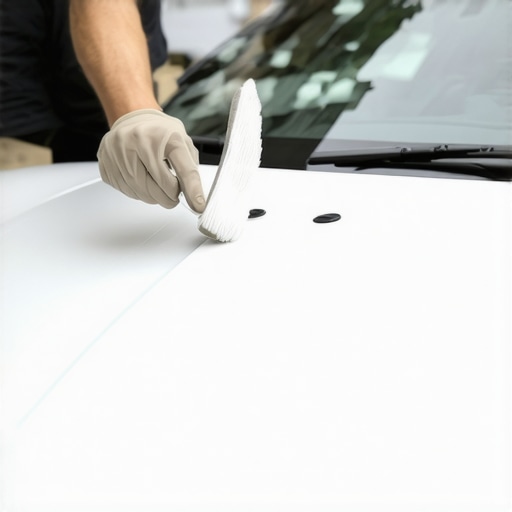
It was one of those mornings—rain pouring, car parked outside, and I noticed it. The once sleek, glossy surface of my vehicle was now a patchwork of peeling, dull spots. I felt a sinking feeling in my stomach. I knew that if I didn’t fix it soon, the damage could become worse, costing me hundreds in repairs. That lightbulb moment made me realize: I needed an easy, effective way to tackle this issue without spending a fortune or risking more damage.
Why Peeling Clear Coat Can Feel Like a Car Owner’s Nightmare
Have you ever looked at your car and been hit with a wave of frustration because the clear coat is peeling? You’re not alone. This common problem can make even the most beautiful paint job look dull and neglected. The clear coat acts like a protective shield, guarding your vehicle’s paint from UV rays, scratches, and environmental pollutants. When it starts peeling, you’re exposing the underlying layers—making your car vulnerable to further damage and devaluing your investment.
But here’s the thing—this issue doesn’t have to spiral into a costly repaint or professional re-spray. In fact, with a few simple steps, you can restore that shiny finish and extend the life of your car’s exterior. Today, I promise to share a straightforward method I used—one that doesn’t require fancy tools or high-tech equipment—just a little patience and know-how.
Is Fixing Peeling Clear Coat Actually Worth the Effort?
I remember rushing into a quick fix early on, only to make costly mistakes that worsened the damage. That mistake taught me the importance of understanding the root cause before jumping into repairs. Many car owners worry that DIY fixes won’t last or might ruin their paint, but trust me—properly done, this approach can be surprisingly durable. If you’re tired of looking at that peeling mess and unsure whether it’s worth tackling yourself, you’re in the right place.
Interestingly, neglecting peeling clear coat can lead to more serious issues, like rust formation, which can compromise your car’s structural integrity. According to automotive experts, maintaining your vehicle’s protective layers is crucial for preserving its value over time (source).
Now, let’s dive into the simple steps that can help you fix that peeling, restore your car’s shine, and keep it looking its best for years to come. Ready to get your hands dirty? Let’s go!
Prep Your Workspace and Gather Materials
Start by parking your car in a shaded, dust-free area to prevent debris from settling on wet surfaces. Equip yourself with sandpaper (600 and 1500 grit), automotive masking tape, a clean microfiber cloth, a dual-action polisher (optional but helpful), primer, clear coat spray, and car wax for finishing. This setup will ensure a smooth repair process and lasting results.
Protect Surrounding Areas
Use masking tape and plastic sheeting to cover windows, trim, and rubber parts. This prevents overspray and keeps your repair clean. Think of it like masking the edges before repainting a wall—precision counts.
Remove the Peeling Clear Coat
Using a clean microfiber cloth, wipe down the area to remove dirt and grease. Lightly wet-sand the peeling sections with 600 grit sandpaper. Apply gentle, even pressure, much like sanding a rough piece of wood. The goal is to feather the edges without damaging the base paint. I once used a dual-action polisher for this step, which sped up the process and minimized uneven sanding—much like using a power sander on wood.
If you encounter stubborn spots, switch to 1500 grit sandpaper for finer smoothing. Remember, patience is key—rushing can cause inconsistencies or thin out the original paint.
Feather the Edges for a Seamless Blend
After rough sanding, switch back to 1500 grit to create a smooth transition between sanded and unsanded areas. This step is crucial to prevent visible edges after painting, similar to blending the edges of a patch in drywall.
Prime and Reapply Clear Coat
Wipe the area with a clean, damp cloth to remove dust. Lightly spray a thin layer of primer if the exposed surface is raw metal or damaged paint. Let it dry according to manufacturer instructions. Once primed, apply the clear coat spray in multiple light coats—each about 10-15 minutes apart. Hold the spray can approximately 12 inches from the surface, moving in a steady, side-to-side motion—like drawing slow, consistent strokes. I learned that multiple thin coats produce a more even and durable finish than a single thick layer, much like applying multiple light coats of varnish on furniture.
Allow Proper Curing Time
Let the clear coat cure fully—usually 24 hours—before washing or exposing the car to harsh weather. This ensures the new layer bonds correctly and withstands environmental factors, similar to letting paint dry before handling a freshly painted wall.
Polish and Protect the Surface
Once cured, use a dual-action polisher or hand-polish to blend the new clear coat with the existing paint for a uniform shine. Finish with a quality wax or sealant to protect your work. Regular maintenance, like scheduled tune-ups (more info here), can prolong your car’s impeccable appearance and structural integrity.
Remember, this process isn’t just about aesthetics; maintaining the protective clear coat prevents rust and corrosion, extending your vehicle’s life. With patience and precision, you can turn a messy peel into a glossy, protected surface that looks years younger—saving money and boosting confidence every time you take a glance at your shining vehicle.
Many car owners operate under misconceptions about transmission, collision repair, tune-ups, and general vehicle service, often leading to costly mistakes. Let’s dig deeper into the nuances that most people overlook, which can make a significant difference in maintaining your vehicle’s longevity and performance.
Why Do So Many Beliefs About Transmission Repairs Miss the Mark?
Contrary to popular belief, a complete transmission overhaul isn’t always necessary at the first sign of trouble. Often, subtle issues like contaminated fluid or worn-out sensors are the culprits, which can be addressed with targeted repairs. Rushing into a costly overhaul can be avoided if you understand that modern transmission systems include complex diagnostics that help pinpoint problems more precisely. According to expert insights, preventive maintenance like regular fluid changes and diagnostics can extend your transmission’s life significantly.
The Hidden Dangers of Overlooking Small Collisions and Minor Damages
Many believe that minor dents or paint chips from a fender-bender aren’t worth fixing immediately. However, even small collisions can lead to hidden structural damages or frame misalignment over time. These issues might not be visible but can accelerate component wear and compromise safety. Overlooking them sometimes results in higher repair costs later, especially if rust or frame integrity is affected. It’s a common trap to ignore these signs, but proactive collision repair ensures your car remains safe and durable. For nuanced insights, check out collision repair myths.
Why Routine Tune-Ups Are More Than Just Oil Changes
The misconception that tune-ups are only about changing oil persists. However, comprehensive tune-ups involve checking and replacing spark plugs, air filters, fluids, and inspecting vital components like the fuel injectors and ignition system. Skipping these steps can lead to decreased fuel efficiency and unexpected breakdowns. Advanced diagnostics during tune-ups detect issues before they escalate, saving you money long-term. Regular tune-ups, as detailed here, are vital to maintaining optimal performance.
Making Sense of Car Service: The Tech and The Myths
Car service isn’t just about following a set schedule; it’s about understanding what your vehicle specifically needs. Many owners rely solely on mileage or time intervals without considering driving habits or environmental conditions. Modern vehicles incorporate sensors that monitor component health, but these can be ignored if owners aren’t attentive. Additionally, some believe that expensive service equals quality, which isn’t always true. Using reputable shops and understanding your car’s service requirements ensures better longevity. Related tips are available at essential service tips.
Advanced Insights: How Sometimes Fixing the Small Details Saves Big Money
It’s easy to focus on major repairs but overlook small, overlooked issues like faulty ground wires or worn sensors. These seemingly minor problems can cause symptoms that mimic larger failures, leading to unnecessary repairs if misdiagnosed. For instance, a simple ground wire connection issue might cause dashboard flickering or sensor errors, which can be quickly fixed and prevent more complex electronic failures here. Recognizing and addressing these hidden nuances can save hundreds of dollars and extend your vehicle’s lifespan.
Mastering the Art of Car Maintenance with Effective Tools
Maintaining your vehicle over the long haul requires more than just basic knowledge—it’s about using the right tools and techniques to ensure durability and performance. Personally, I rely heavily on a few specialized pieces of equipment that have consistently helped me catch issues early and perform quality repairs at home. One such tool is a dual-action polisher. Unlike traditional buffers, this device offers a gentle, consistent motion that minimizes the risk of burning through your paint or creating uneven surfaces. I use mine regularly to blend new clear coats after touch-ups, ensuring a seamless finish that rivals professional results.
Another essential is a OBD-II scanner. Advances in vehicle diagnostics have made it possible for enthusiasts and DIYers to read and reset error codes with precision. I prefer models that offer live data streaming because it allows me to monitor engine parameters in real time. This practice is invaluable for catching problems like misfires, sensor failures, or fluid anomalies before they escalate.
When it comes to routine maintenance, a precision torque wrench helps prevent over-tightening or under-tightening bolts, which can lead to leaks or component failure. I always check the torque specs in my vehicle’s manual and verify my work with a high-quality wrench, saving me from future headaches or costly repairs.
What do I predict for the future of auto repair tools?
Looking ahead, I believe the integration of smart diagnostics and AI-powered repair guides will revolutionize how we maintain our vehicles. Imagine an app that not only reads your error codes but also recommends exact steps tailored to your car’s make and model, possibly even guiding you through each step via augmented reality. The DIY auto repair community is primed for this shift, making car maintenance more accessible and less intimidating.
How do I stay on top of maintenance over time?
Consistent checks are crucial. Set a schedule to review your vehicle’s fluids, filters, and crucial components periodically. Use diagnostic tools proactively rather than reactively—this approach helps in identifying issues like worn-out wheel bearings or failing sensors early (more tips here). Remember, regular maintenance isn’t just about avoiding breakdowns; it extends the life of your components and maintains optimal performance.
If you’re serious about keeping your car in top shape, I recommend trying out a pressure brake bleeder. It allows you to bleed your brakes efficiently and safely at home, saving time and money. This small investment can make a big difference in maintaining your safety and vehicle responsiveness — especially as your brake components wear over time.
As transmission systems become increasingly sophisticated, the use of diagnostic software like OBD-II modules with enhanced capabilities will become standard for DIY enthusiasts. This trend points toward a future where comprehensive, user-friendly repair tech enables everyone to uphold their vehicle’s health without heavy reliance on professional garages.
Ready to take control of your vehicle’s health?
Start by investing in a reliable OBD-II scanner and familiarize yourself with its features. Using these tools not only enhances your understanding but empowers you to diagnose issues early, potentially saving hundreds in repairs. Staying ahead with good tools is the key to keeping your car running smoothly for years to come.
Lessons That Changed My Approach to Car Maintenance
One of the most valuable lessons I encountered was understanding that not every issue screams for a professional fix. Sometimes, small problems like minor paint peeling or a sluggish transmission can be tackled with patience and the right tools. I discovered that rushing into costly repairs without proper diagnosis often leads to unnecessary expenses, a fact I wish I’d learned sooner. Investing time in learning about your vehicle empowers you to make informed decisions and saves money in the long run.
Another insight was realizing the importance of routine maintenance—it’s less about reacting to breakdowns and more about preventing them. Regular tune-ups and diagnostics, especially with advanced tools like OBD-II scanners, can catch issues well before they escalate. This proactive mindset has transformed my perspective on vehicle longevity, reminding me that consistent care beats repair chaos.
Additionally, I came to appreciate the value of quality materials and proper technique when performing DIY tasks. For example, applying multiple thin coats of clear coat or using high-grit sandpaper ensures a durable, professional-looking finish. Small details like these make a significant difference, reinforcing that patience and precision are the true keys to successful car repairs.
Tools That Revolutionized My Maintenance Routine
My essential toolkit includes a reliable OBD-II scanner, which allows me to read codes and monitor real-time data, helping me diagnose issues early. The dual-action polisher has been invaluable for blending touch-up paint and clear coats, achieving professional-looking results at home. Additionally, a pressure brake bleeder simplified brake maintenance, ensuring safety and optimal performance. Trusting these tools has boosted my confidence and competence in auto repair tasks.
Books like Maximize Your Car’s Lifespan with Regular Tune-Ups have deepened my understanding of maintenance schedules and the importance of tailored care. Following expert advice from reputable sources ensures you’re not just fixing problems but preventing them, leading to a smoother, safer ride.
Let Your Automotive Journey Begin Today
Taking control of your vehicle’s health is empowering and can be rewarding when you see your efforts pay off. Don’t wait for a breakdown to motivate action—start small, learn, and build your skills gradually. Remember, every repair or maintenance check is an investment in your vehicle’s future and your peace of mind. As someone who has walked this path, I encourage you to embrace the learning process—your car will thank you for it.
What’s the first step you’re excited to try in your auto maintenance journey? Share your thoughts below and let’s grow together in mastering vehicle care!