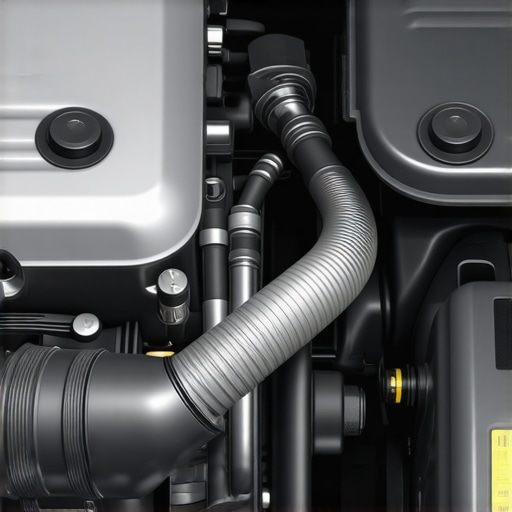
Ever been cruising along, feeling the smooth hum of your engine suddenly falter, sputtering like an out-of-tune guitar? I’ve been there. One day, my engine started bucking at stoplights, and I thought, “Great, another expensive fix on my hands.” Turns out, a tiny, $5 vacuum hose was to blame for making my engine idle rough—who knew such a small part could throw off the entire engine performance?
Why Overlooking a Cheap Vacuum Hose Can Cost You More
It’s easy to dismiss a flimsy vacuum hose as insignificant, especially when it costs less than your favorite takeout meal. But I learned that ignoring these small vacuum leaks can lead to bigger issues—rough idling, poor fuel economy, and even engine stalling. And let’s be honest, nobody wants to be stranded on the side of the road because of a hose that costs less than a cup of coffee. In fact, according to automotive experts, vacuum leaks are responsible for about 20% of engine performance problems, costing car owners hundreds in unnecessary repairs if not caught early. You can find more about maintaining your vehicle’s health at regular tune-ups.
Is a $5 Vacuum Hose Really Worth the Hype?
Initially, I couldn’t believe that such a small part could cause so much chaos. My mistake was assuming it was just a minor detail, so I never bothered to replace it until the engine started acting up. Don’t repeat my mistake—pay attention to these tiny but mighty parts. Today, I’ll walk you through how to identify and fix this common culprit, saving you money and preventing future headaches. Ready to get your engine running smoothly again?
Identify the Vacuum Hose That’s Causing Trouble
Start by locating your vehicle’s vacuum hose, which is typically a rubber tube connecting the intake manifold to various engine components. During my own experience, I noticed a hissing sound near the engine bay while idling, indicating a potential leak. To confirm, I used a smoke machine or a simple soapy water spray around the suspect area; bubbling confirms a leak. Recognizing the damaged hose allows you to focus your repair efforts effectively.
Gather Necessary Tools and Replacement Parts
Prepare by gathering a new vacuum hose of the correct size and length, a pair of wire cutters or scissors, and gloves. Remember, using the exact replacement ensures compatibility and prevents future problems. Making sure you have all tools prepped speeds up the process and helps avoid multiple trips to the auto parts store.
Remove the Damaged Hose Carefully
Loosen or disconnect the clamps holding the faulty hose using pliers. Pull gently to detach it from fittings, avoiding excessive force that might damage nearby components. In my case, I pried off the clamp, which was a bit stubborn, leading to a small tear—so I took my time and replaced the clamp for better sealing afterward.
Install the New Vacuum Hose with Precision
Cut the new hose to match the length of the old one. Slide it onto the fittings, ensuring it’s seated fully and clamp it tightly with new or existing clamps. I once mistakenly left the hose slightly loose, which caused rough idling again. Double-checking connections ensures the leak is truly fixed.
Test the Repair to Confirm Success
Start your engine and observe for any hissing sounds or leaks. Using a diagnostic scan tool to check for vacuum leaks can provide peace of mind. During my initial attempt, I noticed the engine ran smoother after the replacement; in cases where issues persist, revisiting the connections or seeking professional help is advisable here.
Prevent Future Vacuum Leaks with Routine Checks
Regularly inspecting your vacuum lines, especially in hot or cold weather, can prolong their lifespan. This simple maintenance step prevents unexpected breakdowns and keeps your engine performing at its best. For comprehensive tips on vehicle maintenance, visit this guide.
 Many car owners operate under the false belief that regular tune-ups are unnecessary or that once a vehicle runs smoothly, it needs no further attention. However, as an automotive expert, I can tell you that this mindset overlooks the nuanced realities of vehicle maintenance. For instance, some believe that only major repairs require professional intervention, but routine services like transmission checks and engine diagnostics can prevent costly breakdowns down the line. One common myth is that cheap parts or DIY fixes are always sufficient; in truth, cutting corners often leads to more expenses and safety risks. For example, neglecting subtle signs of transmission wear might seem harmless initially but can escalate into complete transmission failure if not addressed early. Excessive reliance on generic repair advice can be dangerous—it’s crucial to seek guidance from qualified technicians who understand the intricate workings of modern vehicles. An insightful study by the Automotive Service Association highlights that proactive maintenance reduces unexpected breakdowns by 50%, saving you money and stress. The key is recognizing that car care involves understanding advanced nuances, such as the impact of fluid quality on transmission longevity or how minor sensor issues can cause significant drivability problems. Always ask yourself whether you’re addressing symptoms or root causes when scheduling service. Want to learn more about avoiding costly mistakes? Visit here for in-depth insights. And don’t forget, regular maintenance isn’t just about repairs—it’s a vital part of maximizing your vehicle’s lifespan. For comprehensive tips on car service, explore this guide. Have you ever fallen into this trap? Let me know in the comments.
Maintaining your vehicle’s performance over the long haul requires more than just periodic visits to the mechanic. Having the right tools and a solid maintenance routine can make all the difference in preventing costly repairs and ensuring your car runs smoothly for years to come.
Invest in Quality Diagnostic Equipment
One of the most valuable investments for any car owner serious about maintenance is a reliable OBD-II scanner. Personally, I use the BlueDriver scanner because it pairs effortlessly with my smartphone and provides detailed fault codes that go beyond generic error messages. This allows me to identify issues like transmission sensor faults or engine misfires early, before they escalate. Additionally, software updates ensure the scanner stays current with new vehicle models, enhancing its diagnostic capabilities. As automotive experts emphasize, proactive diagnostics can save hundreds by catching problems early here.
Utilize Specialized Hand Tools for Precision Repairs
For hands-on maintenance, I rely on a selection of precision tools like a stainless steel pick-set for gasket removal and a torque wrench calibrated to manufacturer specs. These tools allow me to perform tasks such as replacing transmission fluid filters or tightening head bolts without risking damage to delicate components. Investing in quality, ergonomically designed tools reduces effort and increases repair accuracy. Remember, using the correct tools—like a professional brake bleeder—ensures safety and effectiveness in ongoing maintenance tasks.
Schedule Routine Checks to Prevent Major Failures
Consistent inspections of key systems such as the transmission, cooling system, and braking components are vital. I set reminders to check fluid levels and inspect belts every 5,000 miles. For example, regularly monitoring your transmission fluid, as outlined in this guide, can prevent slipping or overheating. These routine checks are simple but impactful, often catching wear before it leads to breakdowns or costly overhauls.
How do I maintain effective car tools over time?
Proper storage and regular calibration are key. Keep your tools in a dedicated toolbox, away from moisture and extreme temperatures. Periodically inspect and clean delicate instruments like your torque wrench, and replace worn bits or calibration if needed. Maintaining your tools with this level of care guarantees their accuracy and longevity, making future repairs smoother and more reliable.
Looking Ahead: The Future of Car Maintenance Tools
The automotive landscape is rapidly evolving with the integration of AI diagnostics, remote monitoring, and advanced software. As technology advances, expect to see smarter, more connected devices that can predict failures before symptoms manifest. Staying ahead means embracing these innovations—such as cloud-based diagnostic platforms—early in your maintenance routine.
Over the years, I’ve discovered that the true key to a reliable, long-lasting vehicle isn’t just about big repairs or flashy upgrades—it’s about mastering the nuances that often go unnoticed. Small parts, precise tools, and routine checks form the backbone of keeping your car running smoothly. Every time I skip a minor inspection or overlook a tiny vacuum hose, I learn the hard way how overlooked details can snowball into costly repairs. These lessons have reshaped my approach, reminding me that in auto care, as in life, paying attention to the little things yields big rewards.
What My Garage Taught Me About Staying Ahead of Car Troubles
- Don’t Ignore the Tiny Signs: A hissing sound or a slight drop in fuel efficiency often signals a vacuum leak or other subtle issues. Addressing these early can save you from major headaches down the line. For instance, consistently inspecting your vacuum lines can prevent rough idling and improve engine performance. Regular tune-ups are your first defense against unexpected breakdowns.
- Invest in Quality Tools and Replacement Parts: Using the right size hose or a calibrated torque wrench makes all the difference. The satisfaction of a job well done, with a guaranteed fix, often hinges on choosing quality tools. Trustworthy diagnostic scanners like the BlueDriver can reveal hidden issues before they manifest as costly repairs. This proactive approach emphasizes that good maintenance is both an art and a science.
- Routine Checks Are Your Best Friend: Setting reminders for fluid, belt, and hose inspections can extend your vehicle’s lifespan. Remember, catching a small crack early, just like a tiny leak, can prevent the need for an entire transmission overhaul. Discover more maintenance strategies in this comprehensive guide.
My Go-To Resources for Reliable Car Care
- Tools That Make the Difference: The 30-piece tool kit I use covers every repair need, from replacing hoses to tightening belts. Investing in quality tools empowers you to handle most issues confidently.
- Trusted Reading Material: Books like Automotive Repair for Dummies have been my trusty companions, demystifying complex repairs into approachable steps. Such resources help me understand the ‘why’ behind every fix, making me a better, safer DIYer.
- Expert Guidance Online: Follow industry blogs and official vehicle maintenance sites for up-to-date advice. The collisionfixer.com platform offers insights that keep my skills sharp and my vehicle secure.
Every Step Counts — Your Next Move Awaits
Taking control of your car’s health transforms the daunting into the manageable. Remember, every small tune-up, every tool you acquire, and every routine check brings you closer to worry-free driving. Your vehicle’s longevity is in your hands—embrace the knowledge, invest wisely, and enjoy the road ahead with confidence. You’ve got this!
Have you ever skipped a routine check that turned into a costly repair? Share your story below, and let’s learn from each other’s experiences!
,