Have you ever been cruising down the road, only to suddenly experience a rough idle or engine stalling that leaves you frustrated and perplexed? I remember that sinking feeling all too well—the car jerking unexpectedly, falling silent right in the middle of traffic. It’s a moment that makes you question everything about your vehicle’s health, especially when it seems like such a tiny issue could be behind such a big problem.
Why Small Parts Can Bring Big Troubles to Your Engine
Sometimes, the most ordinary-looking components in your engine are the culprits behind stalling or rough idling. And trust me, these parts can cost less than the price of a fancy coffee—often just around twenty dollars. But their impact? It’s enormous. Early on, I made a mistake by neglecting a small sensor that I thought was insignificant. Turns out, ignoring a simple $20 part cost me hundreds in repairs down the line because I didn’t catch it early enough. That mistake taught me the importance of inspecting the little details, especially those so-called budget-friendly parts that can make or break your engine’s smooth running.
Could a tiny part really cause your car to stall?
Absolutely. The part in question is often overlooked—yet it plays a vital role in your engine’s performance. When that component malfunctions, your engine can misfire, stall, or run unevenly, leading to uncomfortable and potentially dangerous driving conditions. How do I know? Because I’ve been there. That’s why I want to share what I’ve learned about this small but mighty part, so you won’t end up stranded because of a $20 fix.
Check the Sensor Connections First
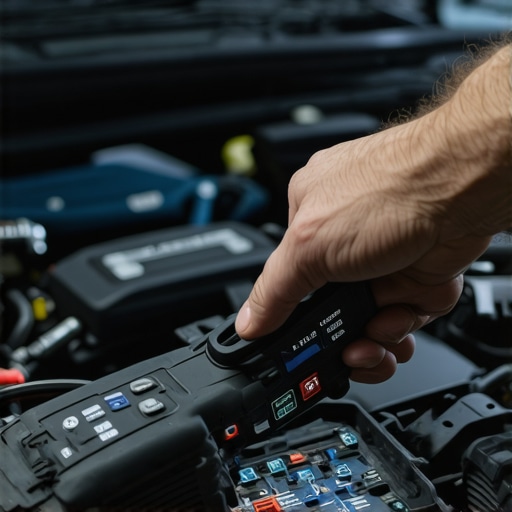
Begin with inspecting the sensors linked to your engine’s performance, especially the mass airflow sensor and throttle position sensor. Disconnect the battery, then carefully unplug the connectors, looking for corrosion or damage. Use a voltmeter to test the sensor’s voltage output against manufacturer specifications. I once found a loose connector causing erratic idling; securing it instantly restored smoothness.
Test the Small but Critical Components
Focus on components like the idle air control valve, which manages idling speed, and the fuel pressure regulator. Remove the valve and clean it with carburetor cleaner if clogged. For the fuel regulator, connect a fuel pressure gauge to see if pressure stays within specs. I replaced a clogged idle air control valve, which eliminated my stalling problem overnight.
Verify the Vacuum Lines and Hoses
Cracked or disconnected vacuum hoses can cause air leaks leading to rough idle. Visually inspect all hoses for cracks, tears, or loose clamps. Use your finger to check for hissing sounds indicating leaks. I once used a stream of carburetor cleaner around hoses; a sudden rpm drop signaled a leak, which I patched immediately.
Scan for Diagnostic Trouble Codes
Connect an OBD-II scanner to your vehicle’s port. Look for codes related to sensors or emissions. Clear the codes after noting them, then drive to see if they recur. I caught a misfire code indicating a bad sensor, replaced it, and saw my engine run smoothly again.
Inspect the Ignition System and Spark Plugs
Remove spark plugs and examine their condition. Worn or fouled plugs can cause misfires. Use a spark tester to ensure proper ignition voltage. I replaced old spark plugs and wires, which drastically improved my engine’s idle stability.
Examine Fuel Delivery and Filter
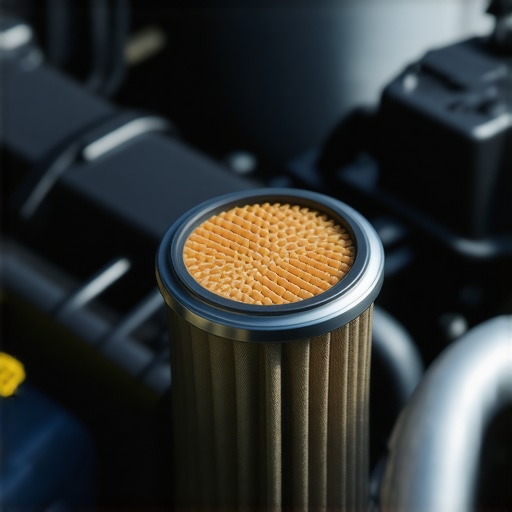
Ensure the fuel pump delivers enough pressure and the filter isn’t clogged. Replace the fuel filter if dirty. During my routine check, a clogged filter was reducing fuel flow, causing stalling. Replacing it fixed the problem immediately.
Perform Routine Maintenance
Regularly replace air filters, spark plugs, and perform coolant flushes to keep sensors cool and functioning properly. Upgrading these parts prevents minor issues from escalating. I schedule bi-annual tune-ups, which help catch problems early and extend my vehicle’s lifespan.
Know When to Seek Expert Help
If after these steps your car still stalls or idles roughly, it’s wise to consult a professional. Skilled technicians use advanced diagnostic tools to identify elusive faults. Don’t hesitate to reach out for expert assistance before costly repairs develop.
In the world of auto maintenance, there are plenty of misconceptions that can lead even seasoned car owners astray. As a professional with extensive experience, I’ve seen how adherence to popular beliefs sometimes causes more harm than good. Let’s unlock some of the hidden nuances behind car service, collision repairs, transmission maintenance, and tune-ups, so you can approach these areas with genuine insight.
Are You Falling for the Mirages of Cheap Fixes?
Many believe that choosing the lowest-cost service options equals saving money, but in my experience, this is a classic trap. Cheap parts or rushed repairs may seem appealing initially, yet they often lead to repeated visits and bigger expenses down the line. For instance, opting for subpar replacement parts can accelerate wear or even damage vital components like your transmission. This is why it’s crucial to rely on reputable garages performing comprehensive inspections. Check out this guide to understand the importance of quality in repair work.
Another common myth is that all transmission repairs involve costly overhauls. But did you know that in many cases, minor adjustments or fluid changes can extend the life of your transmission significantly? Transmission overhauls are sometimes necessary, but they’re not the only solution. Regularly scheduled tune-ups can prevent many issues before they escalate, saving you money and stress.
Why the Myth of One-Size-Fits-All Car Service Fails
There’s a widespread belief that following a generic service schedule applies universally. In reality, each vehicle has its unique needs based on make, model, driving habits, and environment. For example, a summer driver in hot climates might require more frequent coolant checks, whereas a city dweller might face more brake and suspension wear. Skipping tailored maintenance can void warranties or lead to preventable breakdowns. I recommend always consulting your vehicle’s manual and a trusted technician. For detailed, personalized advice, visit this resource to understand customized care.
Are Quick Fixes Worth the Risk?
Sometimes, a quick patch seems tempting—like patching a leaking radiator hose or topping off oil without fixing the root cause. However, hasty repairs often mask underlying problems, leading to costlier damage later. For example, neglecting a small leak can cause overheating or transmission fluid loss, risking a complete breakdown. It’s essential to recognize when a repair is a Band-Aid versus a genuine fix. Professional diagnostics can uncover the real issue, ensuring your car stays reliable for miles to come. For more on this, see signs you need a professional.
How Do Experts Approach Car Service Differently?
Unlike casual DIY repairs or superficial checks, professional mechanics understand the importance of precision and thoroughness. They invest in advanced diagnostic tools that go beyond basic symptom troubleshooting. For example, reading diagnostic codes and performing detailed system tests can reveal issues hidden to the untrained eye. This methodical approach ensures that repairs are effective and durable, preventing recurring problems. If you’re curious about how to find reputable repair shops, consider reaching out for expert advice.
In summary, understanding the nuances, avoiding common myths, and recognizing the advanced techniques used by professionals can significantly prolong your vehicle’s lifespan and improve safety. Don’t fall into the trap of misconceptions—trust quality, tailored maintenance, and expert diagnostics. Have you ever fallen into this trap? Let me know in the comments and share your experiences!
Keeping Your Car in Prime Condition with the Right Tools
Maintaining a vehicle over the long haul requires more than just knowledge; it demands the right equipment. One tool I personally swear by is a high-quality diagnostic scanner, like the Autel MaxiCOM. This device allows me to read and clear diagnostic trouble codes efficiently, giving immediate insight into anything from sensor misfires to transmission anomalies. Investing in a reliable scanner has saved me countless trips to the mechanic, especially during those obscure issues that don’t show up clearly the first time.
Another essential piece of equipment is a digital multimeter. I use mine to test sensors, troubleshoot wiring issues, and verify voltage outputs, which are critical when checking everything from alternators to fuel injectors. Remember, a multimeter isn’t just for electronics; it’s an invaluable tool for diagnosing complex automotive problems accurately and swiftly.
When it comes to routine maintenance, a quality torque wrench is indispensable. Proper torque specifications, like those for lug nuts or cylinder head bolts, ensure safety and longevity. I prefer a click-type torque wrench because it provides precise, repeatable measurements, preventing overtightening or under-tightening, which can cause long-term damage.
How do I maintain these tools over time?
Regular calibration and cleaning are key. For example, a calibration check on your torque wrench every six months keeps it accurate, while a quick wipe-down after use prevents dirt buildup. Store your diagnostic tools in a cool, dry place to prevent damage to sensitive electronics. Following manufacturer guidelines ensures your tools remain reliable over the years, making long-term maintenance easier and more effective.
The Future of Auto Repair Tools and Methods
Advancements in technology point toward smarter diagnostic systems integrated with cloud-based software, allowing real-time updates and remote diagnostics. Augmented reality (AR) applications are also beginning to emerge, enabling technicians to visualize engine components in 3D during repair, vastly improving precision. Embracing these innovations now will position you for scalable, efficient maintenance routines that adapt to evolving vehicle complexity.
For example, using an OBD-II scanner combined with advanced diagnostic software like CarScanner can provide you with detailed insights that were once accessible only to professionals. This trend toward digital integration reduces diagnostic time and increases repair accuracy, ultimately extending your vehicle’s lifespan and saving money.
Make Smarter Maintenance Choices Today
Start by investing in a quality diagnostic scanner and learning to interpret its readings. This simple upgrade can significantly improve your ability to keep your car running smoothly over time. For tips on optimizing your vehicle’s longevity, check out this guide. Remember, the key to long-term success is possessing the right tools and knowing how to use them effectively. Why not give one of these advanced tools a try today and see the difference it makes in your auto maintenance routine?
What I Didn’t Expect About Maintaining My Car
One of the most valuable lessons I learned was the importance of paying attention to seemingly minor components. Neglecting a small sensor or a simple hose can lead to major issues down the line. This insight taught me to be meticulous and proactive, rather than reactive, when it comes to vehicle upkeep.
Never Overlook the Power of Frontline Tools
Equipping myself with the right diagnostic tools, such as a quality scanner and multimeter, transformed my approach to auto repair. These tools gave me immediate insights and saved countless trips to the mechanic. Investing in technology became an investment in peace of mind and vehicle longevity.
Small Fixes Can Save Big Bucks—If Done Right
Addressing issues early, like cleaning a clogged idle air control valve or replacing a worn-out fuel filter, prevented more extensive damage. I realized that patience and attention can turn minor repairs into significant savings and extended vehicle life.
Don’t Fall for the Cheap Fix Myth
Spending a little extra on quality parts and proper repairs has proven to be more economical in the long run. Cutting corners might seem tempting, but the risks often outweigh the savings, leading to repeated repairs and bigger expenses.
Going Beyond DIY—Knowing When to Seek Help
While many repairs can be DIY, recognizing your limits is crucial. When in doubt, consulting professionals ensures safety and reliability. Establishing a relationship with trusted technicians can make all the difference in maintaining your vehicle’s health.
Curated Resources to Elevate Your Auto Knowledge
- Autel MaxiCOM Scanner: A reliable diagnostic tool trusted for its comprehensive readings, saving me time and money.
- Quality Multimeter: Essential for testing sensors and wiring—it’s a game-changer for accurate troubleshooting.
- Bi-annual Tune-up Schedule: Regular maintenance, like these scheduled check-ups, helps catch issues early and keeps my car running smoothly.
- Summer Driving Tips Guide: Practical advice tailored for seasonal care, ensuring safety and performance throughout the year.
Your Next Step Towards Automotive Confidence
Taking control of your car’s health requires knowledge, the right tools, and a willingness to learn. Start by investing in quality diagnostic equipment and committing to regular maintenance. These small shifts in approach can lead to big benefits—longevity, safety, and financial savings. Are you ready to become more hands-on in your vehicle care? Remember, every expert was once a beginner—what will your first step be? Share your thoughts and experiences below, and let’s learn together!