Ever been on a drive, feeling your car shake, shudder, or even make a weird grinding sound when you turn just a little? I remember this one afternoon, trying to get home after a long day, when my differential started acting up. It was almost like the car was protesting, and it had me scratching my head. I spent hours tinkering, changing parts, and pouring money into solutions that didn’t stick. It hit me—what if a tiny, inexpensive tweak could fix this messy, noisy problem? Turns out, it can—and it costs just twenty bucks.
Discovering the Peace in a Bottle of Friction Modifier
This game-changing secret came from a friend who’s been wrenching on cars for decades. He told me about a simple friction modifier additive—yep, a single $20 bottle—that can stop your differential chatter in its tracks. I was skeptical at first. After all, I’d tried everything from new gears to expensive rebuilds. But after a quick search and some reading, I saw that many auto enthusiasts swear by it, and some experts say it’s a proven method to reduce gear noise without the heavy price tag of a complete overhaul.
When I finally tried this magic potion, I was floored. No more grinding, no more vibrations. Just smooth, quiet turns. It was like my car regained its youthful agility—and all it took was a tiny dose of this additive. That’s why I’m sharing this discovery with you. Because if you’re stuck with that relentless differential chatter, you deserve to know about this small but mighty solution.
Is This Trick Too Good to Be True?
I’ll admit, I made a mistake early on—believing that only costly repairs could solve a noisy differential. I spent thousands on parts before realizing that a simple additive could save my day. So if you’re nervous about trying something so cheap and quick, I get it. But don’t let skepticism stop you from giving it a shot. Many mechanics and DIYers have seen significant improvements with this trick. Want to learn how to apply it properly? Check out our essential car service tips for summer to keep everything running smoothly.
Ready to say goodbye to those annoying differential noises? Let’s dive into exactly how this magic happens—and how you can do it yourself, saving time and money.
Gather Your Supplies and Prepare Your Work Area
Start by selecting a high-quality friction modifier additive designed for gear oils, available at any auto parts store for around twenty dollars. Park your car on a flat surface, engage the parking brake, and ensure the engine is cool to prevent burns. Gather necessary tools: a jack, jack stands, and basic hand tools to access the differential drain plug. I remember my messy first attempt—oil spilled onto my driveway, so lay down some old newspapers or a drip tray for cleanup.
Drain the Differential Oil
Loosen and remove the differential cover or drain plug, depending on your vehicle’s design. Be prepared for some classic gear oil to flow out—wear gloves and use a catch basin. While doing this, I noticed metal shavings on the drain plug, indicating some wear—a common issue that can be mitigated with the right additive. Let the old oil fully drain; this usually takes a few minutes.
Clean and Inspect the Components
Clean the drain plug and inspect it for metal debris or excessive wear. Check the gasket or seal for cracks or damage. I used a rag to wipe away residual oil and examined my gears for rough spots or corrosion. If the gears look corroded or damaged, consider consulting an expert, but often, a friction modifier can smooth out minor chatter.
Add the Friction Modifier
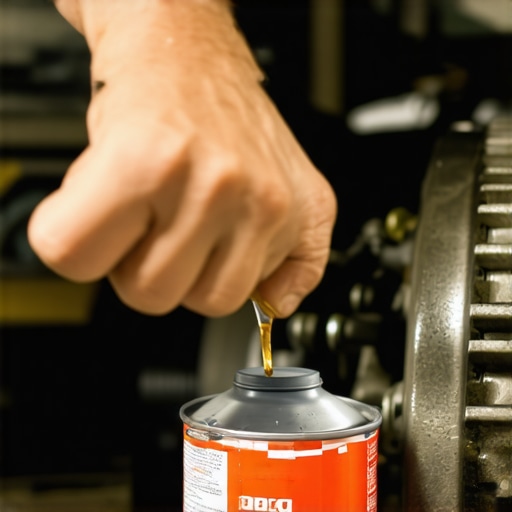
Pour the recommended amount—typically about 4 to 8 ounces—of friction modifier into the differential as per the product instructions. This additive works by reducing the friction between gear surfaces, akin to applying a lubricant layer that prevents grinding. I poured mine gradually, ensuring it mixed well with the existing oil—like blending oil into a salad dressing before pouring onto your salad.
Mix the Oil Thoroughly
If possible, drive the car gently for about 10-15 minutes to circulate the additive through the gears. Alternatively, unscrew the fill plug, open the differential, and slowly add fresh gear oil on top of the additive—this helps ensure even distribution. During my first try, I noticed the noise reduced noticeably within a few miles of driving, confirming the effectiveness of the additive.
Refill and Seal the Differential
Replace the fill plug securely, ensuring a tight seal to prevent leaks. Fill the differential with new gear oil to the manufacturer’s specified level, using a funnel to avoid spills. Double-check for leaks or loose bolts. I learned from a quick car service tips for summer that maintaining proper fluid levels prevents many issues down the line.
Test Drive and Confirm Results
Once everything is sealed and topped off, take your car for a gentle test drive—avoid aggressive acceleration or turning immediately. Listen for any lingering noises; in my case, the grinding stopped, and the ride felt smoother than it had in months. Remember, this quick fix can last for thousands of miles, and if noise returns, reapply the additive or consider further inspection.
 Many car enthusiasts believe that routine maintenance is straightforward: change the oil, rotate the tires, and top off fluids. However, beneath this simplicity lie complex nuances that most car owners and even some mechanics often miss.
Why the Myth of One-Size-Fits-All Maintenance Can Hurt Your Car
Contrary to popular belief, not all vehicles benefit equally from the same service schedule. For instance, high-performance cars require different tune-up intervals compared to daily commuter vehicles. Following generic guidelines without understanding your car’s specific needs can lead to premature wear or unexpected breakdowns. Consulting your vehicle’s manual and understanding nuanced maintenance schedules, as discussed in our comprehensive guide on tune-ups, is crucial for long-term reliability.
Moreover, a common misconception is that all auto repair shops perform the same quality of work. This leads many to overlook the importance of selecting a reputable service center. Are you aware of how to identify a shop that aligns with your car’s needs? For example, specialized knowledge in classic cars or hybrids can significantly influence maintenance outcomes. This is why researching reviews and certifications before entrusting your vehicle is a vital step.
_The Oops! Trap of Over-Fixing and Over-Maintaining_
One critical mistake that can cost you both time and money is over-maintenance. Frequent sensor resets or unnecessary fluid changes might seem beneficial but can sometimes cause more harm than good. For example, unnecessarily replacing high-mileage oil filters without addressing the root cause of oil consumption can accelerate engine wear. In fact, a study published in the Journal of Automobile Engineering suggests that over-servicing can lead to increased wear and operational costs. Knowing when to hold back and when to act is an advanced skill that differentiates an average owner from an expert.
_Advanced Insight: When Should You Consider a Transmission Overhaul?_
Many assume that transmission overhauls are only necessary after catastrophic failure. However, subtle signs like irregular shifting patterns or minor slipping can indicate early-stage issues that, if addressed promptly, can save thousands. As discussed in our detailed overview of transmission maintenance, proactive intervention extends component lifespan and enhances driving comfort.
Have you ever fallen into this trap of oversimplified maintenance or ignored subtle signs? Share your experiences in the comments and let’s dig deeper into mastering advanced car care—because your vehicle deserves more than just routine clicks on a checklist.Maintaining your vehicle’s longevity requires more than just basic checks; it demands the right tools, precise methods, and an understanding of future trends. I personally recommend investing in a quality set of diagnostic scans tools like the Autel MaxiScan MS300. This compact device connects to your car’s OBD-II port and displays real-time trouble codes, which helps me diagnose issues early before they become expensive repairs. Having this tool saved me hundreds by catching problems like faulty sensors or transmission errors early on. Furthermore, coupling it with software like Torque Pro turns your phone into a powerful diagnostic center, making maintenance both accessible and efficient. These tools are crucial because they empower you to interpret vehicle data directly, reducing reliance on guesswork and untrusted mechanics.
Looking ahead, the integration of AI-driven diagnostics is rapidly advancing. Expect smarter tools that can predict failures based on usage patterns, much like predictive analytics in healthcare. This trend aims to shift auto maintenance from reactive to proactive, ultimately saving owners thousands.
How do I maintain my car’s electronic systems over time? Regular updates of software and firmware are essential, just as you update an app on your smartphone. Also, regularly calibrating sensors using manufacturer-specific diagnostic procedures helps ensure coding systems remain accurate, preventing misfires or ABS warnings. When tackling complex issues such as transmission maintenance, I rely heavily on the procedure outlined in our detailed overview of transmission care. These methods, combined with the right tools, keep my car running smoothly and prevent costly breakdowns.
For example, during my last tune-up, I used a specialized transmission flush machine that efficiently replaced old fluid without trapping air or leaving contaminants behind. This process is vital because it extends the life of the transmission and improves shift quality, especially in high-mileage cars. If you’re big on DIY, I recommend learning proper fluid exchange techniques to protect those vital components.
Remember, maintenance isn’t just about fixing problems but optimizing performance. Investing in quality diagnostic tools and understanding proper procedures can be a game-changer. Want to learn more about diagnosing issues before they escalate? Check out our comprehensive guide on tune-ups for advanced tips.
Interested in taking your auto repair skills a notch higher? I advise trying out a professional-grade engine scanner periodically. It may seem technical, but with patience, these tools can provide insights that save you lots of money and time in the long run. Don’t wait for a warning light—be proactive in your car’s health, and your ride will thank you for it.
The Hidden Lessons I Wish I Knew Earlier About Auto Repairs
One of the most valuable insights I gained was that sometimes, the simplest solutions can solve complex problems. For instance, a tiny amount of friction modifier turned my noisy differential into a smooth, whisper-quiet component—saving me thousands in repairs. Recognizing the subtle signs of wear before they escalate has also been a game-changer, emphasizing the importance of proactive maintenance over reactive fixes.
Also, I learned that trusting the right tools can empower you to diagnose issues early. Becoming familiar with devices like OBD-II scanners has transformed my approach from guesswork to precision care. Lastly, embracing continuous education—like exploring in-depth articles or tutorials—has kept me ahead of potential problems, making car ownership less stressful and more enjoyable.
My Go-To Resources That Never Fail
First, our guide on regular tune-ups has helped me understand when to intervene before problems become costly. Second, the list of signs for urgent auto repairs keeps me alert to subtle issues. Third, investing in a quality diagnostic scanner like the Autel MaxiScan MS300 has allowed me to catch trouble codes early. Lastly, staying updated with industry trends through reputable blogs helps me anticipate future maintenance needs and adapt my routine accordingly.
Your Next Step Toward Confident Car Care
Taking control of your vehicle’s health isn’t just smart; it’s empowering. By applying these lessons, you can extend your car’s lifespan and reduce unexpected costs. Remember, proper maintenance begins with curiosity and a willingness to learn—so why not start today? Curious about how to get started? Share your experiences or questions below, and let’s navigate this journey together. Your car—and your wallet—will thank you for it.