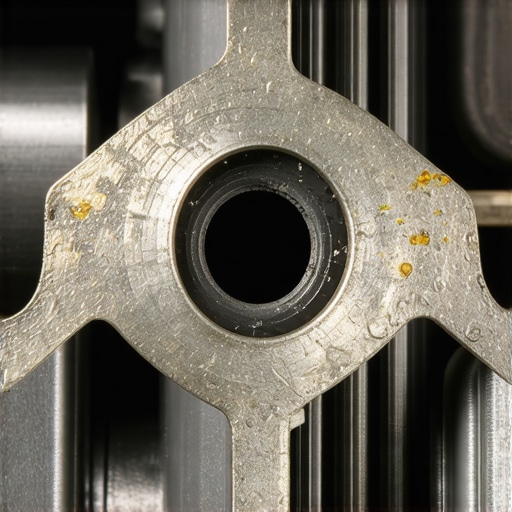
I remember the frustrating moment I discovered oil seeping into my spark plug wells during an urgent tune-up. It was that sinking feeling—thinking I’d have to overhaul the entire engine or suffer the recurring misfire every morning. That lightbulb moment led me down a rabbit hole, and what I found was surprisingly simple yet profoundly impactful. Sometimes, the smallest part can play a massive role in preventing costly repairs. Today, I want to share with you how a tiny $15 gasket became my secret weapon in keeping my engine clean and running smoothly. Trust me, dealing with oil leaks can be a headache, but understanding the role of the gasket that prevents oil from leaking into your spark plugs might just save your day—and your wallet.
Why Black Oil on Your Spark Plugs Is a Sign of More Than Just a Mess
Is a Small Gasket Actually Worth the Hype?
Early in my auto repair journey, I made the mistake of ignoring a seepage that seemed minor. I thought, ‘It’s just a little oil; it’ll burn off.’ But neglecting that tiny leak led to fouled spark plugs and, eventually, more serious engine issues. What’s critical to realize is that this small gasket—often underestimated—serves as a barrier preventing oil from sneaking into places it shouldn’t be. When it fails, oil finds its way into the spark plug wells, causing misfires and over time, serious engine trouble. As a quick side note, regular maintenance and inspection can catch these issues early. For more on the importance of keeping your car in check, explore how [transmission overhauls can save you money in the long run](https://collisionfixer.com/how-transmission-overhauls-save-you-money-in-the-long-run). Remember, the key is catching problems before they escalate, and understanding your engine’s components is vital. Now, let’s dive into how that little gasket works and what to look for when it starts to fail.
Accessing the Spark Plug Wells Carefully
Start by turning off your vehicle and disconnecting the battery to prevent any accidental shorts. Remove the engine cover if necessary, following your vehicle’s manual. Use a spark plug socket and ratchet to carefully loosen the spark plugs, keeping track of their positions to maintain proper ignition timing later. As I did during my first repair, set aside all removed parts in order to streamline reassembly.
Inspecting the Old Gasket and Surrounding Area
After removing the spark plugs, examine the gasket sealing the spark plug wells. Look for signs of deterioration, cracks, or oil buildup around the gasket area. I once found a cracked gasket that looked fine at a glance, but upon closer inspection, it was clearly compromised—leading to persistent leaks. This highlights the importance of thorough visual checks, not just relying on the absence of oil.
Removing the Old Gasket Precisely
Use a plastic scraper or your fingernail to gently pry out the old gasket, taking care not to damage the cylinder head or surrounding components. If the gasket is stubborn, a rubber mallet softly tap near the edges can help loosen it. During my repair, I initially tried to force it out, risking damage, but a careful, patient approach prevented further issues. Clean the area thoroughly with a lint-free cloth and brake cleaner to remove oil residue and dirt, ensuring a good seal for the new gasket.
Installing the New Gasket Correctly
Place the replacement gasket into position, aligning it precisely with the cylinder head and spark plug holes. Double-check the gasket’s orientation to match the manufacturer’s specifications. During my case, I used high-quality gasket material recommended for engine heat. Carefully insert the spark plugs back into their respective wells, tightening the spark plug sockets to manufacturer-recommended torque to prevent leaks or damage. Proper seating of the gasket and plugs is critical for a lasting seal and optimal engine performance.
Sealing and Final Checks
Once everything is reassembled, apply a small amount of engine oil to the spark plug threads before installation to ensure proper torque and prevent seizing. Reconnect the battery and start the engine, listening for leaks or abnormal sounds. A quick inspection with a flashlight revealed oil no longer seeping into the spark plug wells—what a relief! Incorporate regular inspections into your maintenance routine, and check this [collisionfixer guide](https://collisionfixer.com/how-to-stop-your-radiator-from-leaking-without-buying-a-new-one) for advice on preventing other engine leaks. Remember, a small gasket replaced with care can save you from costly repairs down the line.While many car owners believe they understand the basics of auto repairs, there are nuanced misconceptions that can lead to costly mistakes. One common myth is that all tune-ups are equal; in reality, advancements in engine technology mean that standard approaches often fall short. Modern engines require precise diagnostics and tailored maintenance, not just routine part replacements. Ignoring this can result in incomplete service and lingering issues.
What Do Advanced Tune-Up Techniques Actually Do for Your Engine?
Many drivers underestimate the importance of diagnostics that identify underlying problems before performing routine maintenance. For example, scanning for error codes and checking sensor outputs can prevent unnecessary part changes and ensure the engine runs optimally. A 2023 study from automotive experts emphasizes that targeted diagnostics improve engine longevity and fuel efficiency. Skipping this step is like treating symptoms without addressing root causes, which can be an expensive mistake in the long run.
Another trap involves the misconception that all transmission issues are fixed simply by fluid changes. While maintaining clean fluid is essential, some problems stem from internal wear or sensor failures that require expert attention. Relying solely on fluid flushes can mask deeper issues, leading to future breakdowns. Check out how comprehensive transmission overhauls can actually save money over time by providing a thorough fix rather than temporary relief.
Beware of the Pitfall: Using Cheap or Incorrect Parts
Many DIY enthusiasts or budget-conscious car owners fall into the trap of installing subpar components. This practice can compromise safety, lead to rapid wear, and void warranties. Always use manufacturer-approved parts, especially when it comes to critical components like timing belts, spark plugs, and gaskets. Remember, a single cheap part can cause a cascade of failures, costing you far more than the initial savings. For advanced auto care, consider consulting with professionals who use high-quality replacements aligned with your vehicle’s specifications.
When considering auto repairs, remember that superficial fixes rarely solve persistent problems. Make sure your mechanic performs thorough diagnostics and uses genuine parts. Regularly consulting trusted guides and expert advice can help you avoid common pitfalls. For comprehensive insights, explore this wealth of information and prevent small issues from becoming major expenses. Feel free to reach out via our contact page anytime you need personalized advice.
Have you ever fallen into this trap? Let me know in the comments.
Maintaining your vehicle’s performance over time demands the right tools and systematic approaches. Personally, I rely on a digital torque wrench for precise fastener tightening; unlike manual models, it ensures each part is secured correctly, preventing future leaks or component failures. My preferred software is AutoEnginuity’s diagnostics suite—it offers in-depth error code analysis that surpasses generic scan tools, allowing me to identify hidden issues before they escalate. When it comes to physical maintenance, a quality gapping tool is indispensable for setting spark plug gaps accurately, which directly impacts fuel efficiency and engine smoothness. Regular use of a professional-grade multimeter, such as Fluke’s models, helps me verify sensor voltages and electrical connections with confidence. As I continue to refine my approach, I predict that the integration of AI-powered diagnostic systems will become standard, enabling even DIY enthusiasts to perform complex repairs with greater accuracy. To maintain your car effectively over the years, develop a routine that combines high-quality tools, vigilant inspections, and up-to-date knowledge. For instance, checking your transmission fluid’s condition and level periodically can prevent costly overhaul expenses; read this comprehensive guide on how [transmission overhauls can save you money in the long run](https://collisionfixer.com/how-transmission-overhauls-save-you-money-in-the-long-run). When you invest in the right equipment and stay proactive, your vehicle rewards you with reliability and safety. Remember, consistent maintenance isn’t just about fixing problems—it’s about preventing them. Try calibrating your torque wrench before your next repair session to see how precision can improve your work. In the future, advancements like predictive diagnostics will further streamline auto maintenance, making it easier and more accessible for everyone.
The Hidden Lessons from My Car Fixes That Changed My Perspective
- One of the most defining moments was realizing that neglecting minor oil leaks could escalate into major engine problems. That tiny gasket, often overlooked, proved to be a game-changer in my maintenance routine.
- Seeing the intricate design of engine components taught me that attention to detail isn’t just a mechanic’s job—it’s a commitment that saves money and prolongs vehicle life.
- The importance of using quality parts and precise tools became clear when I experienced firsthand how a properly installed gasket can prevent costly misfires and engine damage.
Tools and Resources That Elevated My Auto Care Skills
- AutoEnginuity’s diagnostic suite became my go-to for in-depth error analysis, helping me identify underlying issues early and avoid unnecessary component replacements.
- I swear by a digital torque wrench for accurate fastener tightening, which ensures proper sealing and longevity of your repairs—never underestimate the power of precision.
- Trusted manual and video guides from professional technicians provide invaluable insights for DIY repairs, especially when replacing small but critical parts like gaskets and spark plugs.
- Reading reputable automotive blogs and forums keeps me updated on best practices and emerging repair techniques, making auto maintenance a learning journey rather than a chore.
Your Next Steps in Auto Maintenance Mindset
Taking ownership of your vehicle’s health starts with recognizing the value of every component, no matter how small. The passion and care you invest today will pay dividends with reliable performance tomorrow. Embrace the learning curve, invest in quality tools, and never shy away from seeking expert advice when needed. Remember, being proactive about minor issues like oil seepage can save you from costly repairs and prolong your vehicle’s lifespan. Keep learning, stay curious, and enjoy the journey of becoming your own auto repair hero. Interested in mastering more repair techniques? Dive into our comprehensive guide on how transmission overhauls can save you money and empower yourself for the road ahead.