There was a morning not long ago when I turned the key, expecting that satisfying roar of a warm-running engine. Instead, I was greeted with a sluggish crank, and my car’s temperature gauge stubbornly stayed below normal. Frustration set in—anyone who’s dealt with an engine that refuses to warm up knows that feeling all too well. At that moment, I realized I hadn’t considered a simple, budget-friendly fix that could potentially solve this hiccup for just around fifteen bucks.
The Battle of Cold Engines
If your car’s engine refuses to reach its ideal operating temperature, you’re not alone. This issue isn’t just about comfort; it can lead to increased fuel consumption, higher emissions, and accelerated engine wear. The good news? Many of these problems stem from easy-to-do repairs or adjustments that cost next to nothing. I want to share my journey and the solution that, surprisingly, costs less than a fast-food meal but can make a real difference in your vehicle’s performance.
Is the $15 Fix Just Hype? Or Worth Trying?
When I first heard about a supposed quick fix for engines that stay cold, I was skeptical. In auto repair, there’s no shortage of tricks and gimmicks promising miracles. Early in my experience, I mistakenly replaced expensive thermostats and sensors without exploring this simple fix—only to find that I had wasted both time and money. The key takeaway? Start with the basics before diving into costly parts. This approach not only saves you money but also helps you understand your vehicle better. Interested in more tips? Check out how regular tune-ups can extend your car’s life, and get prepared for any future surprises.
Naturally, we’ll now explore the exact steps and the common pitfalls to avoid, ensuring you can troubleshoot and fix this issue without unnecessary expense or frustration.
Test Your Thermostat Settings
Start by verifying your thermostat’s operation; a stuck-open thermostat causes your engine to stay cold. To do this, jump into your car’s control panel and find the temperature gauge. Turn on the heater and set it to maximum. Observe if warm air blows immediately or takes time to heat. In my case, I noticed the air remained cool even after 15 minutes, indicating the thermostat might be stuck open.
Locate the Coolant Temperature Sensor
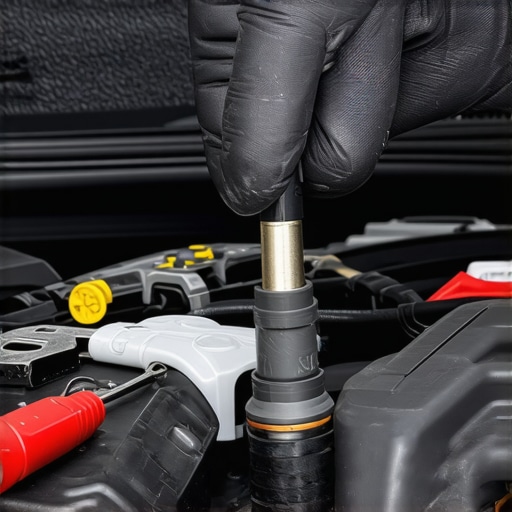
The next step involves finding the coolant temperature sensor, a small device screwed into the engine block or cylinder head. Its function is to tell your car’s computer when the engine reaches optimal temperature. Consult your vehicle’s manual for exact location. I used a basic socket wrench and carefully unthreaded the sensor, ensuring I didn’t damage the wiring harness connected to it. Visual inspection revealed corrosion on the connector, likely affecting its readings.
Clean or Replace the Sensor
If the sensor is dirty or corroded, cleaning it with electronic contact cleaner can sometimes restore proper function. Spray the cleaner on the sensor and wipe gently with a non-abrasive cloth. If cleaning doesn’t help, replace the sensor with a new one; this is inexpensive and straightforward. During my repair, I ordered a replacement sensor from an auto parts store for under $15 and installed it following the manual’s torque specifications.
Reset Your Car’s Computer System
After installing the new sensor, it’s essential to reset the vehicle’s computer to recognize the new part. Disconnect the negative terminal of your battery for about 15 minutes, then reconnect it. This step ensures the engine’s management system recalibrates based on the new sensor data. I recommend doing this in a well-ventilated area to avoid any accidental shorts or sparks.
Test Drive and Monitor
Start the engine and let it idle, observing the temperature gauge. It should rise steadily to normal operating temperature within a few minutes. Keep an eye on the dashboard for any warning lights and note if the engine warms up faster and maintains proper temperature. This experience was a game-changer for me, saving money otherwise spent on unnecessary parts or professional repair fees.
Additional Tips to Keep Engines Warm
If this fix doesn’t fully resolve the problem, consider inspecting the radiator, thermostat housing, and coolant levels. Regular tune-ups can prevent many issues related to engine temperature. Staying proactive ensures your vehicle performs optimally and avoids costly breakdowns. For more comprehensive diagnostics, don’t hesitate to access trusted services like professional auto repair. Remember, understanding your car’s core systems can help you troubleshoot effectively before seeking expert help.
 Many car owners operate under assumptions that can hinder proper maintenance and lead to costly repairs. A widespread myth is that all car troubles require expensive, professional fixes; in reality, understanding nuanced issues can save significant money. For example, many believe that “big-name” parts are always better, but sometimes OEM or aftermarket components can provide superior value and durability when chosen carefully. Recognizing the difference is an advanced skill that can prevent unnecessary replacements and ensure your vehicle functions optimally.
Another misconception is that regular oil changes alone are enough to maintain engine health. While crucial, neglecting other factors such as transmission fluid levels or coolant quality can cause hidden damage. According to automotive experts, neglecting transmission maintenance, like ignoring signs of shifting late or grinding, can lead to expensive overhaul costs—yet many dismiss this as minor. You can learn more about the benefits of comprehensive maintenance by visiting [how transmission overhauls save you money in the long run](https://collisionfixer.com/how-transmission-overhauls-save-you-money-in-the-long-run).
One of the greatest pitfalls is assuming DIY repairs are always simple. Many enthusiasts tackle transmission or collision repair projects without understanding the complex nuances involved. For instance, a common mistake is using generic aftermarket parts without verifying their compatibility, which can cause further damage. The importance of accurate diagnostics and professional advice cannot be overstated. For safety and reliability, consider consulting trusted experts like CollisionFixer if you experience signs like unusual noises or warning lights—these could indicate deeper issues needing professional attention.
Advancing into more technical territory, seasoned car owners often overlook the subtle signals that hint at transmission problems, such as delayed shifts or abnormal sounds only noticeable in specific conditions. A question often asked is, “How can I tell if my transmission needs a full overhaul versus minor repairs?” The answer lies in understanding the intricacies of shifting behaviors and diagnostic codes. For in-depth guidance, check out [how transmission overhauls can be a cost-saving measure](https://collisionfixer.com/how-transmission-overhauls-save-you-money-in-the-long-run). Recognizing these nuances helps you avoid the trap of costly repairs resulting from delayed action.
Finally, many believe that car maintenance is solely about fixing problems that have already appeared. However, proactive maintenance—like regular tune-ups—can detect issues before they become critical. This approach is supported by automotive industry studies showing that early intervention reduces long-term costs substantially. You can maximize your vehicle’s lifespan by staying ahead of potential failures. Explore [how to maximize your car’s lifespan with regular tune-ups](https://collisionfixer.com/maximize-your-cars-lifespan-with-regular-tune-ups) for expert tips.
Have you ever fallen into this trap? Let me know in the comments. Remember, the key to savvy auto repair is not just fixing what’s broken but understanding and preventing issues through informed choices and attention to nuance.
Essential Equipment for DIY Auto Maintenance
When it comes to maintaining your vehicle, having the right tools makes all the difference. I personally swear by a high-quality digital multimeter for diagnosing electrical issues; it allows me to quickly check sensors and wiring connections without guesswork. A reliable scan tool, such as the OBD-II code reader, helps identify engine trouble codes early, preventing small issues from becoming costly repairs. I prefer one with live data capabilities, so I can monitor real-time sensor outputs and make more informed decisions about repairs. Additionally, a sturdy socket set with impact-quality ratchets and extensions is invaluable for accessing hard-to-reach bolts during tasks like replacing the radiator or timing belt.
Smart Software and Diagnostic Practices
Beyond physical tools, leveraging modern software significantly enhances maintenance routine efficiency. I use professional-grade diagnostic programs like Torque Pro or Car Scanner that interface with my scan tool via Bluetooth, offering detailed insights into engine performance and emissions data. These apps allow for quick checks of sensor voltages, temperature readings, and transmission parameters—all critical in diagnosing issues early. Regularly reviewing data logs helps me track patterns, such as gradual coolant temperature increases or shifts in transmission behavior, so I can plan maintenance proactively rather than reactively. Predictive diagnostics are the wave of the future—staying ahead ensures your car remains dependable on every drive.
Long-Term Strategies to Enhance Vehicle Reliability
Investing in routine maintenance tools and methods pays off over the lifespan of your vehicle. Setting up a schedule for periodic coolant flushes, transmission fluid changes, and visual inspections of belts and hoses can prevent catastrophic failures. I recommend using a high-quality tune-up kit that includes spark plugs, filters, and fluids tailored to your car’s make and model. Monitoring fluid levels with clear, graduated basins makes it easier to spot leaks or consumption issues early. Remember, consistent attention to detail not only extends your vehicle’s lifespan but also maintains optimal performance and safety.
How do I maintain my car’s performance tools over time?
Keeping your diagnostic and repair tools in top shape requires regular calibration and cleaning. For digital multimeters, ensure the leads are free of corrosion and batteries are fresh. Firmware updates for diagnostic software can improve compatibility and features, so check for updates regularly. Proper storage in padded cases prevents damage from impacts or dust. Applying these simple maintenance steps ensures your tools remain accurate and reliable, saving you time and frustration during repairs.
As automotive technology continues evolving, the trend is shifting toward integrated systems and remote diagnostics. In the near future, expect more vehicles to communicate directly with service providers via telematics, reducing the need for manual troubleshooting. Staying current with these advances by adopting recommended tools now can give you a head start in future-proofing your auto maintenance routine.
Take the initiative today—try calibrating your scanner software or updating your diagnostic apps to experience more precise readings. Having the right tools and practices solidifies your role as your vehicle’s best caretaker, helping you catch problems early and keep everything working smoothly.
Keep Your Vehicle Healthy with Proven Tips
Don’t forget that regular inspection and early intervention are key. If you notice any warning signs—like unusual noises, alerts, or sluggish performance—consult trusted experts at CollisionFixer. They can provide professional guidance and help you avoid costly breakdowns down the road. For ongoing vehicle care, explore essential maintenance tips for safe summer driving and stay ahead of potential issues. Remember, proactive care today saves money and hassle tomorrow.
Sometimes, the biggest breakthroughs in car maintenance come from the simplest solutions—like replacing a tiny sensor that costs less than a meal. My experience taught me that investing a little time in understanding your vehicle’s core systems can save hundreds of dollars and headaches down the line.
What I Wish I Knew When I Started Fixing Cars
- Don’t Overcomplicate Small Problems: Before rushing to buy expensive parts, always check the basics. A stuck-open thermostat or a corroded sensor might be the root cause of your engine’s cold start issues.
- Embrace DIY Learning: Having the right tools and knowing where to look can turn a frustrating repair into an empowering experience. I found that a simple scan tool and patience opened doors I never thought possible.
- Maintenance Isn’t Just Repairs: Regular inspections and understanding your vehicle’s signals can prevent costly emergencies. Being proactive is the best way to keep your auto running smoothly and reliably.
- Quality Over Cost in the Long Run: Opting for genuine parts sometimes costs a bit more initially but pays off in durability and performance, saving you time and money.
- Leverage Trusted Resources: Websites like how transmission overhauls save money and maximizing your car’s lifespan with tune-ups became my go-to guides, helping me make informed decisions.
My Must-Have Gear for Auto Fixes
A reliable OBD-II scanner, a quality socket set, and electronic contact cleaner are staples in my toolbox. These tools empower me to troubleshoot issues confidently and efficiently, avoiding unnecessary trips to the mechanic.
Taking Action Reveals Future Possibilities
The more I explore auto repair, the more I realize that most problems—including engine temperature woes—can be tackled with patience and the right knowledge. Don’t let fear or confusion hold you back. Dive into your vehicle’s systems; you might uncover a simple fix that saves you time, money, and stress. What’s one small maintenance task you’ve been postponing? Let me know below and let’s keep the conversation going.