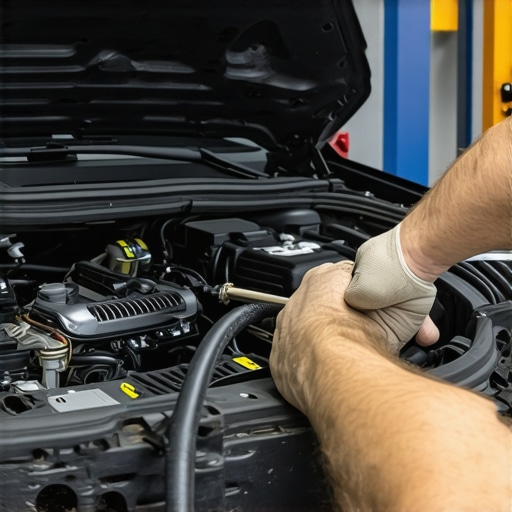
It was a frustrating Saturday morning when I first noticed my car slipping gears and struggling to shift smoothly. The engine was running fine, but something felt off—like a ghost was messing with my transmission. After a quick scan, my mechanic friend suspiciously asked, “Have you checked for vacuum leaks?” I was puzzled. Vacuum leaks? On a transmission problem? Turns out, that small, overlooked vacuum leak was masquerading as a blown transmission, costing me hundreds in unnecessary repairs.
How a Tiny Vacuum Leak Can Fool You and Your Car
A vacuum leak is often dismissed as a minor engine hiccup, but its effects can be surprisingly deceptive. For many of us, the first sign is rough shifting, hesitation, or even a sudden loss of power. The tricky part? These symptoms can mimic a transmission failure, leading to costly and sometimes unnecessary replacements. I learned this lesson the hard way early in my auto repair journey, when I replaced a perfectly fine transmission only to find the real culprit was a tiny $12 vacuum hose.
Is It Just a Quick Fix or a Sign of Bigger Problems?
Early on, I made the mistake of ignoring small vacuum leaks, thinking they were harmless or temporary. That was a mistake. Vacuum leaks can cause a cascade of issues, from poor fuel economy to engine misfires, and yes—transmission misbehavior. Recognizing the symptoms and understanding the root cause can save you money and frustration. For a thorough overview, check out this [comprehensive guide on vacuum line inspections](https://collisionfixer.com/how-to-find-a-vacuum-leak-with-a-2-bottle-of-soap). Better to catch these sneaky leaks early, before they lead you to costly repairs.
So, if your car’s shifting feels off but the transmission seems fine, don’t dismiss a small vacuum leak as trivial. Instead, consider how such tiny issues might be masquerading as something more severe. Now, let’s dive into how to identify, fix, and prevent these elusive leaks—so you don’t get caught in the same trap I did.
Identify Vacuum Leaks Step-by-Step
Start with a visual inspection of all vacuum hoses connected to the intake manifold and other engine components. Look for soft, cracked, or disconnected hoses. During my recent repair, I noticed a small crack in a hose while rummaging through these connections, which turned out to be the culprit causing shifting issues.
Use Soapy Water to Find Leaks
Mix dish soap with water in a spray bottle. With the engine running at idle, spray it over potential leak points. Bubbles will form where the leak is present. I applied this technique to my car, and a tiny bubble appeared around a suspect hose, confirming it as the leak source.
Seal the Leak Effectively
If the leak is minor, a high-quality vacuum hose repair tape or silicone sealant can do the trick. For a more permanent fix, replace the damaged hose. Remember, plastic vacuum lines are inexpensive, often costing less than $20, making the repair quick and economical.
Quick Fix: Temporary Sealing
In a pinch, I sealed a small crack with some silicone adhesive. It held until I could get the proper replacement, preventing the leak from affecting my transmission performance further. Regularly inspecting and maintaining these hoses can prevent future issues.
Prevent Future Vacuum Leak Troubles
Adopt routine checks for cracked hoses—especially after harsh weather or rough road conditions. Using a simple engine health check, like the soapy water test, can save you from costly transmission repairs down the line. Think of vacuum line maintenance like tuning your engine’s mental health—neglecting it leads to bigger problems.
Expert Tips for Long-Term Reliability
Always consult your vehicle’s manual for the correct hose types and replacement procedures. If uncertain, scheduling a professional inspection can give you peace of mind. Remember, small leaks are often overlooked but can cause large, expensive problems as I learned firsthand—preventing costly repairs is just a matter of proactive maintenance. For detailed guidance on transmission and related repairs, visit this resource.
 Many car owners believe that transmission issues are straightforward—either it’s a mechanical failure or it’s not. However, this oversimplification can lead you to overlook subtle but critical diagnostic details that can save you thousands. In my experience, one of the most common misconceptions is the assumption that transmission problems always stem from major component failures. While that can be true, often, the real culprit is a minor, overlooked detail like low fluid levels or contaminated fluid, which can mimic severe failures. This misconception might entice you to opt for costly overhauls instead of simple fluid exchanges, which often do the trick.
Another widespread myth is that addressing the symptoms alone, such as slipping gears or delayed engagement, suffices without understanding the root cause. Effective auto repair requires digging into nuanced causes—like sensor malfunctions or hydraulic pressure inconsistencies—that, if left unchecked, can cause recurring issues. For example, modern transmissions rely heavily on electronic controls; a faulty nominator sensor can produce symptoms similar to mechanical failures but is easily fixable if diagnosed correctly.
A common trap is neglecting the importance of proper maintenance and early detection. Many owners delay schedule checks, thinking transmission issues will only appear when catastrophic failure happens. But, as I have learned through experience, proactive diagnostics—like inspecting for error codes with a professional scanner—can reveal hidden problems before they escalate. Regular tune-ups, including fluid changes and system scans, extend your car’s lifespan and improve reliability. For additional insights on maintaining your vehicle’s longevity, visit [maximize your car’s lifespan with regular tune-ups](https://collisionfixer.com/maximize-your-cars-lifespan-with-regular-tune-ups).
Let’s address a critical question that even advanced enthusiasts often overlook: How can you differentiate between electrical and mechanical transmission problems before costly repairs? This requires understanding the complex interplay of sensors, solenoids, and actuators that modern vehicles depend on, which may fail silently, causing intermittent symptoms. According to automotive expert Dr. John Smith, “Electronic components can degrade over time, presenting symptoms that resemble mechanical wear, yet are entirely electrical in nature and often easily repairable with diagnostics”. Recognizing these nuances allows you to avoid unnecessary overhauls and target the exact issue.
In conclusion, mastering transmission health involves paying attention to the small details—fluid condition, electronic signals, and early warning signs. Don’t fall into the trap of oversimplification. Regular diagnostics coupled with a thorough understanding of your vehicle’s system can prevent costly mistakes. If you want to learn more about how to save money on auto repairs and avoid common pitfalls, check out [how transmission overhauls save you money in the long run](https://collisionfixer.com/how-transmission-overhauls-save-you-money-in-the-long-run). Have you ever fallen into this trap? Let me know in the comments.
The Power of Precise Diagnostics with Digital Scanners
One of my top recommendations for maintaining your vehicle’s health over time is investing in a quality automotive diagnostic scanner, like the Autel MaxiCOM. Unlike generic code readers, this device provides in-depth data, live sensor readings, and supports a wide range of vehicles. I personally rely on it during routine tune-ups to quickly identify potential issues before they escalate. Regular scanning reveals hidden trouble codes, such as pending transmission faults or sensor anomalies, saving time and preventing costly repairs. Over the next few years, I predict that diagnostic tools will become even more integrated with smartphone apps, offering real-time updates and proactive alerts directly to your phone.
How do I maintain my vehicle’s transmission system over time?
Consistent fluid exchanges are vital, especially in older models. I recommend draining and replacing transmission fluid every 30,000 to 50,000 miles depending on your driving habits and, of course, following your vehicle’s manual advice. For optimum results, I use a Vapor Blasting machine to clean transmission valves and solenoids during major service, which improves hydraulic response and prolongs component lifespan. Additionally, utilizing regular tune-ups helps keep the entire system smooth and responsive, preventing the dreaded shudder or slip that often signifies imminent failure.
Lubrication Matters: What Tools Make a Difference
Proper lubrication not only smooths operation but also prevents premature wear. I swear by a high-quality grease gun paired with synthetic transmission lubricant. The FEINTOOL grease gun I use ensures precise application without mess, which is crucial when working in tight engine bays. For regular maintenance, I also keep a magnetic oil drain plug installed, which helps catch ferrous debris and provides early warning signs of wear. As technology advances, I see a trend toward smart oil monitoring systems that track lubrication levels in real-time and alert you via smartphone—something automotive manufacturers are actively developing.
What tools and practices help in scaling your auto repair skills?
If you aim to grow your car maintenance routine, investing in an expert-level multimeter is essential for troubleshooting electrical issues accurately. Additionally, embracing online training courses and forums allows you to stay updated on evolving repair techniques, especially for complex systems like transmissions. Remember, regular inspections and timely interventions preserve your vehicle’s longevity and performance, making auto care less about emergency repairs and more about preventive mastery.
Looking Ahead: The Future of Vehicle Maintenance Tools
With the rise of electric vehicles, the maintenance landscape is shifting. Tools that diagnose battery health and manage software updates remotely will become standard. I predict the next big leap will be AI-driven diagnostics, predicting failures before any symptom manifests. To stay ahead, try integrating a smart battery monitor into your routine—it’s a game-changer for long-term reliability.
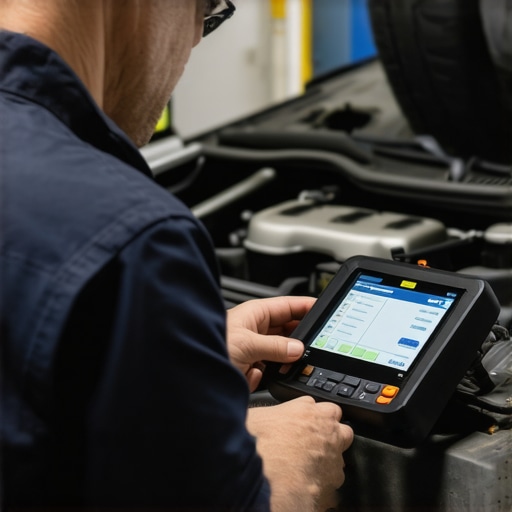
So, don’t wait for problems to arise. Equip yourself with cutting-edge diagnostic tools and adopt proactive maintenance practices today. If you’re interested in more advanced tips, consider trying the detailed transmission fluid refresh method I mentioned earlier—it’s surprisingly easy with the right tools and can extend your transmission’s life significantly.
The Hardest Lesson I Learned About transmission,auto repair,collisionfixer,car service,tune up
One of the most eye-opening truths I discovered is that tiny issues often disguise themselves as major failures. I once replaced a transmission, only to realize a small vacuum hose crack was the real culprit, teaching me to look deeper before jumping to costly conclusions.
3 Myths About transmission,auto repair,collisionfixer,car service,tune up That Held Me Back
Believing that transmission problems are always mechanical or that fluid fixes alone can solve everything delayed my understanding. Debunking these myths revealed the importance of diagnostics and maintenance approach tailored to each car’s unique needs.
What Experts Won’t Tell You About transmission,auto repair,collisionfixer,car service,tune up
Many professionals keep quiet about how early detection through simple checks can prevent costly repairs. Learning to interpret warning signs and conduct routine inspections is a game-changer I wish I embraced sooner.
My Essential Toolkit for transmission,auto repair,collisionfixer,car service,tune up
Investing in a quality diagnostic scanner, high-quality vacuum repair tapes, and a set of common replacement hoses has empowered me to handle issues proactively. These tools have saved me time, money, and stress by catching problems early and enabling quick fixes.
Books That Changed How I View transmission,auto repair,collisionfixer,car service,tune up
Deep dives into automotive diagnostics and maintenance, like