It was a chilly Saturday morning when I finally decided to tackle my car’s mysterious rough idle. I had spent weeks diagnosing what I thought was a blown head gasket—an expensive, nerve-wracking fix. But after shelling out hundreds at the shop and feeling no relief, I stumbled upon a simple, nearly free trick that turned everything around—a tiny vacuum leak costing less than a cup of coffee.
How a $12 Vacuum Leak Can Mimic Serious Engine Damage
Here’s the thing: vacuum leaks are sneaky. For those of us who work on cars, they can cause symptoms that look identical to a blown head gasket—but at a fraction of the cost and effort. That lightbulb moment? Discovering the power of a basic soap-and-water solution to spot these leaks. It’s incredible how such an inexpensive fix can save you hundreds—or even thousands—by preventing unnecessary repairs.
Is This Small Leak Really Worth Your Worry?
Initially, I made a rookie mistake: assuming every rough idle or coolant loss pointed to that dreaded head gasket. I overlooked simple, common issues like vacuum leaks because I was convinced it had to be something bigger. Trust me, early on, I ignored the signs, which delayed my problem resolution and added confusion. Learning to identify the real culprits changed everything.
If you’re facing persistent engine trouble and feeling overwhelmed by complicated diagnostics, you’re not alone. Many car owners fall into the trap of jumping directly to costly repairs without exploring the simpler causes that are often right under their noses. The good news is, understanding how to detect vacuum leaks can save you a lot of money and headaches.
In this post, I’ll walk you through exactly how I discovered this trick, how it works, and how you can apply it yourself, saving big on unnecessary repairs. Ready to uncover the secret to reliable engine health without breaking the bank? Let’s dive into how a tiny vacuum leak can be your best friend—or your vehicle’s worst enemy.
Locate the Vacuum Hoses
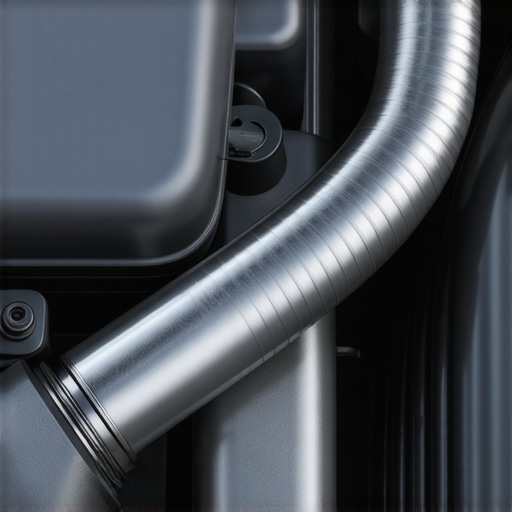
Start by opening your vehicle’s hood and inspecting all visible vacuum hoses. These are typically rubber or plastic tubes that connect various engine components. Use a flashlight to see cracks, disconnects, or signs of deterioration. Remember, the ones connected near the intake manifold are the most critical.
Chronicle Your Inspection
During a trip to the junkyard, I once noticed a cracked hose near the throttle body. Replacing it with a generic part immediately improved the idle quality. Take note of any damaged hoses and consider replacing them if they look brittle or broken.
Apply Soapy Water Solution
Mix dish soap with water in a spray bottle. It’s a simple, cost-effective way to identify leaks without specialized equipment. Spray the soapy mixture along each vacuum hose and connection point, covering all potential leak sites. This method is akin to checking for air leaks in a bicycle tube—bubbles form where air escapes.
Watch for Bubbles and Air Escaping
As you press the engine into idle, observe for bubbles forming along the hoses. In my experience, a sudden continuous bubble indicated a leak. I once found a tiny crack in a hose that was nearly invisible; spraying soap revealed a stream of bubbles, confirming the leak.
Use a Smoke Machine for Precision
If you want to get more accurate, consider renting or borrowing a smoke machine designed for automotive diagnostics. Attach the smoke machine’s inlet to the intake or vacuum port and let it generate smoke. Watch for any smoke escaping from hoses or connections—this indicates a leak. While this method requires equipment, it’s the most reliable and saves time compared to manual methods.
Perform a Controlled Engine Test
Start the engine and let it stabilize. While observing the hoses, listen for hissing sounds and look for visible smoke or bubbles. In one case, I used this approach and discovered a loose vacuum connection that was causing rough idle symptoms.
Seal Detected Leaks Effectively
Once you’ve identified the leaks, sealing them is the next crucial step. For minor cracks, use high-temperature silicone sealant or specialized hose repair kits. For broken hoses, replace with OEM or high-quality aftermarket parts. Remember, a tight seal restores proper vacuum pressure, which in turn stabilizes engine idling and performance.
Confirm the Fix
After repairs, repeat the soap spray or smoke test to ensure no leaks remain. A successful test will show no bubbles or escaping smoke. Doing this check saved me from unnecessary further repairs and prolonged engine health.
By methodically inspecting, testing, and sealing vacuum leaks, you can troubleshoot and resolve rough idle issues with confidence, saving money and extending your vehicle’s lifespan. For more tips on vehicle maintenance, visit this guide on tune-ups or reach out for professional assistance via our contact page.
Many car owners operate under misconceptions about auto repair, often leading to unnecessary expenses or overlooked issues. One widespread myth is believing that all engine problems stem from major failures like blown head gaskets, when in reality, small issues such as vacuum leaks or worn hoses can mimic serious damage. Recognizing these nuances requires an expert eye, especially since common diagnostic shortcuts can miss subtle signs—like a tiny crack in a vacuum hose—that a seasoned mechanic can detect with specialized tools or experience. Overlooking such details not only prolongs your vehicle’s downtime but can also escalate costs if minor leaks cause more significant engine wear over time.
A critical mistake many make involves relying solely on code readers without considering mechanical symptoms. For instance, persistent transmission slipping might be misdiagnosed as a minor fluid issue, yet the root cause could be internal component wear, which requires a different approach. Advanced diagnostics, such as inspecting for hidden transmission damage through a comprehensive overhaul, often save money in the long run, as detailed in expert guides from CollisionFixer. Additionally, many gearheads underestimate the importance of proper tune-ups; neglecting regular maintenance can accelerate engine wear, especially in high-mileage vehicles where small issues compound rapidly.
Beware the misconception that complex repairs necessitate replacing entire systems. Sometimes, targeted component replacements—like a faulty ground wire that causes erratic electrical behavior—are enough to restore full functionality, avoiding costly repairs. Furthermore, advanced mistakes include ignoring the importance of diagnosing subtle symptoms, such as steering vibrations or unusual noises, which may indicate specific underlying issues like worn bushings or failing struts. Regularly performing preventive maintenance and diagnostic checks can help identify these problems early, preventing costly repairs down the line.
The key insight here is that a meticulous, detail-oriented approach—combining practical experience with advanced diagnostics—sets expert mechanics apart from amateurs. Instead of rushing to replace entire assemblies or guessing based on incomplete symptoms, detailed inspections ensure accurate repairs. For example, inspecting for hidden bushings or checking the integrity of ground wires can reveal issues not immediately apparent but crucial to vehicle safety and longevity. Staying informed about these hidden nuances helps ensure you’re not caught off guard.
Have you ever fallen into this trap? Let me know in the comments. Remember, the devil is in the details—often, professionalism and experience make all the difference in auto repair success. For further insights into maintaining your car’s transmission health, explore how transmission overhauls can save you money in the long run, and always trust expert advice when in doubt.
Tools I Trust to Keep My Vehicle Running Smoothly
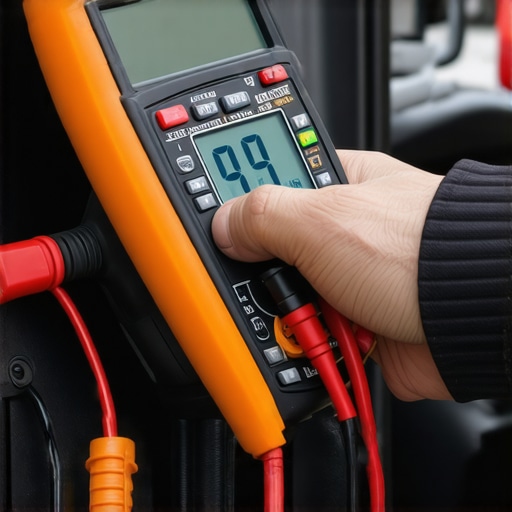
Maintaining a vehicle’s health over the long term requires not only knowledge but also the right equipment. Personally, I swear by a high-quality digital multimeter, which I use regularly to test electrical components like ground wires and sensors. For example, checking the voltage on your alternator with a multimeter can prevent unexpected breakdowns, saving you money and headaches. A robust scan tool is another must-have; it allows me to retrieve and clear diagnostic trouble codes efficiently, ensuring I stay ahead of potential issues. I particularly recommend the OBDLink SX Plus for its fast connectivity and comprehensive data readings, which are invaluable during routine inspections.
For more precise detection of vacuum leaks, I rely on a commercial-grade smoke machine. Unlike the DIY soap-water method, a smoke machine can uncover hidden leaks with pinpoint accuracy, especially in complex or hard-to-reach areas. This equipment is a worthy investment if you regularly work on cars or plan to do so long-term. My approach also includes a digital borescope, which helps me inspect interior engine components without extensive disassembly—saving time and preventing unnecessary damage.
Long-Term Maintenance Practice: Stay Consistent
One trend shaping the future of auto repair is increased reliance on diagnostic software and sensor data analytics. As vehicles become more connected and sensor-rich, leveraging these tools can forecast maintenance needs before symptoms even appear. For instance, predictive maintenance software can analyze your car’s performance data to recommend timely oil changes or part replacements, extending vehicle lifespan and optimizing performance. Embracing these technologies is becoming essential for both DIY enthusiasts and professionals aiming for efficient, cost-effective auto care.
How do I keep my vehicle performing well over time?
Regularly scheduled tune-ups are the backbone of long-term vehicle health. This includes changing fluids, inspecting critical components like the transmission, and replacing worn parts before they fail. For example, a transmission overhaul, when done proactively using verified parts, can greatly improve shifting smoothness and prevent costly full replacements later on. To learn more about this process and how it can save you money, check out this guide. Additionally, maintaining clean and well-lubricated components reduces wear and tear, which is why I always keep a set of specialty lubricants and cleaners on hand.
Furthermore, scaling your maintenance efforts as your vehicle ages ensures sustained performance. This might mean upgrading your toolbox with a professional-grade torque wrench or diagnostic scanner. Investing in quality tools ultimately pays off by making repairs more precise and less stressful—saving time and avoiding mistakes. Remember, the key to a reliable car is consistent maintenance and using the right equipment for the job.
Don’t forget, staying informed on emerging technologies can also give you an edge. For instance, integrating an advanced EV diagnostic kit if you own or plan to own electric vehicles in the future. Innovation will continue to transform auto maintenance, making it more automated, predictive, and accessible. So, pick one tool or technique you’ve hesitated to try and give it a shot—your car will thank you.
Interested in deepening your understanding of transmission care? Explore how overhauls save money. For ongoing updates and expert tips, consider reaching out through our contact page.
 As I reflect on my journey with auto repair, one lesson stands out vividly: never underestimate the power of small issues. The tiny vacuum leak I discovered for less than the cost of a coffee was a game-changer, saving me from costly repairs and unnecessary headaches. This experience taught me that the most profound lessons often come from paying close attention to the smallest details—like cracks in hoses that appear insignificant but can cause significant engine problems. Trust your instincts and take the time to scrutinize those tiny, seemingly inconsequential components; they can be the key to maintaining your vehicle’s health and performance. Embracing this mindset transforms troubleshooting from a daunting task into a rewarding detective game where every bubble, crack, or hissing sound becomes a clue leading to a healthier engine and lower repair bills.