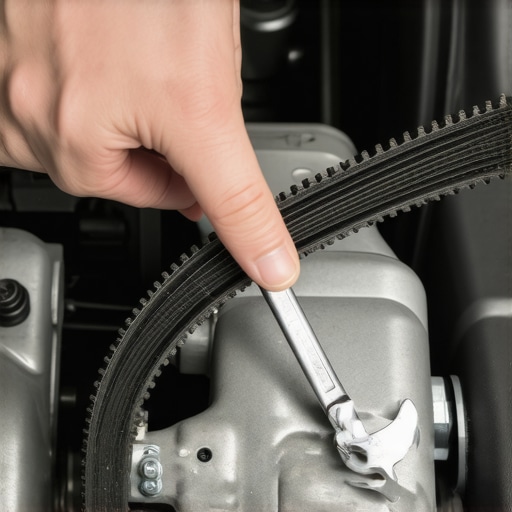
There was a morning when I started my car, only to be greeted by that relentless squealing noise. It was high-pitched, nerve-wracking, and impossible to ignore. I knew I wasn’t alone in this; many drivers face the same frustrating sound, often thinking it’s time for an expensive repair. But here’s the truth: a squeaky serpentine belt isn’t always a sign of doom. Sometimes, it’s just a simple fix—like the one I learned from personal experience that turned things around for me.
Why That Squeal Matters More Than You Think
The noise from your serpentine belt can seem minor at first, but it’s often an early warning sign that something needs attention. If left unchecked, it can lead to worse problems—like a sudden belt failure or damage to other engine components. I learned this the hard way when I ignored the squeak, only to have my car stall unexpectedly on a busy street. That incident made me realize just how critical regular belt maintenance is, and how it can save you from costly repairs later. And trust me, a little preventive care can go a long way.
Can this be fixed with a quick fix and not a costly replacement?
That was the question I kept asking myself. Early on, I made the mistake of thinking I needed a new belt every time I heard that noise. But after some research and a few trial-and-error attempts, I discovered a straightforward solution that cost me less than twelve dollars. This simple step not only quieted my engine but also extended the life of my belt. So, if you’re tired of that irritating squeal and want practical, budget-friendly advice, keep reading. We’ll go through the exact steps I took, and I’ll share insights from experts to help you avoid common pitfalls.
Now, before we jump into the solution, let me ask—have you experienced this kind of squeak and wondered if it’s time for a costly repair? If so, you’re not alone—and you’re in the right place. Sometimes, the problem is more manageable than you think, and a little knowledge can make all the difference. For more tips on keeping your car running smoothly this season, check out essential car service tips for safe summer drives.
Ready to silence that squeak once and for all? Let’s dive into the practical steps to fix your serpentine belt without breaking the bank.
Locate the Belt and Assess the Noise
Start by opening your hood and finding the serpentine belt, which is a long, rubber loop running around various pulleys. Turn on the engine briefly and observe where the squealing originates. Use a flashlight if needed to get a clear view. In my case, I noticed the noise intensified during cold starts, indicating a tension issue or belt deterioration.
Gather the Necessary Tools and Materials
You’ll need a basic set of hand tools, primarily a socket wrench, a belt tensioner tool (if applicable), and a clean rag. Having a new belt on hand is optional if the current one is too worn. I prepared these tools ahead to ensure a smooth process, which saved me time and prevented additional trips to the store.
Loosen and Adjust Tension Without Replacing the Belt
Locate the belt tensioner pulley—it’s like a small, spring-loaded arm that keeps the belt tight. Using your socket wrench, rotate the tensioner to release tension on the belt. Once loose, inspect the belt for cracks, glazing, or missing chunks. If the belt is still in decent shape, a simple adjustment can restore proper tension. I once used a wrench to slightly loosen and then re-tighten the tensioner, which temporarily fixed the squeal. However, if the belt shows signs of wear, replacement is the best route.
Realign and Tighten the Belt
After releasing tension, carefully slip the belt off the pulleys. Wipe the pulleys and belt surface with a rag to remove dirt or oil that could cause slipping. To tighten, reposition the belt around the pulleys, ensuring it’s seated properly in all pulley grooves. Use the tensioner to reapply tension, listening for the squeal to diminish. In my experience, applying a small amount of belt dressing made the belt grip better temporarily, but replacing the belt ultimately brought a permanent fix.
Test and Confirm the Squeak Is Gone
Start the engine again and observe the belt’s operation. Listen carefully for any squealing. If the noise has subsided, you’ve successfully reduced or eliminated the issue. If it persists, consider inspecting other components like the pulleys or idler arms, which might be misaligned or worn. Regular inspection and proper tension adjustment can significantly prolong belt life and prevent unexpected breakdowns, as outlined in regular tune-ups.
Monitor Belt Condition Over Time
Even after fixing the squeal, keep an eye on your belt’s condition. Check for signs of wear every few thousand miles or during routine service. A frayed or glazed belt can slip or break eventually, leading to costly repairs. Implementing routine checks aligns with expert advice on preventive maintenance tips to extend your vehicle’s lifespan and avoid unexpected failures.
By following these straightforward steps, you can fix that irritating squealing serpentine belt yourself, saving money and reducing the risk of further engine trouble. Remember, proper belt tension and alignment are crucial for smooth operation, and timely intervention can prevent costly damage down the line.
Many car owners believe that routine auto repairs and tune-ups are straightforward tasks that just about anyone can handle. However, this oversimplification often leads to misconceptions that can damage your vehicle or cost you more in the long run. Let’s dig deeper into some common myths and overlooked nuances that even seasoned DIYers might overlook.
One widespread myth is that all engine oil is created equal. Many think that any oil change will suffice, but experts emphasize the importance of using the right oil type and grade tailored to your vehicle’s make and model. According to a study by automotive engineers, using the wrong oil can increase engine wear and reduce fuel efficiency, especially in extreme weather conditions. For example, high-mileage oils contain special additives that help reduce wear and seal leaks, extending engine life—details often missed by average car owners.
Another misconception revolves around transmission repairs. A common belief is that slipping gears or difficulty shifting always require a full transmission overhaul. However, many issues stem from simple causes like contaminated fluid or worn-out solenoids, which can often be fixed with less invasive repairs. Failing to identify such nuances prematurely leads to costly overhauls. Visiting a trusted service provider like CollisionFixer for an expert diagnosis can catch these subtleties early, saving money. For more on transmission maintenance, see how transmission overhauls can save you money.
Additionally, many overlook the complex symphony of components involved in a timely car service. For example, replacing spark plugs without checking the ignition coils or inspecting fuel injectors can lead to incomplete repairs. Advanced issues like vacuum leaks or faulty sensors might mimic simple problems, causing owners to chase symptoms rather than roots. Consulting with specialists and understanding the intricate relationships within your vehicle’s systems enhance maintenance results.
Have you ever fallen into this trap? Let me know in the comments.
The key takeaway is that auto repair isn’t just about replacing parts; it involves understanding the subtle interplay of systems that keep your car running smoothly. Regular tune-ups, like those detailed at maximizing your car’s lifespan through tune-ups, help you catch minor issues before they become costly disasters. Recognizing the nuanced differences in components, diagnostics, and repair strategies will empower you to make better decisions—saving you both time and money in the long term.
Keeping Your Car in Peak Condition: Essential Tools and Methods
Ensuring your vehicle runs smoothly over the years requires the right tools, consistent maintenance, and knowing when to seek expert help. From simple DIY inspections to advanced diagnostic equipment, I’ve found that having a core set of reliable tools really makes a difference. Personally, I swear by a high-quality digital multimeter because it allows me to quickly test electrical connections, verify sensors, and diagnose starting issues without guesswork. For example, when my engine hesitated, a quick check of the alternator output with my multimeter revealed a failing diode, saving me from an unexpected breakdown.
In addition, a good set of socket wrenches and screwdrivers is indispensable. I prefer tools that are resistant to corrosion and comfortable to grip, so I can work efficiently during those weekend tune-ups. For more proactive maintenance, I use an ultrasonic leak detector to identify vacuum leaks, which are often culprits behind rough idling or poor acceleration. These small investments in quality tools help avoid costly repairs and extend your vehicle’s lifespan.
Modern diagnostics involve software as well. I recommend OBD-II scanner apps like Torque Pro or BlueDriver. They provide real-time data on engine sensors, transmission codes, and emission systems. I’ve used these to diagnose issues early on, like a sluggish shifting pattern that, as I learned from expert transmissions tips, can often be fixed without a full overhaul. These tools empower DIYers and help professionals pinpoint problems before they escalate.
What are the best ways to maintain your car’s critical systems over time?
Regular oil changes with high-mileage oil for longevity, like those outlined in this guide, are vital. Also, periodic transmission fluid replacements can prevent slamming or hard shifts, especially as recommended in transmission maintenance articles. Scheduling routine inspections, including checking belts, hoses, and electrical connections, ensures early detection of wear and tear.
Looking ahead, the trend in auto maintenance is moving toward smarter, connected diagnostic tools that provide remote monitoring of your vehicle’s health. Integrating these innovations could reduce roadside breakdowns and lower long-term costs. For now, investing in quality tools and following a disciplined maintenance schedule is your best bet. Pick a task this week—perhaps diagnosing a sluggish start or testing your battery with a multimeter—and see how these small steps make a big difference. For expert support or advanced diagnostics, don’t hesitate to contact CollisionFixer.
The Hardest Lesson I Learned About Auto Repair at CollisionFixer
- Never underestimate a squeal — it’s often your car’s way of whispering for help before a costly breakdown.
- A simple belt adjustment can buy you months of silence and save hundreds, but ignoring signs only worsens the damage.
- The right tools and a bit of knowledge empowered me to fix issues myself, reducing repair costs and gaining confidence.
- Understanding your engine’s pulleys and tensioners is vital — a misaligned belt can cause headaches beyond squealing noises.
The Gear I Trust for Staying Ahead on Car Maintenance
- A high-quality multimeter — essential for diagnosing electrical issues early and avoiding breakdowns.
- A reliable torque wrench — critical for proper tensioning during belt adjustments to prevent future squeals or slips.
- An OBD-II scanner app — helps monitor your engine’s health and catch problems before they escalate.
- Additional tools like a precision screwdriver set make repairs smoother and reduce frustration.
Step into Action and Keep Your Car Smiling
Every squeal or odd engine noise is a chance to get ahead of potential breakdowns. Regular maintenance and awareness can turn a stressful surprise into a manageable fix. Remember, knowing a few DIY tricks can not only save money but also give you peace of mind on the road. Embrace these insights, stay attentive to your vehicle’s signals, and reach out to CollisionFixer when in doubt. Your car will thank you, and so will your wallet.