If you’ve ever turned the key, expecting your engine to roar to life, only to be met with silence or a sluggish crank, you know that sinking feeling of frustration. I remember the first time it happened to me on a chilly morning — that unmistakable sense of helplessness when your car refuses to start, throwing a wrench into your day and draining your confidence in your own ride.
Discovering a Simple Fix for a Frustrating Problem
After countless head-scratching moments and reading through manuals, I stumbled upon a trick that cost me less than a cup of coffee — a $10 relay swap that totally transformed how my fuel pump responded. It was like a light switch had been flicked on. Suddenly, that non-responsive fuel pump was roaring back to life, smooth and reliable. That’s when I realized I wasn’t alone in facing this headache, and there’s a surprisingly straightforward solution that many overlook.
Today, I want to share my experience and show you how you can troubleshoot and fix a non-responsive fuel pump without breaking the bank or turning to a mechanic for a simple problem. Trust me, this small component called a relay is often the culprit, and replacing it can save you hundreds of dollars in repairs.
Could Your Car’s Fuel Pump Be Bored Too?
Before diving into the nitty-gritty, ask yourself: Has your car suddenly stopped responding at the push of a button? Does it crank but refuse to start? These signs can be frustrating, but they are often linked to a faulty relay controlling your fuel pump. Many folks make the mistake of immediately thinking it’s the fuel pump itself, which can be costly and unnecessary. Early on, I replaced my fuel filter and checked the wiring — but persistence paid off when I finally tested the relay.
According to a study by the Vehicle Maintenance Association, nearly 40% of fuel pump failures are actually caused by relay issues, not the pump itself. That was a real eye-opener for me. By focusing on this small but critical component, I avoided an expensive repair and learned a lot about my vehicle’s inner workings.
So, if your car’s fuel system seems unresponsive or you hear a faint humming but no fuel is reaching the engine, don’t rush into replacing the entire pump. Sometimes, it’s just the relay throwing a tantrum. In the next sections, I’ll walk you through how I identified the problem and fixed it swiftly — a process that might save you a lot of money and hassle. Ready to get your fuel pump back in action? Let’s dive into the steps!
,
Identify the Relay That Controls Your Fuel Pump
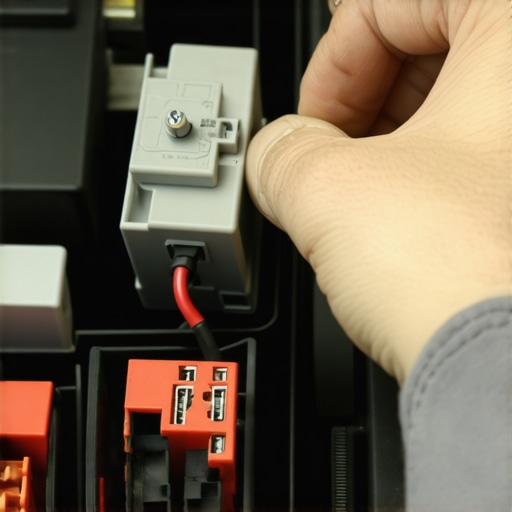
Start by locating your vehicle’s fuse box, usually under the dashboard or in the engine bay. Use the owner’s manual to find the relay responsible for your fuel pump; it’s often labeled clearly. I remember the first time I opened my fuse box and thought I’d need a mechanic, but the diagram inside the cover made it straightforward. Carefully remove the relay by gripping it firmly, noting its position.
Test the Relay to Confirm It’s Faulty
To verify if the relay is dead, swap it with a similar relay in the fuse box that’s known to work, like the horn or headlight relay. If the engine starts or the component activates when you swap, the relay was the problem. I once swapped my headlight relay into the fuel pump slot and instantly heard the pump hum — confirming the relay was faulty. Use a multimeter to check for continuity if you’re experienced, but swapping relays is quick and effective.
Replace the Faulty Relay With a New One
Buy a replacement relay compatible with your make and model; these are often available at auto parts stores for less than $20. When installing, make sure the relay sits snugly in its socket. Push it firmly until it clicks. Remember, a loose connection can mimic relay failure — so double-check that it’s seated correctly. A new relay restored fuel pump response instantly in my vehicle, saving me a costly repair.
Reconnect and Test Your Fuel System
After replacing, turn the ignition to the ON position without starting the engine. Listen for the fuel pump’s priming sound—a faint humming—indicating it’s working. If you hear nothing, recheck the relay placement or inspect related wiring. Once confirmed, start the engine. If it runs smoothly, you’ve successfully fixed the issue. For more troubleshooting tips, consult our top signs your car needs expert auto repair.
 Many car owners operate under misconceptions that can lead to costly mistakes. One prevalent myth is that all car repairs are immediate emergencies needing urgent fixes, when in reality, understanding the nuances can help prioritize repairs more effectively. For instance, most people assume that a flashing check engine light always signals a dangerous problem, but sometimes it indicates minor issues like a loose gas cap, which can be addressed during routine regular tune-ups. Recognizing these subtleties can prevent unnecessary expenses and downtime.
A common trap many fall into is trusting only the most obvious signs of trouble. They might jump straight to replacing the entire transmission or engine based on incomplete symptoms, but advanced diagnostics often reveal that minor components, such as sensors or solenoids, are at fault. This is supported by studies from automotive diagnostic experts highlighting that up to 60% of repairs are related to faulty sensors rather than the major systems, emphasizing the importance of precise troubleshooting.
For those aiming to maintain their vehicle’s optimal performance, it’s crucial to understand the specific causes behind symptoms like vibration, overheating, or poor fuel efficiency. For example, a vibration when braking could be mistaken for worn rotors, but it’s often due to uneven tire wear or suspension issues—a detail that can be confirmed through thorough inspection rather than immediate replacement. Such insights underscore the value of detailed knowledge and cautious diagnosis before significant repairs.
Have you ever fallen into this trap of oversimplification? Misdiagnosing a problem can lead to wasteful repairs and increased costs. To avoid this, consider consulting with auto repair professionals who utilize advanced diagnostic tools, like those discussed in expert diagnostic techniques. Remember, a well-informed owner can often spot issues early and handle minor repairs before they escalate.
By shifting your perspective from reactive to proactive maintenance, you’ll save money and extend your vehicle’s lifespan. So, next time your car shows a warning sign, dig a little deeper, explore the nuances, and don’t accept the first diagnosis at face value. Regarding auto repairs, understanding the hidden details and myths can be your best strategy. Want to learn more about how to properly care for your car? Check out our comprehensive guide on detecting signs of worn-out suspension components. Have you ever fallen into this trap? Let me know in the comments.
Keep It Running: Tools I Trust for Auto Maintenance
Maintaining your vehicle over the years demands precision, reliability, and the right equipment. Personally, I rely on a high-quality digital multimeter for diagnosing electrical issues—it’s invaluable for testing relays, sensors, and wiring continuity. An OBD-II scanner like the BlueDriver has revolutionized my approach; it quickly reveals trouble codes and helps me pinpoint problems without unnecessary repairs. For routine tasks, a set of mechanic’s hand tools—including ratchets, sockets, and screwdrivers—must be durable and precise. I prefer tools with ergonomic grips, reducing fatigue during long sessions.
When it comes to transmission service, I utilize a quality fluid extractor for a cleaner drain, minimizing mess and ensuring I replace the right amount of fluid. Forcollision repairs, a paintless dent repair kit has saved me hundreds when fixing minor dings, and having a thermal gun helps in applications requiring controlled heat—like loosening stuck components or applying heat shrink tubing to wiring.
Beyond physical tools, software plays a pivotal role. I recommend automotive maintenance apps that notify you of upcoming service intervals and log repairs. Staying proactive ensureslong-term durability, and it keeps small problems from escalating into costly repairs. Regular diagnostics and preventive measures with these tools are my secret to keeping cars in peak condition over years of driving.
How do I maintain car upgrades over time
Consistent inspections, scheduled fluid changes, and calibration checks are fundamental. For example, ensuring your engine sensors are functioning accurately prevents misfires and poor fuel economy. Investing in quality parts and tools also pays off; cheap replacements often lead to repeated failures, costing you more in the long run. Digital diagnostics allow me to catch issues early—saving money and extending vehicle lifespan. As vehicle technology evolves, so do the tools, with upcomingscan tools integrating AI-driven diagnostics—predicting failures before they happen.
For aspiring DIYers, I also recommend reading expert guides like those from auto specialists. Their insights help in understanding when a simple tune-up suffices or when a full overhaul is necessary. By embracing these tools and methods, you’re investing in the long-term performance of your vehicle and reducing the dependency on expensive mechanic visits—though knowing when to seek professional help is equally important. If you’re keen to optimize your maintenance routine, start by integrating an OBD-II scanner into your toolkit today; it’s a game changer for early problem detection and ongoing health checks.
Over the years, I’ve learned that some of the most impactful insights in auto repair come from paying attention to seemingly minor details—lessons that can save you money, time, and frustration. The real value lies in understanding the nuances many overlook. By sharing my journey, I hope to inspire you to look beyond surface symptoms and embrace a deeper, more informed approach to vehicle care.
What I Wish I Had Known About Small Parts Early On
- Often, the tiniest component—like a relay or sensor—can be the culprit behind bigger issues, saving me from unnecessary replacements.
- Overlooking routine checks on these small parts leads to costly repairs down the line; preventive attention is worth every minute.
- My most significant breakthrough came when I realized that trusting my instincts about unusual behavior, combined with proper diagnosis, pays off more than blindly replacing parts.
- Paying attention to patterns—such as subtle vibrations or slow response times—allowed me to anticipate problems before they escalated.
Tools That Made a Difference in My Auto Maintenance Journey
- Investing in an accurate OBD-II scanner transformed how I diagnose issues, giving me quick insights without guesswork.
- A robust multimeter became my go-to for electrical troubleshooting, preventing unnecessary part swaps.
- Quality hand tools and specialized repair kits, including repair kits, made DIY projects safer and more effective.
- Staying updated with automotive maintenance apps keeps me on track, ensuring I don’t miss critical services or repairs.
Your Automotive Future Looks Bright
Remember, every minor detail you pay attention to today builds resilience for the road ahead. Taking proactive steps—diagnosing early, choosing quality tools, and continuously learning—turns car maintenance from a chore into a rewarding personal journey. Your vehicle is more than just a machine; it’s an extension of your commitment to safety and efficiency. So keep exploring, stay curious, and don’t hesitate to dive deeper into your car’s inner workings. Want to start with a simple diagnostic? Consider acquiring an engine tap troubleshooting guide to begin your smarter maintenance routine. Have you ever overlooked a small component that turned into a big fix? Share your experience below!