Have you ever been in the middle of plugging in your charger or powering up your small appliance, only to find that the outlet refuses to work? That sinking feeling of helplessness creeps in as you jiggle the plug, hoping for a spark of life, but nothing happens. I remember a time when I needed my garage power for an important project, and suddenly, my outlet was dead. It was frustrating, especially because I assumed it would take a professional to fix. But the good news is, many power outlet issues are simple enough to troubleshoot and fix yourself, often within just 10 minutes.
Don’t Let a Dead Outlet Keep You Waiting
Next time your socket is unresponsive, don’t just shrug it off or call an electrician right away. There’s a straightforward process you can follow to diagnose and resolve common problems. In fact, I’ve learned from personal experience that a lot of the time, those dead outlets are caused by simple issues like a tripped breaker or a loose connection, not necessarily a costly repair. Today, I’ll walk you through the quick fixes that can restore power quickly, saving you time, money, and unnecessary stress.
Could It Really Be That Simple? The Biggest Skepticism
Honestly, I used to think that outlets were complicated and that fixing them required special skills. I once made the mistake of attempting to replace a faulty outlet without checking the circuit breaker. Sure enough, I overlooked that the problem was just a tripped breaker — a rookie mistake that kept the outlet dead for days. That taught me a valuable lesson: sometimes, the fix is right in front of you. If you’re like me, skeptical about DIY electrical fixes, rest assured that with the right guidance, you can handle many common outlet issues safely.
Remember, safety first! Always ensure the power is turned off at the breaker before inspecting or working on outlets.
Now, are you ready to learn the quick, effective steps to revive your dead power outlet? Let’s dive in and get your outlet functioning again in just minutes!
,
Check the Circuit Breaker First
Start by locating your main breaker panel. Many dead outlets are caused by a tripped breaker, much like a car’s fuse blowing during an overload, preventing electricity flow. Personally, I once ignored the breaker, thinking it wasn’t relevant, only to find that flipping it back on restored my outlet immediately. Look for switches in the “off” position or a breaker that looks tripped—often, the handle will be in a different position or there will be a red or orange indicator.
Reset the Breaker Carefully
Switch the tripped breaker fully to “off,” then back to “on.” This simple action resets the circuit. Wait a few seconds to ensure the breaker stays on. If it trips again immediately, it indicates an underlying problem—like a short circuit or overload—that needs further inspection. Remember, never force a breaker if it refuses to stay on; it’s a sign you should consult a professional.
Inspect the Outlet and Wiring
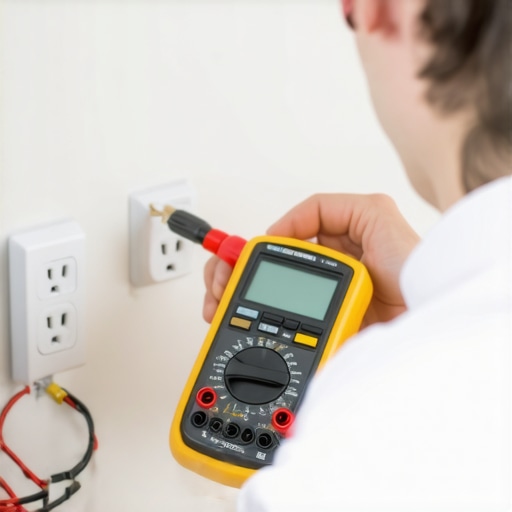
Turn off power before removing the outlet cover. Use a screwdriver to carefully remove the outlet plate and then the outlet itself. Check for loose wires—like loose hoses in a car’s fuel system—that could be causing the issue. Tighten any loose connections with a screwdriver, ensuring the wires are securely attached under the terminal screws. I once found a loose wire in my garage outlet, which, when tightened, immediately restored power. Use a multimeter to test the outlet’s terminals for voltage—if there’s no voltage after resetting the breaker and tightening wires, the problem may lie elsewhere.
Test the Outlet with a Multimeter
A multimeter is like a mechanic’s diagnostic tool for electricity. Set it to AC volts, and carefully touch the probes to the terminals—hot (usually marked “live” or brass-colored screw) and neutral (silver screw). A reading close to your home’s voltage (around 120V in the U.S.) indicates the outlet itself is functional. If there’s no reading, replace the outlet or consider wiring issues. Replace the outlet if necessary, but always ensure the power is off to avoid shocks; safety should come first.
Look for GFCI Switches and Reset
Many outlets in kitchens and bathrooms are protected by GFCI (Ground Fault Circuit Interrupters), which can trip and cut power to multiple outlets. These are identified by test and reset buttons. Press the reset button firmly, and if it stays engaged, it might fix the problem. I once had a GFCI trip unexpectedly, cutting power to an entire row of outlets—simply pressing reset solved the issue instantly. Test nearby outlets afterward to confirm power is restored.
Identify Hidden or Faulty Devices
Unplug all devices connected to the outlet. Sometimes, a faulty device can cause a trip, similar to a car’s electrical component creating a short. After unplugging, reset the breaker and test the outlet. If power returns, reconnect devices one by one to find the culprit. This process helps avoid unnecessary repairs and ensures safety. If none of these steps revive the outlet, it might be time to call a professional or check the wiring behind the wall.
Consider a Professional Inspection
If you’ve tried all these steps and the outlet still doesn’t work, the issue may be deeper—like damaged wiring or a faulty circuit. Consulting a licensed electrician ensures safety and proper repair. They can perform more advanced diagnostics, much like a mechanic performing a full engine scan, to identify obscure problems. Remember, electrical issues can pose serious risks; never attempt complex repairs beyond your comfort level.
For more insights on maintaining your home’s electrical system, check out tips to maximize your car’s lifespan or contact a professional.
While many believe that car repair is straightforward—just replace parts that look worn or broken—this oversimplification ignores the complex interplay of vehicle systems. As an auto enthusiast and experienced technician, I want to shed light on some misconceptions that can lead to costly mistakes or overlooked issues. Contrary to common wisdom, not all repairs are created equal, and the nuances behind collisionfixer, auto repair, car service, tune-up, and transmission work are critical to understanding for optimal vehicle health.
Why Are ‘Routine’ Services Sometimes Insufficient for Long-Term Reliability?
Many assume that a regular tune-up or timely transmission fluid change guarantees their vehicle’s longevity. However, this view can be myopic. For instance, a scheduled transmission flush might be beneficial, but if underlying issues like worn-out solenoids or contaminated fluid are ignored, the problem persists. Actually, proper transmission maintenance involves diagnosing not only fluid quality but also internal components that influence shifting smoothness. Neglecting subtle signs, such as delayed engagement or slipping, can cause you to miss impending failures until expensive repairs become unavoidable.
Similarly, relying solely on mileage milestones for servicing overlooks the age and driving conditions of the vehicle, which are often more telling. Many shops focus only on the scheduled tasks rather than assessing the vehicle’s unique wear patterns, potentially leading to premature component failure or safety risks. Recognizing these nuanced cues is where expert insight makes a difference rather than relying on generic service intervals.
TheMastering the Art of Keeping Your Vehicle in Top Shape
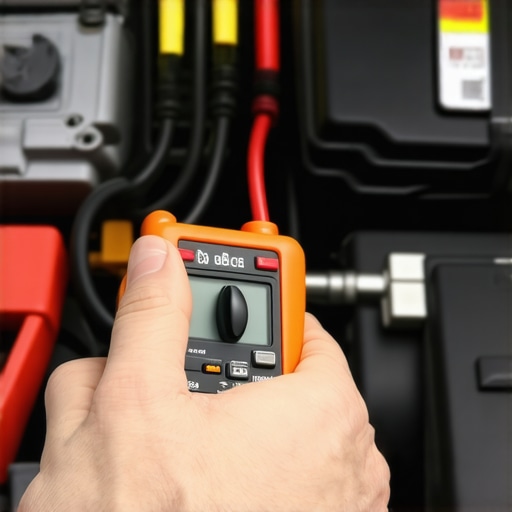
Just like a skilled mechanic relies on precision tools to diagnose and fix issues, a car owner committed to longevity needs a curated set of equipment and maintenance routines. Investing in quality tools isn’t just about convenience—it’s about ensuring safety and extending your vehicle’s lifespan. One of my go-to tools is a high-grade digital multimeter, which I use weekly to assess battery health and electrical stability. Unlike cheaper models, my multimeter provides accurate readings, helping me catch problems early before they turn into costly repairs.
Another essential I personally depend on is a stethoscope designed for automotive diagnostics. This might sound unconventional, but it allows me to listen for irregular engine noises that indicate overdue maintenance or imminent failure. When used correctly, such tools empower you to proactively keep your vehicle running smoothly, saving time and money in the long run.
Beyond tools, maintaining your car involves adopting specific methods. Regularly inspecting your tune-up schedule helps prevent unexpected breakdowns and ensures all systems work harmoniously. Scheduling a comprehensive inspection every 6 months, especially if driving in harsh conditions, can reveal issues like worn belts, low fluid levels, or minor leaks before they escalate.
Plan for Longevity: Software and Maintenance Data
Modern vehicles come equipped with onboard diagnostics (OBD) systems, which I utilize via a dedicated OBD-II scanner. This device uploads real-time data to my smartphone, allowing me to monitor engine performance, emission system status, and transmission health remotely. Regular check-ins using such software can help in early detection of issues, much like a wellness app tracks your health over time. Predictive maintenance, bolstered by data analysis, is transforming car care from reactive to proactive.
Looking ahead, I foresee an increasing integration of diagnostic AI with IoT sensors in vehicles. These innovations will advise owners on maintenance needs in real-time, reducing guesswork and promoting routine upkeep without surprises. Keeping abreast of these trends is critical for any car owner aiming for long-term reliability. Learn more about the benefits of integrating such systems by exploring trusted sources and expert insights.
How do I maintain transmission health over time?
Transmission health is vital for smooth driving and the longevity of your car. I recommend using a synthetic transmission fluid for better lubrication and protection against extreme temperatures. Regularly checking fluid levels and quality—using a quality dipstick—can prevent overheating and slipping issues. Additionally, scheduling a transmission flush every 30,000 to 50,000 miles ensures contaminants don’t impair internal components. Incorporating diagnostic scans specifically for transmission performance can catch potential problems before they become serious, much like monitoring blood pressure aids early detection of health concerns.
By adopting these precise tools and routines, you can keep your vehicle performing reliably for years. Remember, a proactive approach today safeguards against costly repairs tomorrow. Don’t hesitate to experiment with advanced diagnostic software or schedule an expert inspection if you’re unsure about your findings—getting professional insights is always a smart move.
For comprehensive guidance on maintaining your car’s performance, consider visiting tips to maximize your car’s lifespan or reaching out directly to a trusted professional through contact us. Remember, ongoing maintenance isn’t just about repairs; it’s about preserving your vehicle’s future.
Lessons From the Garage That Change Everything
- One of the biggest realizations I had was that many car issues, especially electrical ones, often have simple solutions hiding in plain sight. It’s tempting to assume a problem is complex or requires costly repairs, but with a little patience and the right tools, you can often save yourself time and money. Learning to diagnose and perform maintenance tasks myself transformed how I approach vehicle care—making me more confident and proactive.
- Another lightbulb moment was understanding the importance of trusting quality diagnostic tools over guesswork. An inexpensive scanner might underestimate issues, leading me to overlook early warning signs. Investing in reliable equipment like a top-grade OBD-II scanner means catching problems early, which aligns perfectly with the preventive approach emphasized in [maximizing your car’s lifespan](https://collisionfixer.com/maximize-your-cars-lifespan-with-regular-tune-ups).
- Lastly, I realized that taking pride in small, regular checks, like inspecting wires or testing voltage, keeps my vehicle running smoothly. It’s not about becoming a mechanic but about knowing what’s normal so I can notice when things go awry. That mindset shift has extended my car’s longevity and kept unexpected breakdowns at bay, proving that consistent care pays off in ways I hadn’t appreciated before.
Tools That Elevated My Maintenance Routine
- Digital Multimeter: This device is essential for understanding your car’s electrical health. I trust brands like Fluke because of their accuracy and durability, helping me monitor everything from battery voltage to wiring conditions with confidence.
- OBD-II Scanner: For real-time diagnostics, my chosen scanner provides detailed data that allows me to pinpoint issues early. I recommend models with user-friendly interfaces and comprehensive code libraries, such as the BlueDriver, to make troubleshooting straightforward.
- Automotive Stethoscope: Listening for abnormal engine noises with a specialized stethoscope helps me detect issues before they escalate. It’s a simple tool that offers invaluable insights, especially when used alongside routine inspections.
Let’s Make This Personal—Your Next Step Awaits
Taking control of your vehicle’s maintenance isn’t just about fixing problems—it’s about cultivating a mindset where you understand and respect your car as a complex, yet manageable system. As you start applying these insights, remember that each small proactive step contributes to a smoother, safer ride for years to come. Embrace the journey, and don’t hesitate to explore resources that empower you—your car will thank you for it.
What unexpected tip or tool has made the biggest difference in how you care for your car? Share your story below—I’d love to hear about your experiences and learn from them!