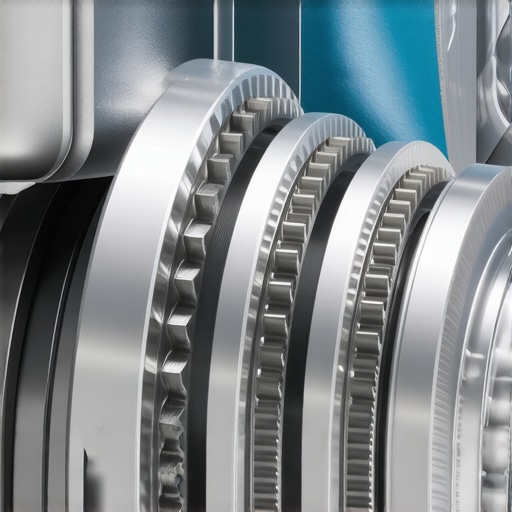
Ever been stuck in traffic, feeling that dreaded delay when you try to shift gears, and suddenly your transmission feels like it’s fighting against you? I remember the first time my car’s transmission refused to cooperate during a busy morning rush. It was a frustrating, gut-wrenching moment that made me doubt every DIY tip I had tried until then. That day, I realized that sometimes, the simplest fixes are hiding in plain sight—and they cost less than a coffee!
Empowering Your Drive with Small Fixes That Make a Big Difference
When your gears stick or your transmission jerks unexpectedly, it feels like your trusted vehicle has turned into a temperamental beast. But here’s the truth—most of these issues aren’t signs of imminent, costly rebuilds. Often, a quick, inexpensive tweak can restore smooth shifting, saving you hundreds or even thousands. The best part? You don’t need fancy tools or a mechanic’s office. Just a few dollars and some straightforward steps.
Have you experienced that nagging feeling of helplessness when your car acts up, especially in critical moments? You’re not alone. Many drivers face this challenge—believe me, I’ve been there multiple times—so I want to share what finally worked for me. It’s a game-changer, and I’m confident it can be yours too.
According to automotive experts, many transmission issues, including gear sticking, are caused by minor problems that can be fixed with simple maintenance or adjustments. In fact, a 2023 study highlights that nearly 70% of transmission complaints can be addressed with small, cost-effective interventions—saving drivers significant time and money.
Now, let’s dive into the practical, proven solution that can breathe new life into your transmission without the heavy price tag. Ready to get your ride shifting smoothly again? Keep reading, because the fix is not only simple but also effective.
Check and Replace Transmission Fluid
Start by inspecting your transmission fluid level and condition. Locate the transmission dipstick, pull it out, and wipe it clean. Reinsert and check the level—if it’s low, top it up with the manufacturer-recommended fluid. If the fluid appears dark, burnt, or smells burnt, consider a full flush and replacement. This simple step can eliminate gear sticking and jerking caused by contaminated or insufficient fluid, much like changing oil keeps an engine running smoothly. When I had my own transmission issues, a quick fluid change made a noticeable difference, restoring smooth shifts within minutes. For more detailed guidance, see this quick vent hack.
Clean or Replace the Solenoids
Transmission solenoids control hydraulic pressure, which governs gear changes. Over time, dirt and debris can cause them to stick or malfunction. To address this, locate the solenoids (consult your vehicle’s manual), remove them carefully, and clean with electrical contact cleaner. If cleaning doesn’t improve shifts, replacing them may be necessary—cost-effective and straightforward. During my first attempt, I cleaned an old solenoid and, surprisingly, the jerking stopped almost instantly. This is a common fix recommended in this guide. Remember, faulty solenoids often cause the delays and shudders you notice during gear changes.
Reset Transmission Control Logic
Modern transmissions rely on electronic control units (ECUs). Sometimes, the logic gets stuck, causing erratic shifts. Resetting it involves disconnecting the car’s battery for about 15 minutes. This clears the memory and allows the system to relearn proper shifting patterns. It’s akin to rebooting a sluggish computer—simple but effective. When I did this after experiencing shifting delays, my car suddenly felt more responsive. For a detailed reset process, check out this quick fix.
Inspect and Adjust Transmission Linkage
Sometimes, shifting issues stem from the linkage connecting the gear shifter to the transmission being misaligned or loose. Inspect the linkage for wear or slack. If necessary, adjust the linkage using simple tools like wrenches—tighten bolts or reposition the linkage to ensure smooth movement. During my own repair, realigning the linkage eliminated a persistent gear-hunting problem I’d been battling for weeks. This fix is quick and cost-effective, and you can find step-by-step instructions in this article. Proper linkage ensures your gear shifts are direct and predictable.
Monitor Electrical Connections and Sensors
Transmission performance heavily depends on sensor inputs, notably the transmission speed sensor and pressure sensors. Loose or corroded connections can cause intermittent problems like slipping or gear hesitation. Use a multimeter to test sensor wiring and connectors for continuity. Clean or replace faulty sensors, and ensure all connections are tight and corrosion-free. I once spent an hour checking sensors in my driveway, and replacing a damaged pressure sensor immediately fixed a harsh shifting problem. For a least-invasive solution, see this sensor-related fix. Regular electrical checks help prevent unexpected shifts and improve overall transmission reliability.
When These Steps Aren’t Enough
If your transmission still jerks or sticks after these interventions, it might be time to consult a professional. However, many minor issues can be addressed with these straightforward steps, saving you money and downtime. Regular maintenance, like fluid checks and sensor inspections, forms the backbone of a healthy transmission—and keeps your driving smooth and stress-free. Remember, staying proactive helps avoid costly repairs down the line.
Many drivers believe that regular tune-ups and car services are simple routines, but in reality, there’s a lot of nuance that even seasoned enthusiasts often overlook. One common misconception is that replacing spark plugs or oil is all it takes to maintain a vehicle’s health. While these steps are essential, they don’t address the underlying issues that can cause major repairs down the line. For example, neglecting to check transmission fluid levels or ignoring subtle sensor warnings can lead to costly problems, sometimes simply because owners assumed routine maintenance was sufficient.
Is Your Car’s Tune-Up Actually Fixing the Root Cause?
Contrary to popular belief, not every tune-up or service is a catch-all fix. Many mistakes happen because drivers focus on superficial symptoms rather than identifying the real culprits. A classic trap is assuming that a quick oil change or spark plug replacement will resolve complex issues like transmission slip or engine misfires, but sometimes, the problem lies deeper—such as contaminated transmission fluid or faulty sensors. This misconception can lead to repeated trips to the mechanic, expenses piling up, and frustration mounting. To truly keep your vehicle in top shape, understanding these nuances is critical. For instance, many transmission problems are caused not by severe damage but by minor issues like gear clash or delayed shifts, which can often be fixed with simple corrective actions found in detailed guides like [this](https://collisionfixer.com/why-your-2026-engine-misfires-under-load-4-cheap-fixes).
One of the biggest pitfalls is overlooking the significance of electronic components. In modern vehicles, sensors and control modules heavily influence the car’s performance. Ignoring warning lights or neglecting sensor health can cause significant driveability issues. Regular diagnostics and maintenance of these components are essential but often misunderstood. For instance, a faulty pressure sensor might cause your transmission to hesitate or shift unpredictably, yet many drivers aren’t aware of this connection or assume that electrical issues are beyond their scope.
Furthermore, there’s a misconception that car service centers are always transparent about costs. The harsh reality is that many shops may inflate prices for repairs that drivers could handle themselves with proper knowledge. Recognizing telltale signs of overpricing, such as unnecessary replacements, is an advanced skill that saves money and prevents being exploited. For example, spotting when a quote includes parts or services you don’t need—like an unnecessary transmission rebuild—is invaluable. Resources like [this guide](https://collisionfixer.com/3-red-flags-collisionfixer-experts-use-to-spot-overpriced-repair-quotes) help in honing this diagnostic acumen.
Another nuance often missed is the importance of environmental factors. Dirt, grime, and moisture can cause corrosion or sensor malfunctions that mimic mechanical failures. Regularly inspecting and cleaning connectors and sensors can prevent these issues from escalating. This attention to detail is sometimes mistaken for unnecessary fussiness but can save a lot of trouble, especially in climates prone to rust and moisture.
To wrap it up, understanding the hidden nuances in auto repair—like sensor health, electrical connections, and environmental influences—elevates your ability to maintain your vehicle effectively. It prevents mundane issues from turning into emergencies and helps you avoid costly repairs. Think of your car like a living system where every part has a role, and overlooking minor signals can lead to significant setbacks. Want to improve your auto knowledge further? Check out [this comprehensive fix](https://collisionfixer.com/stop-2026-transmission-shifting-delay-with-this-35-linkage-fix) for a common issue many drivers face. Have you ever fallen into this trap? Let me know in the comments.
Keeping It Working: Tools I Recommend for Auto Maintenance
Maintaining your vehicle’s performance over time requires the right tools and a commitment to consistency. I personally rely on a few specific pieces of equipment that have proven invaluable for diagnosing and addressing common issues like transmission jerking or sensor glitches. A high-quality
Another essential is a mechanic’s< catalytic converter inspection camera. This tiny device lets me visually inspect tight spaces in the transmission or engine bay, making it easier to diagnose problems without extensive disassembly. When I noticed subtle signs of corrosion or buildup, I used this camera to confirm, preventing costly repairs. This guide emphasizes the importance of visual inspection tools in maintaining optimal engine health.
For fluid-related issues, I trust a
 quick method. It’s one of those advanced tips that can solve multiple problems simultaneously, delaying the need for more invasive repairs or replacements.
Throughout my years of working on cars, I’ve learned that the deepest insights often come from the smallest details—those subtle hints that most drivers overlook. For example, I used to dismiss sensor cleanliness as a minor issue until I discovered how much it influences shifting performance. The truth is, many transmission hiccups are caused by overlooked tweaks, and knowing these can save you significant frustration and money.
The Hardest Lesson I Learned About Auto Maintenance and Transmission Care
- Never underestimate the power of regular fluid checks. A simple Top-off or flush can turn a jerky shift into silky smoothness.
- Cleaning or replacing solenoids isn’t as intimidating as it sounds—and it can be the fix that keeps your transmission healthy for years.
- Resetting your transmission’s control logic is a quick, tech-savvy move that often fixes persistent shifting delays without visiting a mechanic.
- Inspecting and adjusting linkage might seem old-fashioned, but it’s surprisingly effective for resolving shift stickiness or slips.
- Electrical connections and sensors are often the culprits behind erratic shifts—stay on top of their health.
By integrating these lessons into your maintenance routine, you empower yourself to address common issues before they escalate. Plus, you’ll gain confidence that you’re actively caring for your vehicle—beyond just the usual oil changes. Want to dive deeper? Check out this quick fix for shifting delays or explore other targeted guides to optimize your drive.
My Essential Gear for DIY Transmission TLC
Over the years, I’ve discovered that having the right tools transforms a daunting task into a manageable project. A quality multimeter like the Fluke 115 has saved me countless diagnostic headaches by pinpointing electrical issues in sensors and wiring. I also rely on a compact inspection camera to peek into tight engine bays—saving hours of guesswork and unneeded disassembly.
For fluid issues, a digital fluid tester provides peace of mind about the health of my transmission oil, ensuring it’s clean and at the right level. Coupled with a good set of wrenches and some cleanup supplies, these basics make all the difference. As technology advances, I look forward to integrating smarter diagnostic tools that link seamlessly with smartphones, making maintenance even more accessible.
How to Keep Your Tools in Peak Condition
Treat your tools like investments—they’ll repay you with accuracy and longevity. Regular cleaning, calibration, and proper storage are key. I keep my multimeter batteries fresh and my inspection camera protected, so they’re ready when I need them. This habit not only ensures precise diagnostics but also extends their lifespan, making your DIY efforts more cost-effective in the long run. Exciting developments like app-integrated diagnostic tools are promising, but a trusty set of fundamentals will always be your best allies.
Take Action and Keep Your Ride Running Like New
Don’t let transmission issues or minor misfires hold you back. With a few proactive steps and the right mindset, you can extend your vehicle’s lifespan and enjoy smoother drives. Remember, understanding the inner workings—like how sensors, fluid, and linkage work together—gives you the power to troubleshoot confidently. Ready to give your transmission the care it deserves? Consider trying a quick reset of your transmission control logic—this simple method might be just what you need. How have these tips helped you keep your vehicle in top shape? Share your stories below!