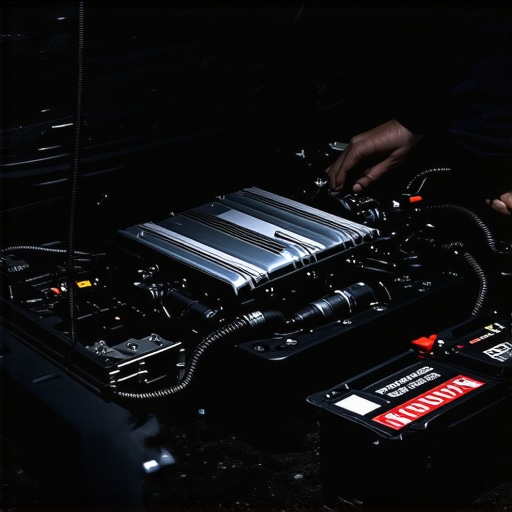
It was a frustrating morning when I went out to start my car and found the battery dead, again. The night before, everything seemed fine—no lights left on, no weird noises. But come morning, dead as a doornail. That lightbulb moment hit me hard: my alternator was slowly draining my battery every single night, and I was completely in the dark about why or how to fix it.
Why Your Car’s Brain is Sabotaging Your Battery Overnight
Many car owners don’t realize that their alternator, which is supposed to keep the battery charged while driving, can sometimes become a silent battery assassin. If it’s malfunctioning or has a hidden fault, it can cause your battery to drain even when the car is off. This was my wake-up call—realizing that a failing alternator isn’t just an inconvenience; it can leave you stranded, cold, and frustrated, especially if you don’t catch it early.
What’s worse? In my early days of auto repair ignorance, I kept replacing batteries without fixing the root cause. That’s a mistake I made, and I want to save you from it. Proper diagnosis is key, and understanding the signs can keep you a step ahead—saving you money and the headache of being stranded.
For a detailed guide on how to spot the signs of failing auto parts early, check out this helpful resource on [top signs your car needs expert auto repair now](https://collisionfixer.com/top-signs-your-car-needs-expert-auto-repair-now). Now, I’m stepping you through the process I wish I’d known sooner, to help you get your charging system back on track before it’s too late.
Could This Be the End of Your Car Battery Woes?
Before I discovered the real culprit, I often thought I was just unlucky—batteries don’t usually die overnight, right? Wrong. A small but critical mistake I made early on was neglecting to test my alternator properly. Misdiagnosing or ignoring this issue can turn a minor fix into a costly repair, or worse, leave you stranded.
Stay tuned—I’ll show you straightforward, effective ways to determine if your alternator is the culprit and how to fix it, so you don’t wind up replacing batteries every year. After all, regular tune-ups can significantly extend your vehicle’s lifespan, as I learned firsthand. Want to learn more? Visit [maximize your car’s lifespan with regular tune-ups](https://collisionfixer.com/maximize-your-cars-lifespan-with-regular-tune-ups) for expert tips.
Now, let’s get into the nitty-gritty—because your car deserves better, and your mornings shouldn’t start with a jumpstart.
Test Your Alternator’s Output with a Multimeter
Start your engine and set your multimeter to DC voltage. Connect the red probe to the positive terminal of the battery and the black probe to the negative terminal. A healthy alternator should produce between 13.8 and 14.8 volts. If your readings are outside this range, the alternator may be faulty, leading to battery drain. I once replaced a battery three times before realizing that a faulty alternator was the culprit, causing the new battery to die within weeks.
Inspect Drive Belt Tension and Condition
The alternator is driven by the engine’s serpentine belt. If this belt is loose, cracked, or slipping, it can cause inadequate charging. To check, switch off the engine, locate the belt, and press down gently—if it feels loose or has cracks, it’s time for a replacement. When I noticed my belt squeaking and slipping, replacing it immediately restored proper alternator function and prevented ongoing battery issues.
Perform a Load Test on Your Battery
Use a battery load tester to evaluate your battery’s capacity to hold a charge under circuit load. If the battery fails, replacing it might be necessary, but ensure your alternator is functioning correctly first. I learned this lesson the hard way when a new battery kept dying; testing revealed my alternator wasn’t charging it properly, saving me from unnecessary expenses.
Check for Parasitic Drains
Even a healthy alternator can’t compensate for electrical devices that stay on when the car is off. Disconnect the negative battery terminal, connect a multimeter in series, and observe the current draw. A typical draw should be less than 50 milliamps. If it’s higher, you have a parasitic drain. I once tracked down a faulty glove box light relay that was draining my battery overnight, highlighting the importance of this step.
Examine Wiring Connections and Grounds
Loose or corroded connections can hinder proper charging. Inspect the wiring harness from the alternator to the battery, looking for corrosion, broken wires, or loose terminals. Clean and tighten connections as needed. A quick inspection revealed a corroded terminal that, once cleaned, restored steady charging performance.
Replace or Repair Your Alternator if Necessary
If all tests indicate a faulty alternator, consider replacing it. While some choose to repair, the cost and reliability often favor a replacement. When I replaced my alternator with a rebuilt unit, I noticed an immediate improvement in starting power and battery life. Always verify compatibility with your vehicle make and model.
Re-test After Repairs
After completing repairs or replacements, retest your system. Repeat the voltage and load tests to confirm the issue is resolved. Ensuring your alternator charges properly can save you from future breakdowns and extend your battery’s lifespan.
Many car owners believe that all repair shops, including CollisionFixer, provide uniformly straightforward services. However, a critical nuance often overlooked is the misconception that choosing the cheapest or most advertised option guarantees quality. In reality, cutting corners during auto repair or transmission overhauls can lead to costly failures down the road; for example, neglecting proper diagnostics can cause repeated breakdowns, undermining long-term vehicle health. One prevalent myth is that tune-ups are obsolete or unnecessary if the car runs smoothly—yet, regular tune-ups can prevent minor issues from escalating into major repairs, such as transmission failure or engine misfires. A common trap to watch for is trusting generic repair shops without verifying their expertise, especially in complex systems like transmission overhauls; specialized shops with transparent processes tend to deliver better, more durable solutions. I’ve seen customers underestimate the importance of seasonal car services which, if neglected, can cause significant issues in transmission and engine performance. The misconception that all car issues are visible or immediately diagnosable also leads many to delay essential maintenance, resulting in compounded problems and higher repair costs. This underscores the importance of comprehensive diagnostics and trusted expertise—don’t fall into the trap of assuming your vehicle’s health is maintenance-free. To ensure you’re not misled by common myths, look for transparent communication, certified technicians, and reviews that back up their reliability. Regular vehicle care, including transmission maintenance and prompt repairs, can extend your car’s lifespan significantly. Remember, understanding the nuanced differences between reputable shops and their service philosophies can save you money and prevent unnecessary stress. Have you ever fallen into this trap? Let me know in the comments.
Maintaining Your Auto Repair Arsenal for Long-Term Performance
When it comes to keeping your vehicle in top shape, having the right tools and understanding best practices makes all the difference. I personally rely on a professional-grade multimeter, like the Fluke 115, because its accuracy and durability allow me to diagnose electrical issues swiftly, ensuring my battery and charging system stay reliable. Additionally, I swear by an infrared thermal camera to identify hotspots in electrical connections or overheated components—spotting potential problems before they escalate. Regularly using a quality torque wrench, such as the Tekton 1/2 inch drive model, ensures bolts are tightened to manufacturer specifications, preventing future mechanical failures.
Beyond hardware, software diagnostics have become indispensable. I recommend investing in a reputable OBD-II scanner like the BlueDriver Bluetooth Adapter, paired with its app, for quick, accurate readings of codes and real-time sensor data. This setup allows me to pinpoint transmission or engine issues without expensive trips to the shop, saving both time and money. As vehicle systems become more complex, integrating these tools into your maintenance routine stays ahead of potential breakdowns.
Also, maintaining clean, accessible wiring harnesses is critical. I keep a set of wire brushes and contact cleaner on hand to ensure electrical connections remain corrosion-free. Regularly inspecting and replacing worn drive belts with parts from trusted brands helps avoid unexpected breakdowns—especially critical for components like the alternator, which are vital in auto repair scenarios. The trend points toward more integrated diagnostic systems using AI and machine learning, promising even faster and more accurate troubleshooting in the future.
How do I keep my car’s electrical system in check over time?
Consistency is key. Schedule routine checks on your battery and alternator performance, especially before long trips or seasonal changes. Consider performing a simple voltage test with your multimeter periodically—aim for around 13.8 to 14.8 volts when the engine runs—to catch charging issues early. If you’ve noticed strange electrical behavior, like flickering lights or slow power window operation, using these diagnostic tools becomes even more crucial. For example, a quick test with your multimeter can reveal a parasitic drain caused by a malfunctioning relay or corroded ground connection, preventing future emergencies. As I continue to hone my skills, I’ve learned that regularly updating your knowledge base with reliable sources like CollisionFixer enhances your ability to perform effective, long-lasting maintenance.
Don’t just take my word for it—try out an advanced diagnostic tip: hook up your OBD-II scanner and observe live sensor data while running different systems. You might discover subtle issues like uneven transmission shifting patterns or early engine misfires. Mastering these simple yet powerful diagnostics can save you hundreds of dollars in repairs over time. Remember, keeping your vehicle in great shape isn’t just about quick fixes; it’s about strategic, consistent maintenance leveraging the right tools every step of the way. Stay tuned for more expert insights on long-term car care and repair strategies that keep your ride reliable and safe for years to come.
What I Wish I Knew Before Ignoring the Signs of a Failing Alternator
One of the hardest lessons I learned in auto repair is that ignoring early warning signs can lead to costly and inconvenient breakdowns. I used to dismiss dimming headlights or slow engine starts as minor issues, but they often meant my alternator was on its way out. Recognizing these signs early can save you from being stranded, especially during cold mornings or long trips.
Why Relying Solely on Battery Replacements Could Cost You More
Initially, I thought replacing batteries whenever they died was enough. However, I soon realized that a faulty alternator was silently draining my new batteries. Regular diagnostics, like testing the alternator’s output with a multimeter, are essential to identify underlying problems before they cause repeated battery failures. Trust me—diagnostics are the real money-savers in the long run.
How Consistent Maintenance Transformed My Car’s Reliability
Implementing routine checks—a quick voltage test, inspecting drive belts, and ensuring clean wiring—made a dramatic difference. These small actions prevented many unexpected breakdowns and extended my vehicle’s lifespan. Staying proactive with maintenance, rather than reactive, is the key to keeping your car running smoothly and avoiding the frustration of sudden failures.
Curated Gear That Keeps My Auto Repair Skills Sharp
My toolkit wouldn’t be complete without a reliable multimeter like the Fluke 115, an infrared thermal camera, and a quality torque wrench. These tools help me diagnose electrical issues swiftly and accurately. Investing in proper diagnostic equipment has empowered me to troubleshoot more effectively, saving both time and money, and I highly recommend them for any serious DIY enthusiast.
Taking Charge: Your Next Step in Auto Care
Remember, understanding your vehicle’s electrical system and performing regular checks can dramatically improve its performance. Whether you’re dealing with a battery or alternator problem, being equipped with the right knowledge and tools makes all the difference. Don’t wait for a breakdown—start building your auto care confidence today.
What’s been your biggest lesson in maintaining your car’s electrical system? Share your experiences below—I’d love to hear them!