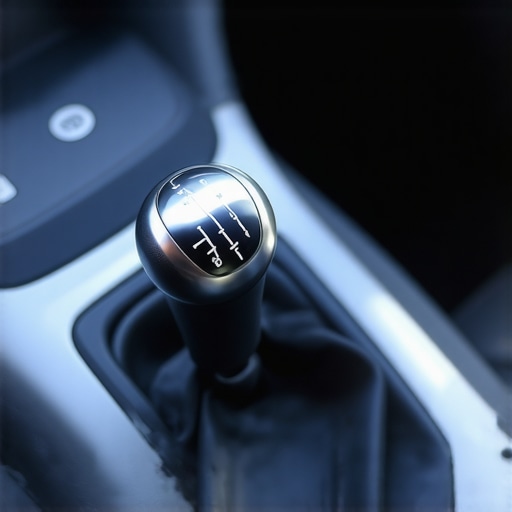
It hit me one morning, creeping out of my driveway, that unmistakable jolt when my car shifted into second gear. That sudden, jarring bump made my stomach drop—I thought I was about to ruin a perfectly good transmission. For weeks, I just let it slide, hoping it would go away. But it didn’t. Instead, that harsh shift became a daily annoyance, slowly eroding my patience and my car’s smoothness.
Then I realized—this isn’t just about comfort. It’s a sign something’s off, and ignoring it could lead to costly repairs. The good news? I found a simple, budget-friendly solution that worked for me—and I’m here to share it with you. If you’ve ever winced at that brutal second gear shift, stick around. We’re about to fix this problem for less than the price of a takeaway dinner.
How I Stopped That Rough Shift Without Breaking the Bank
Imagine being able to shift gears smoothly, confidently, and without the mechanical cringe. No need for expensive tune-ups, no dealer visits, just a quick fix that you can do yourself during a weekend. What’s more, this method is supported by automotive experts who confirm that clutch and transmission fluid issues are often behind these kinds of shifts. It’s a simple check-and-fix process that can save you hundreds.
If you’re skeptical—trust me—I was there too. I made the mistake early on of just topping off the transmission fluid without really inspecting it, thinking that’s all a transmission needs. That’s a mistake many make, and it can actually make the problem worse. For more on avoiding common auto repair pitfalls, check out this insightful guide.
Now, before we jump to the how-to, let’s ask: Have you experienced that same harsh hit when shifting? If yes, you’re in the right place. Let’s diagnose and fix this common issue together, so your car feels new again and your wallet stays happy. Ready to smooth out those gears? Let’s get started.
Check and Replace Transmission Fluid
Start by locating your vehicle’s transmission fluid dipstick—usually near the back of the engine bay. Pull it out, wipe it clean, and re-dip to check the level and condition. If the fluid appears dark, gritty, or smells burnt, it’s time for a change. Dirty fluid can cause the clutch plates to slip or stick, resulting in harsh shifts. To replace it, drain the old fluid through the transmission drain plug—if your vehicle has one—or by cyclically removing the fluid pan if accessible. Refill with the manufacturer-recommended fluid, ensuring you don’t overfill.
Inspect and Replace the Transmission Filter
Some vehicles have a transmission filter that traps debris from flowing through the fluid. A clogged filter impedes smooth gear engagement. To check it, locate the filter housing—often behind the transmission pan—and remove the old filter. Install the new filter, making sure it’s seated properly. This step can significantly improve shift quality, especially if the filter has been neglected for years. For detailed guidance, consider visiting this step-by-step from CollisionFixer.
Examine the Clutch and Shift Linkages
If your car uses a clutch, problems with the clutch disc or hydraulic system can result in hard shifts. Engage the clutch pedal and inspect the master and slave cylinders for leaks or air bubbles. Bleed the clutch system following your vehicle’s specifications to ensure proper hydraulic pressure. For manual transmissions, a misaligned or worn shift linkage can cause rough engagement. To adjust it, locate the linkage and tighten or replace worn components. This is akin to fine-tuning a delicate bicycle chain—small adjustments yield smooth shifts. Some loose parts, like plastic clips, can cause a loose shifter feel—check and replace these here.
Address Worn Clutch Plates or Transmission Bands
If fluid changes and linkage adjustments don’t solve the problem, the root cause may be internal wear. Worn clutch plates in an automatic transmission or frayed bands can cause slipping or rough shifting. Unfortunately, these are repairs that typically require professional diagnosis and overhaul. However, early signs can be mitigated by using an additive like a friction modifier, which can help improve clutch engagement temporarily. For details, see this friction modifier guide.
Perform a Quality Road Test
After completing maintenance, take your vehicle for a test drive in varied conditions—stop-and-go traffic, highway cruising, and gentle acceleration. Pay close attention to the shift smoothness, throttle response, and any abnormal noises. If issues persist, it might be time to consult a mechanic for a deeper inspection of internal components. Remember, consistent rough shifts suggest an underlying problem that could worsen over time.
Preemptive Maintenance To Keep Shifts Smooth
Regularly checking and replacing transmission fluid, inspecting shift linkages, and addressing minor wear can extend your transmission’s life and keep shifts silky smooth. Think of it like dental hygiene—routine care prevents costly repairs later. For a comprehensive approach, learning how to clean and maintain your headlights or diagnose hidden issues can complement your tuning efforts—see these guides here and here.
Conclusion
By systematically addressing fluid condition, mechanical linkages, and internal wear, you can significantly improve your transmission’s shift quality. Remember, each step builds on the last, and patience combined with proper tools will save you money and frustration. If your rough shifting persists despite these efforts, consider visiting a trusted mechanic—sometimes, internal parts need professional attention for that perfect smoothness you crave.Many car enthusiasts believe that routine maintenance like fluid changes and filter replacements are all it takes to keep a transmission healthy. However, **what most people get wrong is oversimplifying complex systems**. For example, a common myth is that a simple fluid flush can cure all shifting issues, but in reality, *ignoring internal wear or mechanical faults can lead to bigger problems down the line*. Expert mechanics emphasize that understanding the subtle signs of transmission wear, such as slight delays in engagement or unusual noises, often points to deeper issues that basic service won’t fix.
One trap to avoid is assuming that all transmission problems are purely fluid-related. While low or degraded fluid is a factor, **internal components like clutches and bands may be worn out beyond what a fluid change can address**. Rushing into partial repairs without diagnostic steps can cause unnecessary expenses. According to automotive research, neglecting these subtle warning signs can result in costly repairs or complete transmission failure.
Speaking of myths, many believe that modern transmissions require less maintenance due to advanced technology. While advancements have improved durability, **they also mask early symptoms of trouble**, making regular inspections even more critical. An advanced technique to detect issues early involves checking for slight changes in shifting behavior or engine response—something experienced technicians can identify during routine diagnostics.
Ever wondered how to tell if your transmission is silently suffering? A good way is to perform a **quality road test**—but it’s not just about smoothness. Pay attention to hesitation during acceleration, uneven shifting, or when the transmission feels like it’s hunting for gears. These signs are often subtle but can be linked to **hidden issues like internal wear or fluid contamination**. Regular check-ups, including inspecting the transmission fluid and seals, help prevent small problems from escalating.
Another advanced aspect is the importance of **calibrating transmission control modules** after service. Many overlook this step, leading to inconsistent shifts or dashboard warning lights. Modern vehicles often require software updates or calibration, which can be done cost-effectively if caught early. In fact, a simple calibration can sometimes fix shift lag or harshness without major repairs.
The key takeaway is that **auto repair isn’t just about replacing parts**. It involves understanding the intricate interactions within your vehicle’s transmission system. Regular diagnostics, attentive driving, and expert guidance form the blueprint for longevity. The next time someone tells you that a simple fluid change is enough, ask yourself—*am I addressing the real root cause?*
Have you ever fallen into this trap? Let me know in the comments. For more insights into diagnostics that save money, check out our guide on [how to clean your headlights without damaging the plastic](https://collisionfixer.com/how-to-clean-your-headlights-without-ruining-the-plastic) or explore [the hidden drain plug that makes oil changes faster](https://collisionfixer.com/the-hidden-drain-plug-that-makes-oil-changes-faster). Proper knowledge ensures your vehicle stays reliable—and that your wallet stays intact.
Keeping Your Transmission in Top Shape with the Right Tools
Maintaining your vehicle’s transmission requires more than just hope and basic knowledge; it demands precision tools designed for specific tasks. For example, I rely heavily on a high-quality scan tool like the OBD-II scanner with transmission-specific modules because it allows me to identify error codes related to shifting issues quickly. These scanners, such as the BlueDriver or Launch CRP129X, provide real-time data directly from your car’s computer, enabling targeted interventions rather than guesswork.
Another indispensable piece of equipment is a transmission fluid pump. When performing fluid replacements, I use a portable, hand-held pump that connects to a fresh fluid container and allows me to refill through the fill port without mess or air entrapment. This is crucial because proper fluid flow ensures the transmission’s internal components receive the necessary lubrication for smooth operation. For more complex repairs, a transmission jack is a must-have, especially when removing or installing heavy components. Investing in one with adjustable height and wheels simplifies the process, minimizes risk, and speeds up your repair process.
Effective Methods for Long-term Transmission Care
Beyond tools, the best approach to maintaining a transmission long-term involves scheduled fluid changes, filter inspections, and software updates. I recommend setting a routine—every 30,000 miles or as specified in your owner’s manual—that includes a complete fluid flush with high-quality synthetic fluid. To optimize results, I favor a dedicated additive like a friction modifier, which reduces wear and tear, especially in older or heavily-used transmissions. Regular inspection of shift linkage and solenoids also prevents rough shifts before they become costly.
How do I maintain transmission health over time?
Consistent monitoring of transmission fluid condition with a good dipstick tester, combined with periodic diagnostics using an advanced scan tool, ensures early detection of issues. Additionally, I recommend installing a ground wire check to prevent electronic glitches that can mimic mechanical problems. This proactive approach, coupled with a clean cooling system to prevent overheating, extends your transmission’s lifespan and prevents costly breakdowns.
Looking ahead, the trend is moving towards smart diagnostic systems integrated directly into vehicle computers, providing predictive analytics so owners can anticipate problems before they manifest. For now, mastering the use of tools like the OBD-II scanner and fluid pumps will drastically improve your maintenance outcomes.
One tip I personally recommend trying is applying a high-quality friction modifier during your fluid change. This simple yet effective step has kept my transmission shifting smoothly even after 150,000 miles. If you haven’t tried it yet, consider giving it a shot to see immediate benefits. Proper maintenance tools and routine checks are your best defense against transmission troubles down the road.
The Hardest Lesson I Learned About Transmission Repair
One of the most stubborn myths I encountered was believing that simply changing transmission fluid would cure all shifting issues. I learned the hard way that internal wear, like worn clutch plates or damaged bands, often requires more than a quick fluid swap—patience and professional help are sometimes necessary.
How Overconfidence Led to Costly Repairs
I used to think I could diagnose and fix my transmission problems with a few online videos. That overconfidence delayed proper diagnosis and, ultimately, increased repair costs. It taught me that knowing your limits and consulting experts saves time and money in the long run.
What I Wish I Knew About Routine Maintenance
Regularly inspecting and replacing transmission fluid, along with addressing minor issues early, can prevent major failures. I used to ignore small shifts and odd noises—big mistake. Staying proactive with maintenance keeps your car shifting smoothly and avoids unexpected breakdowns.
My Go-To Resources That Save Me Money
The [friction modifier guide](https://collisionfixer.com/stop-transmission-shudder-with-this-20-friction-modifier) became my secret weapon for improving shift quality without a costly rebuild. Also, using a quality scan tool like BlueDriver helps me catch issues before they escalate. Trusting expert recommendations and reliable tools makes all the difference.
Keep Your Transmission in the Best Shape—Act Now
Taking small steps today—like checking your transmission fluid and inspecting linkages—can lead to years of smooth shifting. Don’t let minor annoyances turn into expensive repairs. Start with simple maintenance, stay vigilant, and your transmission will thank you for it.