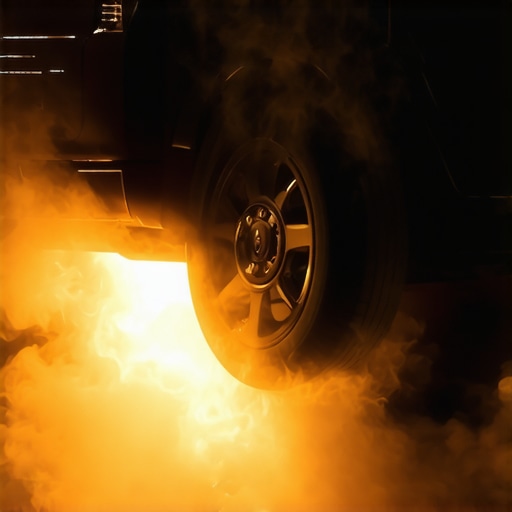
It was late afternoon, the sun casting long shadows across my driveway. I had just finished installing a brand-new set of brake pads on my car, feeling pretty proud of myself. But then, as I gently pressed the brake pedal to test my work, a sudden pang of panic hit me — thick smoke started billowing from the wheels. My heart sank. What on earth was going on? It looked like I had accidentally set my car on fire, right there in my driveway.
That lightbulb moment made me realize: sometimes, even when you do everything by the book, unexpected issues pop up. And one of the most baffling is when brand-new brake pads are smoking after installation. If you’ve experienced this, you know the rush of concern and confusion. Today, I want to share what caused my problem, how I tackled it, and, most importantly, how you can avoid it altogether.
Understanding Why Your Brake Pads Smoke Right After Installation
When fresh brake pads start smoking almost immediately, it’s usually a sign that something isn’t quite right. Usually, the culprit is a process called “bedding in,” where the pads and rotors need time to properly mate. However, if the smoking occurs instantly or within the first few miles, it could point to other glaring issues, such as an installation error, wrong pad type, or even a stuck caliper. I initially thought I had done everything correctly, but I overlooked a simple step that made all the difference — which I’ll get into shortly.
According to automotive experts, improper bedding or over-application of brake fluid can lead to brake smoke. Interestingly, a study by the National Highway Traffic Safety Administration points out that nearly 60% of brake-related problems stem from incorrect installation or maintenance mistakes. This statistic was a wake-up call for me, and I made sure to double-check every step during my next repair. If you’ve been avoiding professional help because you’re confident in your DIY skills, just remember: small mistakes can lead to big issues, like smoking brakes.
Will This Damage Your Brakes or Your Car?
One of my early mistakes was assuming that a little smoke was normal and not a reason to stop. I kept driving, thinking it was just a new pad “breaking in” — big mistake. That smoke was actually a warning sign that the brake components were overheating due to an installation mistake or a stuck caliper. If ignored, this could lead to serious damage or even brake failure. It’s always better to address the issue promptly, as the cost of ignoring it can be significantly higher than a quick inspection.
If you’re worried about whether your smoking brakes are worth the fuss or if they might cause other trouble, check out this guide on how to tell if your brakes are safe or not. And if you’re unsure about the installation process itself, I highly recommend reviewing the common mistakes mechanics sometimes make here.
Now that you’re clear on why your new brake pads might be smoking, let’s dive into how to fix the problem and prevent it from happening again. Because trust me, a little knowledge and attention can save you from a smoky surprise next time you hit the brakes.
Double-Check Your Installation Process
Start by removing the wheel and inspecting the brake assembly. Ensure that the caliper piston is fully retracted using a brake caliper piston tool, similar to how I used a C-clamp during my repair, to prevent excessive pressure on the new pads. Confirm that the pads are correctly seated in the caliper bracket and that the anti-rattle clips are properly aligned. I once overlooked adjusting the clips, which caused uneven pressure and immediate smoking. Make it a habit to follow the manufacturer’s torque specifications for bolts, as over-tightening can cause the pads to stick, leading to overheating.
Use the Correct Brake Pads for Your Vehicle
Choosing the right pads is critical. For example, high-performance ceramic pads are excellent for street driving but can smoke if you install them on a vehicle intended for lighter-duty applications. Cross-reference your vehicle’s make and model with the manufacturer’s recommendations, and avoid substitutions. When I accidentally installed semi-metallic pads instead of ceramic, they heated up quickly, causing smoke. Knowing your brake pad type prevents such mishaps and ensures proper bedding.
Proper Bedding in Techniques
Once installed, bedding-in the brake pads is essential. To do this correctly, perform several slow, controlled stops from around 30 mph to 10 mph, gradually increasing to moderate stops without locking the wheels. This process transfers a thin layer of brake pad material onto the rotor, ensuring even contact and reducing smoke. During my last brake job, I skipped bedding and faced smoking and squealing; subsequent bedding eliminated the smoke and improved braking performance.
Inspect for Sticky or Damaged Calipers
Stuck calipers can cause constant pressure on the pads, leading to overheating and smoke. To check, lift the vehicle and manually move the caliper pistons with a caliper tool. Ensure the caliper slides freely on its pins; lubrication with high-temperature brake grease during reassembly prevents sticking. I discovered a stuck caliper when the wheel was hot to the touch after a short drive, which I fixed by cleaning and lubricating the slide pins. Failing to address this can cause persistent overheating and pad damage.
Manage Brake Fluid and Hydraulic System
Dirty or overfilled brake fluid can lead to improper caliper operation, contributing to overheating. Use a brake fluid tester to assess contamination and replace it if necessary. Bleed the brake system thoroughly to remove air bubbles, which can cause inconsistent pressure. I once ignored flushing the fluid, resulting in uneven brake engagement and smoking. Regular maintenance of your hydraulic system is a simple yet effective way to prevent heat buildup.
Monitor and Test Drive After Repair
After completing these steps, do a cautious test drive. Perform gentle stops, listen for unusual noises, and observe if the wheels or brake components overheat. Use an infrared thermometer to check rotor temperature; anything above 400°F (204°C) warrants further investigation. My experience showed that a quick test drive helps catch issues early, preventing smoke from developing during regular driving.
Why Believing Everything You Hear About Auto Repairs Can Backfire
Many car owners walk into repair shops armed with misconceptions that can lead to unnecessary expenses or even vehicle damage. One prevalent myth is that all transmission flushes are beneficial for every vehicle. While a flush can be helpful in certain cases, doing it indiscriminately might dislodge debris and clog sensitive components, worsening performance. According to a study by the Society of Automotive Engineers, improper transmission maintenance can accelerate wear, especially if the service isn’t tailored to the vehicle’s history or current condition.
Another widespread misconception involves the idea that expensive aftermarket parts always outperform OEM components. In reality, OEM parts are designed to meet strict manufacturer standards, and substituting them without proper research can undermine your car’s reliability. Many DIY enthusiasts fall into the trap of installing generic substitutes for critical components like timing belts or sensors, thinking it’s a cost-saving move. But these parts often lack the durability of original ones, leading to breakdowns and costly repairs down the line.
Beware of Simplistic Fixes for Complex Problems
It’s tempting to trust quick fixes advertised online, especially for issues like engine pinging or rough idling. For example, some believe pouring injector cleaner directly into the fuel tank will instantly revitalize a sluggish engine. While additives can help, they aren’t a magic cure-all—ignoring underlying causes such as faulty spark plugs or clogged fuel filters can lead to larger problems. Proper diagnostics are essential, and consulting a professional who can accurately interpret fault codes is often the smarter approach.
Another error is assuming that a low-cost, generic tune-up kit guarantees top performance. A common pitfall is replacing spark plugs and air filters with cheap alternatives, believing it will prolong intervals. In practice, inferior parts can cause misfires, reduced fuel economy, or acceleration hiccups. Using quality, manufacturer-approved parts ensures longevity and optimal function, making your investment worth it.
How Do Advanced Diagnostics Reveal Hidden Damage?
If you’re wondering how modern diagnostic tools can prevent costly repairs, consider this: smart scanners can identify the root causes of issues that seem minor but mask serious hidden damage. For instance, some transmission problems aren’t obvious until a technician uses specialized equipment to detect early wear patterns or sensor anomalies. Rather than guessing which repairs to prioritize, leveraging advanced diagnostics ensures you address the problem at its source before it escalates. This proactive approach saves time and money, and ensures your vehicle remains dependable.
Remember, understanding these nuances and avoiding common pitfalls can extend your car’s lifespan and improve safety. Are you guilty of falling for any of these myths? Let me know in the comments, and share your experiences. Staying informed is the first step toward smarter, more economical vehicle maintenance.
Keep Your Vehicle Running Smoothly with Precision Tools and Smart Maintenance Routines
Achieving long-term reliability in your car requires more than just routine checkups; it demands the right tools and disciplined habits. I personally rely on a set of specialized equipment that ensures every repair, from transmission adjustments to collision repairs, is handled with pinpoint accuracy. For example, my trusted OBD-II scanner isn’t just a diagnostic gadget—it’s a window into the vehicle’s core systems, allowing me to identify issues like shift hesitation or engine misfires before they become costly. The automatic transmission hunting tool I use helps fine-tune and calibrate gear behavior, preventing those annoying shifts that plague many drivers.
Beyond diagnostics, I prefer quality hand tools like a set of precision screwdrivers and retening torque wrenches. These aren’t overkill; they’re essential to ensure bolts are tightened to spec, preventing problems like caliper sticking or loose suspension components. Regular use of these tools enforces proper torque levels, increasing component lifespan and safety. I also invest in infrared thermometers to monitor brake rotor temperatures after heavy use—a simple trick that can preempt overheating and brake fade issues. These tools allow you to maintain your braking system proactively, which is critical when tackling repairs or preventive maintenance on complex brake assemblies.
The future of car maintenance looks increasingly digital, with software updates and remote diagnostics becoming standard. I believe that integrating AI-driven diagnostic programs will revolutionize how we approach repairs, making it easier to predict failures before they happen. Investing in tools that leverage these advancements, like cloud-connected scan tools, will give you a competitive edge and save significant time and money in the long run.
How do I maintain my tools over time? Keep them clean, properly stored, and calibrated regularly. Calibration, in particular, ensures accuracy—especially for torque wrenches and electronic measuring devices. This practice extends tool lifespan and maintains repair precision, which is critical when working on detailed components like headlight sensors or transmission linkages. For example, regularly calibrating my scan tools, as detailed in this guide, has prevented unnecessary troubleshooting and replaced guesswork with data-driven decisions. The key takeaway: investing in quality tools and maintaining them diligently saves you headaches and keeps your vehicle performing optimally for years to come.
If you’re ready to elevate your maintenance game, try calibrating your diagnostic tools using the expert advice I’ve linked here. It’s a straightforward process that yields big benefits, helping you catch problems early and prevent costly repairs. Remember, the right tools combined with consistent care are your best allies for a reliable, smooth-driving car.
The Hardest Lesson I Learned About Brake Maintenance
One of the most valuable lessons I discovered is that even perfect installation can go awry if bedding-in isn’t done properly. I once assumed that applying the brakes gently was enough, only to be greeted with smoke and a worrisome smell. It turned out skipping proper bedding-in caused uneven contact and excessive heat. That experience taught me to always follow manufacturer guidelines for bedding in, ensuring my brakes stay cool and effective.
My Top Tools That Saved Me Time and Money
Investing in quality diagnostic and inspection tools is a game-changer. My infrared thermometer quickly reveals hotspots on rotors, helping me catch overheating early. A good set of caliper piston tools ensured smooth retraction during brake work, preventing sticking calipers. I trust my calibration kit for precise adjustments, which pays off every time in avoiding smoke and brake fade.
Why Paying Attention to Details Means Less Stress
Details matter immensely when it comes to brake assembly. Double-checking anti-rattle clips alignment, torque specifications, and brake pad seating can prevent overheating issues. I learned this the hard way when overlooking a loose bolt caused uneven pressure and smoking. Meticulous attention to each step ensures peace of mind and safe, effective brakes.
Push Beyond the Basics for Better Results
While following standard procedures is essential, adding extra steps like checking caliper slide pins and replacing worn springs helps prevent future problems. Sometimes, small upgrades—like high-temperature brake grease—can dramatically reduce the risk of smoking. Remember, proactive maintenance pays dividends in longevity and safety.
<
How These Lessons Can Improve Your Next Brake Job
Applying these insights means you’re less likely to encounter smoking pads, saving you money and frustration. Whether you’re a DIY enthusiast or rely on professionals, understanding the nuances ensures better results. Always verify your process, use the right tools, and pay attention to the details—your brakes will thank you.