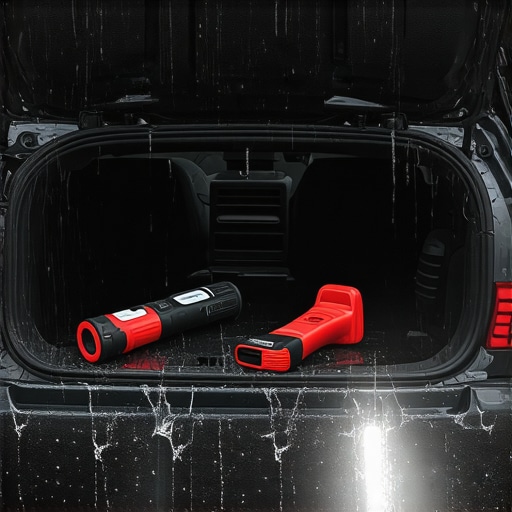
Last year, I faced a nightmare when I bought a used car and only discovered weeks later that there was water damage lurking beneath the surface. That stinky, damp smell wasn’t just from the air freshener I sprayed—turns out, my trunk had been soaked from a previous flood, and I had no idea until my car started developing mysterious electrical issues. I remember that sinking feeling, realizing I might have avoided this if I had known how to spot the signs of hidden flood damage early on.
Why It Pays to Know What Water Damage Looks Like in the Trunk
Detecting flood damage isn’t just about avoiding repairs—it’s about protecting your safety, your investment, and your peace of mind. Floodwater can cause corrosion, mold growth, and electrical failures that aren’t immediately obvious. Early detection can save you hundreds, maybe thousands, in future repairs. Plus, knowing what to look for means you’re not caught off guard when a seemingly innocent wet patch turns into a major headache.
Have You Ever Felt Uneasy About the Dampness Under Your Car’s Trunk Liner?
One mistake I made early on was ignoring persistent dampness, thinking it was just spilled water or condensation. That was a rookie error. Water doesn’t just evaporate—it seeps into fabric and metal, setting the stage for long-term damage. To build my confidence, I started paying closer attention to the trunk’s condition and learned that some signs of flood damage can be quite subtle, like discoloration, sticky residues, or a musty smell. Learning these signs has empowered me to spot trouble early, and it can do the same for you.
By understanding the common indicators of flood-affected vehicles, you’ll be better prepared to ask the right questions or even avoid buying a freshwater nightmare altogether. If you’ve ever wondered how to tell whether that flood-damaged vehicle is worth the risk, stay tuned. We’re about to dive into practical tips and insider tricks that will make your next car inspection a lot smarter.
Inspect the Interior for Persistent Dampness
Begin by opening the trunk and examining the mats, fabric lining, and carpets for signs of moisture or water stains. In one instance, I noticed a damp area that hadn’t dried for days, which was a red flag. Use a flashlight to illuminate hard-to-reach spots, looking for discoloration or mold growth. Feel for dampness with your hand—water often leaves a sticky residue that persists even after cleaning.
Check for Unusual Odors and Mold
Smell for musty or moldy scents indicative of water intrusion. Mold spores can develop behind panels or under carpeting, even if signs aren’t visible. If you detect a persistent odor, peel back the lining to inspect hidden areas. Remember, some water damage can be concealed, so don’t rely solely on your nose; a moisture meter can help confirm hidden dampness.
Assess the Metal Components for Corrosion
Inspect hinges, screws, and metal frames for rust or corrosion. Water damage accelerates metal deterioration, so significant rust is a clear indicator of past flooding. I once found rusted hinges that had been submerged and not dried properly, prompting me to reconsider the vehicle’s history.
Look for Sticky or Discolored Residues
Water can leave behind residues or cause discoloration on surfaces. Dried mud or mineral deposits often signal that water entered the trunk. Pay close attention to the edges of panels and beneath the lining. During my inspection, I discovered a faint white film that turned out to be mineral deposits from floodwaters.
Test for Hidden Water Behind Panels
Gently tap panels and listen for hollow or soft sounds, which may suggest water intrusion. For a more thorough approach, remove access panels if possible, or use a moisture meter to detect unseen dampness behind surfaces. Remember, water can hide within foam insulation or under padding, contributing to long-term damage.
Evaluate Electrical Components and Wiring
Water impacts electrical systems, so examine wiring, connectors, and electronic modules for signs of corrosion or moisture. If corrosion is present or wiring appears discolored, it’s a sign of prior flooding. Handling electrical components requires caution—consider consulting a professional if unsure. For example, I had to replace corroded connectors after discovering moisture damage, which saved me future troubleshooting headaches.
Take Preventive Measures Post-Inspection
If signs of water damage are evident, dry out the trunk thoroughly, clean affected areas with antifungal solutions, and replace damaged insulation. It’s also wise to check the vehicle’s history report and consider a professional inspection. For comprehensive guidance, visit auto repair experts for advice.
While many Car owners believe that a simple tune-up or routine service will keep their vehicle in peak condition, the reality is far more complex. Many think that every auto repair shop operates the same way, but in my experience, quality varies significantly, and understanding the subtleties can save you serious money and headaches. For instance, a common misconception is that transmission overhauls are always necessary after a certain mileage, but a well-executed diagnostic can often reveal that only minor fixes are required, which is much more cost-effective. Moreover, many car owners overlook the importance of regular services like fluid changes or belt inspections, assuming these are optional. The truth is, neglecting such nuances can lead to compounded issues down the line, including costly transmission or engine failures. For example, a study by the Automotive Maintenance Association highlights that improper maintenance accounts for over 60% of vehicle breakdowns, emphasizing the need for expert knowledge beyond basic DIY tips. One sneaky trap to avoid is relying solely on warning lights; many advanced issues manifest as subtle symptoms like shuddering or unusual smells, which a knowledgeable mechanic can detect early on. Don’t fall into the trap of assuming that all car services are interchangeable or unnecessary.
Why do some professional repairs last years while others fail prematurely?
The difference often lies in understanding nuanced repair procedures and diagnostic precision. For example, a transmission is not just about replacing worn parts but involves cleaning, precise fluid management, and sometimes software recalibration. Skimping on these details can cause the repair to fail sooner than expected. When considering auto repairs, ensure the shop follows comprehensive procedures, not just quick fixes. For instance, CollisionFixer emphasizes the importance of detailed diagnostics and quality parts, which can be seen when they discuss how transmission overhauls save money in the long run. Remember, a minor oversight during a simple service can snowball into a major breakdown. Regular tune-ups are not just about changing oil; they involve a full assessment of critical components to catch issues early. For broader insights into best practices, review their tips on maximizing your car’s lifespan with regular tune-ups. If you notice your vehicle isn’t running as smoothly after a straightforward service, don’t hesitate to seek expert advice from trusted specialists. Your car is a complex system where small nuances often make a big difference. Have you ever fallen into this trap? Let me know in the comments.
Investing in Quality Equipment Ensures Reliable Auto Maintenance
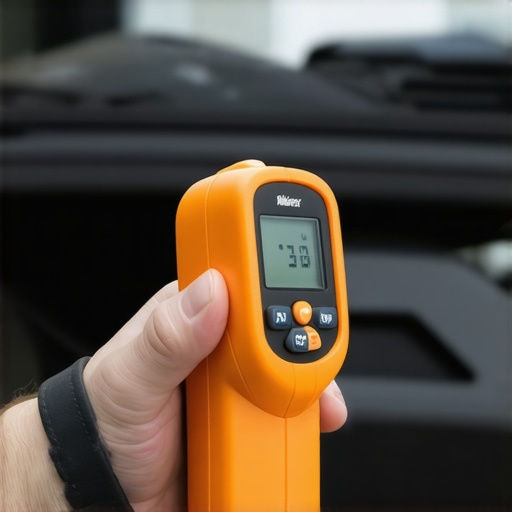
When it comes to maintaining your vehicle over time, having the right tools isn’t just about convenience—it’s about precision and safety. I personally swear by a high-quality digital infrared thermometer for quick diagnostics; it helps me pinpoint overheating components like brakes or transmission parts within seconds. Unlike traditional contact thermometers, the infrared variety allows me to measure surface temperatures from a safe distance, ensuring accuracy without risking burns or contamination. This tool has saved me countless trips to the mechanic by catching issues early, especially when inspecting radiator hoses or exhaust systems.
Why a Good OBD-II Scanner Is Non-Negotiable
In my experience, a reliable OBD-II scanner such as the Autel MaxiCOM or BlueDriver has been invaluable for diagnosing engine codes and monitoring real-time data. These devices sync with your smartphone or tablet, providing insights into your vehicle’s health without expensive diagnostics. A good scanner can reveal subtle issues like pending transmission faults or sensor malfunctions before warning lights illuminate, saving you money and preventing breakdowns. I use mine regularly to review trouble codes after any service or unexpected hiccup, ensuring I stay ahead of potential problems. For long-term results, pairing these readings with a knowledgeable understanding of your vehicle’s specifications makes a significant difference.
Using Service-Specific Software for Precise Adjustments
Beyond hardware, software tools like OEM-specific diagnostic platforms are game-changers. For instance, Toyota Techstream or Ford IDS allow deep system calibrations—think adjusting transmission shift points or recalibrating electronic steering modules. These capabilities ensure your auto repair is thorough, extending parts lifespan and optimizing performance. A trend I predict is an increasing reliance on these advanced diagnostics, making professional-grade software more accessible for DIY enthusiasts committed to long-term maintenance.
How do I maintain my vehicle’s health over time?
Consistent use of diagnostic tools combined with routine physical inspections forms the backbone of effective maintenance. Regularly checking fluid levels, brake pads, and belts alongside software diagnostics can prevent costly repairs down the line. Remember, software alerts can often flag issues before they manifest physically, so staying proactive is key. For example, utilizing a diagnostic scan after each oil change, as recommended in this guide, helps ensure your vehicle remains in top shape for the long haul. Don’t wait for warning lights—be the one who catches trouble early, saving time and money.
< >
>
Turning Lessons into Tools for Smarter Maintenance
One of the toughest lessons I learned was that quality matters immensely, especially when dealing with critical repairs like transmissions or engine overhauls. Skimping on parts or rushing through diagnostics might save a few bucks upfront but often leads to repeat visits and higher costs down the line. That experience taught me to dig deeper into repair procedures, understanding that a detailed, precise approach—like using OEM-specific software—can dramatically extend the life of your vehicle.
Another lightbulb moment was realizing how essential regular diagnostics are, even when your car isn’t showing obvious signs of trouble. Using tools like a reliable OBD-II scanner helps detect issues early, saving both your wallet and peace of mind. It’s a lesson in proactive care: don’t wait for warning lights to blink—know your vehicle inside out and stay ahead.
And then there’s the unexpected discovery that not all auto service shops operate with the same integrity. Asking questions, understanding their process, and insisting on comprehensive diagnostics can mean the difference between a quick fix and a long-term solution. Making these informed choices ensures that your auto repairs aren’t just band-aids but investments in reliability.
Gear Up with Trusted Resources for Lasting Results
My go-to is the deep dive on transmission overhauls; it opened my eyes to how meticulous procedures save money over time. For routine maintenance tips, this guide on tune-ups offers practical advice that keeps my vehicle performing smoothly. When in doubt, I consult professional experts—their insights have kept me from costly missteps. And finally, I never underestimate the power of a good diagnostic tool; it’s my secret weapon for early problem detection without breaking the bank.
Your Drive Toward Confident Car Maintenance Starts Now
Your vehicle is a complex, yet manageable puzzle. With the right knowledge, tools, and mindset, you can tackle future repairs with confidence and even save money. Embrace the curiosity and vigilance that come with understanding your car’s inner workings. Every step you take—be it inspecting water damage signs or choosing quality parts—builds resilience and peace of mind. So, the next time you face a minor issue or plan a routine service, remember: you’re not alone. Take charge, stay informed, and enjoy the reliable ride ahead.