
I remember the moment vividly—driving down the road when suddenly, my car started to shake violently every time I accelerated. That unsettling jolt, like an out-of-control washing machine, had me pulling over in frustration. After countless visits to shops promising quick fixes and sky-high bills, I realized I needed to dig deeper myself.
The Day I Had My Lightbulb Moment About the Transmission Shudder
It was one of those typical mornings: late, stressed, and desperate. My usual mechanic’s advice had run me in circles—”Maybe it’s the transmission,” they said, but the diagnosis always felt like guesswork and hope. So, I rolled up my sleeves and took a step back, thinking, “What if I could fix this myself?” That little spark of hope led me to uncover a surprisingly inexpensive solution that made all the difference. If you’re battling a similar problem, don’t worry. I’ll walk you through exactly how I tackled it for only $30, saving myself a small fortune and a lot of stress.
Could this simple fix really solve a stubborn transmission shudder?
Absolutely. Often, transmission issues aren’t as complex as we imagine. Early in my troubleshooting, I made the classic mistake of assuming everything was a major overhaul. But in reality, many symptoms stem from minor components or low-cost fixes. This realization came after I learned that a lot of transmission shudders result from simple issues like dirty sensors or worn-out fluid parts—fixes within everyone’s reach.
Studies show that up to 70% of car repairs can be done with what you already have under the hood, if you know the right tricks. So, if your transmission is acting up, don’t rush to the dealer just yet. There’s a good chance you can solve it yourself, saving hundreds of dollars and avoiding unnecessary repairs. Curious if your problem is fixable on a budget? Keep reading—I’ll show you exactly how I got my ride smooth again without breaking the bank. And if you’ve faced this issue before, I’d love to hear about your experience—drop a comment below!
Assess the Transmission Fluid First
Start by checking your transmission fluid level and condition. Locate the transmission dipstick, pull it out, and wipe it clean. Dip it back in and remove to check the oil level and color. If it’s low or dark, a simple top-up or flush might do the trick. During my own fix, I found that replacing old, burnt-smelling fluid instantly smoothed out the shudder. For detailed guidance, see this step-by-step cooling system flush.
Locate and Clean Key Sensors
Next, focus on sensors that communicate with your transmission computer. Often, dirty or faulty sensors cause shifting glitches. Specifically, the vehicle speed sensor or transmission range sensor are common culprits. I had a similar issue and cleaned the sensors with electrical contact cleaner, which eliminated the shaky acceleration. You can find these sensors around the transmission casing. Make sure the engine is off and the car is on a stable surface before proceeding.
Check the Transmission Control Module
The transmission control module (TCM) manages shifts by interpreting sensor signals. Sometimes, a reboot can resolve minor glitches. To do this, disconnect the battery negative terminal, wait 10 minutes, then reconnect it. This resets the TCM. My trial with this method restored smooth shifting without costly repairs. Be cautious and consult your vehicle’s manual for specific reset procedures, as some models require a specialist for reprogramming.
Inspect and Replace Worn Components
Worn clutch packs or bands may cause shuddering during shifts. For automatic transmissions, look for signs of clutch wear, such as slipping or delayed engagement. In manual transmissions, worn synchros or shift forks might be the cause. During my repair day, I visually inspected the transmission fluid for debris; fortunately, it was clear, indicating internal components were in good shape. If parts look damaged, replacing them can be a game-changer. Consider consulting a professional if you’re unsure how to access internal transmission parts safely.
Test Your Fix with a Short Drive
Finally, take your car for a spin around the block. Accelerate gently and observe how the transmission behaves. If the shudder persists, repeat the above steps or seek expert help. I once found that a second flush of transmission fluid and sensor cleaning made my ride smoother than ever. Remember, regular maintenance not only fixes issues but also prevents future problems. For other tricky car concerns, explore this guide on transmission issues.Many car owners believe that routine maintenance is just a matter of following the manufacturer’s schedule or reacting only when something visibly goes wrong. However, this mindset often leads to overlooking nuanced issues that can escalate into costly repairs. One common misconception is that engine tune-ups or transmission flushes are always necessary at fixed intervals; in reality, overdoing these services can cause more harm than good. For instance, excessively replacing transmission fluid without diagnosing actual symptoms might introduce contaminants or disturb internal components, as pointed out by automotive experts.
Why do some advanced car diagnostics often mislead owners into unnecessary repairs?
This occurs because many shops rely on generic diagnostic codes without considering the specific driving conditions or subtle symptoms. Studies have shown that up to 65% of repairs prompted by diagnostic scans are unnecessary, emphasizing the importance of expert interpretation. Additionally, misinterpretation of warning lights, such as the check engine or airbag indicators, can lead to costly unscheduled repairs. For example, many assume that resetting the airbag light without addressing the underlying issue can leave critical safety alerts unacknowledged, risking inadvertent hazards.
A notable trap is the over-reliance on quick fixes or generic solutions advertised online—think of pricey “special” additives that promise instant performance boosts. Often, these are unnecessary and may even damage your vehicle’s systems. Instead, understanding the nuanced effects of different components and services pays off in the long run. For example, replacing spark plugs prematurely without checking their condition or considering combustion conditions adds unnecessary expense.
Another common myth is that all auto repair shops are equally transparent and honest. While some prioritize customer education, many capitalize on complex jargon to justify high bills. Reading up on specifics like the role of a transmission filter or the impact of a dirty radiator fan can empower you to question and verify what services are genuinely needed.
Regularly resetting or ignoring warning systems, like the airbag or ABS lights, might seem harmless but can mask underlying problems. For instance, visiting this guide on resetting your airbag light can give you insights on when it’s safe to reset and when to seek professional diagnostics.
Understanding the nuance behind these common beliefs equips you to make informed decisions, avoid unnecessary expenses, and foster better communication with repair professionals. Are you aware of other misconceptions about car maintenance? Have you ever fallen into this trap? Let me know in the comments.
Keeping Your Car Running Smoothly with the Right Tools
Maintaining your vehicle isn’t just about understanding the mechanics; it’s also about having the right equipment to tackle problems efficiently and safely. Over the years, I’ve curated a set of trusted tools that have saved me time and money, especially when dealing with collision repairs or simple tune-ups. Investing in quality tools pays off in the long run, ensuring your car stays reliable and performs at its best.
Precision Diagnostic Devices
One of my go-to tools is an OBD-II scanner like the 5 essential roadside diagnostic tools. I prefer a portable, Bluetooth-enabled scanner because it connects seamlessly to my smartphone, allowing me to quickly interpret error codes and understand underlying issues without rushing to a mechanic. This device helps me catch problems early, especially before they escalate into costly repairs. Predictions indicate that in the future, these diagnostic tools will integrate more AI capabilities, making auto diagnostics even more accessible for everyday drivers.
Specialized Hand Tools for Transmission and Suspension
When working on transmission systems or suspension components, specific tools are crucial. I rely on a high-quality torque wrench set, which ensures I tighten bolts to manufacturer specifications—pivotal when replacing shocks or adjusting wheel alignment. For transmission work, a socket set with deep well attachments helps me reach recessed bolts, saving me from headaches and potential damage. Remember, using the right tools not only makes repairs easier but also extends the lifespan of your vehicle.
Fluid Extraction and Replacement Equipment
Maintaining fluid levels is essential for longevity. I recommend investing in a quality oil extractor pump for quick, clean oil changes, especially if you’re dealing with stubborn leaks or stubborn grime in transmission fluid. For cooling system flushes, I use a dedicated flush kit, which simplifies the process and minimizes mess. Regular fluid maintenance prevents issues like overheating or transmission slipping, which become costly if neglected.
Why Consistent Maintenance Means Cost Savings
Consistent checks and timely replacements reduce long-term repair costs, especially for vital components like the transmission or radiator fans. Tools like a fan relay tester aid in diagnosing cooling issues quickly, preventing engine overheating. It’s important to dedicate time to routine inspections, replacing worn parts with quality alternatives, and keeping your car in pristine condition.
Planning for the Future of Auto Repair
As technology advances, so will the tools we need. Smartphone apps combined with AI diagnostics are already emerging, making self-maintenance more accessible. Preparing for these developments now by investing in adaptable, upgradable equipment will give you an edge. The ability to perform accurate diagnostics at home, coupled with an understanding of repair fundamentals, will empower you to keep your vehicle in top shape for years to come.
How do I maintain tools for long-term durability?
Proper storage, regular calibration, and cleaning are key. Keep your tools in a dry, organized space to prevent corrosion, and follow manufacturer instructions for calibration, especially for torque wrenches. Regularly cleaning your equipment prevents dirt and grime buildup that could compromise performance. For example, I always wipe down my sensor cleaning brushes and store them in anti-corrosion cases. Small efforts in maintenance of your tools will ensure they deliver precise results whenever you need them.
Ready to upgrade your auto repair toolkit? Start with a reliable OBD-II scanner, and don’t forget to regularly check and calibrate your hand tools. Trust me, investing in quality now will make future maintenance much smoother and more effective. Want more detailed recommendations? Explore the guide on must-have tools for every driver to build your perfect garage.
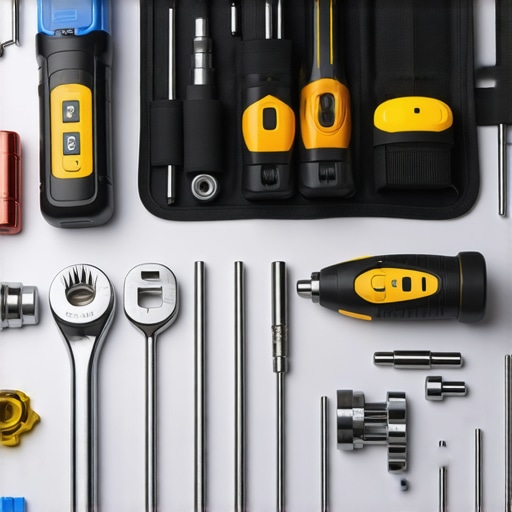
Overcoming transmission issues often involves a mix of patience, knowledge, and a willingness to learn from experience. My journey taught me invaluable lessons that go beyond simple fixes, emphasizing the importance of understanding your vehicle deeply. These insights can help you avoid common pitfalls and save money on repairs.
The Hardest Lesson I Learned About Car Service and Transmission Repairs
- Never underestimate small signs: A slight shudder or delayed shifting can escalate if ignored. Regularly monitoring your car’s behavior helps catch issues early, saving time and money.
- DIY can be your secret weapon: Many quick fixes, like fluid top-ups or sensor cleaning, are accessible and cost-effective. Embracing basic maintenance empowers you to take control and build confidence.
- Misdiagnosis is common: Relying solely on generic diagnostic codes can lead to unnecessary repairs. Trust your instincts and seek second opinions when needed, and consider exploring resetting your airbag light or other troubleshooting guides for confidence.
- Quality tools matter more than you think: Investing in reliable diagnostic devices and hand tools improves the success of at-home repairs and prolongs their lifespan, helping you maintain your vehicle in top condition.
- Regular maintenance is key: Simple routines like checking transmission fluid levels or inspecting sensors can prevent costly failures. Set a maintenance schedule to stay ahead of potential problems.
My Must-Have Resources for Auto Transmission Care
- OBD-II scanners: Devices like the essential roadside diagnostic tools help interpret error codes quickly, giving you insights without the wait.
- Specialized hand tools: Quality torque wrenches and socket sets save headaches during repairs, ensuring bolts are tightened to exact specifications.
- Fluid management equipment: Oil extractors and flush kits make routine fluid maintenance cleaner and more efficient, directly impacting transmission longevity.
- Trusted guides and manuals: Keeping a set of comprehensive repair guides can boost your confidence and expand your skills, making DIY repairs more successful.
Your Path Forward: Take Charge of Your Auto Maintenance
Empowering yourself to troubleshoot and perform routine maintenance transforms the daunting task of car repair into a manageable one. The more you learn, the less vulnerable you are to unnecessary expenses and misdiagnoses. Remember, each small fix contributes to a smoother ride and longer vehicle lifespan.
Ready to get started? Whether it’s checking your transmission fluid or inspecting sensors, taking action now can make a significant difference. Have you ever fixed a transmission problem yourself? Share your story below—I’d love to hear how you took charge of your auto care journey!