
Have you ever taken a sharp turn on your highway drive only to notice your steering wheel tugging insistently to the right? It’s like your car’s giving you an unspoken hint that something’s just not right. I remember this feeling all too well — one minute I was cruising, and the next, I was fighting with my wheel, making steering feel more like a workout than a smooth drive. That moment of frustration? It’s more common than you think.
Why Does Your Car Pull to the Right Anyway?
When your vehicle pulls to one side, it’s often a sign that something needs attention. Maybe it’s an uneven tire pressure, misaligned wheels, or something more serious like a suspension issue or brake problems. Ignoring these signs isn’t just uncomfortable; it can affect your safety on the road. For example, untreated alignment issues can lead to uneven tire wear, increasing the risk of blowouts or loss of control. Interestingly, studies reveal that misaligned vehicles can increase fuel consumption by up to 10% — that’s more gas money lost in the long run.
Now, I’m not here to throw a bunch of confusing jargon your way. I’ve made my share of costly mistakes early on — like ignoring a slight pull and thinking, “It’s no big deal.” Turns out, that was a rookie error. Proper diagnosis and timely repairs are essential. That’s why I want to walk you through simple, effective steps to identify and fix the root cause of steering pull, so you can get back to smooth, safe driving.
And if this issue sounds familiar, keep reading. I’ll share practical tips and honest advice, so your steering wheel no longer acts like it’s got a mind of its own. Get ready to take control — because your safety and comfort on the road depend on it.
Inspect Tire Pressure Carefully
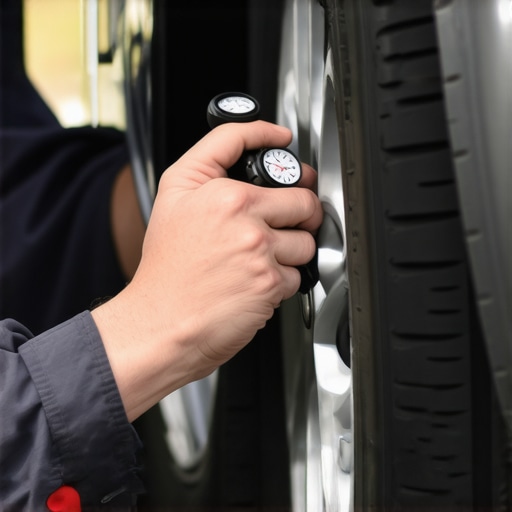
Start your diagnostic journey by checking all four tires with a reliable pressure gauge. Uneven tire pressure is a common cause of steering pull. When I noticed my car pulling right, I used my digital gauge to verify tire pressures. I found the front left tire was two PSI low. Inflating it to manufacturer specs immediately improved the steering alignment.
Align Your Wheels or Get a Professionally Done Alignment
If the tire pressures are balanced but the pull persists, it’s time to inspect the wheel alignment. Think of your wheels as the steering team’s dance partners—if they’re out of sync, the dance falters. I’ve had my alignment checked at a local shop; they used a computerized system to ensure proper angles. This process resets camber, caster, and toe, preventing future pull that can cause uneven tire wear and increased fuel costs. Learn more about how transmission overhauls can keep your drivetrain smooth here.
Assess Suspension and Steering Components
Suspension parts like tie rods, ball joints, and control arms directly affect your steering. Worn-out components lead to misalignment and pulling. I once jacked up my car to inspect these parts; I looked for excessive play or torn rubber boots. If you notice looseness, replace these parts. For detailed guide on suspension care, visit essential car service tips.
Check Brake System for Uneven Wear
Sometimes, brake issues cause pulling, especially if one side’s brake caliper is sticking. Feel for uneven brake pedal feel or listen for squeals. I had a caliper stick after a trip through the rough roads, which caused my car to drift right when braking. A quick brake inspection or professional bleeding can resolve this. To learn how to prioritize brake safety, see how to properly bleed your ABS system.
Test for Hidden Issues Like CV Joints or Driveshafts
In some cases, a damaged CV joint or driveshaft can cause steering pull. Listen for clicking sounds during turns or vibrations at certain speeds. I once noticed a faint clicking that led me to replace my CV joint, fixing the pull. Regular inspections prevent these small problems from escalating. For maintenance tips on extending your car’s lifespan, check regular tune-up advice.
 Many car owners operate under myths that can lead to costly mistakes. One widespread misconception is that frequent oil changes are unnecessary if the car seems fine. In reality, neglecting regular oil changes can cause engine wear, reducing lifespan and performance. Another false belief is that all auto repairs are equally expensive; however, understanding the nuances, such as when a transmission overhaul is truly needed versus a simple fluid change, can save money. For example, many overlook the importance of proper transmission maintenance, which can prevent costly rebuilds—details shared in expert articles like here. Additionally, some assume that minor scratches or dents don’t matter; but in fact, they can hide rust and cause larger issues over time. A common trap is believing DIY fixes are as reliable as professional service—while small repairs like replacing bulbs or filters are doable, complex problems like suspension issues demand expert attention to avoid dangerous accidents. Advanced car maintenance involves understanding the specifics of brake systems, as some drivers don’t realize that a pulsating brake pedal isn’t just annoying but indicates underlying problems here. To truly optimize your vehicle’s health, you need to challenge these myths and recognize the subtle signs of deeper issues, like uneven tire wear or strange noises, which often go unnoticed. Failures to address these nuances can lead to expensive fixes or safety risks. So, next time you think a quick fix is enough, remember: sometimes, the small details make all the difference. Want to learn more about avoiding costly auto mistakes? Contact us here for expert advice. Have you ever fallen into this trap? Let me know in the comments.Maintaining your vehicle’s performance over time requires more than just basic knowledge; it demands the right tools and a disciplined approach. I’ve found that investing in quality diagnostic equipment and knowing how to use it correctly has saved me countless trips to the mechanic and prevented costly breakdowns. One of my go-to tools is a high-precision OBD-II scanner, like the BlueDriver. It offers real-time data, diagnostic trouble codes, and live graphs, making troubleshooting much more straightforward. I personally rely on it to monitor transmission codes and engine health, especially before long trips, aligning with expert advice at this resource. For routine tune-ups, I use a digital torque wrench, which ensures spark plugs and filters are installed with manufacturer-specified tightness—crucial for preventing future issues and extending component lifespan. Regular use of these precise tools helps catch potential problems early, saving money and ensuring safety.
How do I maintain my car’s health over time?
Beyond manual inspections, I depend on specialized software to track service intervals and vehicle history. Programs like AutoEnginuity or Mitchell 1 connect via automotive adapters, giving detailed insights into systems such as the transmission control module or ABS. These tools help schedule timely transmissions fluid changes or brake system flushes, avoiding the pitfalls of neglect, as discussed in this article. Investing in these technologies makes it easier to plan maintenance proactively rather than reactively. Looking ahead, I believe the trend toward integrated diagnostic platforms that combine wireless connectivity and AI analysis will revolutionize how we keep our cars running smoothly, making diagnostics faster and more accurate. To get started, I recommend trying a comprehensive scan with your existing code reader—understanding what your vehicle reports can often reveal underlying issues before they escalate. Consistent use of these precise tools turns routine maintenance into a long-term investment in your vehicle’s reliability and safety, helping you avoid unexpected breakdowns and costly repairs.
Lessons That Changed How I Approach Car Care Forever
The most valuable insights often come from unexpected moments. One lesson I learned the hard way was that ignoring small signs like a subtle pull to one side can lead to expensive repairs down the line. It’s tempting to dismiss minor issues, but catching them early—like checking tire pressure or inspecting suspension components—saves time and money. Another revelation was realizing that not all auto repairs are created equal; understanding when a simple alignment suffices versus when a full transmission overhaul is necessary helped me make smarter decisions. Lastly, I discovered the importance of reliable tools, such as a quality OBD-II scanner, which empowers me to diagnose problems before visiting the mechanic, fostering confidence and proactive maintenance.