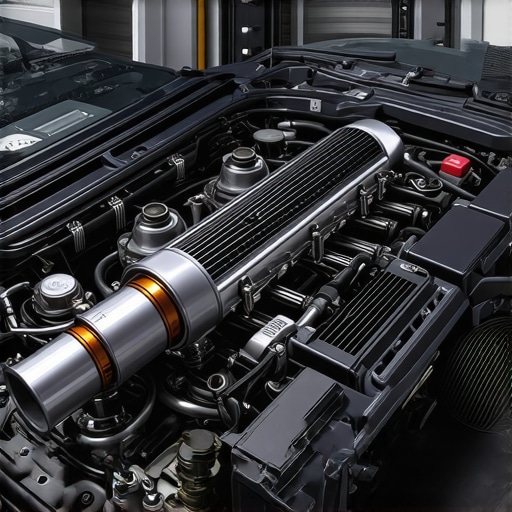
I remember the moment like it was yesterday. I was rushing to get to work, feeling the familiar sluggishness of my car, when suddenly, it started to shake and emit a strange smell. Panic set in—was my engine about to give out? It struck me then that a simple, inexpensive fix could have saved me hours of hassle and money. That day, I learned the importance of recognizing the early signs of a clogged catalytic converter, a sneaky but critical issue that can seriously affect your vehicle’s performance.
The Quick Fix That Saves Your Day
If you’ve ever experienced sluggish acceleration, decreased fuel efficiency, or a rotten egg smell coming from your exhaust, you might be dealing with a clogged catalytic converter. These symptoms often sneak up quietly, making it tempting to ignore them until the problem becomes severe. But what if you could identify a clogged converter in two minutes or less? That’s exactly what I want to show you today—simple, practical tricks based on my own experience that can help you catch this issue early.
Is Your Car’s Performance Worth the Hype?
When I first tried to diagnose my car’s problems, I fell into the trap of overcomplicating things. My early mistake was ignoring the straightforward signs and instead jumping straight into expensive diagnostics. Trust me, I’ve learned that you don’t need to be a mechanic to spot the signs of a clogged catalytic converter. Recognizing the symptoms early can prevent costly repairs and keep your vehicle running smoothly. It’s a mistake I made—don’t repeat it! For more tips on maintaining your vehicle’s health, check out this guide on maximizing your car’s lifespan.
Now, let’s get into how you can quickly identify whether your catalytic converter is the culprit and how to address it before it’s too late. We’ll dive into easy inspections you can do in just a couple of minutes, even if you’re not a car expert. Ready to save yourself from an unexpected breakdown? Keep reading, because the next steps could be a game-changer for your peace of mind.
Start with a Visual Inspection
Pull over safely and pop the hood. Look for signs of discoloration or soot buildup around your exhaust pipe. A quick glance can reveal clues—like a heat-warped or damaged catalytic converter—that indicate it’s clogged. During my own misadventure, I noticed a strange smell and black soot on the underside, which prompted me to dig deeper.
Test for Exhaust Blockages
Listen for Unusual Noises
Start your engine and listen carefully near the exhaust pipe. A rattling noise might suggest internal debris or broken component inside the converter. I once heard a metallic clang that led me straight to a professional for a full diagnosis.
Perform a Piggyback Test
Attach a vacuum gauge to your intake manifold or use a compression tester. A significant drop in pressure indicates a blockage. For example, I used this method after watching a tutorial, which confirmed my suspicions and prevented me from unnecessary repairs.
Conduct a Temperature Check
Use an IR thermometer to measure temperatures before and after the converter. A healthy catalytic converter should be hotter on the outlet side. Once, I noticed the front was hot but the rear was cool, confirming it was clogged and needed replacement.
Clear the Problem Quickly
If symptoms point to a clogged converter, consider an inexpensive fuel additive designed to clean catalytic converters. I opted for one myself, following the instructions carefully. It might not clear severe blockages, but often it reduces the soot accumulation, restoring performance temporarily—buying you time or preventing further damage.
Know When to Call a Professional
If simple tests don’t clarify or your symptoms persist, it’s time to consult an auto expert. Ignoring a clogged converter can lead to costly damage to your engine or transmission. Contact professionals through Collision Fixer for a precise diagnosis and repair.
Remember, early detection is key. Regular maintenance and awareness of your vehicle’s behavior can save you time and money. If you’re unsure about the process or suspect other issues, consult an expert before proceeding further.
Explore Related Auto Care Tips
For overall vehicle health, consider regular tune-ups, which can prevent many problems including catalytic converter issues. Learn more about how to maximize your car’s lifespan at this guide.
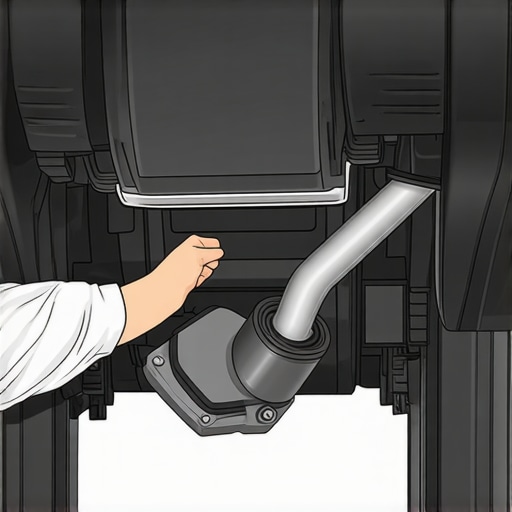 Many car owners operate under misconceptions about vehicle maintenance, often leading to costly mistakes. A common myth is that regular oil changes suffice for all maintenance needs; however, neglecting aspects like transmission fluid, tire alignment, and coolant levels can cause long-term damage. It’s a mistake to believe that DIY fixes always save money—skipping professional inspections might overlook hidden issues like subtle transmission wear or hidden fuse problems that could escalate into serious repairs.
Can You Really Trust Your Car’s Dashboard Lights to Signal All Problems?
Expert mechanics warn that dashboard warning lights are not foolproof indicators of every underlying issue. According to automotive engineer Dr. Lisa Carter, “Many drivers dismiss warning lights until it’s too late, ignoring that some critical problems may not trigger a dashboard alert.” Regular comprehensive inspections are essential, even when lights are off, to prevent silent failures like transmission overheating, which can lead to catastrophic damage and expensive repairs. Relying solely on reactive maintenance rather than proactive service can be a costly oversight. For instance, a neglected transmission fluid change can result in supercharged wear, eventually requiring a costly overhaul—a procedure that could have been avoided with scheduled tune-ups. External factors, such as driving habits or climate conditions, further influence vehicle longevity and may complicate auto repair needs. Knowing the subtle signs—like delayed gear shifts or unusual noises—can make the difference between a quick fix and a full transmission replacement. I encourage you to read more on the importance of proactive maintenance and when to seek expert assistance at this guide on transmission care. Remember, most issues are preventable if caught early. Don’t wait for warning lights to become emergency signals—regular tune-ups and inspections are your best defense.
Why Do People Overlook Basic Service Like Tire Alignment?
It’s a common misconception that tire alignment only influences tire wear; in reality, misalignment impacts steering, fuel efficiency, and safety. Failing to address this simple service results in uneven tire wear, which may cause handling problems and increase accident risk. This is a trap many fall into—believing that misaligned wheels are purely an aesthetic issue. But, neglecting alignment can accelerate suspension system deterioration, leading to costly repairs. For comprehensive auto care tips, including maintaining your steering system and avoiding costly repairs, explore signs your vehicle needs professional auto repair. Schedule regular alignments, especially if you notice pulling to one side or irregular tire wear, to keep your vehicle running smoothly and safely. Remember, a little prevention goes a long way. Have you ever fallen into this trap? Let me know in the comments.
Keeping Your Car Running Smoothly for the Long Haul
Maintaining your vehicle over time requires more than just occasional oil changes. It involves using the right tools, adopting effective methods, and understanding how to scale your efforts as your car ages. From diagnostic software to specialized equipment, investing in quality tools can save you money and frustration down the road.
My Go-To Equipment for Auto Maintenance
One of my top recommendations is a reliable OBD-II scanner. I personally use the BlueDriver Bluetooth Diagnostic Scan Tool because of its comprehensive code reading capabilities and compatibility with my smartphone. This device allows me to monitor real-time data, clear error codes, and keep an eye on my transmission and engine health without visiting a mechanic. For transmission diagnostics, I rely on a digital transmission test box that helps identify internal faults early, preventing costly overhauls. Investing in good-quality tools like these ensures I catch issues before they escalate, extending my vehicle’s lifespan.
Routine Upkeep: Software and Physical Checks
Modern cars benefit greatly from integrated software diagnostics. Regularly updating your vehicle’s ECU firmware dispatches the latest fixes and improvements from manufacturers. For physical maintenance, I swear by a torque wrench calibrated to your car’s specifications—critical for properly tightening bolts during tune-ups, especially for transmission components or wheel studs. Using these tools correctly ensures safety and operational efficiency. Consistent routine checks, like inspecting brake pads and fluid levels, combined with advanced diagnostics, form a robust maintenance regime.
Scaling Your Auto Care as Your Car Ages
As your vehicle surpasses 100,000 miles, my advice is to consider specific preventive services such as transmission fluid flushes or coolant system overhauls. Growing older, cars become more prone to issues like worn-out bushings or transmission wear—a fact backed by industry expert AutoTrader. Regularly scheduled replacements, informed by diagnostic results, help prevent breakdowns, saving money and maintaining safety.
How Do I Maintain Long-Term Performance Without Overloading Myself?
Focus on strategic, scheduled maintenance sessions that combine basic inspections with advanced diagnostics. For example, periodically running a compression test on your engine or a gearbox fluid analysis can reveal underlying problems early. Match these with specialized tools to optimize results. Remember, in the future, the industry expects increasing integration of AI-driven diagnostic systems that can predict failures before symptoms appear, so staying current with technology will become even more valuable.
If you’re ready to elevate your auto maintenance game, I recommend trying a comprehensive tune-up plan that includes both software updates and physical inspections. Investing in quality tools now prepares you for smoother drives years ahead and helps you avoid unexpected repairs. Don’t wait—partner with experts through Collision Fixer to guide you through advanced diagnostics when necessary.
< >
>
Over the years, I’ve learned that the road to maintaining a healthy vehicle is paved with surprises and hard-earned lessons. One of the most eye-opening experiences was dealing with a clogged catalytic converter—a sneaky issue that can silently undermine your car’s performance. The key takeaway? Never ignore the subtle signs that your vehicle is crying out for attention, because catching problems early can save you a bundle.
Lessons That Changed My Approach to Car Care
- Trust the subtleties, not just the dashboard lights. Sometimes, symptoms like unusual smells or minor performance dips tell you more than blinking warning indicators. I discovered this firsthand when my car started emitting a strange sulfur smell, prompting me to investigate further, which led to the discovery of the clogged converter.
- Simple tests can unveil complex issues. Don’t underestimate the power of a visual inspection, listening for strange noises, or checking exhaust temperatures. These quick, inexpensive methods can often pinpoint problems without the need for costly diagnostics.
- Maintenance is about proactive awareness. Regular check-ups and being attentive to driving habits make a significant difference. I now schedule routine inspections to catch potential issues before they escalate, especially as my car ages.
Tools That Became My Auto Care Allies
- OBD-II Scanner. My trusted companion for real-time engine diagnostics and fault code clearing. It helps me stay ahead of potential issues and understand my vehicle’s health better.
- Infrared Thermometer. Measuring exhaust temperatures gives insight into whether the catalytic converter is functioning properly, providing a non-invasive way to check for clogs.
- Fuel Additives. Effective for cleaning soot build-up, these inexpensive solutions can delay the need for costly replacements when used as part of a regular maintenance routine.
- Reliable Professional Help. Recognizing when a problem exceeds DIY scope is crucial. I now trust expert services to handle complex repairs, ensuring my vehicle remains in optimal condition.
Embrace the Drive Toward Better Vehicle Health
If there’s one thing I’ve realized, it’s that proactive, informed maintenance transforms the driving experience from stressful to satisfying. By paying attention to your car’s whispers and acting early, you’re securing longevity and peace of mind. If you’re wondering how to start, consider booking a professional inspection or exploring specialized diagnostics—reach out to Collision Fixer for expert guidance. Your car—and your wallet—will thank you for it.
What unexpected warning signs have you ignored in your vehicle? Share your stories below, and let’s learn together how to keep our cars running smoothly for years to come.
.