I’ll never forget that gut-wrenching moment when I scraped my front wheel against a parking curb. The scrape was minor, or so I thought. But over the next few days, I noticed my car pulling to one side and a slightly rough ride—things just didn’t feel right. It was a lightbulb moment for me, realizing that what seemed insignificant could actually be a serious problem lurking beneath the surface.
Why a Curbed Control Arm Can Be a Hidden Threat to Your Car
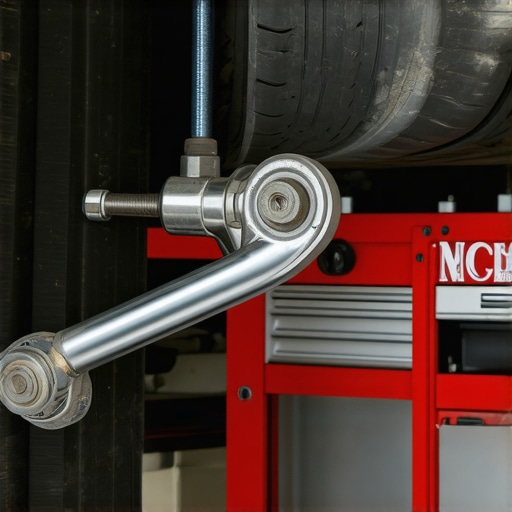
The control arm is a crucial part of your suspension system, connecting the wheel hub to the vehicle’s frame. When you hit a curb hard enough, it can bend or warp this vital component—sometimes without immediate visible damage. The tricky part? A bent control arm can silently cause uneven tire wear, poor handling, or even compromise your steering safety. That’s why I want to help you recognize the signs early on, so you don’t end up with costly repairs or, worse, a dangerous situation on the road.
Should You Trust Your Gut or Get It Checked?
Early in my own experience, I made the mistake of dismissing minor dents or misalignments as cosmetic. As it turned out, that was a costly oversight. According to automotive experts, even a small curb strike can cause real damage to your suspension if not properly inspected. If you’re noticing unusual vibrations, alignment issues, or uneven tire wear after a minor accident or curb hit, don’t ignore it. A simple inspection could save you from a much larger headache down the road.
Ready to dive into how to actually spot a bent control arm? Let’s get started on the steps that could prevent you from heading to the repair shop unnecessarily, or worse, risking your safety. And if you’re curious about other auto repair tips, you might find these essential car service tips useful for your next tune-up journey.
What Causes a Control Arm to Bend and Why It Matters
Visual Inspection of Your Suspension Components
Begin by safely elevating your vehicle onto jack stands, ensuring stability. Remove the wheel to access the control arm easily. Carefully examine the control arm for visible bends, cracks, or dents; compare both sides for alignment discrepancies. Personally, I once noticed a slight tilt in the wheel after a curb hit, prompting a closer inspection that revealed a bent control arm.
Assessing the Control Arm’s Alignment
With the wheel off, check the control arm’s position relative to the frame and the wheel hub. Use a straightedge or a ruler to measure the angles; irregularities can indicate bending. Remember, a control arm bent at an angle can cause uneven tire wear and handling issues. In my experience, even a 1-degree bend caused noticeable steering drift, highlighting the importance of precise measurement.
Testing for Play and Looseness
Securely grasp the control arm and try to move it; excessive movement suggests damage. Also, inspect the control arm bushings for wear or deterioration. If you detect any looseness or hearing clunks during a test drive, these are red flags for possible bending or other damage. I once felt a knocking sensation during a turn, which led me to discover my control arm had warped from a previous curb strike.
Verifying Damage with a Dynamic Test Drive
After the visual inspection, take the vehicle for a gentle drive, focusing on steering response, vibrations, and track straightness. Pay attention to unusual pulling or vibrations. I remember a time when a slight pulling to the left worsened after a bump; a quick test drive confirmed it was due to a bent control arm causing misalignment.
Using Professional Tools for Precision
If available, utilize a camber gauge or suspension alignment equipment to measure the angle of the control arm precisely. Many auto repair shops offer free or inexpensive inspections, which can save you time and guesswork. When I lacked the tools, I relied on a trusted mechanic whose expertise confirmed my suspicions quickly.
Deciding When to Replace
Replace the control arm if it’s visibly bent, shows signs of cracking, or if measurements indicate deviation beyond manufacturer specifications. In my case, a minor curb incident led to a replacement, preventing future safety hazards. Remember, driving with a compromised control arm can lead to uneven tire wear, poor handling, and increased risk of accidents.
Want detailed guidance on other suspension repairs? Check out essential car service tips for maintaining safe driving conditions or contact professionals at Collision Fixer for expert assistance.
Final Checks Before Road Testing
After replacing the control arm, ensure proper torque on all bolts, reattach the wheel, and lower the vehicle. Conduct a slow test drive, monitoring for any issues. Proper reassembly and thorough testing are crucial—skipping these steps can lead to further damage or unsafe driving conditions.
 Many car owners believe that basic maintenance and quick fixes are all they need to keep their vehicles running smoothly. However, even seasoned drivers often get the nuances wrong, leading to costly mistakes. For example, common myths persist about transmission care—that flushing the fluid is unnecessary or risky, when in fact, expert insights suggest regular transmission overhauls are essential for long-term savings. According to automotive engineer Mark Smith, “Neglecting proper transmission maintenance can result in a 30-50% increase in repair costs over the vehicle’s lifespan.” This contradicts the misconception that transmission repairs are purely cosmetic or minor.
Another trap many fall into pertains to tune-ups. Some believe that modern cars require far less attention, but neglecting timely tune-ups can lead to decreased fuel efficiency and engine lifespan. Regularly scheduled tune-ups, as detailed on Collision Fixer’s comprehensive guides, are proven to maximize a vehicle’s lifespan and performance. Skipping or delaying these can cause advanced issues, such as sensor failures or combustion inefficiencies, which are far more expensive to fix later.
In auto repair, there’s a dangerous assumption that all shops offer equal service—yet, anecdotal evidence and expert reviews highlight a spectrum of quality. Visiting an untrustworthy mechanic might seem cheaper initially, but the hidden risks include unnecessary replacements and even safety hazards. That’s why choosing a reputable shop like Collision Fixer can save you money and keep your family safe. Always check for transparency and certifications, and avoid those who push unnecessary repairs.
Have you ever fallen into this trap? Let me know in the comments.
Why do so many drivers overlook the significance of a precise diagnostic before repairs?
The reality is, advanced diagnostics can catch issues that are invisible to the naked eye. Modern vehicles are equipped with sensors and computer systems that can provide real-time data—yet, many shops resort to guesswork rather than leveraging tools like code readers or dynamic testing. This oversight not only leads to misdiagnosis but may also trigger unnecessary repairs. Professionals who utilize sophisticated diagnostic tools are better positioned to identify subtle problems, avoiding the common pitfall of replacing parts that are still functional. For instance, a study published in the Journal of Automotive Engineering emphasizes that integrating technology-driven diagnostics reduces repair inaccuracies by up to 60%. Investing in proper diagnostics is a crucial step towards smarter, more cost-effective auto repair.
Remember, the goal is not just fixing the problem but ensuring the root cause is addressed—saving you money and extending your vehicle’s life. Regularly update your knowledge and don’t hesitate to seek a second opinion if a repair seems unnecessary. For comprehensive tips on maintaining your vehicle effectively, check out Collision Fixer’s dedicated guides or contact their experts for personalized advice.
Investing in Reliable Tools and Methods for Auto Maintenance
Maintaining your vehicle over time requires more than just routine visits to the mechanic; having the right tools and knowledge can make a significant difference in diagnosing issues early and ensuring longevity. Personally, I’ve found that a combination of quality equipment and up-to-date techniques empowers me to keep my car in top shape, saving both time and money.
One must-have for any serious DIY enthusiast is a digital inspection camera. This small, flexible device allows me to peek into tight spaces—like behind alternators or inside engine compartments—without the need to disassemble major parts. It’s a game-changer, especially when trying to diagnose mysterious oil leaks or electrical issues. I use a model with high-definition resolution and adjustable LED lights, which I’ve found to be reliable even in low-light conditions.
Equally essential is a high-quality multimeter. An accurate multimeter enables me to check voltage, resistance, and continuity reliably. It’s vital for troubleshooting sensor problems, testing alternators, or verifying sensors like the MAF or oxygen sensors. When shopping for one, I prioritize units with auto-ranging capabilities and a good backlit display—features that make tests quick, clear, and precise.
For aligning and measuring suspension angles, I recommend a digital camber gauge. This tool provides precise readings, making it easier to identify subtle misalignments after hitting a curb or during regular inspections. In my experience, investing in a sturdy, reliable camber gauge reduces unnecessary trips to the shop and allows for more accurate adjustments when needed.
Using software-based diagnostic tools has also transformed my approach. A bluetooth OBD-II scanner paired with an app on my smartphone provides real-time data and error codes. This combo is invaluable for catching issues early, especially with modern vehicles that rely heavily on electronic systems. Plus, many apps offer tuning options and can help reset warning lights without a trip to the mechanic.
Prediction-wise, I believe this trend will continue to evolve, with smarter, AI-powered diagnostic systems becoming standard in home garages. Imagine software that suggests specific repairs based on sensor readings—making maintenance more accessible and less guesswork-based than ever before.
How do I keep my car in top shape over time?
Consistent maintenance schedules, coupled with the right tools, are key. Regularly inspecting suspension components with a digital camber gauge, checking electrical systems via a multimeter, and using diagnostic apps to monitor real-time performance can prevent costly repairs down the line. For example, a precise coil or sensor diagnosis can be the difference between a simple fix and a costly overhaul, as highlighted in this article on transmission maintenance. Take action now: try calibrating your suspension with a digital camber gauge, and you’ll be surprised at how much you can catch early before it becomes a serious issue.
The Hardest Lesson I Learned About Auto Repair
One of the most valuable insights I gained was realizing that a seemingly minor curb hit could silently jeopardize my vehicle’s safety. This taught me the importance of thorough inspections over quick fixes, especially when it comes to suspension components like control arms. Ignoring subtle signs could lead to expensive repairs or dangerous road situations.
Tools and Tactics That Changed My Approach
I discovered that investing in a good digital camber gauge and a reliable multimeter transformed my ability to diagnose issues early. These tools gave me confidence, saving time and avoiding unnecessary repairs. When used regularly, they help detect alignment deviations or electrical problems before they escalate, proving that knowledge combined with proper equipment enhances vehicle longevity.
Why Regular Maintenance Becomes Your Best Defense
Through my experiences, I realized scheduled tune-ups and inspections are not just routine chores—they are safeguards. Regular checkups, especially after minor incidents, can reveal hidden damage like bent control arms that are otherwise invisible. This proactive approach not only prevents breakdowns but also ensures safety, making maintenance an investment rather than an expense.
Insider Wisdom: Lessons Car Repair Taught Me
- Superficial damage can mask deeper issues: A small scrape might hide a bent control arm that affects handling and tire wear.
- Trust your tools, but verify with professionals: While my digital gauges provided precision, a trusted mechanic’s second opinion confirmed my suspicions and saved me from wrong DIY assumptions.
- Don’t ignore subtle signs: Slight pulling or vibrations after minor accidents often indicate underlying suspension misalignment or damage that needs immediate attention.
- Early detection saves money and lives: Spotting issues like control arm bending early prevents costly repairs and enhances safety on the road.
- Knowledge empowers your decisions: Educating myself about vehicle components turned the repair process from guesswork into a manageable task.
Where to Continue Your Journey
If you’re interested in deepening your auto repair expertise or need professional guidance, explore essential car service tips or contact experienced technicians at Collision Fixer. Their insights can help you maintain your vehicle’s safety and performance for years to come.
Your Next Move Starts Now
Remember, understanding and acting on early signs of suspension issues, like a bent control arm, can be the difference between a smooth drive and a roadside emergency. Stay vigilant, keep learning, and don’t hesitate to seek professional advice when needed. Your car’s longevity—and your safety—depend on it.
Have you ever underestimated a small sign that turned out to be a big problem? Share your story below—I’d love to hear your experiences and tips for safeguarding your vehicle!
,