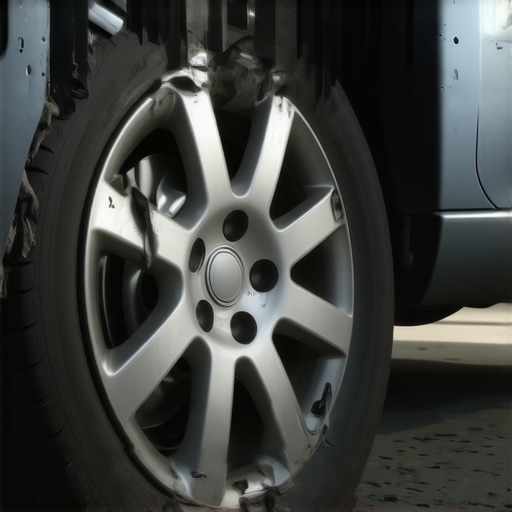
I remember the exact moment I realized my car’s CV axle was giving me trouble. I was cruising down the highway when suddenly, I felt a strange vibration through the steering wheel. Within seconds, my car started pulling to one side, and I knew I was in trouble—right before a long weekend, no less. That wake-up call made me realize how crucial it is to recognize the warning signs of a failing CV axle before it leaves you stranded in the middle of nowhere.
Don’t Let a Bad CV Axle Catch You Off Guard
Many drivers overlook the telltale signs of a worn or damaged CV axle, thinking it’s just another minor issue. But in reality, a failing axle can lead to complete loss of control, expensive repairs, or worse, dangerous accidents. The good news? With a bit of knowledge and some vigilance, you can spot the warning signs early and save yourself a lot of headache—and money.
Is It Really Worth the Fuss to Check Your CV Axle?
Absolutely. When I first started paying attention, I made the mistake of dismissing some minor clicking sounds during turns, thinking it was just normal wear. Turns out, those clicking noises are some of the earliest signals of a compromised CV axle. Ignoring them only made the problem worse, leading to costlier repairs. Recognizing these signs early can be the difference between a quick fix and a dangerous breakdown. To stay ahead of trouble, it’s a smart move to familiarize yourself with the common symptoms—check out top signs your car needs expert auto repair for more details.
But how do you even know if your CV axle is on its last legs? Here’s where many stumble—underestimating the importance of routine inspections. An overlooked developing crack or a worn-out joint can quickly escalate into a full-blown failure. So, in this guide, I promise to walk you through exactly how to spot the signs early, so you can act before you’re stranded in a bind. By paying attention now, you’ll be saving yourself from some serious roadside stress and costly repairs later.
Now, let’s dive into the key symptoms to watch out for and some practical tips on how to keep your CV axles in top shape. Remember, regular maintenance and early detection are your best friends on this journey. And if you’re ever unsure, reaching out to a trusted mechanic can make all the difference—just like I did when I first started noticing those strange vibrations.
.
Start with Visual Inspection
Remove the wheel and carefully examine the CV axle for visible damage such as cracks, tears, or excessive grease leakage. I once spotted a tiny crack on my friend’s axle after a quick visual check, preventing a costly roadside failure. Use a flashlight to look for shredded boots or leaked grease, which are early signs of wear. Regularly inspecting your CV axle like this is akin to checking the tires for cuts before a long trip—simple yet crucial.
Listen for Noises When Turning
Engage in gentle turns while driving slowly and listen for clicking sounds or popping noises. I learned this by taking my car for a test drive after noticing some mild clicking during parking. If detected, it indicates that the joint is worn out and needs attention. Pay close attention to these sounds; they are like your car’s way of whispering that something’s wrong, much like a brake squeal warns you of pad wear.
Check for Vibrations During Acceleration or Steering
Feel for unusual vibrations or shudders, especially when accelerating or turning. Once, during a routine drive, I sensed a slight wobble which turned out to be a failing CV axle. These vibrations are akin to the wobble of a bicycle wheel with a loose spoke—noticeable and telling. If your steering pulls or there’s a consistent shudder, it’s time to further investigate the axle’s condition.
Perform a Wiggle Test
Secure the axle and try to wiggle it back and forth by hand. Excessive play indicates a worn joint. I did this during my last inspection; I had to replace my axle after feeling looseness, similar to wobbling a door handle that’s about to fall off. This test is simple but effective for detecting looseness that isn’t visible externally.
Assess the Boot Condition
Inspect the rubber boots covering the CV joint for tears, cracks, or leaks. A torn boot, like a ripped sock, exposes the joint to dirt and moisture, causing premature failure. I once found a torn boot on my car, which prompted immediate repair—saving me from a more extensive and expensive fix down the road. Keeping these boots intact is vital for your CV axle’s longevity.
Schedule a Professional Inspection
If any signs point toward trouble, consult a mechanic promptly. Mechanics can perform a more detailed assessment, including a readout of the joint’s internal wear. Think of this as consulting a specialist when minor aches become chronic pain; it’s a small investment that prevents major breakdowns. Preventative checkups ensure your CV axle continues to function smoothly, much like regular tune-ups extend your car’s lifespan.
Maintain Your Axles with Routine Care
Apply fresh grease and replace worn boots proactively. It’s like changing the oil in your engine—preventative maintenance pays off in smoother rides and fewer surprises. Check out this guide to see how routine tune-ups keep all components in top shape. Proper care minimizes the risk of sudden failures and keeps your driving experience safe and comfortable.
Many car owners believe that routine maintenance is just a matter of changing oil and topping off fluids. However, this simplistic view often leads to overlooking critical nuances that can make or break your vehicle’s longevity. Contrary to popular belief, not all tune-ups are created equal, and what works for one car may not be suitable for another. For instance, some mechanics recommend generic parts for repairs, but using OEM components tailored to your vehicle’s specifications ensures optimal performance and reduces the risk of premature failure. An advanced mistake many fall into is neglecting transmission health during regular services. While many think transmission fluid lasts forever, studies show that timely fluid changes prevent component wear and costly overhauls, as explained in expert auto maintenance guides. Moreover, a common myth is that collision repairs are purely cosmetic—nothing could be further from the truth. Improperly fixed dents or mismatched paint can hide structural issues, affecting safety and vehicle value. For those who want to dig even deeper, understanding the importance of realignment after minor collisions can save you from uneven tire wear and handling problems in the long run.
How Do Modern Diagnostic Tools Elevate Your Car’s Maintenance?
Modern diagnostic scans provide insights beyond what the naked eye can see, detecting hidden issues like subtle sensor malfunctions or early transmission wear. These tools complement routine inspections, ensuring that critical components aren’t silently deteriorating. Skipping these advanced diagnostics is a trap that could cost hundreds or thousands down the line. Don’t rely solely on traditional visual checks—embrace technology to keep your car performing at its best. Remember, comprehensive care isn’t just about quick fixes; it’s about understanding your vehicle’s unique needs and responding proactively. Regularly visiting a trusted auto repair shop that employs the latest diagnostic equipment, like Collision Fixer, can make all the difference. Want to learn more about maximizing your car’s lifespan? Check out this guide for expert tips. Have you ever fallen into this trap? Let me know in the comments.
Investing in Quality Diagnostic Equipment for Long-Term Maintenance
One of my top recommendations for keeping your vehicle in optimal condition is investing in a reliable OBD-II scanner. I personally use the BlueDriver Bluetooth Professional Scanner because it provides comprehensive diagnostics, including live data streams and enhanced code definitions. This tool allows me to proactively identify issues like transmission sensor faults or coolant system irregularities before they escalate, saving both time and money. Modern diagnostic tools like this bridge the gap between basic visual inspections and professional-grade repairs, enabling DIY enthusiasts and casual owners to take control of their vehicle’s health.
Why Regular Software Updates Are a Game Changer
Just as smartphones require updates to patch security gaps and improve performance, the automotive diagnostic software I rely on is regularly updated to stay ahead of new vehicle models and emerging issues. Keeping your scan tool’s firmware current ensures compatibility with the latest car systems, such as advanced driver-assistance features and hybrid components. This practice enhances your ability to catch subtle faults—like a slumping battery voltage that might indicate corrosion or electrical leaks—long before you experience a breakdown. As technology continues to evolve, embracing these updates will secure your long-term maintenance approach.
Properly Calibrating Sensors for Peak Performance
Calibration plays a vital role in ensuring that components like wheel speed sensors or steering angle sensors work accurately. I recommend using specialized calibration tools—such as the Hunter Engineering WinAlign system—that provide precise adjustments aligned with manufacturer specifications. For example, after realigning your bumper following a minor collision, calibration ensures your vehicle’s stability system functions correctly, preventing uneven tire wear and hazardous handling. Regular calibration helps sustain the accuracy of your vehicle’s safety and performance features, making it a cornerstone of effective long-term care.
Future Trends: Embracing Predictive Maintenance with AI
Looking ahead, the integration of artificial intelligence and machine learning in automotive diagnostics promises predictive maintenance capabilities. These systems analyze vast amounts of data to forecast component failures—like impending transmission overhauls—as shown in recent industry studies. By adopting IoT-connected sensors and AI-driven analysis today, car owners can anticipate issues before they become critical, shifting from reactive to proactive care. I foresee a future where owning a vehicle becomes more about managing data streams than simply reacting to warning lights.
How do I keep my vehicle maintenance consistent over time?
One effective method is scheduling routine inspections using a combination of DIY checks and professional services. I advise setting reminders to perform protective measures, such as inspecting the transmission fluid or checking for worn belts and hoses, as outlined in this comprehensive guide. Additionally, establishing a relationship with a trusted auto shop that leverages advanced diagnostic tools can ensure that your vehicle receives timely attention, preserving its longevity and resale value. Regular maintenance, supported by the right tools and a proactive mindset, is the best strategy for keeping your car working reliably for years to come. I encourage you to try out a diagnostic scan with your current equipment today—it’s a small step that can save you big time in the long run.
Beyond the Basics: Lessons from My Auto Repair Journey
- The biggest surprises often come after ignoring early warning signs. I once dismissed a minor clicking noise, only to face a costly repair later. Pay attention to subtle sounds—your car’s way of whispering that maintenance is needed—and avoid unnecessary expenses.
- Routine inspections are your best defense against unexpected breakdowns. Checking your CV axles visually and through simple tests like wiggling them saved me from being stranded on a deserted road. Consistency beats waiting for problems to escalate.
- Investing in quality diagnostic tools changed my understanding of vehicle health. Using an advanced OBD-II scanner revealed issues invisible to the naked eye, empowering me to address problems proactively rather than reactively.
- Don’t underestimate the power of calibration and professional checkups. Ensuring sensors and joints are properly calibrated augmented my vehicle’s performance and safety, proving that a small investment pays big dividends in car longevity.
My Go-To Resources for Staying Ahead of Car Wear and Tear
- Collision Fixer’s Maintenance Guides have been invaluable for understanding proactive care, especially their articles on routine tune-ups and component inspections. They’re trusted because they combine practical advice with expert insights.
- BlueDriver Bluetooth Scanner is my preferred diagnostic tool. Its user-friendly interface and comprehensive reports give me peace of mind, helping me identify issues early before they become costly repairs.
- This detailed guide on transmission overhauls opened my eyes to the importance of early diagnostics on crucial components — a lesson I wish I embraced sooner.
- Regularly updating my vehicle’s software and calibration tools has kept my car performing reliably. Staying current with technology, like recommended maintenance routines, is essential for future safety and savings.