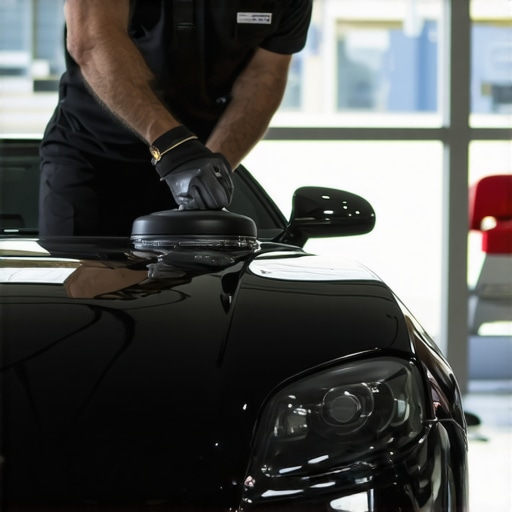
Ever spent hours washing your sleek black car only to step back and notice those tiny, maddening swirl marks shimmering in the sunlight? I remember the first time I saw my beautiful pride and joy covered in what looked like a spiderweb of microscopic scratches. It was eye-opening—and honestly a bit disheartening. I had followed all the so-called “best practices,” but my paint still looked dull and marred.
That’s when I realized: removing swirl marks isn’t just about elbow grease. It’s a delicate dance of technique, patience, and the right products. If you’re tired of your black paint looking less than perfect, you’re not alone. I’ve been down this road, and I can tell you—there’s hope.
Today, we’re diving into proven strategies to eliminate those pesky swirl marks and restore that mirror-like shine your car deserves. No more guesswork. Just real, actionable advice that can save your paint—and your sanity.
Why Black Paint Shows Every Imperfection—and Why It Matters
Black paint has this magical way of making your vehicle look stunning when it’s polished and pristine. But it also has a brutal side: it reveals every tiny flaw, every fingerprint, and every swirl with brutal clarity. That’s because dark surfaces reflect light more intensely, highlighting imperfections that might go unnoticed on lighter colors.
If you want your black car to look its best—which, let’s be honest, most of us do—you need to be diligent about paint care. Swirl marks, tiny micro-scratches caused by improper washing or buffing, can quickly ruin that glossy finish. They don’t just look bad; they diminish your car’s overall aesthetic and can even lead to paint damage if left untreated.
So, why should you care? Well, beyond the obvious aesthetic appeal, maintaining that flawless finish can protect your paint from longer-term damage. Think of swirl marks as the beginning of a slippery slope—once they get a foothold, it gets harder to restore your paint to its original glory.
If you’ve ever tried to remove swirl marks and felt overwhelmed or frustrated, you’re not alone. I started out making classic mistakes—rushing the process, skipping crucial steps, or using the wrong products. For example, I once tried to buff out scratches with a rougher cloth, only to make things worse. Trust me, I learned the hard way that patience and proper technique are everything.
Are you tired of seeing your black paint marred with those dreaded swirl marks? Do you want that deep, wet shine that makes heads turn? If so, keep reading. I’ll share my personal tips and proven methods to help you achieve pro-level results at home.
Prep Your Surface Like a Pro
Begin by rinsing your car with a gentle stream of water to remove loose dirt, dirt is like grit that can cause micro-scratches. Use a pH-neutral car wash soap and a microfiber wash mitt; this combo reduces the risk of introducing new swirl marks. I recall washing my black sedan on a sunny day, rushing through; the soap dried quickly, leaving spots that became micro-scratches. To avoid this, wash in the shade or during cooler parts of the day and dry immediately with a clean, plush microfiber towel.
Select the Right Tools and Products
Invest in a dual-action or rotary polisher for controlled, even buffing. Use quality, fine-cut compound polish specifically designed for swirl removal, such as Menzerna or Meguiar’s. Think of your polisher as a precision drill—controlled and deliberate movements are key. I once tried to buff out swirl marks manually using a coarse cloth, which only made things worse. The results? Uneven finish and more micro-scratches. Remember, the goal is to safely abrade the thin layer of clear coat without going through it.
Master Proper Polishing Technique
Apply a small amount of polish to the pad—think of a dime-sized blob—then spread it evenly over a small section of the paint, about 2×2 feet, before turning on the polisher. Use low to medium speed, starting with light pressure—like petting a cat, gentle but firm—and work in overlapping passes. My first attempt led to uneven matte spots because I pressed too hard, causing uneven polish distribution. Stop frequently to wipe off excess product and inspect. Patience here results in a glass-like finish, erasing swirl marks layer by layer.
Know When to Switch Pads and Products
If the pad starts to get clogged or glazed over, switch to a clean one. A dirty pad distributes residual polish unevenly, risking new swirls. For stubborn swirl marks, use a slightly coarser pad or a dedicated swirl removal compound. During one session, I didn’t change pads often enough, leaving streaks that needed extra correction, prolonging the process. Regular pad maintenance ensures consistent results and prevents reintroducing scratches.
Seal and Protect Your Finish
After polishing, apply a high-quality wax or ceramic coating to seal in the gloss and provide a protective layer against future damage. This step is crucial—think of it as armor for your freshly polished paint. I learned this after seeing my shine diminish within weeks because I skipped sealing. Proper sealing enhances depth and prevents dirt and oxidation from settling in, keeping your black paint stunning longer.
Develop a Routine for Future Care
Finally, adopt a regular washing schedule using proper techniques—gently washing, drying, and applying detailer sprays—avoiding circular motions that can cause swirl marks. Incorporate quick touchups with a paint cleaner or clay bar to remove embedded contaminants. Remember, consistency is key to maintaining that mirror finish and preventing swirl marks from reappearing. In my experience, setting a weekly routine prevented me from needing aggressive correction sessions later on.
When it comes to maintaining your vehicle, many believe that following basic schedules and using generic parts suffice. However, in my extensive experience with auto repairs and diagnostics, I’ve noticed that most car owners, even seasoned enthusiasts, often fall prey to subtle pitfalls that can lead to costly mistakes down the line. One common misconception is the assumption that all auto repair shops adhere strictly to manufacturer guidelines, which isn’t always the case. Not all mechanics prioritize diagnostics over guesses, leading to missed underlying issues—especially in complex systems like transmissions or engine control units.
A typical trap is overlooking the importance of precise fluid analysis, such as transmission fluid testing, which can reveal lurking problems before they manifest as major failures. For instance, blackening or inconsistent fluid color often signals impending issues that, if caught early, can be rectified with simpler fixes like fluid flushes, saving you money and preventing breakdowns. Moreover, many underestimate the importance of regular tune-ups that include detailed sensor checks; modern vehicles rely heavily on electronic sensors, and neglecting their maintenance can cause symptoms that seem unrelated, like uneven acceleration or sudden misfires.
Here’s a critical nuance: the misconception that replacing parts is always the best fix. In reality, many common auto issues are caused by sensor miscommunication or minor wiring faults—not component failures. For example, a misfiring engine might be due to a faulty crankshaft position sensor rather than a new fuel injector. This highlights the importance of proper diagnosis—skipping this step can lead to unnecessary parts replacements, which aren’t just costly but also time-consuming. That’s why I always advocate for comprehensive diagnostic scans before any major repair, especially with transmission or engine issues. Knowing when to seek expert help can prevent small problems from snowballing into expensive catastrophes.
Many believe that warranties on parts or services eliminate the need for caution, but this isn’t the case. Even with warranty coverage, improper installation or neglecting follow-up maintenance can void warranties or lessen their effectiveness. Be especially cautious about DIY fixes on critical systems like the transmission; while repairs might seem straightforward, they often require specialized tools and expertise not available to the average car owner. For example, improper fluid level adjustments during a transmission service can cause slipping or overheating, ultimately leading to a full overhaul—a costly mistake.
In conclusion, the key takeaway is that understanding the nuances of auto repair extends beyond merely replacing parts. It involves a strategic approach: thorough diagnosis, understanding system interdependencies, and maintaining detailed records. Regularly reviewing expert articles—like those on maximizing your car’s lifespan with routine tune-ups—can help you stay ahead of these pitfalls. Have you ever fallen into this trap? Let me know in the comments.
Building a Reliable Auto Maintenance Routine with Effective Tools
Maintaining your vehicle over the years requires more than just routine visits to the mechanic; it demands a set of trusted tools and techniques that enable you to identify and address issues early. One indispensable item I rely on is a high-quality OBD-II scanner, such as the Foxwell NT301. This device not only reads engine codes but also displays live data streams, helping me spot potential problems like transmission slip or sensor failures before they escalate. I personally use it during monthly checkups to keep tabs on my car’s health and ensure everything runs seamlessly. Maintaining access to this scanner allows me to diagnose issues quickly, saving time and money, especially when dealing with complex systems like transmissions, which require precise attention to prevent costly repairs.
Leveraging Software for Ongoing Diagnostics and Alerts
Beyond physical tools, software solutions have transformed auto maintenance. I recommend using dedicated apps like theOBDLink or Car Scanner ELM OBD2 that sync with your scanner via Bluetooth. These apps provide comprehensive dashboards showing critical parameters such as coolant temperature, transmission fluid temperature, and adaptive data. Trust me, having real-time insight into your transmission’s operation—like vibration levels or fluid temperature—can alert you to early warnings of impending failure. Staying proactive through these tools extends your car’s lifespan and minimizes downtime. Looking to the future, I predict that integration of AI-driven diagnostic apps will make vehicle maintenance even more intuitive, guiding car owners through complex procedures and suggesting timely repairs without needing to visit the shop.
How do I keep my auto systems in optimal condition over time?
Regularly scheduled maintenance combined with the use of precise tools is key. For example, using a fluid tester like the Valvoline Instant Oil Change Mobile App helps determine when the transmission fluid reaches a critical oxidation point, prompting timely fluid changes that save you money, as discussed in this article. Additionally, investing in a durable brake bleed kit, such as the ATE Power Bleed Plus, ensures you can perform safe, effective brake system flushes—crucial for safe stopping and transmission longevity. Practice these maintenance steps diligently, and you’ll notice fewer surprises on the road.
Mastering Transmission Care to Avoid Major Overhauls
Transmission systems are particularly sensitive and complex, requiring specific attention. I always carry a transmission fluid temperature gun, like the Fluke 62 Max+, to monitor fluid temperature during flushing and troubleshooting. This helps prevent overheating that can cause irreversible damage. Regular transmission fluid exchanges, guided by the vehicle’s service interval, keep components lubricated and free of debris, prolonging the system’s life. I recommend scheduling professional fluid analysis periodically, especially if your vehicle frequently ventures into demanding driving conditions. Future advancements may include smart sensors embedded within transmissions, providing continuous health monitoring and predictive maintenance notifications.
One advanced tip I urge you to try is performing a cold start transmission diagnosis: Start your vehicle after overnight parking, then observe the shift responses and fluid temperature readings within the first few minutes. Early detection can save you from expensive repairs and keep your vehicle in top shape.
Remember, investing in quality tools and adopting a proactive maintenance mindset are your best allies in keeping your car reliable for years to come. For additional insights, be sure to explore our comprehensive guides on maximizing your car’s lifespan and essential car service tips for safety. Stay tuned for more expert advice to help you keep your vehicle performing at its best.
What I Wish Someone Told Me About Car Care
One of the most surprising lessons I’ve learned is that patience wins every time. Rushing through polishing or trying shortcuts often results in more micro-scratches or uneven finishes. Slow, deliberate movements and proper technique are the secret sauce behind that mirror-like black shine.
Another insight came from realizing that proper preparation saves a ton of headaches later. Washing your car in the shade, using quality microfiber cloths, and starting with a clean surface drastically reduces the risk of swirl marks and paint damage. Investing in the right tools, like a good dual-action polisher, made all the difference—they are worth every penny.
And finally, sealing and protecting your paint is non-negotiable. After polishing, applying a high-quality wax or ceramic coating acts as armor, making future maintenance easier and keeping your shine intact longer. This step often gets overlooked but makes a huge difference in maintaining that freshly polished look.
Tools and Resources That Changed My Approach to Car Maintenance
I can’t recommend enough a reliable OBD-II scanner like the Foxwell NT301. It’s invaluable for quick diagnostics and monitoring systems like the transmission or engine sensors—saving both time and money. For software, apps such as Car Scanner ELM OBD2 bring real-time data right to your phone, allowing me to stay ahead of potential issues and avoid costly repairs down the line—more about this at how transmission overhauls can save you money.
Additionally, a good brake bleed kit like the ATE Power Bleed Plus ensures I can perform essential maintenance at home without guesswork or rushing to the shop. Combining these tools with regular checkups helps keep my vehicle in top shape and gives me peace of mind on the road.
Seize the Moment to Elevate Your Car Care Routine
Now that you’ve learned these insider tips and tools, it’s time to take action. Whether it’s perfecting your swirl removal technique or performing a DIY transmission fluid check, small consistent efforts build long-term reliability and beauty for your vehicle. The key is not waiting for problems to occur but actively maintaining and improving your car’s health with confidence.
What step from this guide will you try first? Share your plans below or ask questions — I’m here to help you keep your ride looking flawless and running smoothly.