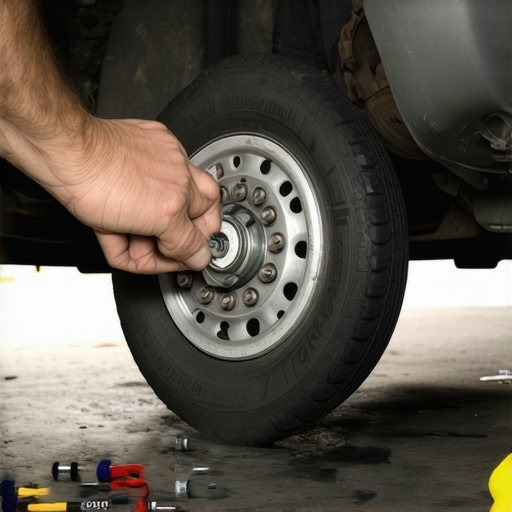
Ever been rocked by that sudden, annoying squeak every time you press your clutch pedal? It’s one of those little nagging issues that, at first, seems harmless—something to ignore and maybe deal with later. But let me tell you, ignoring that squeak can turn into a bigger headache, and trust me, I’ve been there. I remember the day I started my car, and instead of a smooth press, I was met with an almost piercing squeal that echoed through my garage. My first instinct? Panic. Then I realized—this was a problem I could fix myself, and it didn’t have to take forever.
Today, I want to share with you a simple, practical way to silence that squeaky clutch pedal in seconds. No expensive mechanic visits, no complicated tools, just a quick fix that will get your pedal as quiet as new. Because honestly, those squeaks can drive you crazy, especially when you’re trying to focus on the road or having a quick drive-through visit. Plus, if left unchecked, they can indicate parts wearing out sooner than expected, which might lead to more expensive repairs down the line.
So, what’s causing that jarring squeak? Usually, it’s due to a lack of lubrication in the clutch pedal’s pivot points or a worn-out pivot bushing. This is a common issue, and resolving it is often straightforward. But here’s the thing—many people make a mistake early on: they assume that the noise is something complicated or that they need to replace major parts. Not true! Sometimes, a little spray of silicone lubricant and a quick tightening are all that’s needed.
If you’ve ever faced the frustration of trying to silence a squeaking pedal, you’re in good company. I’ve been there, and I’ll walk you through exactly how to fix it, quickly and easily. Before we dive into the step-by-step solution, it’s worth noting that regular maintenance, like periodic lubing, can keep your clutch pedal smooth and quiet for years to come. For more tips on maintaining your car’s lifespan, check out this helpful guide on maximizing your car’s lifespan with regular tune-ups.
Now, if you’re eager to get started, just ask—have you recently heard a squeak every time you press your clutch? If so, stay with me, because what we’ll do next is super simple and might just save you a trip to the mechanic.
Check the Pedal’s Pivot Point
Begin by inspecting the area where your clutch pedal connects to the firewall. Over time, dirt and debris can cause squeaks. Use a flashlight to look for visible grime or wear. I remember once I found a slug of dirt lodged in the pivot, causing my pedal to squeak loudly. Just a quick wipe cleared it up and restored smoothness.
Apply Silicone Lubricant
Next, spray a generous amount of silicone-based lubricant onto the pivot bushing and connecting points. Avoid petroleum-based sprays, as they can degrade rubber parts. When I tried this on my car, it took just moments before the squeak disappeared, leaving my pedal whisper-quiet. Make sure to move the pedal back and forth to spread the lubricant evenly—this ensures thorough coverage and a lasting fix.
Ensure Proper Lubrication of Moving Parts
Identify any other moving components related to the clutch linkage, such as the cable or arm. Apply lubricant to these parts to prevent future squeaks. A well-lubricated linkage feels smoother and extends component life, akin to how regular oil changes keep your transmission healthy. For ongoing maintenance, consider following the tips in maximizing your car’s lifespan with regular tune-ups.
Tighten Loose Fasteners
After lubricating, check for any loose nuts or bolts around the pivot and linkage. Use a wrench to secure these fittings snugly, as loose fasteners can cause noise or improper operation. I once overlooked this step, and despite applying lubricant, the squeak persisted. Tightening the bolts resolved the issue instantly, proving that sometimes, a simple tightening is all it takes.
Test the Pedal and Observe
Finally, press the clutch pedal several times to ensure the squeak is gone and the pedal moves smoothly. Drive a short distance to confirm the fix holds up under real driving conditions. If squeaking returns, reassess the pivot and lubrication points; sometimes, wearing components require replacement. Remember, neglecting these signs can lead to further transmission issues, so stay proactive about maintenance and consult professionals if needed.
By following these straightforward steps, you can restore peace to your clutch pedal quickly. Regular checks and lubrication can prevent squeaks from returning, ensuring your driving is silent and smooth. If you suspect more complex transmission problems, don’t hesitate to seek expert advice—check out top signs your car needs expert auto repair now or contact specialists at Collision Fixer.
Many car owners believe that all auto repairs and maintenance practices are straightforward, but in reality, there’s a lot of nuance often overlooked. A prevalent myth is that routine-looking fixes, like oil changes or brake replacements, don’t impact your vehicle’s longevity. However, experts explain that neglecting proper service schedules or using the wrong type of fluids can accelerate component wear, leading to costly repairs down the line. For instance, many assume that synthetic oils are universally better, but studies show that high-mileage engines might benefit more from specialized formulations, a detail often missed by DIY enthusiasts.
Why do many drivers underestimate the importance of transmission maintenance?
Optimizing your transmission health isn’t just about avoiding immediate issues; it’s about understanding how tiny micro-adjustments during a tune-up can extend its lifespan significantly. According to automotive specialists, irregular transmission fluid changes or using generic replacements can cause sludge buildup or corrosion, resulting in early transmission failure. This mistake is common among drivers who believe that transmission repairs are always expensive and unnecessary until major problems occur. Regularly scheduled overhauls or fluid checks, aligned with the manufacturer’s recommendations, can save hundreds, if not thousands, of dollars over your vehicle’s life.
Furthermore, a frequent oversight is the assumption that collision repairs are strictly about fixing visible damage. In contrast, hidden frame damages or compromised alignment often go unnoticed but can lead to uneven tire wear, steering issues, or poor fuel efficiency. That’s why verifying the integrity of your vehicle’s structure with a professional is essential, even after seemingly minor accidents. This is backed by research indicating that early detection of frame issues preserves your safety and extends your vehicle’s usability.
So, what’s the biggest trap most drivers fall into? It’s believing that car maintenance is a one-size-fits-all task. The reality is much more complex, involving specific fluid types, precise timing, and understanding the subtle signs that indicate underlying issues. Skipping or delaying critical services can lead to bigger problems, like transmission shuddering or engine overheating, which are far more expensive to fix. For thorough guidance and personalized diagnostics, consulting with a trusted auto repair shop can make a significant difference. Check out this comprehensive guide to recognize early warning signs of vehicle trouble, or reach out to professional technicians for expert advice.
Remember, awareness is your best defense against costly auto mistakes. Regular maintenance, understanding the nuances of vehicle care, and avoiding common pitfalls are essential to keeping your car running smoothly and safely for years to come. Have you ever fallen into this trap? Let me know in the comments.
Keep Your Vehicle Running Smoothly with the Right Tools
Maintaining your car’s performance over time requires more than just regular check-ups; it hinges on having the right tools and adopting proper methods. As a seasoned auto repair enthusiast, I rely on a handful of specific equipment that ensures precision and efficiency in every job. For instance, my digital torque wrench is indispensable when tightening bolts during suspension work or transmission service, guaranteeing that each fastener is set to manufacturer specifications, which prevents future issues. I prefer the multimeter for battery diagnostics—it’s affordable, accurate, and gives me instant insight into electrical health, helping me catch potential failures before they leave me stranded.
When it comes to addressing transmission concerns or performing tune-ups, I adhere to a protocolized approach: checking fluid levels with a calibrated dipstick, inspecting filters, and measuring component wear with specialized gauges. For software diagnostics, I use a reliable OBD-II scanner like the Autel MaxiScan, which interfaces seamlessly with my laptop and provides comprehensive trouble codes—saving time and pinpointing issues precisely. These tools are part of my standard arsenal, facilitating thorough inspections and preventing minor problems from escalating into costly repairs.
Future of Car Maintenance Tools
The trend is moving towards integrated diagnostics and telemetry-enabled systems. Imagine an OBD-II scanner that continuously monitors vital stats and alerts you on your phone about impending issues—much like a health tracker. This evolution will empower drivers to perform proactive maintenance, reducing downtime and long-term expenses. As technology advances, expect to see even smarter tools combining AI with real-time data analysis, making DIY auto repair more accessible and reliable than ever before.
How do I keep these tools effective over time?
Regular calibration and proper storage are critical. Keep your torque wrench calibrated annually using professional devices to ensure accuracy. Store sensitive electronics in anti-static, dry environments to prevent corrosion and damage. Also, stay updated with software patches for diagnostic scanners to maximize their usefulness.
Investing in quality tools can seem costly initially, but they pay dividends by extending your vehicle’s lifespan and minimizing repair costs. Remember, routine maintenance such as regular tune-ups and honest diagnostics pave the way for safe driving. If you’re unsure about your car’s needs or want tailored advice, don’t hesitate to reach out to professional mechanics. Whether you’re fixing a squeaky clutch or tackling transmission issues, the right tools and methods will ensure your vehicle keeps performing flawlessly for years to come. For instance, applying a high-quality transmission fluid change using precise measuring equipment can dramatically improve shift smoothness and component longevity.
Try calibrating your torque wrench today before your next major repair—it’s a small step that makes a big difference in achieving lasting results and avoiding repeated visits to the shop.
The Hardest Lesson I Learned About Car Service, Auto Repair, and Collision Fixer
One of the most impactful lessons I realized was that routine maintenance isn’t just about following a checklist—it’s about understanding your vehicle’s unique quirks and listening to what it’s telling you. Ignoring small signs like a squeaky clutch can lead to costly repairs later, but paying attention early can save a lot of stress and money. I once neglected a minor noise, only to find myself stranded with a shuddering transmission that could have been avoided with timely fluid checks and inspections.
3 Myths About Auto Repair That Held Me Back
Believing that all repairs are complicated or that DIY fixes are always cost-saving might seem tempting, but these myths can actually hinder your vehicle’s longevity. For example, thinking synthetic oils are universally better ignored the fact that some engines benefit more from conventional or high-mileage formulas. Learning these nuances, often through trusted sources like maximizing your car’s lifespan with regular tune-ups, empowers you to make smarter decisions.
Why Overlooking Transmission Maintenance Can Be Costly
Many drivers underestimate the importance of transmission health, assuming problems will only show up when it’s too late. However, small issues like delayed shifts or rough gear changes are signs that your transmission needs attention. Regular fluid exchanges and early diagnostics, as discussed in this guide on transmission care, can prevent expensive rebuilds and keep your drive smooth.
The Power of Proper Tools in Keeping Your Car at Its Best
Having the right equipment, such as a calibrated torque wrench or an advanced OBD-II scanner, transforms DIY maintenance from guesswork into precision work. These tools help me identify issues early, ensuring my car runs safely and efficiently. For those looking to build their toolkit, reputable sources like essential car service tips suggest starting with quality gauges and diagnostic devices that last and perform reliably.
Seize Control and Keep Your Car Running Strong
Remember, your vehicle reflects the care you invest. Embrace the knowledge and tools necessary to troubleshoot and maintain your car effectively. Whether it’s fixing squeaks or diagnosing transmission quirks, proactive action today prevents costly repairs tomorrow. Dive into your maintenance routines, stay curious, and don’t hesitate to consult professionals when needed—your car and wallet will thank you. Ready to take charge? Share your experience or questions below—let’s keep the conversation going and help each other drive smarter.