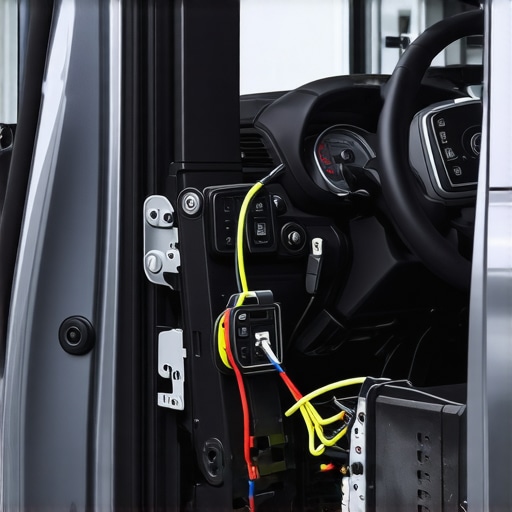
There I was one chilly morning, reaching into my car, only to find that the remote wouldn’t lock the door. Frustration crept in as I tried again and again, thinking maybe my battery was dead or the signal was weak. Ever been there? That sinking feeling when your trusty remote suddenly refuses to do its job, leaving you vulnerable and puzzled?
Getting to the Heart of the Locking Issue
So, why does this happen? And more importantly, how can you fix it without heading straight to the dealership or breaking the bank? Over the years, I’ve learned that this problem is often a small fix, but one that can leave you feeling downright helpless if you’re not sure where to look. In fact, a study by the AAA Foundation highlights that many auto issues stem from simple electrical glitches that can be tackled with a little know-how, saving both time and money.
Is It Really Worth Your Time to Fix the Remote Lock?
Early in my DIY repair journey, I made the mistake of replacing the entire remote control because I thought it was the only route. Turns out, I was overlooking simple causes like dead batteries or faulty receivers. Trust me, understanding the root cause is key. If you’ve faced the annoyance of a non-responsive remote, don’t worry—you’re not alone, and there’s a good chance you can fix it yourself.
Now, let’s dive into some practical steps that will help you troubleshoot and resolve this common auto issue. Whether it’s a faulty battery or a wiring snag, I’ll guide you through the process, so you won’t be left in the cold again. Curious? Keep reading, and you’ll soon be able to unlock your car door remotely without a hitch.
Check the Battery First
Begin by replacing the remote’s battery, which is often the culprit. Remove the back cover with a small screwdriver or coin, pop out the old battery, and insert a new one of the same type. I once had a stubborn remote that refused to work; after changing the battery, it responded instantly, saving me a trip to the dealer. This simple step often resolves the issue quickly.
Inspect the Remote for Damage
Next, examine the remote for visible signs of damage like cracks or corrosion. Use a flashlight to look for rust or debris inside the casing. If you notice water damage or corrosion, cleaning or replacing the remote may be necessary. I once found corrosion inside mine, which caused intermittent signals—cleaning it with electrical contact cleaner fixed the problem.
Reprogram the Remote
If the battery is fine and there’s no visible damage, try reprogramming the remote. Most cars require a specific sequence: turn the ignition on, press a button on the remote, then turn off the ignition. Consult your vehicle’s manual for exact steps. I had to reprogram mine after replacing the battery, and following the manufacturer’s process restored its functionality.
Test the Receiver Module
The receiver inside your car processes signals from the remote. Use a multimeter to check the receiver’s voltage, or listen for a clicking sound when pressing the remote. If the receiver is unresponsive, it could be faulty. I once replaced the receiver, which was a bit tricky but straightforward, and it brought my remote back to life.
Potentially Replace the Remote or Receiver
If all else fails, consider replacing the remote or its receiver module. Many electronics stores sell universal remotes compatible with your vehicle. For the receiver, consult a professional if you’re uncomfortable with soldering or circuit work. Remember, sometimes a new remote is more cost-effective than repairing old electronics.
Additional Tips for Success
Keep your remote away from water, extreme heat, and magnetic fields, as these can impair functionality. Regularly clean the buttons with a soft cloth. If necessary, seek professional help to verify if your car’s antenna or circuit board is working correctly. Regular maintenance, like tuning up your vehicle, can prevent electrical issues that affect remote functions here.
Many car enthusiasts and everyday drivers alike operate under misconceptions about auto repair, often leading to costly mistakes and overlooked issues. One common myth is that all transmission problems stem solely from low fluid levels or simple wear, but in reality, ignoring early signs like shuddering or delayed shifting can accelerate damage and inflate repair costs. Understanding the nuanced causes—such as failing solenoids or clogged filters—can save you money and prolong your transmission’s lifespan. Proper maintenance and early detection are crucial for avoiding catastrophic failures.
What’s the biggest mistake most people make when tuning up their cars?
Contrary to popular belief, many believe that frequent oil changes alone guarantee vehicle longevity. However, neglecting comprehensive inspections—like checking spark plugs, air filters, and ignition timing—can lead to decreased performance and higher fuel consumption. Modern engines rely on precise calibrations; tuning up without addressing these nuanced areas is akin to treating symptoms rather than the root causes. Experts emphasize that periodic holistic assessments, guided by expert advice, truly maximize your car’s lifespan. Want to learn more about effective tune-up strategies? Explore detailed tips here.
Now, let’s uncover some common pitfalls and advanced traps that catch even seasoned DIYers off guard. Recognizing these hidden nuances can make the difference between a quick fix and a major repair, saving you time, money, and a headache. Have you ever fallen into this trap? Let me know in the comments.
Maintaining your vehicle’s performance over time isn’t just about regular oil changes; it requires the right tools, some know-how, and a proactive mindset. From diagnostic software to specialty hand tools, investing in quality equipment can make all the difference in diagnosing issues early and preventing costly repairs down the line. For example, I personally rely on a high-quality Bluetooth OBD-II scanner like the BlueDriver, which pairs effortlessly with my smartphone. Not only does it give me real-time data, but it also interprets error codes with detailed explanations, saving me trips to the mechanic. This approach aligns with industry recommendations that suggest leveraging portable diagnostic tools to identify problems before they escalate.
When it comes to fixing or tuning your transmission, having the right gear is essential. I recommend a service-grade transmission fluid pump and a sturdy fluid pan gasket scraper. These tools help ensure a clean, quality repair, extending the lifespan of your transmission, which can be a major money-saver; as outlined in [CollisionFixer’s comprehensive guide](https://collisionfixer.com/how-transmission-overhauls-save-you-money-in-the-long-run). Regular inspection and maintenance with proper equipment can prevent a complete transmission rebuild, which is often more costly and time-consuming.
For ongoing maintenance, maintaining a detailed service log using digital apps like Everlance or MyCarTracks can help track your vehicle’s needs and service history, making it easier to schedule tune-ups or replacements. When it comes to scaling up your skills, investing in a quality multimeter, such as the Fluke 115, allows you to test electrical components precisely, helping you diagnose dead circuits, faulty sensors, or failing relays.
Looking ahead, the trend in car maintenance tools is moving toward integrated systems with AI capabilities that can predict failures before they happen. Companies like Bosch are developing diagnostic tools that communicate directly with vehicle ECUs to flag potential issues early. Embracing these innovations could mean fewer surprises and smoother rides for years to come.
If you’re serious about keeping your car in top condition, I recommend trying the advanced tip of regularly checking your vehicle’s battery health with a digital multimeter. Monitoring the voltage can help prevent unexpected stalls or starting issues. Remember, the key to long-term vehicle health is not just reactively fixing problems, but proactively maintaining with the right tools and techniques. For tailored advice or assistance, feel free to reach out through our contact page. Regularly updating your methods and tools will ensure you’re always a step ahead in auto care.
The Hardest Lesson I Learned About Auto Repair and Car Service
Early on, I believed that any mysterious car issue required a trip straight to the mechanic, often costing hundreds. But I’ve realized that many problems, like a non-responsive remote, are often simple fixes. Understanding this has saved me countless hours and dollars, reinforcing that knowledge truly is power (and savings!).
3 Myths About Auto Repair That Held Me Back
- Myth: Replacing parts is always the best solution.
Reality: Diagnostics matter. Sometimes, a faulty remote or a bad battery is all it takes to fix a problem—no need to buy new parts unnecessarily. - Myth: DIY repairs will always invalidate warranties.
Reality: When done correctly, simple repairs like reprogramming remotes or checking electrical connections can be safe and effective. - Myth: Modern cars are too complex for DIY fixes.
Reality: Many issues stem from accessible components; with the right tools and guidance, you can troubleshoot even advanced systems.
What Experts Won’t Tell You About Save Money on Auto Maintenance
Most of us focus on quick fixes, but prevention is key. Regularly inspecting electrical systems, maintaining proper fluid levels, and understanding your vehicle’s warning signs can prevent costly repairs. Investing in quality diagnostic tools, like a reliable Bluetooth OBD-II scanner, helps catch problems early. Trust me, proactive maintenance with the right knowledge is your best defense against unexpected breakdowns. For more comprehensive tips, check out this guide on maximizing your car’s lifespan.
Gear Up with the Right Knowledge and Tools
From using a multimeter like the Fluke 115 to keeping a detailed service log with apps like Everlance, equipping yourself with the right tools makes car maintenance accessible and even enjoyable. Learning to diagnose electrical issues or properly change fluids can extend your vehicle’s life significantly. Remember, every successful repair boosts your confidence and saves money. Ready to become your own mechanic? Start small, stay curious, and don’t hesitate to seek professional help when needed. Your journey toward smarter car ownership begins now!