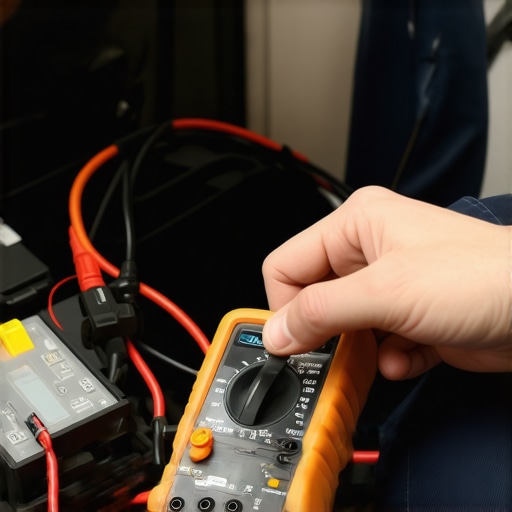
It was a chilly morning, and I reached for my keys, only to find my car’s battery dead as a doornail. After the jump-start, I sat there scratching my head, realizing that something inside my car was quietly sipping power, draining my battery day after day. That frustrating experience was a real lightbulb moment for me. I knew I wasn’t alone—this sneaky parasitic drain was a common headache many drivers face, including myself.
Why Identifying Parasitic Drain Is Crucial for Your Car’s Health
Understanding and catching a parasitic drain isn’t just about avoiding those embarrassing missed starts. Over time, a persistent drain can cause serious damage to your battery and other electrical components, leading to costly repairs. Plus, if you’re like me, the idea of being stranded because of a preventable issue isn’t just inconvenient—it’s downright stressful.
Are You Really Wasting Your Time? The Truth About Diagnosing Battery Drains
Honestly, I was guilty of jumping straight to replacing batteries without pinpointing the real culprit. I fell into the trap of thinking a new battery would fix everything—an early mistake I learned the hard way. As I delved deeper, I realized that diagnosing a parasitic drain requires patience, a bit of know-how, and the right tools. If you’ve ever experienced unexplained battery trouble, you’re probably wondering, "Is it worth the time and effort?" Let me assure you—absolutely. A few simple tests can save you both money and frustration, and I’ll walk you through the process step-by-step.
Gather Your Tools and Prepare for Testing
Start by turning off your vehicle and removing the key. Gather a multimeter capable of measuring current, basic screwdrivers, and gloves. To avoid false readings, ensure all accessories—like the radio or interior lights—are off. I recall the time I first attempted this; I left my glove box open, which caused an inaccurate reading and led me on a fruitless chase. Proper preparation is essential.
Locate the Fuses and Access the Fuse Box
Most vehicles have a dedicated fuse box under the hood or inside the cabin. Refer to your owner’s manual to identify the fuse box location and diagram. Once located, set your multimeter to measure current (amperes). Connect the multimeter’s black lead to a good ground, like the negative terminal or grounded metal, and the red lead to the Power Distribution Center (fuse box) wire or terminal where the battery cable connects. Be cautious not to short circuit any terminals. I once skipped this step and initially measured current at the battery terminals, which gave misleading results.
Perform the Parasite Draw Test
With everything off, remove the fuse for any accessories you want to isolate. Then, connect your multimeter in series: that is, between the battery’s positive terminal and the cable. Read the current draw. A typical acceptable parasitic drain is under 50 milliamps (0.05 amps). If the reading is higher, you’ve identified a drain. For example, I found a 200-milliamp draw one day, which pointed me to a stuck relay in the trunk light circuit—solving a three-week mystery.
Isolate the Culprit Circuit
Remove fuses one at a time (or relays if accessible) and observe the multimeter. When the current drops to normal levels, you’ve identified the problematic circuit. For instance, removing the fuse for the audio system suddenly caused current to plummet, indicating the amplifier or stereo module was the source of drain. This process is like narrowing down a leak to a single pipe before fixing it.
Inspect and Repair the Faulty Component
Once you’ve located the circuit, examine connected components for signs of damage, corrosion, or loose wiring. Small corrosion spots on battery terminals can cause unexpected drains—here’s how to spot them: check this guide on battery corrosion. Clean corroded terminals with baking soda and a wire brush, then re-test. I once cleaned my terminals and eliminated a persistent drain, saving my battery from premature death.
Reconnect and Verify the Fix
Reinstall the fuse or relay, start the vehicle, and remeasure the current draw. It should now be within normal range. Keep an eye on the battery over the next few days. If the drain persists, re-evaluate your findings or consider professional diagnosis. Regularly inspecting your electrical system is like maintaining a high-performance engine—small checks prevent big breakdowns. Find more tips on maintaining your system here: maximize your car’s lifespan with routine tune-ups.
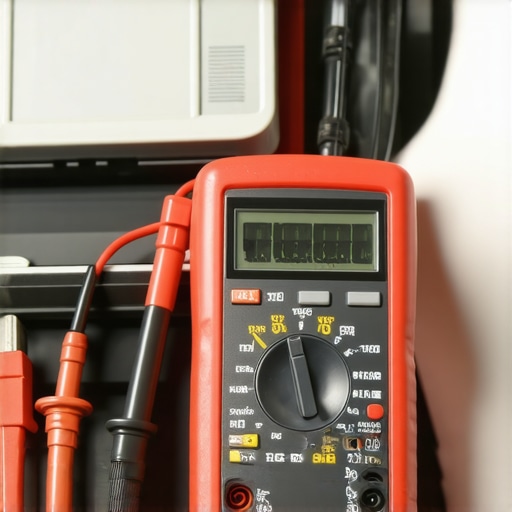
Many car owners operate under misconceptions that can lead to unnecessary expenses or even exacerbate existing issues. One prevalent myth is that every strange noise indicates a need for an immediate, costly repair. In reality, minor noises often stem from simple, affordable fixes—like a loose belt or debris caught in the wheel—rather than major components needing replacement. Another misconception is that regular oil changes alone guarantee your engine’s lifespan. While important, neglecting other vital maintenance tasks like tire rotations, brake inspections, and transmission checks can lead to uneven wear or hidden damage, undermining your car’s longevity.
A particularly sneaky trap many fall into involves servicing their transmission without understanding the critical nuances. For instance, using the wrong type of transmission fluid or ignoring signs of early transmission trouble can cause more harm than good. This underscores why consulting an expert at collisionfixer can be invaluable; their insights help prevent costly overhaul costs down the road.
Why Do Many Overlook the Real Causes of Engine Performance Issues?
Often, owners focus only on the visible symptoms—like poor acceleration or rough idling—without investigating underlying causes such as clogged fuel injectors, faulty sensors, or ignition system problems. According to industry experts, addressing these root issues early ensures better performance and extends component lifespan. Rushing into replacement parts or repairs based on superficial symptoms is a common pitfall that can waste money. To avoid this, having a comprehensive diagnostic by professionals—who can interpret subtle signals—is crucial. For detailed guidance on maintaining your vehicle properly, check out maximizing your car’s lifespan with regular tune-ups.
Beware of the temptation to perform DIY fixes on complex systems like the transmission or collision damage repairs. While some minor maintenance tasks are straightforward, intricate components demand specialized knowledge and tools. Missteps here can lead to more extensive damage and higher repair costs later. If you’re uncertain, consulting a trusted expert, like collisionfixer, ensures you avoid these pits. Additionally, remember that not all repairs are created equal—improperly executed collision repairs, for example, can compromise safety and structural integrity. Always opt for professional service, especially when in doubt. For more on collision repair essentials, visit essential car service tips for safe summer drives.
Are you aware of the most common auto repairs that are actually simple fixes? It’s easy to be misled by misconceptions, so staying informed can save you a lot of money. Regularly consulting trusted sources and professionals ensures your vehicle stays reliable and safe to drive. Have you ever fallen into this trap? Let me know in the comments.
Prioritizing Your Maintenance Routine
Maintaining your vehicle over time requires more than just periodic oil changes. It’s about adopting a systematic approach that includes advanced diagnostics and proper tools. Personally, I rely heavily on a high-quality scan tool like the Autel MaxiScan. It provides comprehensive engine diagnostics, helps clear error codes, and offers real-time data—crucial for catching minor issues before they become costly repairs. Investing in such a tool has saved me thousands by preventing catastrophic failures, especially with complex systems like transmissions. Routine tune-ups and the right diagnostic tools form the backbone of long-term vehicle health.
What’s the Best Approach to Keep Your Car Components in Top Shape
Regular inspections are key. I personally conduct periodic visual checks of belts, hoses, and wiring connections using a flashlight and a mirror. For more detailed assessments, I utilize a digital borescope, which lets me peek into engine compartments and behind panels without disassembly. It’s an inexpensive investment that provides invaluable insights—helping identify early corrosion, cracks, or loose connections. These proactive measures ensure that I catch issues like minor corrosion, which can mimic serious problems such as a dead alternator, as explained here.
Long-Term Results: Keeping Your Transmission in Shape
Transmission health directly impacts your driving experience. I recommend using a dedicated transmission fluid tester to check fluid condition periodically, rather than waiting for performance signs. When necessary, a complete transmission overhaul can seem daunting, but long-term overhaul ensures smoother operation and reduces the risk of costly repairs down the line. To extend the lifespan further, I now perform regular fluid flushes and replace filters at manufacturer-recommended intervals—it’s a small effort that yields big rewards.
How do I maintain my vehicle’s electrical system over time?
Electrical systems are the arteries of modern vehicles, and their upkeep is often overlooked. I proactively inspect battery terminals and grounds using a multimeter and visual cues. Using a corrosion removal kit, like baking soda paste and a wire brush, I keep terminals clean. For residual issues, I employ a ground wiring tester to identify grounding problems that cause flickering lights or erratic sensor behavior. These small but decisive steps help prevent issues like parasitic drains, which can drain your battery over time. Remember, routine electrical inspections extend your car’s reliability. For more insights, check out flickering headlight fixes.
Looking ahead, the auto repair landscape is shifting toward even more advanced diagnostics and smart tools. With the rise of OBD-II scanners integrated with AI-powered software, maintaining your vehicle will become more intuitive and precise. As vehicles become increasingly connected, familiarity with such technology will become essential for DIY enthusiasts and professionals alike. To stay ahead, I recommend investing in evolving diagnostic software and continuous learning.
If you’re eager to take your car maintenance to the next level, I advise trying a comprehensive transmission fluid analysis or upgrading your diagnostic equipment today. With these tools, you’ll identify issues faster and keep your vehicle performing at its best for miles to come. For expert assistance or to explore more advanced repair techniques, don’t hesitate to reach out through contact us.

Image description: Close-up of a professional mechanic testing a vehicle’s electrical ground with a digital multimeter, emphasizing maintenance precision.
,
The Hardest Lesson I Learned About Car Maintenance and Repairs
One of my most valuable insights came when I realized that rushing to replace parts without proper diagnosis often leads to unnecessary expenses. Learning to identify the real culprit—like a parasitic drain—before jumping into repairs has saved me thousands. Patience and proper testing, such as using a multimeter to measure current draw, are game changers.
3 Myths About Auto Service That Misinformed Me for Too Long
I used to believe that a new battery alone would fix all electrical issues, which isn’t true. Regular inspections of electrical connections, like cleaning corrosion on terminals, make a significant difference. Additionally, routine maintenance—like transmission flushes—prevents costly overhauls, giving my vehicle a longer, healthier life.
What Experts Won’t Tell You About Transmission Care and Long-Term Savings
Many overlook the importance of monitoring transmission fluid health. Using dedicated testers and adhering to recommended service intervals can extend your transmission’s lifespan. I wish I had started doing regular fluid analysis earlier—it’s a small step that can free you from big repair bills down the line.
Curated Tools That Revolutionized My Vehicle Maintenance Approach
Tools like a high-quality scan tool, such as the Autel MaxiScan, have empowered me to perform detailed diagnostics at home. A digital borescope allows me to inspect hidden areas for early signs of wear or corrosion without costly dismantling. Investing in these tools has transformed my approach from reactive to proactive care.
Your Next Step to Keep Your Car Running Smoothly
Remember, preventative maintenance and proper diagnosis are key to vehicle longevity. Don’t wait for warning lights or strange noises—take control now. If you’re eager to deepen your knowledge, explore the detailed guides and professional insights available through collisionfixer, because a little effort today prevents big problems tomorrow. What’s one maintenance habit you’ve been neglecting that could make a difference? Drop your thoughts below!
Have you ever struggled with pinpointing the cause of a tricky auto issue? Share your experiences in the comments—I’d love to hear your story.