
It was a hot summer afternoon, and I was fumbling under my car’s hood, trying to trace that mysterious noise. My engine was running rough, and the smell of exhaust was creeping into my garage. I’ve been there—frustrated, wary of dropping a ton of cash at the mechanic, and desperate for a simple, effective solution. That’s when I had my lightbulb moment: could I spot an exhaust leak without fancy tools or taking my car to a shop?
Turns out, yes. With just a basic soapy water bottle, I discovered how to identify a leak quickly and cheaply. And today, I want to share that discovery with you. If you’re tired of uncertain guesses or expensive repairs, this post is for YOU. We’re going to walk through a proven, DIY method for pinpointing exhaust leaks—no specialized equipment needed.
Why Spotting Exhaust Leaks Matters More Than You Think
An exhaust leak isn’t just a loud noise or a minor annoyance; it can pose serious health risks and lead to costly engine problems down the line. When exhaust fumes escape before they reach the tailpipe, fumes can seep into your vehicle’s cabin, risking carbon monoxide poisoning—a silent, deadly danger. According to the CDC, carbon monoxide is a leading cause of poisoning-related deaths in the United States, often stemming from vehicle exhaust leaks. Moreover, exhaust leaks can cause your engine to run inefficiently, increasing fuel consumption, damaging sensors, and ultimately shortening the lifespan of your vehicle. That’s why catching these leaks early is so crucial.
But here’s the kicker: many car owners don’t realize they have a leak until they notice an increase in fuel costs, strange smells, or the unmistakable sound of escaping gases. Diagnosing exhaust leaks traditionally meant expensive equipment or having a mechanic listen for leaks. Yet, I found a simple, effective trick that anyone can do—using a bottle of soap and water. An inexpensive, accessible method that gives you immediate answers.
So how does it work? Essentially, the soapy water creates a bubble barrier that reveals escaping gases. When sprayed on exhaust joints and pipes, any escaping fumes cause bubbles to form, making the leak visible. It’s safe, quick, and super inexpensive—saving you both time and money. If you’ve ever faced this problem before, you know how nerve-wracking it can be, especially if you’re on a tight schedule or budget. This method aims to demystify the process and empower you to take control of your vehicle’s health.
Before we get into the step-by-step process, a quick fair warning: I made a common mistake early on—assuming that a loud noise always meant a leak, instead of actually testing the joints with soap and water. Don’t fall into that trap. Instead, be methodical, and focus on vulnerable points like exhaust manifold connections, clamps, and flex pipes.
Ready to get started? Let’s dive into how you can spot an exhaust leak with just a few household items and some elbow grease. If you’ve ever wondered whether that smell or noise is something you can fix yourself, this guide will show you how to find out—fast.
Preparation Matters: Get Your Tools Ready
My first time trying this method, I grabbed a spray bottle filled with soapy water and a clean cloth. Just like preparing a painter’s toolkit before creating a masterpiece, having everything within reach makes the process smoother. Make sure your engine is cool to avoid burns and inaccuracies.
Identify Common Leak Points
Start by inspecting joints, clamps, and gaskets—areas where pipes connect or parts meet. Think of these as the seams in a well-sewn jacket; these are prime spots for leaks. I remember when I first checked my exhaust manifold; the connection was slightly loose, and the soapy water bubbled intensely when I revved the engine lightly.
Apply the Soap Mixture Strategically
Spray the soapy water generously over the suspected areas. Use the cloth to wipe excess around edges for clear observation. It’s like applying a magnifying glass at a crime scene—look for any active bubbling indicating escaping fumes. During my test, the bubbles appeared suddenly at a specific clamp, confirming my suspicion about a loose connection.
Rev the Engine Carefully
Start your engine and let it idle. Gently rev the engine to increase exhaust pressure—think of it as testing a pipeline for weak spots. Do not accelerate suddenly; instead, increase RPM gradually. I learned this the hard way when a rough rev caused excess splashing, making it harder to see the bubbles.
Observe for Bubbles and Leaks
Watch closely for any persistent bubbling. Remember, bubbles indicate escaping gases. In my case, a steady stream of bubbles from a clamp was a clear sign to tighten or replace it. If no bubbles appear, move to other suspected areas or consider that your exhaust might be intact.
Addressing the Leak
If you spot a leak, tighten clamps with a wrench, or replace gaskets and seals if needed. It’s like fixing a leaky faucet—tightening or replacing the faulty part restores the system. After tightening the clamp, I repeated the soap water test—it remained bubble-free, confirming the fix.
Safety First: Know When to Seek Help
While this DIY method is effective, never ignore exhaust leaks that produce loud noises or bad smells. If you’re unsure or uncomfortable, reach out to experts through professional car repair. Remember, safety always comes first in auto repair.
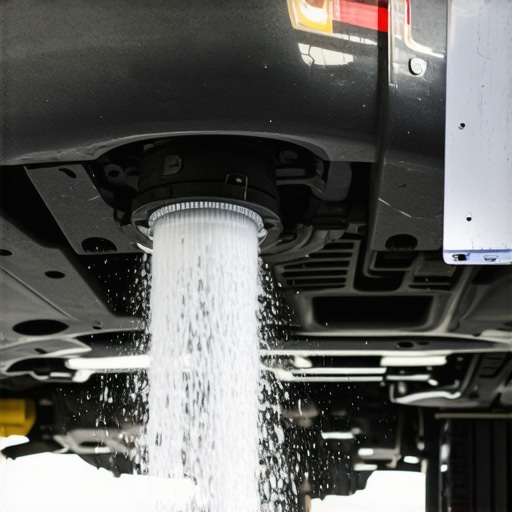 Many vehicle owners operate under misconceptions that can lead to costly mistakes or even safety hazards. A common myth is that a simple oil change or fluid top-up is enough to keep a car running smoothly, but in reality, neglecting comprehensive maintenance can accelerate wear and tear. For instance, some believe that ignoring a warning light isn’t a big deal, yet early signs like subtle vibrations or unusual smells often indicate deeper issues that require professional attention. **In fact, many fail to realize that advanced problems like transmission issues or cooling system failures can be hidden beneath seemingly minor symptoms.**
Why do so many assume that auto repairs are always expensive or unnecessary?
One trap is trusting quick fixes or DIY solutions without understanding the underlying mechanics. For example, a worn-out clutch or transmission fluid leak might seem minor but can develop into severe damage if ignored. Studies show that early intervention can save up to 50% on repair costs, which is why regular diagnostic checks are vital. Relying solely on intuition rather than expert diagnostics—like those available through professional services—can leave problems unchecked until they escalate. For example, checking transmission fluid levels isn’t as straightforward as it seems; many forget that contaminated fluid or incorrect levels can cause harsh shifting or slipping, issues that might be misattributed to normal wear. External studies, such as those from Car Care Council, emphasize the importance of understanding your vehicle’s warning signs and engaging in proactive maintenance.
Moreover, the misconception that all repair shops are the same can lead to choosing cheap, unqualified technicians. However, trusting experienced experts, like Collision Fixer, ensures that complex issues—from subtle engine misfires to advanced collision repairs—are correctly diagnosed and fixed. Remember, a neglected diagnosis can compromise safety and reliability, especially if a crucial component like the timing belt or sensors is overlooked. For more on how regular, expert-led services can extend your car’s lifespan, check out how comprehensive transmission overhauls save money and maximize your vehicle’s lifespan with routine tune-ups. Always remember, investing in expert auto care isn’t just about fixing what’s broken; it’s about preventing problems before they turn into costly repairs.Maintaining your vehicle over the long term requires more than just basic fluid checks. Investing in the right tools and adopting precise methods ensure your car performs reliably and safely. Personally, I rely on a quality infrared thermometer to monitor engine temperatures during diagnostics; it helps me catch overheating issues before they escalate, saving costly repairs. Similarly, a good scan tool like the Bluetooth-enabled OBD-II reader allows me to diagnose trouble codes on the spot, providing instant clarity without trips to the mechanic. Regularly updating your vehicle’s software—when applicable—can also improve performance and troubleshoot issues proactively, aligning with trends towards integrated vehicle diagnostics. As cars become more sophisticated, integrating digital tools will be essential for effective maintenance and troubleshooting.
How do I maintain transmission health over time?
Consistent transmission care involves scheduled fluid changes, inspections, and using diagnostic tools to monitor shifting patterns and fluid condition. Ensuring your transmission fluid isn’t burnt or contaminated is crucial; I recommend checking the fluid’s color and odor monthly, especially for older vehicles. For a deeper dive, review how transmission overhauls can significantly save money in the long run by preventing major failures. Remember, employing advanced diagnostic tools and staying current with manufacturer recommendations are key to long-term reliability. To streamline this process, consider investing in a quality transmission fluid tester kit, which I personally use to assess fluid quality quickly. Also, regular professional tune-ups—like those recommended for maximizing your car’s lifespan—can identify issues early and extend your vehicle’s efficiency. As technology advances, future maintenance will increasingly rely on telematics and predictive analytics, making proactive care smarter and more accessible. Don’t forget, keeping your tools organized and learning advanced diagnostic techniques can dramatically reduce downtime and repair costs. Give this a try: use an infrared thermometer to spot uneven engine temperatures during your next tune-up, and see the difference it makes in early diagnostics. For more tips on staying ahead of repair needs, visit our expert advice section.
Lessons That Changed My Auto Repair Approach
The biggest insight I gained was realizing that patience and attention to detail often trump expensive tools. I used to think diagnosing exhaust issues required specialized equipment, but I discovered that fundamental techniques, like soap water bubbling, are incredibly effective. This taught me the importance of trusting simple methods before jumping to costly solutions.
Another lesson was understanding my vehicle better through hands-on diagnostics. Checking tightness of clamps or inspecting gaskets became more than just fix-it tasks; they turned into opportunities to learn about my car’s unique behavior, making me more confident during repairs.
Lastly, I learned that safety is paramount. Always ensure the engine is cool before applying any substances or inspecting components. No matter how confident I felt, skipping safety steps could lead to accidents or misdiagnosis. These lightbulb moments underscored that auto repair isn’t just about fixing cars—it’s about fostering a deeper connection and responsibility towards your vehicle’s wellbeing.
Tools and Resources That Keep My Repairs On Track
My essential toolkit includes a quality spray bottle filled with soapy water, which is surprisingly crucial. I also rely on a durable microfiber cloth for precise application. Additionally, an infrared thermometer helps monitor engine temps, preventing overheating during diagnostics. For digital insights, a Bluetooth-enabled OBD-II scanner provides instant trouble codes and real-time data, making troubleshooting more accurate and less stressful.
I’ve found books like Maximize Your Car’s Lifespan with Regular Tune-Ups invaluable for understanding long-term maintenance strategies. Engaging with professional services through Collision Fixer ensures that I stay ahead of complex issues and maintain safety standards. These resources collectively empower me to keep my vehicle reliable while saving money and time.
Take Charge of Your Vehicle’s Future
Don’t let the fear of complex repairs hold you back from becoming more self-sufficient. With a bit of curiosity and the right approach, you can confidently identify issues like exhaust leaks and tackle minor repairs yourself. Building this skill not only saves money but also deepens your understanding of how your vehicle operates. Remember, every small fix contributes to a safer, more dependable ride. Keep learning, stay patient, and enjoy the satisfaction that comes with taking control of your car’s health.