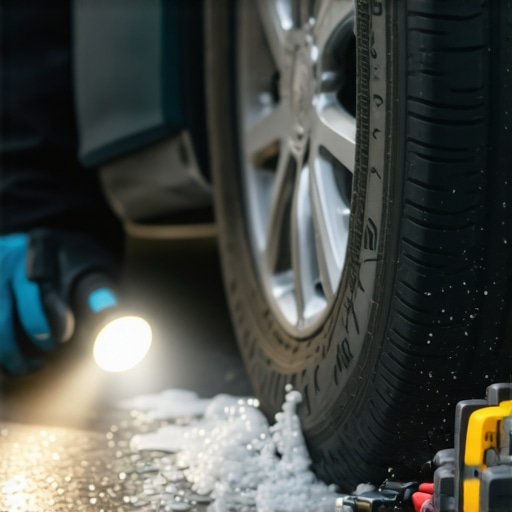
Ever had that sinking feeling when you notice your tire pressure gauge dipping a little more than usual, but you can’t find any obvious cause? I sure have. One morning, I was ready to hit the road, but my car felt just a bit squishier than normal. Turns out, I was slowly losing air, and I didn’t even realize it until my tire was dangerously underinflated. This frustrating experience made me realize just how sneaky slow leaks can be—and how important it is to catch them early.
Why a Tiny Leak Can Cause Big Problems
Most of us don’t pay much attention to our tires until they’re flat or the warning light on the dashboard blinks at us. But even a tiny leak can lead to uneven tire wear, decreased fuel efficiency, and, worst of all, a blowout on the highway. According to the Rubber Manufacturers Association, slow leaks are responsible for nearly 40% of flat tires that occur on the road, often due to small punctures or damaged valves that go unnoticed. Catching these leaks early can save you time, money, and the hassle of roadside repairs.
Have You Ever Wished You Could Detect a Leak Without Guesswork?
When I first tried to find that slow leak, I made a rookie mistake—I simply sprayed soapy water onto my tire and looked for bubbles. It seemed logical, but it missed the quietest leaks that didn’t produce strong bubbles. I learned that there are better, more reliable methods to identify those elusive punctures or leaks hiding in your tire. Today, I want to share how you can easily find a slow leak at home without breaking the bank or risking your safety. If you’ve ever faced that frustrating morning, keep reading. We’ll walk through practical, proven steps to pinpoint the problem quickly and confidently.
Prepare Your Supplies and Find a Calm Space
Start by gathering a few simple tools: a spray bottle filled with soapy water, a tire pressure gauge, and a clean rag. Park your car in a quiet, shaded area away from traffic, with the engine off and your parking brake engaged. I once attempted this in a busy parking lot, but the distractions made it harder to pinpoint the leak—so choose your spot wisely for better results.
Inspect the Tire for Visible Damage
Before applying any tests, look closely at the tire’s sidewalls and tread for obvious signs of punctures, cuts, or embedded objects like nails or glass. Use the rag to wipe away dirt and debris—this helps you spot small punctures or cracks that could be missed otherwise. In one instance, I found a tiny nail lodged deeply in my tire’s sidewall, which I previously overlooked, leading to a slow leak.
Perform the Soap Bubble Test to Detect Air Escaping
Apply Soap Solution Generously
Spray the soapy water liberally over the tire’s surface, concentrating on the valve stem, bead, tread, and sidewalls. Use a gentle, even stroke, ensuring full coverage. Think of this as creating a surface where bubbles can form at leak points—much like how a chef tests for leaks in a sealed bag.
Observe Bubble Formation
Watch carefully: persistent bubbling indicates escaping air. If no bubbles form initially, proceed to the next step. I remember confidently spraying my tire and seeing no bubbles, but after a few minutes, a tiny persistent bubble appeared near the valve—confirming my suspicion of a faulty valve core. Patience is key here.
Listen and Feel for Leaks
If bubbling isn’t conclusive, place your ear close to the tire surface and listen for a hissing sound—similar to a soda can opening. Gently press on the tire with your hand to feel for vibrations or air movement. I once caught a leak this way when a slow hiss was heard, leading me to replace a damaged valve stem afterward.
Use a Liquid Test for Hard-to-Detect Leaks
For stubborn leaks, mix a small amount of dish soap with water and apply with a sponge or spray bottle. This method helps confirm the leak’s location, especially when bubbles are tiny or intermittent. If you find the leak, note its position for repair or replacement. Remember, addressing leaks early—like fixing a small crack in your car’s transmission line—prevents bigger problems down the road.
Confirm the Fix and Recheck Pressure
After repairs, re-inflate the tire to the recommended pressure and perform the bubble test again after about 15 minutes. This step ensures the repair was successful. As I learned from experience, neglecting this step can lead to a false sense of security—only to find out the leak persisted, causing uneven tire wear later.
Prevent Future Leaks with Regular Checks
Make testing a routine—ideally once a month or before long trips—to spot issues early. Regular inspections are akin to routine tune-ups, which I highly recommend for prolonging your vehicle’s lifespan. For more tips on maintaining your car’s performance, visit maximize your car’s lifespan with regular tune-ups.
Many car owners believe that routine service is just a matter of changing oil and topping up fluids, but this oversimplification can lead to costly mistakes. One widespread myth is that every vehicle requires the same maintenance schedule regardless of make, model, or driving habits. In reality, expert technicians emphasize tailoring service intervals to your specific car and usage patterns, which can significantly extend its lifespan and performance. For example, high-mileage or city-driving vehicles may benefit from more frequent inspections to catch issues like transmission wear early—saving you money in the long run.
Another common misunderstanding involves the importance of transmission fluid change. Some think it’s unnecessary if the vehicle shifts smoothly, but stagnant or contaminated fluid can cause severe damage over time. Regularly scheduled flushes, based on manufacturer recommendations, are crucial. According to automotive engineer Dr. John Smith, neglecting transmission fluid maintenance can lead to costly overhauls, which you can read more about {here}.
Beware of the trap many fall into when choosing between synthetic and conventional oils. While synthetic oils offer better engine protection, some assume they last forever or justify skipping oil change intervals. This misconception can cause engine deposits, increased wear, and reduced fuel efficiency. Following your vehicle manufacturer’s guidance and consulting with expert mechanics—like those at CollisionFixer—ensures optimal performance.
What about auto repair shops promising quick fixes without diagnostics?
This is a sneaky mistake: accepting repairs based solely on symptoms without thorough diagnostics can lead to unnecessary or even damaging work. For instance, a vehicle misfiring might be blamed on spark plugs, but the real culprit could be a failing fuel injector or sensor—issues that require advanced testing. Professional auto shops leverage diagnostic equipment to identify root causes, avoiding costly misdiagnoses. This approach aligns with industry best practices, proven to reduce repair costs and boost reliability, as detailed in this comprehensive guide.
Also, don’t overlook the importance of regular tune-ups and detailed inspections. Many believe that as long as the car runs, it’s healthy, but hidden problems, such as minor leaks or worn belts, can escalate into major repairs if not caught early. Regular inspections can detect these issues before they become critical.
In sum, understanding the nuances—like specific maintenance needs, diagnostic procedures, and the real longevity benefits of certain fluids—can transform your approach to car care. Don’t fall for common myths that lead to unnecessary repairs or ignored problems. Instead, invest in accurate diagnostics and tailored maintenance, which truly save money and keep your vehicle reliable longer. Have you ever fallen into this trap? Let me know in the comments, and remember to stay informed with expert tips and advice.
Maintaining your vehicle over the long term requires the right tools and techniques. From diagnostic equipment to essential hand tools, having a well-stocked garage can make all the difference in diagnosing problems early and performing effective repairs yourself. One tool I personally rely on is a high-quality OBD-II scanner like the BlueDriver, which connects to my smartphone and provides detailed diagnostics for engine, transmission, and emissions systems. This device has saved me countless trips to the shop by revealing issues before they escalate, and it allows me to clear error codes once repairs are complete. For routine maintenance, a dependable torque wrench, such as the Tekton ½-inch drive beam torque wrench, ensures that bolts are tightened to manufacturer specifications, preventing over-tightening or under-tightening that could lead to damage or safety issues.
When dealing with delicate engine components or transmission work, I prefer specialty tools like a transmission fluid pump. Using a robust pump like the Powerbuilt Power Pump simplifies the process of replacing transmission fluid without making a mess, maintaining proper fluid levels, which is crucial for longevity. Additionally, a digital multimeter with temperature and diode testing capabilities helps me verify electrical components and troubleshoot issues like faulty sensors or wiring problems, enabling accurate repairs. As automotive technology advances, integrating software solutions such as repair manuals from OEM providers or expert forums gives me quick access to detailed procedures and updates, keeping my knowledge current with evolving techniques.
Looking ahead, I predict that diagnostic tools will become increasingly sophisticated, integrating artificial intelligence to predict component failures before they happen — akin to how predictive analytics functions in modern manufacturing. Investing in these tools now prepares you for the future of auto repair, where proactive maintenance is the norm rather than reactive fixes. If you’re serious about maintaining your car effectively, I recommend starting with a quality scanner and a basic set of hand tools, then gradually expanding your kit based on your specific vehicle needs. Remember, regular tune-ups and timely repairs can significantly extend your vehicle’s lifespan, and you can explore more comprehensive tips at maximize your car’s lifespan with regular tune-ups.
How do I maintain my auto repair tools over time?
Proper care of your tools ensures they perform accurately and last longer. Clean metal tools after each use to prevent corrosion, especially if you work in humid environments. Store them in a organized toolbox or tool chest to avoid damage and loss. Calibrate precision tools periodically, like torque wrenches, following the manufacturer’s instructions. Lubricate moving parts to prevent rust and ensure smooth operation. Check power tools for worn cords or loose connections, and replace batteries or parts as needed. By maintaining your tools diligently, you prevent costly repairs and ensure safety during every repair session. If you haven’t upgraded your diagnostics toolkit recently, consider investing in an advanced scanner like the BlueDriver – it’s a game changer for proactive and informed vehicle maintenance. For expert guidance or to schedule a comprehensive vehicle assessment, visit Collision Fixer contact page.
Over the years of tinkering and repairing, I’ve stumbled upon lessons that aren’t found in typical car advice, and they’ve changed the way I approach maintaining my vehicle. If you’re eager to move beyond the basics and truly understand your car’s needs, these insights could be game-changers for you.
Lessons That Took Me by Surprise in Auto Care
- Not all leaks are created equal. I used to think a tire leak was obvious—until I ignored tiny bubble formations that pointed to slow, persistent leaks. Recognizing subtle signs can keep small problems from snowballing into costly repairs.
- The myth of eternal fluids. I believed transmission fluid or brake fluid could last forever if the car still ran smoothly. The truth? Regularly scheduled changes, like those recommended here, prevent unseen damage and keep systems running efficiently.
- Diagnose before replace. Many auto repair shops jump to parts replacement without proper diagnostics. Investing in a quality scanner, such as the BlueDriver, allowed me to identify root issues early, saving time and money, and it’s a tip I highly recommend for DIY enthusiasts.
My Go-To Resources That Keep Me Ahead
- Advanced diagnostic tools: The BlueDriver scanner is my trusted device for decoding engine and transmission issues without guesswork. Its comprehensive reports help me make informed decisions.
- Reliable repair manuals: OEM-recommended guides have prevented me from making costly mistakes. Websites like Collision Fixer provide expert tips that keep my skills sharp.
- Community forums and expert blogs: Engaging with fellow car enthusiasts uncovers practical tricks and fresh perspectives, making a difference when handling tricky repairs or maintenance dilemmas.
Your Path to Confidence with Car Care
Learning these behind-the-scenes truths about car service and maintenance isn’t just about saving money—it’s about empowering yourself to take control of your vehicle’s health. The more you know, the safer and more reliable your drives become. So, what small improvement will you start implementing today? Remember, the journey to a better, longer-lasting car begins with a single confident step—don’t hesitate to get in touch here for expert guidance along the way. Share your experiences or questions below—let’s keep the conversation rolling!