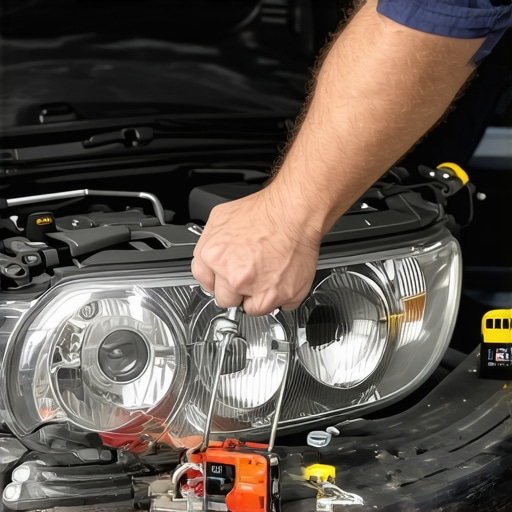
It was late evening, and I was halfway home when I noticed the sudden glare. Not from the traffic lights, but from my own headlights—they were misaligned, blinding oncoming drivers and obscuring my view. Turns out, a minor fender bender had knocked them out of whack. That moment was a lightbulb for me—literally and figuratively—I realized how critical proper headlight alignment is, especially after a collision. If you’ve ever experienced a similar jarring discovery, you’re not alone.
Why Proper Headlight Alignment Really Matters After a Collision
Missing a tiny adjustment can turn a safe drive into a dangerous ordeal, especially at night. When headlights are misaligned, visibility drops sharply, and your chances of being noticed by other drivers decrease. Plus, misaligned beams can dazzle other motorists, increasing the risk of accidents. But here’s the good news: aligning your headlights isn’t just for safety, it’s doable DIY-style, saving you time and money.
Is Getting Your Headlights Correctly Aligned Actually Worth the Hype?
I used to think a quick eyeball test was enough—until I made the mistake of ignoring a proper alignment. Driving with improperly aimed headlights can reduce your visibility by nearly 50%, according to a study by the AAA Foundation for Traffic Safety. That’s like trying to see through frosted glass on a foggy night. Early in my own journey, I overlooked this and paid the price in safety—and ultimately, in repair costs. Trust me, proper alignment isn’t just a nice-to-have; it’s essential for safe driving after any mishap. If you’re worried about screwing it up yourself, remember, I’ve been there, and I’ve learned the hard way that precision matters. Ready to take control? Let’s walk through how you can realign your headlights with confidence.
Gather the Right Tools Before You Start
To ensure precise headlight alignment, you will need a measuring tape, masking tape, a flat surface facing a wall, and a Phillips screwdriver. I remember the time I ignored this and struggled to make adjustments, skewing the beam pattern. Having everything ready eliminates guesswork and saves time.
Park Your Car Correctly and Find an Appropriate Location
Position your vehicle on a level surface about 25 feet away from a plain wall or garage door. Make sure your tires are properly inflated, as uneven pressure can affect alignment. I once tried to do this on an incline and ended up with misaligned beams, leading to dangerous nighttime driving. Flat terrain is essential for accuracy.
Mark Your Headlight Beams and Adjust Accordingly
Turn on your headlights and mark where the beams hit the wall using masking tape. Check the low-beam pattern; it should be slightly below the centerline of the headlight to avoid blinding other drivers. Use the adjustment screws—usually accessible from the engine bay or near the headlights—to fine-tune the aim. When I first attempted this, I used a bit of trial-and-error, but slowly learned the importance of small adjustments for precision.
Fine-Tune the Vertical and Horizontal Alignment
Adjust the vertical screw so the top of the cutoff line of the low beam is just below the tape mark, roughly 2 inches lower at 25 feet. For horizontal adjustment, make sure the beams are centered evenly. I recall a time I only adjusted vertically, which caused one headlight to shine into oncoming traffic—dangerous and illegal. Take your time and double-check your markings after each tweak.
Test the Adjustments and Drive Safely
After completing adjustments, turn off the headlights, step back, and evaluate the beam patterns. Start your car, turn on headlights, and observe the alignment in different directions. Finally, take a slow drive at night to ensure visibility is optimal without blinding other drivers. I once forgot to check after adjustments and was blinded on a curve; a quick follow-up saved me from potential hazards.
Remember Regular Checks Maintain Safety Over Time
Headlight beams can drift out of alignment over months, especially after minor bumps or vibrations. Periodic checks—every 6 months or after significant collisions—are a smart habit. For more detailed tips on vehicle maintenance, visit maximize your car’s lifespan with regular tune-ups.
 Many car owners operate under misconceptions about auto repair and maintenance, which can lead to costly mistakes. One prevalent myth is that sticking to the basic oil change schedule is enough to keep your engine healthy. In reality, neglecting other crucial components like transmission fluid or spark plugs can accelerate wear and tear, undermining your engine’s lifespan. For instance, failing to recognize early signs of transmission issues might result in more expensive overhauls down the line.\n\nA subtle nuance often overlooked is the importance of precise wheel alignment beyond the conventional visual check. Slight misalignments, even if not immediately apparent, can cause uneven tire wear, poor fuel economy, and steering problems. Professional alignment involves understanding camber, caster, and toe variations, which are essential for optimal vehicle handling. According to automotive experts, improper alignment can reduce tire lifespan by up to 30%, emphasizing the need for accurate diagnostics rather than relying solely on a driver’s visual impression.\n\nAnother common trap is assuming that all auto repair shops use the same quality of parts. Cheaper aftermarket components might seem appealing but often compromise longevity and safety. Choosing a reputable service provider that uses OEM parts ensures durability and peace of mind. You can learn more about the importance of proper parts selection and maintenance routines in our guide to maximizing your car’s lifespan, available [here](https://collisionfixer.com/maximize-your-cars-lifespan-with-regular-tune-ups).\n\nFor experienced drivers, understanding the subtle signs of transmission trouble, such as delayed shifts or unusual noises, can save hundreds in repair costs. Regular diagnostic checks can catch these issues early, avoiding unnecessary breakdowns. As outlined in our detailed post on [how transmission overhauls save money](https://collisionfixer.com/how-transmission-overhauls-save-you-money-in-the-long-run), timely intervention is key to preventing total transmission failure.\n\nAre you aware of the small but impactful details that can make or break your vehicle’s health? For example, neglecting to reset your vehicle’s computer after repairs can interfere with optimal performance. Modern vehicles rely on system recalibration to ensure all components work harmoniously. Regular checks and understanding repair procedures help maintain your car’s efficiency.\n\nHave you ever fallen into this trap? Let me know in the comments. Remember, mastering these hidden nuances not only extends your automobile’s life but also keeps you safe on the road.
Essential Tools for Long-Term Auto Care
Maintaining your vehicle’s optimal performance over time requires the right tools and a disciplined approach. From diagnostic equipment to specialized hand tools, each plays a vital role in early problem detection and efficient repairs. I personally recommend investing in a quality automotive scan tool like the Autel MaxiScan MS301, which allows me to read and clear diagnostic trouble codes myself, saving time and dealership costs. This device interfaces with your vehicle’s OBD-II port and provides instant insights into engine and transmission issues, helping prevent minor problems from escalating. Plus, it’s designed with user-friendly software, making it perfect even for DIY enthusiasts.
Why a Reliable Multimeter Is Non-Negotiable
Another cornerstone of effective vehicle maintenance is a trustworthy digital multimeter. I favor the Fluke 117 for its accuracy and durability, especially when testing sensors, battery voltage, or troubleshooting wiring issues. For example, regularly checking your battery and alternator output with a multimeter can reveal early signs of electrical wear, enabling proactive replacements before breakdowns occur. In the future, I predict more automotive manufacturers will integrate enhanced diagnostics tools accessible via smartphones, simplifying maintenance even further.
Developing a Routine and Using Advanced Techniques
Beyond tools, establishing a maintenance routine is crucial. For example, performing periodic transmission fluid checks and flushes—guided by professional advice—can extend your transmission’s lifespan. Referencing detailed procedures from certified sources ensures you’re following best practices, which I always cross-check with trusted manuals and online tutorials. For instance, using a dedicated transmission fluid tester can help determine when a flush is necessary, preventing costly overhauls as detailed in this comprehensive guide.
How do I maintain auto systems over time?
The key to keeping your vehicle functioning smoothly is proactive maintenance. Regularly inspecting and replacing vital components like spark plugs, filters, and belts not only improves safety but also fuel efficiency. Advanced diagnostic tools can identify issues before you notice symptoms—think of it as your vehicle’s health check-up. Employing software updates and calibration techniques ensures systems like the transmission and engine control units operate with maximum precision. As technology evolves, integrating remote diagnostics and OEM-specific scanners will become standard, offering even more control over your car’s health.
If you haven’t tried using a professional-grade scan tool or multimeter for your vehicle, I recommend starting with the tools I mentioned. They offer precise diagnostics that can save you money and stress in the long run. For more tips on auto care routines, check out how regular tune-ups extend vehicle lifespan. Remember, consistent maintenance paired with the right tools keeps your car dependable, safe, and performing at its best for years to come.
Secrets Only Experience Can Teach About After-Collision Repairs
One thing I wish I knew earlier is that small details matter immensely—like how a tiny tweak in headlight alignment can improve visibility and prevent accidents. During my repair journey, I discovered that even a minor misstep could compromise safety, emphasizing the importance of proper diagnostics instead of quick fixes. I also learned that investing in quality tools and understanding your vehicle’s systems empower you to handle maintenance confidently, saving time and money.
My Top Picks to Keep Your Car Performing at its Best
Over time, I’ve come to rely on specific tools that make auto maintenance less daunting. The Autel MaxiScan MS301 has been invaluable for quick diagnostic scans, helping me catch issues early. For electrical troubleshooting, the Fluke 117 multimeter provides the precision needed to keep battery and wiring systems in check. These tools, combined with my favorite repair manuals from reputable sources, form the cornerstone of my auto care routine. Remember, the right resources can make all the difference in maintaining your vehicle’s health.
Step Up and Drive Smarter, Not Harder
Taking control of your vehicle’s maintenance isn’t just about fixing problems; it’s about empowering yourself to prevent future issues. Regular checks, using trusted tools, and staying informed about your car’s systems ensure safety and longevity on the road. Don’t wait for a breakdown to take action—start today to become your own auto expert. Have you ever noticed a small sign that turned out to be a major problem? Share your story below and join the community of proactive drivers.