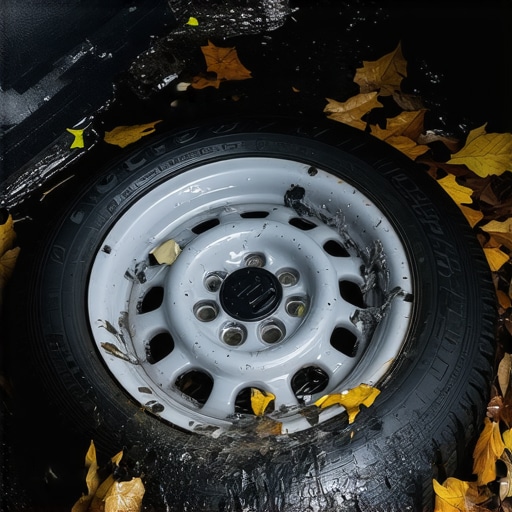
I remember the smell first. It wasn’t just old gym socks; it was that damp, heavy scent of a basement that hasn’t seen the sun since the 70s. I popped the trunk of my sedan after a week of heavy rain, expecting to grab my groceries, and instead, I found a small pond. My spare tire was literally snorkeling in three inches of murky water. I was livid. I immediately assumed I needed an expensive trip to the shop, thinking my frame was rotting out or my seals had disintegrated. I even went as far as buying a brand-new weatherstrip for $150, thinking I was a genius. Spoiler alert: it didn’t fix a thing. I had missed the simplest, most annoying culprit of all—the hidden drain holes that every manufacturer tucks away and then forgets to tell you about. Today, I’m going to show you how to find these stealthy exits and clear them out so your car stops acting like a bathtub. If you have ever opened your trunk and felt like you needed a life jacket, have you ever actually checked the bottom of your spare tire well?
Stop Letting Rainwater Ruin Your Spare Tire Well
It’s a classic mistake to look at the top of the car when the water is at the bottom. Most of us see a leak and start inspecting the rear window or the trunk lid. While those can be issues, water often finds its way in through tiny gaps and is supposed to exit through dedicated channels. When those channels clog with leaves, road grit, or that mysterious gunk that builds up over a decade, the water backs up. This is a common part of essential car service tips for safe summer drives because heavy thunderstorms will find every weakness in your armor. According to data from AAA, internal moisture is one of the leading causes of premature floorboard rust and electrical short circuits in older vehicles, often totaling a car’s value simply through mold remediation costs alone. If you’ve noticed the reason your car is leaking clear water on the floor, you are already halfway to a damp interior nightmare.
Is a tiny piece of debris really enough to flood a whole car?
It sounds like a stretch, doesn’t it? You’d think a drainage system would be robust. But these holes are often no bigger than a nickel and are covered by thin rubber flaps or grommets. One single maple seed or a bit of dried mud can act like a cork. I’ve seen trunks where the water reached the electrical harness for the taillights, causing the kind of chaos that looks like top signs your car needs expert auto repair now, all because of a ten-cent clog. If you’ve dealt with a sunroof, you might already know how to stop a sunroof leak with a piece of weed eater string, and the logic here is very similar. We are looking for the path of least resistance. In the next section, I’ll walk you through the ‘squeeze and poke’ method I use to find these holes without tearing your trunk liner to shreds.
Clear the Deck Before You Start Hunting
You cannot fix what you cannot see. Start by hauling everything out of that trunk—the gym bags, the emergency kits, and yes, that heavy spare tire. Think of your trunk like a kitchen sink; if the basin is full of dishes, you will never see the drain. Once you are staring at the bare metal of the spare tire well, look for small, circular rubber grommets. These are the unsung heroes of your car’s chassis. Over time, road salt and dirt turn into a sort of automotive concrete that seals these flaps shut. If you do not clear them, that trapped moisture starts eating your metal from the inside out. This kind of preventative maintenance is just as vital as knowing how to maximize your cars lifespan with regular tune-ups. Water sitting in your trunk is a ticking time bomb for your electrical system. I have seen cars where the moisture traveled up the carpet and corroded the main wiring loom, and at that point, you will be scrambling to learn how to diagnose a bad ground wire in minutes before your car becomes an undriveable paperweight.
Find the Secret Rubber Flaps
Most modern cars have at least two drain points in the spare tire well. These are usually black rubber plugs that look like they are part of the floor. To the untrained eye, they look permanent, but they are designed to be popped out. The first time I tried this on my old hatchback, I thought I’d found a solid metal floor. I poked a small black rubber circle with a Phillips-head screwdriver, and suddenly, about two gallons of stagnant, gray water geysered out directly onto my shoes. It was disgusting, but the relief of seeing that pond vanish in seconds was worth the ruined sneakers. 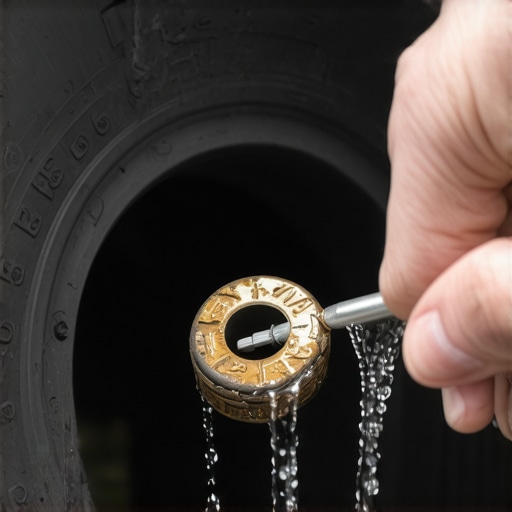
The Squeeze and Poke Method That Saves Your Floorboards
Once you have identified the plugs, do not just rip them out and throw them away. You need them to keep road spray from coming in while you drive. Instead, remove the plug and wash it in warm, soapy water. If it is stiff or cracked, it is a five-dollar part at any dealership. While the plug is out, take a flexible tool—like the weed eater string we discussed or a pipe cleaner—and feed it through the hole in the metal. You want to make sure the exit path to the pavement is clear of spider webs or road grime. This is a simple DIY fix, much like how to fix a loose side mirror in five minutes, that prevents a massive headache later.
Blast Out the Gunk with Compressed Air
If the hole seems clear but water still pools, you might have a secondary blockage in the body channels. This is where a can of compressed air or a low-pressure setting on an air compressor comes in handy. Direct the air around the perimeter of the spare tire well where the floor meets the side panels. Often, debris gets lodged in the seams. While you are in a DIY mood, you might also want to look into the 5 dollar way to fix a squeaky door hinge forever to keep the rest of your car as quiet as your now-dry trunk. Keeping these exits open ensures that even if a seal fails, the water has a way out before it starts smelling like a swamp.The ‘squeeze and poke’ method is a lifesaver, but here is where I see the real ‘pros’ and DIYers go wrong. There is a common belief that if you have a leak, you should just ‘seal it up’ with a tube of silicone or heavy rubberized undercoating. Everyone says that blocking the entry point is the only way, but in my experience, that often turns a small leak into a structural death sentence. If you seal the outside but do not clear the internal drains, you are not stopping the water; you are just building a localized aquarium inside your rocker panels.
Why Sealing Every Gap Actually Kills Your Bodywork
Many people assume that more sealant equals a drier car. However, automotive engineers design ‘wet zones’ where water is expected to enter, such as the insides of doors and pillars. The goal is not to keep every drop out—it is to ensure that every drop that gets in has a clear exit path. When you go overboard with sealant, you trap moisture against the metal. This is a massive trap because the water sits in the seams, and through capillary action, it gets sucked into areas where it cannot evaporate. A study by the Society of Automotive Engineers (SAE) on corrosion highlights that stagnant moisture in enclosed cavities is ten times more damaging than surface-level road spray. If you do not keep these pathways clear, you will eventually be looking for top signs your car needs expert auto repair now as your floorboards literally crumble under your feet. 
Could a Clogged Drain Really Be Messing With Your Shifting?
It sounds like a stretch, but hear me out. Modern cars are packed with computers, and many of them—especially Transmission Control Modules (TCMs)—are tucked under the seats or in the kick panels. I have seen cases where a clogged sunroof or trunk drain caused water to wick up the carpet and into the TCM harness. This leads to ‘ghost’ electrical issues that feel like a mechanical failure. You might think you have a terminal gearbox issue when you notice the reason your transmission fluid is turning brown and smelling burnt from slipping, but it is actually a short circuit caused by a three-inch puddle under your seat. Before you jump into the difference between a transmission flush and a simple fluid change, check for damp carpets. Moisture in these connectors causes high resistance, which is why learning how to diagnose a bad ground wire in minutes is often more useful than a wrench when dealing with modern ‘mechanical’ problems.
Avoid the Expanding Foam Trap at All Costs
If there is one ‘oops’ factor I want you to remember, it is this: Never, ever use expanding insulation foam to stop a car leak. I have seen this on dozens of older cars. People think it will fill the void and stop the water. In reality, that foam is porous. It acts like a giant sponge that holds salt and water against your frame 24/7. It is the fastest way to turn a five-hundred-dollar repair into a total loss. Instead of reaching for a chemical fix, stick to regular inspections. Incorporating a quick drain-check into your essential car service tips for safe summer drives will save you thousands in the long run. Just as you would prioritize maximizing your cars lifespan with regular tune-ups, keeping the ‘plumbing’ of your car body clear is non-negotiable for anyone who wants to keep their ride on the road for a decade or more. Have you ever fallen into this trap or found a gallon of water in a weird place? Let me know in the comments.
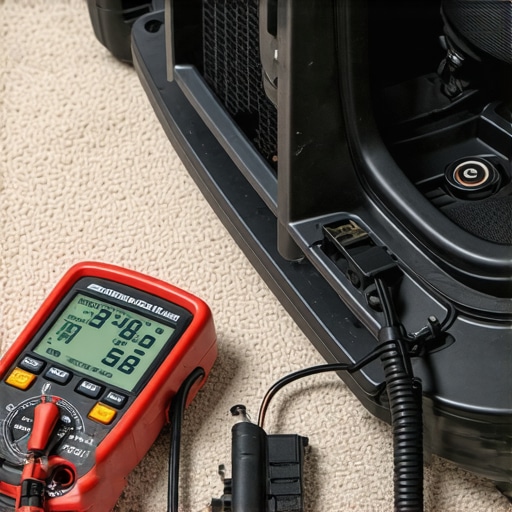
If you want to move from ‘accidentally fixing it’ to ‘pro-level maintenance,’ you need to stop guessing. My absolute favorite piece of kit for this is a dedicated circuit tester. I personally use the Power Probe because it lets me feed power or ground directly to a component, which is the 15 dollar tool to find a short circuit in your dash that actually works. When you’re dealing with a trunk that was previously a swimming pool, you need to verify that your taillights and fuel pump relays aren’t corroded.
How do I maintain these hidden systems over the years?
It comes down to a twice-yearly inspection. Every spring and fall, I take a bottle of water and pour it down the sunroof tracks and into the trunk channels. If I don’t see a puddle on the driveway within ten seconds, I know I’ve got a clog forming. This is part of how you maximize your cars lifespan with regular tune-ups that go beyond just changing oil. If you ignore this, the moisture eventually finds its way into the transmission tunnel. You might not notice it until you start feeling a shudder, and while how transmission overhauls save you money in the long run is a real thing, I’d much rather you spend five minutes with a pipe cleaner than five thousand dollars on a new gearbox.
Why My Borescope is My Favorite Snitch
I also swear by a cheap USB borescope that plugs into my phone. It’s the only way to see if water is pooling inside the rocker panels without drilling holes. According to the Bosch Automotive Handbook (11th Edition), internal cavity moisture is the silent killer of modern CAN-bus systems because it creates micro-corrosion that is invisible to the naked eye. This is why you should know how to diagnose a bad ground wire in minutes, because nine times out of ten, that ‘failed’ sensor is just a victim of a wet connector.
Looking ahead, I suspect we will see manufacturers start integrating humidity sensors into chassis rails—much like the leak detectors under your kitchen sink—to alert drivers before the rust starts. For now, it’s on us. I want you to go out to your car right now, pop the trunk, and check that spare tire well. If it’s bone dry, clear the drains anyway. It’s the cheapest insurance policy you’ll ever have.
The $150 Mistake That Taught Me to Look Down First
After years of wrenching, I realized that the biggest enemy of a car isn’t always high mileage; it is often stagnant water. Here is what I wish someone had told me a decade ago. First, never assume a new seal will fix a puddle. If the water can’t get out, it will find a way to stay in and rot your car from the inside. Second, those rubber grommets in your spare tire well aren’t just for show—they are the lungs of your car’s floorboards and must remain clear. Third, always trust your nose. If it smells like a damp basement, the water is already winning. Keeping these paths clear is a huge part of how to maximize your cars lifespan with regular tune-ups that actually matter for long-term ownership.
My Go-To Gear for a Dry and Healthy Chassis
I don’t leave home without my toolkit, and when it comes to water damage prevention, I rely on three specific items. I use a flexible weed eater string for clearing sunroof and trunk drains because it is stiff enough to push through gunk but soft enough not to puncture your drainage tubes. For the electrical side, I swear by the Power Probe; it is basically the 15 dollar tool to find a short circuit in your dash that saves hours of diagnostic guesswork after a leak. Finally, a cheap USB borescope is my favorite ‘snitch’ for seeing inside rocker panels. I trust these tools because they have saved me from thousands of dollars in mold remediation and electrical shorts caused by hidden moisture.
Take Control of Your Car’s Lifespan Today
Don’t wait for the next thunderstorm to realize your car has become a sieve. Spend five minutes this weekend checking your spare tire well and poking those drain holes. It’s an empowering feeling to know your vehicle is protected from the inside out. Once your trunk is bone dry, you can focus on the simple things, like using the 5 dollar way to fix a squeaky door hinge forever to make your ride feel brand new again. If you’ve ever had a weird electrical gremlin after a storm, remember you might need to know how to diagnose a bad ground wire in minutes before you start replacing expensive sensors. Have you ever discovered a ‘secret’ puddle in your car or found a clog in a weird place? Let me know in the comments below!