I remember the morning clearly. I sat down in my driver’s seat, ready for the commute, and felt that instant, cold soak right through my jeans. My first thought? I left the window cracked. But no, the culprit was much higher up. Water was dripping steadily from the dome light. It’s a sinking feeling—literally—when your car starts acting more like a bathtub than a vehicle. I’ve spent years tinkering under hoods and dealing with every top sign your car needs expert auto repair now, but a leaky sunroof is uniquely annoying because it feels so personal. You’re trapped in a wet box.
Your Wet Seats Aren’t Always a Broken Seal
Most people assume the rubber seal around the glass is shot and start looking up essential car service tips for safe summer drives to find a fix. In reality, sunroofs are actually designed to let a little water in; they just rely on internal ‘gutters’ and drain tubes to whisk it away. When those tubes get gunked up with pine needles or road grime, the water backs up and finds the easiest path out—usually onto your head. I made the classic rookie mistake of using a high-pressure air hose to blast the clog out early in my DIY career. Don’t do that. I ended up disconnecting the drain line inside the pillar, turning a five-minute fix into a weekend-long teardown. According to experts at Consumer Reports, neglected sunroof drains are one of the most common causes of interior water damage that insurance often won’t cover if it’s deemed a maintenance failure. To keep everything running smoothly, you need to maximize your cars lifespan with regular tune-ups and simple checks.
Is weed eater string actually the best tool for the job?
It sounds crazy, right? Taking a piece of lawn equipment to your expensive car. But here’s the thing: weed eater line is the ‘Goldilocks’ of tools for this. It’s stiff enough to push through a pack of wet leaves but flexible enough to navigate the bends in the drain tube without puncturing the plastic. If you’ve been wondering about the reason your car is leaking clear water on the floor, it’s often these very tubes. We are going to solve this today without spending a dime at a shop. Have you ever been surprised by a ‘car shower’ after a heavy rain? Let me know, because I promise you aren’t alone in this damp struggle.
Find the Drain Holes in the Gutter
To get started, retract your sunroof fully so the glass is completely out of the way. Stand on the door sill and look down into the assembly. You will see a plastic or metal tray—this is your sunroof’s ‘gutter’ system. In the very front corners, you will spot two small holes, usually about the diameter of a pencil. These lead to the tubes that run down your A-pillars. If you ignore these tiny openings, you might eventually find yourself wondering why your car battery dies every time it rains, as overflowing water often migrates down the pillars and shorts out the fuse box or kick-panel electronics. Take a damp rag and wipe away the loose gunk around these holes first. If you just start poking, you risk pushing more surface debris into the clog. 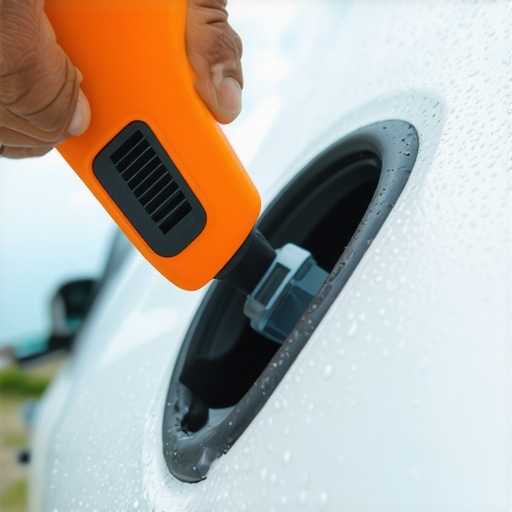
Feed the Line Until You Hit the Ground
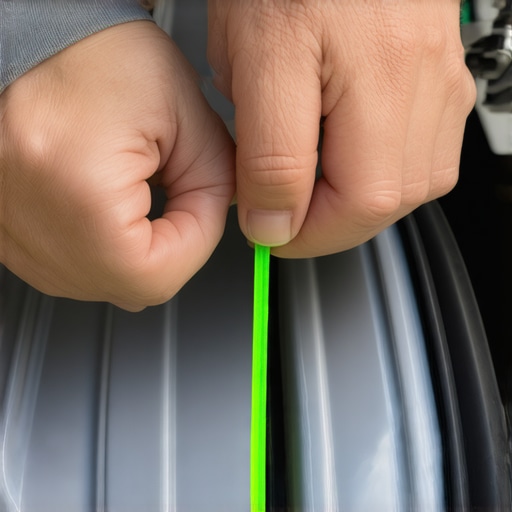
This is where the magic happens. Grab about six feet of .080-inch weed eater line. Avoid the ‘twisted’ or ‘star’ shaped lines if possible; a smooth, round line slides through tight rubber bends much easier. I remember helping a neighbor with his SUV after he spent $200 on a ‘professional’ cleaning that didn’t work. I threaded the line into the front driver-side hole, feeling it snake down past the dashboard level. About four feet in, I hit a solid wall of resistance. Instead of forcing it, I gently wiggled the line back and forth—like a plumber with a snake—until it suddenly gave way. A second later, a disgusting stream of black, muddy water poured out from behind the front tire. It’s a fast process that rivals any how to fix a loose side mirror in five minutes guide in terms of satisfaction versus effort.
Avoid the Mistake That Ruins Your Headliner
While you are feeding the line, never use a metal coat hanger. The metal is too rigid and has sharp ends that can easily puncture the soft rubber tubing inside your car’s frame. If you poke a hole in that tube, water will dump directly onto your headliner every time it drizzles, turning a simple maintenance task into a nightmare. This kind of preventable damage is one of those top signs your car needs expert auto repair now because once the headliner gets wet, it sags and grows mold. Keep the line moving with light pressure only. If it stops, pull back an inch and try again.
Confirm the Flow with the Bottle Test
Once the line has passed through and you’ve pulled it back out, you need to verify the path is clear. Grab a water bottle and slowly—very slowly—pour water into the sunroof gutter, away from the moving tracks. You should see it disappear down the hole instantly. Look under the car behind the front wheel well. You should see a steady stream of water hitting the pavement. If it puddles or drains slowly, there is still a partial blockage or a ‘hidden drain’ issue similar to the hidden drain that kills your battery overnight. Repeat the weed eater line process until the water flows as fast as you can pour it. This ensures that even during a summer downpour, the internal gutters won’t overflow into your lap.Everyone tells you to just clear the surface debris, but here is the contrarian truth: those little rubber one-way valves at the end of your drain lines are often the real enemy. Manufacturers like Volkswagen and Audi have even issued Technical Service Bulletins (TSBs) suggesting that in high-debris environments, these ‘nipples’ should be trimmed or removed entirely because they trap fine silt even when the tube itself appears clean. If you do not address the exit point at the wheel well, you are just waiting for the next interior flood. I have seen countless DIYers clear a clog only to have the headliner soaked again two weeks later because the exit valve was glued shut by road salt and grime. Neglecting these small details is one of the top signs your car needs expert auto repair now before the damage becomes irreversible. 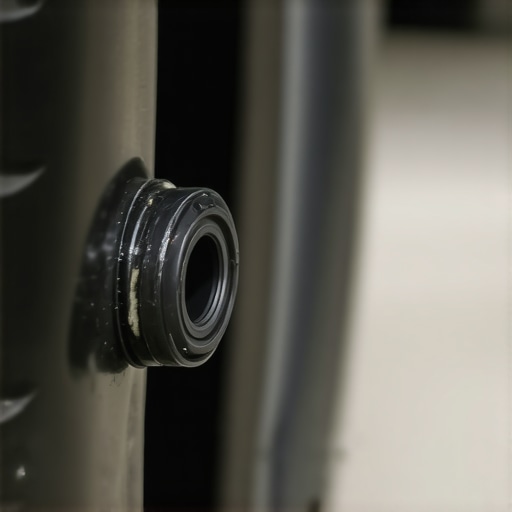
Stop Trusting Those One-Way Drain Valves
A study by the Car Care Council highlights that neglected fluid management, including exterior water drainage, is a leading contributor to premature interior electrical failure. There is a specific ‘trap’ to avoid: the center console. If your drains are clogged, water often follows the A-pillar and drips directly into the gear shifter assembly. This is a common way to end up needing the 20 part that fixes a car that wont shift out of park because the shift interlock solenoid has shorted out from moisture. It is a classic ‘oops’ moment where a free cleaning job turns into a mechanical failure because the water migrated toward the transmission controls. Always remember to check under your floor mats after a leak; even if the seats are dry, the padding underneath can hold gallons of water that will eventually rot your wiring harnesses.
Can a wet interior actually cause a phantom engine misfire?
It sounds like a stretch, but modern vehicles are essentially rolling computers. If moisture levels under the dashboard rise too high, you get high-resistance corrosion on the pins of the body control module. This can send ‘electrical noise’ through the CAN-bus system, interfering with sensor signals. I once spent a weekend learning how to read live data to find a misfire, only to realize a leaky sunroof had corroded a major ground wire near the kick panel. This is why you must maximize your cars lifespan with regular tune-ups that include more than just oil changes.
Why Your Shift Lever Might Stop Working After a Rainstorm
If you notice your car acting strange after a storm, do not just look at the mechanical components. Check for the hidden drain that kills your battery overnight, which is often just a pool of water sitting on a sensitive sensor or fuse box. Standard essential car service tips for safe summer drives should always include a quick inspection of the sunroof track for standing water. Have you ever fallen into this trap where a simple leak turned into a major electrical nightmare? Let me know in the comments, because these hidden nuances are what separate a simple fix from a total loss.
Once you’ve cleared the physical blockage, you have to realize that the fight against water isn’t a one-time event. Rubber seals are living things—well, chemically speaking, they are polymers that degrade with UV exposure and temperature swings. I personally use a high-grade silicone paste or Krytox lubricant on my seals twice a year. If your seals are dry and crunchy, they won’t just let water in; they’ll start to squeak and rattle, much like the annoyance you’d find if you needed the $5 way to fix a squeaky door hinge forever. Keeping that rubber supple ensures the gutter system doesn’t have to work overtime. It’s a vital part of how you maximize your cars lifespan with regular tune-ups. No one wants to deal with the moldy smell of a neglected interior because they skipped a five-minute maintenance task.
How do I maintain my car’s drainage system over time?
Consistency is your best friend here. I’ve made it a habit to check my drains every time I change my oil or rotate my tires. If you live in an area with heavy pine needles or oak tassels, you might need to do it more often. I’ve seen cars where the owner neglected this for just one season, and the organic matter literally turned into compost inside the A-pillar. This leads to the metal rusting from the inside out—one of the top signs your car needs expert auto repair now before the structural integrity of your frame is compromised. According to the National Institute for Automotive Service Excellence (ASE), moisture-induced corrosion in wiring harnesses is the number one cause of intermittent phantom sensor failures in vehicles over five years old. If you catch it early, you avoid the headache of chasing electrical ghosts.
Probing for Shorts with the Right Electronics Kit
If you were too late and the water already made its way into your dashboard, don’t panic and start ripping out wires blindly. You need a dedicated circuit tracer. I swear by a basic signal-generator kit. It’s the $15 tool to find a short circuit in your dash that can save you literally thousands in labor costs at a specialized shop. This tool allows you to follow the wire through the insulation and find exactly where the corrosion has eaten through the copper without cutting the loom. We’re moving toward a future where smart glass and panoramic roofs are standard, meaning the complexity of these drainage systems is only going to increase as they integrate with solar charging tech. In fact, on some high-end EVs, the sunroof sensors are tied directly into the safety system, and ignoring a leak could lead to the real cost of ignoring a cracked windshield becoming even more expensive when calibration sensors are ruined by dampness. My best advice is to be proactive. Grab that weed eater line and a bottle of water tonight. Test the flow, clean the seals, and keep your interior bone-dry before the next storm rolls in.
The Sunroof Lessons I Paid for with Saturated Carpets
Over the years, I have learned that water is the most patient enemy your car has. It doesn’t need a massive hole; it just needs a microscopic path. One thing I realized after years of DIY work is that water rarely leaks where you think it does. It can travel three feet along a wiring harness before finally dripping onto your leg, making it one of the trickiest top signs your car needs expert auto repair now. Another hard-earned lesson: never park under a blossoming oak or a shedding pine. Those tiny seeds and needles are perfectly sized to act like a cork in your drainage system. I also learned that if you hear a ‘sloshing’ sound in your dashboard during a turn, your drains are already at 90% capacity. This is why you must maximize your cars lifespan with regular tune-ups that include a quick drain check before every rainy season.
My Go-To Maintenance Kit for a Leak-Free Cabin
You don’t need a professional shop to keep your interior dry, but you do need the right gear. Here are the specific items I keep in my garage:
- .080 Round Weed Eater Line: I prefer the smooth, round variety because it won’t snag on the internal ribs of the rubber tubing. It’s the most reliable tool for clearing the primary path.
- Honda Shin-Etsu Grease: This is an industry secret. It is a thick silicone paste that rejuvenates old, dry rubber. Applying this twice a year prevents the seals from shrinking and cracking in the sun.
- A Dedicated Shop Vac with a Micro-Attachment: Before you even touch the drain holes, use this to suck out the loose leaves in the gutter. It’s a vital part of essential car service tips for safe summer drives.
- Long-Neck Precision Oiler: I use this to apply a tiny drop of lubricant to the sunroof tracks, ensuring the glass moves smoothly without straining the motor.
Take Back Your Car from the Elements
Don’t let the fear of a damp seat ruin your driving experience. Taking twenty minutes twice a year to clear your drains and condition your seals is the difference between a car that lasts twenty years and one that ends up in a scrap yard due to electrical rot. By staying proactive, you ensure that you maximize your cars lifespan with regular tune-ups and maintain your vehicle’s value. You have the tools and the knowledge now—go out there and make your car waterproof before the next storm rolls in. Have you ever found a mysterious puddle on your floorboards and realized it was a simple clog? Let me know your story in the comments below!