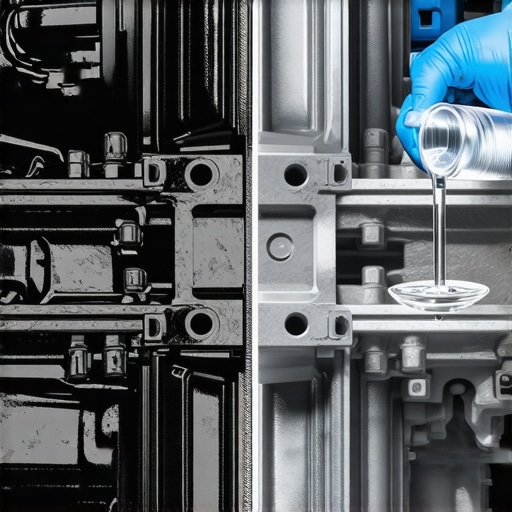
I still remember the first time I felt that pit in my stomach at the local shop. My old sedan was humming along—well, more like rattling—and the guy behind the counter looked me dead in the eye and said, “Your oil is looking pretty sludgey. We should do an engine flush before the next oil change.” I was young, I was worried about my car dying on the highway, and I handed over my credit card without a second thought. Fast forward two weeks, and my seals were leaking like a sieve. It was an expensive lesson in “fixing” things that aren’t actually broken. We’ve all been there, standing in that weary waiting room, smelling the stale coffee, wondering if we’re being taken for a ride or if our car is genuinely a ticking time bomb. Today, I want to help you decide if that $150 add-on is a lifesaver or just a way for the shop to make rent.
The Real Reason That Sales Pitch Sounds So Convincing
When your car starts making that annoying sound where the engine taps like a typewriter, it’s natural to want a quick fix. Mechanics push flushes because, on paper, they make perfect sense. Over time, engine oil breaks down and leaves behind a nasty residue known as sludge. This gunk can clog the narrow passages that keep your internals lubricated. A flush uses high-strength chemicals to break that stuff down. It sounds like a detox for your car, right? But here’s the kicker: sometimes that “gunk” is the only thing holding your old gaskets together. If you’ve been diligent with regular tune-ups, you might not even have enough buildup to justify the cost in the first place.
Is a chemical flush actually worth the risk?
Honestly, it’s one of the most debated topics in the garage. While some modern engines with variable valve timing are incredibly sensitive to debris, others can react poorly to harsh detergents. According to Consumer Reports, most modern synthetic oils already contain enough detergents to keep an engine clean without additional flushes. I learned the hard way that jumping into a flush on a high-mileage vehicle can actually dislodge a piece of sludge that then gets stuck in the oil pickup screen, starving the engine of oil entirely. Have you ever felt like you were being “scared” into a service you didn’t quite understand?
Distinguishing Between Preventive Care and a Wallet Drain
It is vital to know the truth about engine flushes for high-mileage cars before you sign that work order. It’s a very different beast than the debate between a transmission flush versus a simple fluid change, which has its own set of rules. Understanding the “why” behind the recommendation helps you stand your ground. Most of the time, your car just needs fresh oil and a quality filter to keep things running smoothly. I’ll show you exactly how to spot the signs of real sludge versus a simple sales tactic.Instead of taking the service advisor’s word as gospel, you can perform a basic ‘sludge audit’ in your driveway. Think of your engine’s oil system like the plumbing in an old house. Over time, hair and soap scum (sludge) can narrow the pipes. A flush is like pouring industrial-strength Drano down the sink; it might clear the clog, but it could also eat through a corroded pipe. To see if you even need to risk it, start with the oil fill cap. I remember looking at a friend’s used SUV that was ‘running a bit rough.’ When I twisted off the oil cap, the underside wasn’t oily; it was covered in a thick, black substance that looked like burnt fudge. That was a clear sign of neglect and a hard ‘no’ on the flush—the sludge was likely the only thing sealing the internal wear. If your cap is clean, you’re usually in the clear. 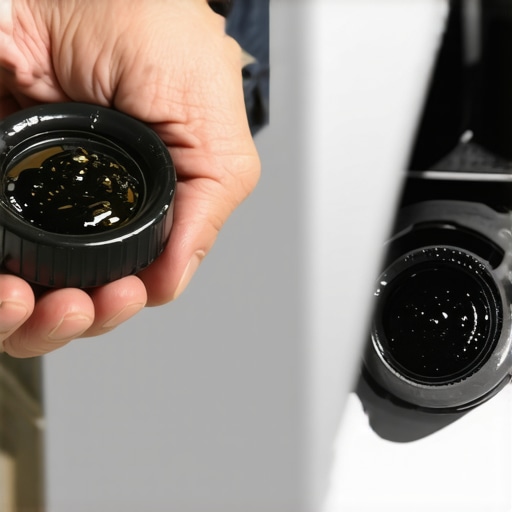
How to Perform a Driveway Sludge Audit
If you suspect the shop is just trying to meet a monthly quota, follow these steps to verify their claims. You don’t need fancy tools, just a rag and a set of eyes. Knowing the reality of the truth about engine flushes for high-mileage cars protects your wallet.
Check the Underside of Your Oil Cap
The oil cap is the ‘window to the soul’ of your engine. Twist it off and look at the bottom. A healthy engine will have a thin film of amber or dark brown oil. If you see a thick, black crust, that’s carbonized oil. If you see white or tan foam, that’s a different nightmare where your engine oil looks like a milkshake and why you should panic. Foam means coolant is mixing with oil, and a flush is the last thing you need.
The Dipstick Texture Test
Pull the dipstick, wipe it clean, reinsert it, and pull it again. Look at the color, but more importantly, feel it. Rub the oil between your thumb and forefinger. It should feel slippery and smooth. If it feels gritty, like it has tiny grains of sand in it, those are metal shavings or hard carbon deposits. This is a sign you need expert auto repair now rather than a chemical flush. Gritty oil indicates that the damage might already be done to the bearings.
The 1,000-Mile Soft Flush Technique
If you find light sludge but want to avoid the risks of high-pressure chemicals, use the ‘soft flush’ method. Buy a high-quality synthetic oil and a premium filter. Drive the car for 1,000 miles, then change the oil and filter again. This allows the natural detergents in the oil to gently break down the gunk. It is much safer than the debate between a transmission flush vs fluid change, where pressures can dislodge debris into sensitive valves.
Standing Your Ground at the Service Counter
I once had a tech tell me my oil was ‘too dark’ and that my engine was ‘clogging up.’ I asked him to show me the dipstick. When I pointed out that the oil was still translucent and slick, he realized I wasn’t an easy mark. Most of the time, keeping up with regular tune-ups is all you need. If the car isn’t exhibiting symptoms like an engine that taps like a typewriter, a flush is often an unnecessary risk. Always ask why the flush is being recommended and demand to see the physical evidence of sludge before you pay for a ‘detox’ your car doesn’t need.It’s easy to get caught up in the ‘more is better’ philosophy of car care. We’re often told that if a little maintenance is good, then a lot must be great, but over-servicing can be just as damaging as neglect. I’ve seen countless DIYers and even some ‘pro’ shops introduce air pockets into cooling systems or strip threads on delicate aluminum oil pans because they were hunting for a problem that didn’t exist. One of the biggest ‘traps’ is the fear-mongering around transmission fluid in older vehicles. You’ll often hear the myth that if you haven’t changed the fluid by 100,000 miles, you should never touch it again. While there is a grain of truth there—old, gritty fluid can sometimes provide the friction needed for worn-out internal clutch packs—avoiding maintenance entirely is just a slow-motion recipe for disaster. Instead of a high-pressure machine flush, which can force debris into tiny passages, a simple ‘drain and fill’ is usually the safer, expert-recommended middle ground. If you notice why your transmission takes forever to engage in the morning, it’s a sign of internal seal wear that a chemical ‘miracle cure’ won’t fix. In these cases, understanding how transmission overhauls save you money in the long run is far better than gambling on a $200 flush that might leave you stranded.
Why does your car feel like its dragging an anchor even after a full service?
It’s a frustrating sensation. You just spent $500 on a tune-up, but the throttle still feels heavy and unresponsive. In my experience, many shops focus on the ‘billable’ big-ticket items like spark plugs but ignore the subtle, nuanced killers of performance. For instance, why your car feels like its dragging an anchor could be as simple as a sticking brake caliper or a failing mass airflow sensor that wasn’t on the standard 30k-mile checklist. A comprehensive study by the AAA (American Automobile Association) found that while synthetic oils offer 47% better protection than conventional oils, no amount of premium fluid can compensate for a vacuum leak or a failing electrical ground. Speaking of electrical issues, don’t overlook the hidden drain that kills your battery overnight. A tech might try to sell you an expensive new alternator when all you really had was a $5 glovebox light switch that stayed on. This is where you need to look for the top signs your car needs expert auto repair now versus just another generic ‘preventative’ package. 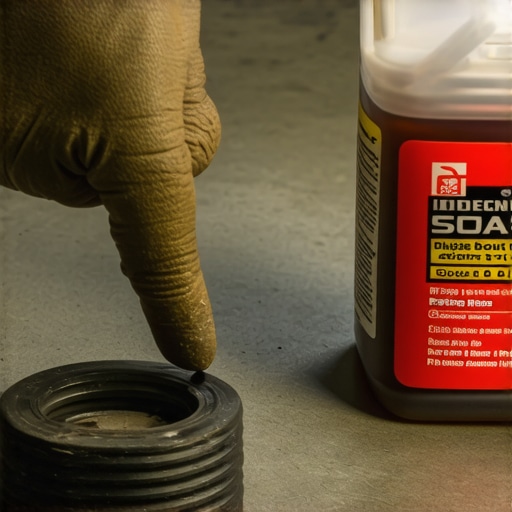
Stop Expecting Miracles from a Plastic Bottle
Another common mistake I see advanced DIYers make is relying on chemical additives to fix mechanical failures. We want to believe that a $15 bottle of ‘Stop Leak’ will magically heal a cracked head gasket or a blown seal. In reality, the truth about high-mileage oil additives is that they are primarily designed to swell old, hardened rubber seals, not rebuild mechanical components. If you use these chemicals too early on a healthy engine, you risk softening and degrading perfectly good seals prematurely, creating a leak where there wasn’t one before. It’s about timing and mechanical necessity, not just following the flashy marketing on the bottle. Have you ever fallen into the trap of buying a ‘fix-in-a-can’ only to have it fail a month later? Let me know in the comments below. Knowledge and a critical eye are the only things that actually protect your car and your bank account.
Why a $20 Scanner is Better Than a Lucky Guess
Beyond the driveway audit, I’ve found that the single best investment you can make is a basic OBD2 Bluetooth scanner. I’m not talking about the $5,000 tablets the pros use, but a simple dongle that pairs with your phone. I personally use one every time I suspect a sensor is lying to me. It’s how I figured out how to read live data to find a misfire on my cousin’s truck when three different shops told him he needed a new engine. By watching the short-term fuel trims in real-time, we realized it was just a $12 vacuum leak. If you want to stop being at the mercy of the ‘Check Engine’ light, you need to see what the computer sees. According to the Society of Automotive Engineers (SAE) J1979 standard, these diagnostic systems are required to provide specific data streams that can tell you exactly why your car is struggling before a part actually fails.
How do I keep my car running past 200,000 miles?
The secret to extreme longevity isn’t a magic potion; it’s a combination of high-quality data and specific hardware. I keep a dedicated multi-meter in my trunk because electrical gremlins are the #1 reason older cars get sent to the scrapyard. Learning how to diagnose a bad ground wire in minutes can save you from replacing perfectly good alternators or starters. Most people focus on the mechanical side, but the copper ‘nervous system’ of your car is what usually fails first. If you combine that with regular tune-ups, you aren’t just fixing things; you’re preventing the cascade of failures that leads to a total breakdown. 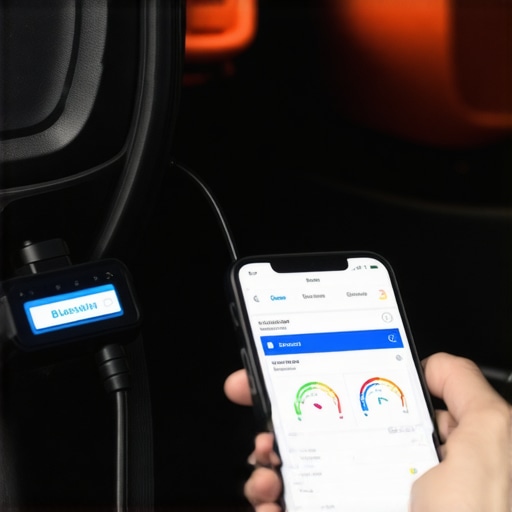
Precision Over Persuasion in the Garage
I’ve also started relying heavily on ‘live data’ during test drives. It’s one thing to look at a car while it’s idling, but seeing how the oxygen sensors behave under load tells the real story. This is the same level of detail you need when trying to figure out why your car feels like its dragging an anchor. Often, it’s not a major mechanical failure, but a ‘ghost in the machine’ like a sticky EGR valve or a slightly clogged catalytic converter. In the next few years, I expect we will see AI-integrated diagnostic apps that can listen to your engine through your phone’s microphone to predict bearing failure with 90% accuracy. We are moving toward a world where your car tells you what it needs before you even notice a symptom. For now, the best ‘high-tech’ tool you have is your own skepticism. If a shop can’t show you a data PID or a physical failure, don’t buy the service. If you really want to level up your DIY game, I challenge you to perform a ‘Voltage Drop Test’ on your battery terminals this weekend. It’s a five-minute check that ensures your starter is getting every bit of power it needs, and it’s far more effective than just looking for corrosion. If you find a drop of more than 0.2 volts, you’ve just found a hidden power drain that would have eventually left you stranded. Knowing top signs your car needs expert auto repair now is great, but having the tools to prove it yourself is even better.
What My Most Expensive Mistakes Taught Me About Car Care
I learned the hard way that a $200 ‘service special’ can sometimes lead to $2,000 in repairs if it is applied to a vehicle that doesn’t actually need it. The most important ‘lightbulb moment’ I ever had was realizing that maintenance is about consistency, not miracles in a bottle. If you are diligent with regular tune-ups, you are essentially buying insurance against the very sludge problems that mechanics use to scare you. I also learned that if a technician refuses to show you physical evidence—like gritty oil on a dipstick or a specific trouble code—they are often just trying to hit a sales quota. Trusting your gut is just as important as trusting your wrench.
The Essential Gear in My Own Garage
If you want to move from being a ‘mark’ to a master of your own vehicle, you need to rely on data rather than a mechanic’s ‘feel.’ I personally never go to a shop without first checking my own sensors. My toolkit always includes a basic Bluetooth OBD2 scanner and a digital multi-meter. Learning how to diagnose a bad ground wire in minutes has saved me from replacing three perfectly good alternators over the years. I also swear by a cooling system pressure tester; it is the most reliable way to find a hidden coolant leak with a pressure tester without paying for an hour of diagnostic labor. These tools turn an intimidating engine bay into a manageable machine.
Take Control of Your Cars Destiny
Owning a high-mileage vehicle shouldn’t feel like a series of financial ambushes. When you know the top signs your car needs expert auto repair now, you gain the confidence to say ‘not today’ to the unnecessary add-ons. You are the best advocate your car has. By taking a few minutes to check your own fluids and listen to your engine’s rhythms, you ensure that your vehicle remains a tool for freedom rather than a drain on your future. #IMAGE_PLACEHOLDER_E#
Have you ever been talked into an expensive engine flush only to have a leak start a week later? Let me know your story in the comments below.