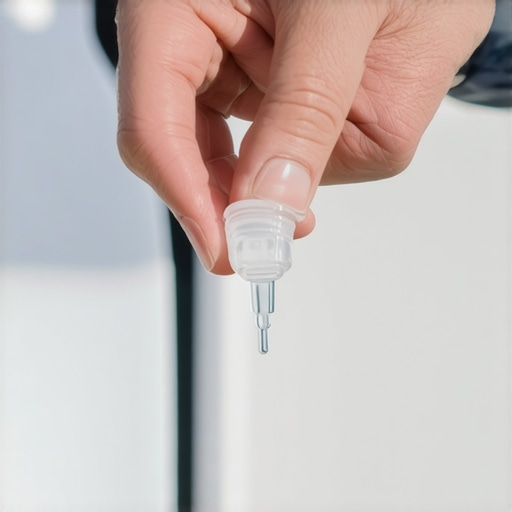
I’ll never forget the morning I finally hit my breaking point. There I was, trying to sneak out for an early morning fishing trip without waking the kids, and as soon as I pulled the handle on my sedan, the door let out a screech so loud it sounded like a dying pterodactyl. It wasn’t just a noise; it was a broadcast to the entire neighborhood that I hadn’t touched a grease can in years. We’ve all been there—that one embarrassing car quirk you’ve just learned to live with because you’re terrified a mechanic will charge you a hundred bucks just to look at it.
Stop Cringing Every Time You Open Your Door
The truth is, a squeaky hinge is more than just a social liability in the grocery store parking lot. It is the literal sound of metal grinding against metal, slowly eating away at the pivot pins that keep your door aligned. If you let it go too long, you’re not just looking at a noise problem; you’re looking at a door that sags or eventually refuses to latch correctly. I’ve seen folks ignore this until they need an expert auto repair session just to get their door to shut straight again. It is a classic example of how a tiny bit of neglect can snowball into a massive headache. When you aim to maximize your car’s lifespan with regular tune-ups, you usually think about the engine or the oil, but these mechanical pivot points are just as vital for keeping your ride feeling like new.
Is a cheap DIY spray actually worth the hype?
I’ll be the first to admit I have messed this up before. Years ago, in a fit of desperation, I grabbed a can of cooking oil from the kitchen and doused my hinges. I thought I was a genius for about twenty minutes. Then the sun came out, the oil turned into a sticky, dust-attracting sludge, and by the next week, the squeak was back with a vengeance—and it smelled like a greasy diner. That was my “aha” moment: you don’t need a professional shop for everything, but you do need the right $3 solution. According to research by the Society of Tribologists and Lubrication Engineers, using the wrong lubricant can actually accelerate wear by trapping abrasive particles against moving surfaces. You need something that displaces moisture and stays put without becoming a dirt magnet. Have you ever had that one “car noise” that made you want to slide down in your seat when people were watching? Today, I’m going to show you how to bypass the mechanic and fix this yourself for less than the price of a latte. It is all about working smarter, much like finding the 5 dollar hose clamp fix for other common leaks. Let’s get into the specific supplies that actually work.First, you have to get rid of the ‘sandpaper’ hiding in your hinges. If you spray new lubricant over old, dried-out grease, you aren’t fixing the problem; you’re just making a more expensive abrasive paste. Grab a can of brake cleaner or a heavy-duty degreaser and a stiff-bristled brush. I learned this the hard way on my first truck. I kept layering on spray-on grease until the hinge got so thick with grime it actually started grinding the paint off the door frame. It was a mess that eventually led to a situation where I saw the top signs your car needs expert auto repair now because the hinge pin itself started to ovalize. Use the cleaner to blast out the pivot points until the liquid running off is clear, then wipe it dry with a microfiber cloth.
Pick a Lubricant That Stays Put
Not all sprays are created equal. For exterior door hinges, I swear by white lithium grease. It’s thick, water-resistant, and it handles the heat of a summer afternoon without melting off. If you’re dealing with interior components, like when you need to how to stop a squeaky clutch pedal with one spray, a clear silicone spray is often better because it won’t stain your carpet if you get a little over-zealous.
Apply Precision Over Volume
The goal isn’t to soak the door; it’s to get the lubricant inside the moving parts. Use the little red straw that comes with the can. Aim directly at the top of the hinge pins and the door check—that’s the metal or plastic strap that limits how far the door opens. While you’re at it, check the latch mechanism on the door itself. 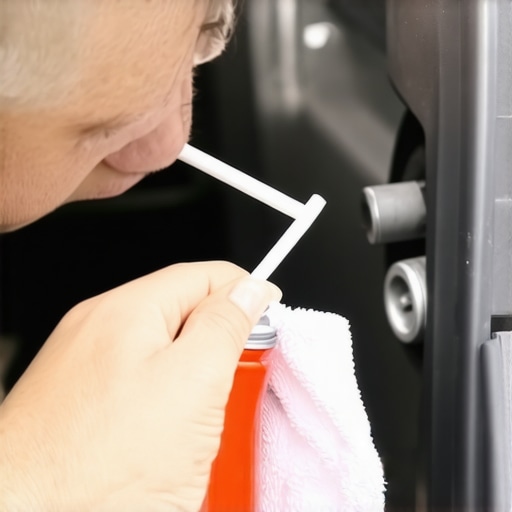 Sometimes a squeak is actually a dry latch, which is also a common culprit when you’re trying to figure out how to fix a car door that wont lock with the remote. A quick shot of lithium grease here can save your power lock motors from burning out early and ensure your maximize your cars lifespan with regular tune ups strategy includes the body of the car, not just the engine.
Work the Magic into the Metal
Once the grease is on, don’t just walk away. You need to work it in. Open and close the door at least ten to fifteen times. You’ll hear the pitch of the squeak change, then hopefully, vanish altogether. This is the same logic behind essential car service tips for safe summer drives—preventative care is about ensuring parts move freely before the heat bakes them shut. If the noise persists even after a good greasing, the issue might be deeper in your chassis. It’s not uncommon to mistake a body squeak for a suspension issue, so keep an ear out for why your suspension squeaks over speed bumps if the door fix doesn’t silence the car completely.
Wipe Away the Excess To Prevent Build-up
This is the step most people skip, and it’s why their cars look like grease pits. Any lubricant on the outside of the hinge isn’t doing any work; it’s just a magnet for road salt and dust. Take a clean rag and wipe down the exterior of the hinge and the surrounding paint. You want the hinge to look almost dry on the outside, with the protection tucked deep into the pivot points. This keeps your door jams looking professional and prevents the kind of buildup that hides damage until it’s too late.I’ve seen a lot of car owners pride themselves on a silent door hinge, only to have their entire drivetrain fail at 120,000 miles because they believed a sticker under the hood.
The Marketing Lie of Lifetime Fluids
You’ll often see the word ‘lifetime’ stamped on transmission reservoirs or gearbox housings these days. It sounds great on a showroom floor, but in the real world, it’s a setup for mechanical failure. In my experience, ‘lifetime’ usually just means ‘until the warranty expires.’ If you aren’t looking into the truth about lifetime gearbox fluids, you’re essentially waiting for a five-figure repair bill. According to the Society of Automotive Engineers (SAE), heat and shear forces break down the chemical additives in any lubricant over time, regardless of what the marketing department claims. You cannot expect a fluid to maintain its viscosity through a decade of stop-and-go traffic.
Should you flush your transmission or just drain and fill?
This is the ‘trap’ most DIYers fall into when they graduate from simple hinge greasing to heavy mechanical work. Many people think a high-pressure flush is the gold standard for a maximize your cars lifespan with regular tune ups strategy, but on high-mileage cars, that pressure can actually dislodge tiny bits of clutch material that are literally holding the unit together. This is a common reason why your automatic transmission stays in first gear too long after a poorly handled service. It’s often much safer to perform a simple drain-and-fill to maintain the friction balance within the gearbox. 
Don’t Ignore the Ghosts in the Machine
Much like that door squeak I mentioned earlier, small vibrations or ‘ghost’ sounds are your car’s way of begging for help. When you’re planning how to save money on your 100k mile service, you have to look beyond the filters. I’ve seen owners ignore a slight shudder during gear shifts, only to realize too late they missed the top signs your car needs expert auto repair now. It’s all about the nuance of preventative care—understanding that a $200 fluid change now is better than learning how transmission overhauls save you money in the long run after your car is already on a flatbed. Have you ever fallen into the trap of believing a ‘lifetime’ fluid promise only to have it backfire? Let me know in the comments below.Moving past the door hinges and basic grease jobs, we need to talk about the tools that actually sit in my top drawer. If you are serious about skipping the dealership, a generic $20 code reader from the big-box store isn’t going to cut it anymore. I personally use a bidirectional OBD-II scanner, specifically the Autel MaxiCheck, because it allows me to actually talk back to the car. I once spent three days trying to find a phantom electrical issue that turned out to be a software-controlled relay stuck in the ‘off’ position. Without a tool that can command components to turn on or off, you are just guessing in the dark. This is why many people think they have a dead battery when they actually have the one electrical fault that most mechanics misdiagnose.
Tools That Actually Save Your Knuckles
Beyond the electronics, the one mechanical tool I tell everyone to buy is a high-quality digital torque wrench. I used to trust my ‘feel,’ but after snapping a bolt on an aluminum valve cover, I realized that modern cars are far less forgiving than the iron blocks of the 90s. Precision is the difference between a successful DIY and needing to know the top signs your car needs expert auto repair now because you’ve stripped a thread deep in the engine block.
How do I maintain a healthy transmission over time?
Maintaining a transmission is less about ‘fixing’ it and more about preventing thermal breakdown. According to the official technical service literature from ZF Friedrichshafen AG, their ‘lifetime’ 8HP transmissions actually require an oil change every 50,000 to 75,000 miles to prevent friction lining wear, despite what the car salesman told you. If you start feeling a shudder, don’t wait. You should investigate the truth about lifetime gearbox fluids before the internal clutches begin to slip. 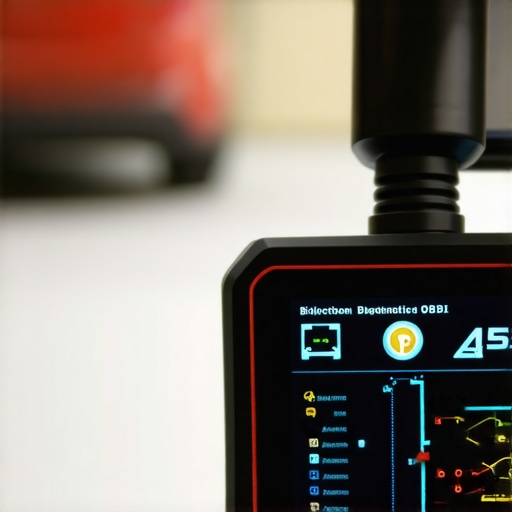
Your Laptop Is Now Your Most Important Wrench
Looking ahead, I predict that car maintenance will shift almost entirely into the digital realm. We are already seeing manufacturers lock down modules that require ‘cloud-based authentication’ just to swap a battery. For the DIYer, this means your next ‘tool’ purchase won’t be a socket set, but a subscription to software like Forscan or BimmerCode. You’ll need these to recalibrate the sensors after a basic maximize your cars lifespan with regular tune ups session. Even something as simple as replacing a gasket can sometimes require a system reset. Speaking of gaskets, never underestimate the power of a small fix; I’ve seen the 15 dollar gasket that stops your persistent oil leak save a car from the scrap heap. If you really want to stay ahead of the curve, I challenge you to grab a multimeter this weekend and learn how to find a parasitic battery drain with a simple multimeter. It is the single most valuable diagnostic skill you can have in the age of computerized vehicles.
What My Greasy Knuckles Taught Me About Maintenance
Over the years, I’ve realized that the difference between a 300,000-mile car and a scrap heap often comes down to the small things most people ignore. First, noise is a language; your car is literally speaking to you. That squeak wasn’t just annoying; it was a cry for lubrication. Second, never trust the marketing. When a manufacturer says “lifetime,” they aren’t talking about your lifetime; they’re talking about the warranty period. This is why digging into the truth about lifetime gearbox fluids is so critical for anyone planning to keep their vehicle for more than five years. Lastly, patience pays off. Taking ten minutes to clean a hinge before greasing it saves you from a hundred-dollar replacement later.
The Gear I Grab Before Any Saturday Project
If you want to move from “clueless” to “capable,” you need more than just a basic wrench set. #IMAGE_PLACE_HOLDER_E# I always keep a bottle of DeoxIT for electrical contacts and a digital torque wrench to avoid the heartbreak of a snapped manifold bolt. I also highly recommend bookmarking specific enthusiast forums for your car’s make and model; they often have better advice than the official service manual. When you’re learning how to save money on your 100k mile service, these community-vetted resources are absolute gold.
Your Journey to a Bulletproof Car Starts Now
There is a unique kind of pride that comes from a car that drives perfectly because you took the time to maintain it. It isn’t just about saving money, though that is a huge perk—it’s about the peace of mind that comes from knowing every component is in top shape. Whether you are performing essential car service tips for safe summer drives or just silencing a pesky door, you are taking control of your investment. Start small, stay curious, and you’ll find that you can maximize your cars lifespan with regular tune ups better than any generic service shop ever could. Have you ever ignored a small squeak only for it to turn into a major repair bill? Let me know in the comments below!