
I was cruising down Independence Boulevard last Tuesday, thinking about nothing more than what I wanted for dinner, when the light ahead turned yellow. I tapped the brakes, and my SUV didn’t just slow down; it tried to dive headfirst into the left-hand turn lane. My heart skipped a beat as I fought the steering wheel to stay straight. It’s a terrifying feeling when your vehicle decides to ignore your input the moment you need it most. If you’re reading this, you’ve probably felt that same sudden yank to the left, and let me tell you, it’s not something you should just “wait and see” about.
Why Your Steering Wheel Has a Mind of Its Own Under Braking
When I first started wrenching on my own rigs, I made a classic amateur mistake. I felt that pull and immediately assumed my alignment was out of whack or that I’d hit a nasty pothole. I went out and dropped $600 on a fresh set of tires and a precision alignment, thinking I’d solved the mystery. Two miles away from the shop, I hit the brakes, and—surprise—the car still tried to switch lanes on its own. I felt like a total amateur. The truth is, while alignment can cause a constant drift, a pull that happens only when you apply pressure to the pedal is almost always a hydraulic or mechanical failure in the braking system itself. We’re going to look at everything from seized calipers to collapsing hoses, and I’ll show you how to tell the difference before you waste money like I did. Before we dive into the greasy details, have you ever had your car suddenly steer itself toward oncoming traffic while braking? It’s a wake-up call, isn’t it?
Can I just ignore the pull for a few more weeks?
This is the question I get from neighbors all the time. They think it’s just a quirk of an older car. But according to data from the National Highway Traffic Safety Administration (NHTSA), brake-related issues are a leading factor in crashes caused by mechanical failure. Ignoring a pull means you’re relying on only three brakes instead of four, which drastically increases your stopping distance. Whether it’s a sign of expert auto repair being needed immediately or just a simple hardware swap, your safety isn’t worth the gamble. Often, this weird sensation is paired with other symptoms, like vibrations in the steering wheel, which usually points toward a warped rotor or an unevenly grabbing pad. If you’ve been tempted by cheap aftermarket brake pads, you might even be dealing with heat-related friction issues that cause one side to bite harder than the other. Staying ahead of these repairs is part of those essential car service tips that keep you out of the ditch and on the road.
Master the Art of the Side-to-Side Diagnostic
Before you start throwing parts at your car, you need to understand the physics of the pull. If your steering wheel yanks to the left when you hit the anchors, it usually means one of two things: either your front-left brake is working perfectly while the right side is failing, or the left side is over-clamping. It’s a game of tug-of-war where the strongest side wins. I remember a Saturday spent chasing a phantom pull on a buddy’s sedan. We’d swapped the pads and bled the lines, yet the car still dove toward the curb. It wasn’t until I inspected the rubber brake line that I realized it had rotted internally. It looked perfect on the outside, but it was acting like a clogged artery, preventing fluid from returning to the master cylinder. This is why essential car service tips always emphasize inspecting the soft parts, not just the metal ones.
Test Your Calipers Without Taking the Whole Wheel Off
A seized caliper is the most common villain in this story. Think of a caliper like a heavy-duty C-clamp. If the internal piston gets stuck due to corrosion or old fluid, it won’t push the pads against the rotor evenly. You can often spot this by checking the heat signature. After a short drive with plenty of braking, carefully feel the air near your wheels (don’t touch the metal!). If one side feels like a pizza oven and the other is barely lukewarm, you’ve found your culprit. Dealing with this early is how you maximize your cars lifespan with regular tune-ups and avoid a complete system meltdown. 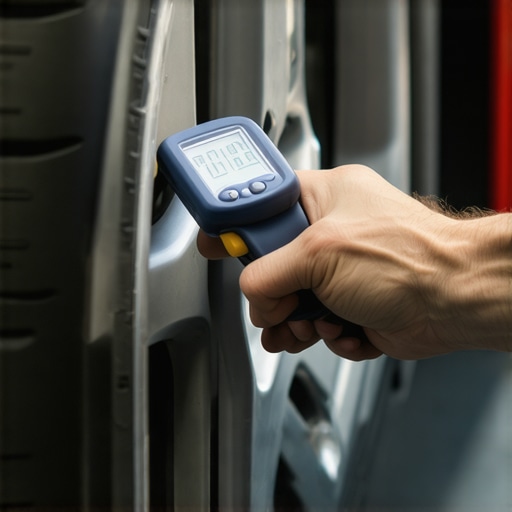
Don’t Let a Collapsed Hose Fool You
Rubber brake hoses are the most overlooked part of any auto repair. Over time, these hoses can delaminate internally. This creates a tiny flap of rubber that acts as a one-way valve. When you step on the pedal, the high-pressure fluid forces its way past the flap to stop the car, but it can’t flow back out when you let go. This keeps the brake partially applied on one side, causing a heat-induced pull. This often explains the real reason your brake pedal feels spongy or inconsistent. If you’re seeing fluid dampness around these hoses, it might be more than just a brake issue; sometimes the 5 dollar gasket that stops a massive oil leak is actually the savior you need if engine oil is dripping down and degrading your rubber brake lines.
Check for Friction Contamination
Sometimes the hardware is fine, but the chemistry is wrong. If grease, oil, or even excessive brake dust gets onto the face of the rotor, the pads can’t grab. It’s like trying to stop a running back on an icy field. While the truth about cheap aftermarket brake pads is that they often produce more dust, even high-end pads will fail if a leaking wheel seal coats them in gear oil. This is a common sight when you need to learn how to tell if your differential needs new fluid, as a leak there can migrate straight to your rear brakes. If you find yourself in over your head, knowing the top signs your car needs expert auto repair now will save you from a dangerous brake failure on the highway.
Most folks walk into a shop asking for a ‘tune-up’ whenever the engine feels sluggish. Here is a reality check: the ‘tune-up’ as your grandfather knew it is dead. In the days of carburetors and points, you actually tuned things. Today, your ECU handles the heavy lifting. If you are trying to maximize your cars lifespan with regular tune-ups, you’re really looking for a comprehensive inspection and sensor cleaning. I’ve seen people replace spark plugs three times trying to fix a rough idle when the hidden vacuum leak that makes your car stall at stoplights was the $2 culprit all along. It’s about precision, not just throwing parts at the problem.
Why lifetime transmission fluid is a dangerous lie
The biggest myth I fight daily is ‘lifetime’ transmission fluid. It’s a marketing gimmick designed to lower the ‘cost of ownership’ figures for new buyers. According to a study by the Car Care Council, nearly 80% of vehicles on the road have at least one unperformed maintenance item, often because owners believe these ‘lifetime’ labels. Heat is the ultimate enemy of automatic transmissions, and fluid loses its lubricating properties long before the car hits the junkyard. If you ignore this, you’ll eventually see 5 signs your transmission is silently overheating, which leads to a massive repair bill. Checking the truth about lifetime gearbox fluids before you hit 100,000 miles can save you from a complete failure. 
How do I know if the shop is actually diagnosing or just guessing?
This is the ‘Oops’ factor most DIYers and even some professionals fall into: the ‘parts cannon.’ They keep replacing components until the problem disappears, and you’re the one paying for the education. For instance, a car that won’t start might not need a new alternator; it could be the one electrical fault that most mechanics misdiagnose as a dead battery. Always demand to see the diagnostic data. Before you agree to a major service, learn how to tell if a transmission shop is lying about a rebuild versus a simple solenoid fix. Expert environments like Collisionfixer prioritize these deep diagnostics to ensure you aren’t paying for ‘guesses.’ It’s not just about the brakes, though; sometimes that pull is a ghost in the suspension. If your steering feels loose after hitting a pothole, you might have a blown bushing that only deflects under the force of braking. Most beginners miss this because they are so focused on the pads. Have you ever fallen into this trap and paid for a part you didn’t need? Let me know in the comments below.
How do I keep my vehicle running like new for a decade or more?
The secret isn’t a magic additive you pour into the gas tank; it’s a commitment to a rigorous maintenance schedule that ignores the ‘marketing’ intervals in your owner’s manual. I personally follow a strict ‘severe service’ schedule because let’s face it, stop-and-go traffic and summer heat are brutal. If you want to avoid the shop, you have to learn how to save money on your 100k-mile-service by being proactive with your cooling system and suspension components. I’ve seen countless engines toasted because a $15 plastic coolant Y-pipe cracked, leading to a warped head. When you reach that six-figure milestone, you aren’t just looking at oil; you’re looking at the health of every rubber bushing and fluid in the machine. Taking this seriously is how you maximize your cars lifespan with regular tune-ups that actually matter.
Stop Throwing Parts and Start Using Data
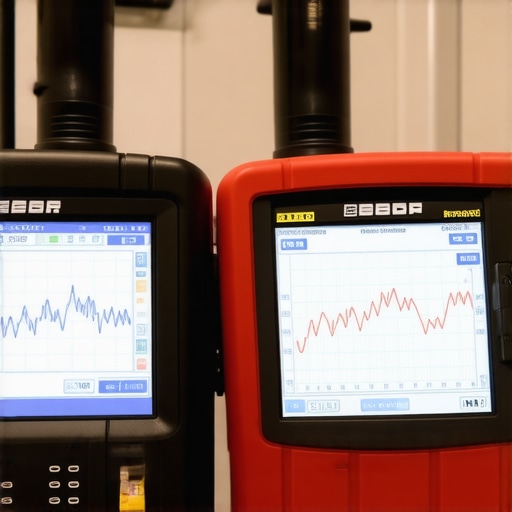
If you’re tired of the ‘parts cannon’ approach I mentioned earlier, you need to invest in a bidirectional scan tool. Unlike those cheap $20 readers that just tell you a code, a bidirectional tool allows you to command the car’s computer to perform tests. Want to know if your fuel pump is dying? You can tell the computer to ramp up the pressure and watch the live data. This is how you figure out why your engine light flashes under heavy load-2 without replacing every sensor under the hood. For those weird electrical gremlins that happen when the car is off, learning how to find a parasitic battery drain with a simple multimeter will save you hundreds in unnecessary battery replacements. It’s about having the right data before you ever crack a wrench.
The Reality of Transmission Longevity
We need to talk about the ‘forever’ fluid lie again, but with a focus on the solution. Technical documentation from ZF Friedrichshafen AG, the manufacturer of the 8-speed transmissions found in everything from Jeeps to BMWs, explicitly recommends oil changes between 80,000 and 120,000 kilometers depending on driving style. They know their hardware better than the car brands do. If you’ve already hit 150k and things are feeling sluggish, understanding how transmission overhauls save you money in the long-run is vital. It’s much cheaper to refresh the clutches and seals now than to wait for the metal-on-metal catastrophe that leaves you stranded. This is the difference between a car that lasts 200,000 miles and one that ends up in the scrap heap at 110,000.
Smart Sensors are Redefining the Sunday Afternoon Tune-Up
The future of auto repair is moving toward predictive maintenance. We are seeing the rise of vibration-sensing technology and AI-driven diagnostics that can hear a wheel bearing failing three months before you can feel it. While that sounds high-tech, you can use the same logic today. I recommend every DIYer keep a small infrared thermometer in their glovebox. It’s the ultimate tool for checking for sticking brake calipers or an overheating radiator. If you see a major temperature delta between two identical components, you’ve found your problem. If this all feels like a bit too much to tackle on your own, don’t hesitate to contact us for a professional deep-dive into your vehicle’s health. Knowing the top signs your car needs expert auto repair now is your best defense against a catastrophic failure. Go grab a multimeter this weekend and test your battery’s resting voltage; it’s the simplest way to start taking control of your car’s future.
Lessons From the Shop Floor That No Manual Will Tell You
Over the years, I’ve learned that the most expensive repairs usually start as the quietest symptoms. If your car is drifting, don’t just throw money at an alignment; remember that a brake pull is often a localized friction battle. One thing I always tell people is to perform the ‘smell test’ after a drive. If one wheel smells like burnt toast, you’ve found your sticking caliper. It is also worth looking at the secret to longevity for high-mileage engines to ensure the rest of your powertrain is as healthy as your brakes. Another ‘lightbulb moment’ for me was realizing how often why your brake pedal goes to the floor only when it rains can be linked to contaminated fluid or failing seals that only manifest under specific weather conditions. Trust the data, not just the feeling in the steering wheel.
Tools That Saved My Sanity and My Wallet
You don’t need a professional lift to get professional results, but you do need more than a basic socket set. I personally trust a few specific items to cut through the mystery. First, a quality infrared thermometer is non-negotiable for finding heat spikes in braking systems. Second, a bidirectional scan tool is the only way to talk to modern ABS modules without guessing. Finally, having a reliable guide on how to spot an honest mechanic in yuma before you drop your keys is essential for those times when the job requires specialized equipment like a hydraulic press. These resources ensure that when you do seek auto repair, you’re doing so with the knowledge to avoid being overcharged for a ‘parts cannon’ solution.
Stop Reacting and Start Preserving Your Ride
The goal isn’t just to fix the pull; it’s to build a vehicle that stays reliable for the next 100,000 miles. When you stay ahead of the curve, you’re not just saving money, you’re ensuring your car behaves exactly how you expect it to during an emergency maneuver. Whether you are performing a tune up or digging into a transmission fault, the effort you put in now pays dividends in safety later. If you’re ever unsure of the next step, don’t hesitate to contact us for expert guidance. Your car is one of your biggest investments—treat it with the precision it deserves and it will return the favor every time you turn the key. Have you ever had a car pull so hard it nearly took you off the road? Let me know in the comments what the final fix ended up being!