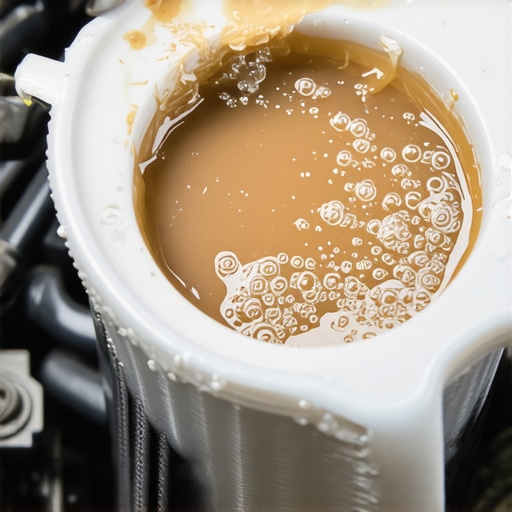
It was one of those mornings when I turned on my car, expecting a smooth ride, only to be greeted by a strange, viscous substance sloshing in my radiator. My heart sank. As I peered into the reservoir, I saw it: a thick, brownish, chocolate-milk-like mess. That moment made me realize just how serious this problem was—and how unprepared I was to handle it.
The Wake-Up Call I Needed About My Engine’s Health
That sickly appearance of my coolant wasn’t just gross; it was a red flag signaling a potential catastrophe brewing inside my engine. Many drivers dismiss these warning signs, thinking it’s just a messy spill or dirt. But trust me, ignoring that sludge can lead to costly repairs, or worse—a complete engine failure. Today, I’ll share what I learned from my own experience and how you can spot, understand, and fix this issue before it spirals out of control.
Could it really be that bad? My biggest fear was that I’d overlooked a small issue, and now I was staring at a full-blown crisis. Seeing that sludge, I realized I had made a classic mistake early on: neglecting regular cooling system maintenance. Over time, corrosion and coolant contamination build up, creating that nasty, chocolate-milk substance. According to experts at Car Maintenance Tips, coolant mixing with oil or dirt can quickly turn into this thick goo, severely impairing your engine’s cooling capacity. So, if you’ve noticed similar oddities in your coolant, don’t ignore them.
Did you know that coolant degradation is responsible for up to 60% of engine cooling system failures? (Source: Car Maintenance Tips). That was a wake-up call for me. If I had caught this early, perhaps I could’ve avoided costly repairs. It’s a reminder that preventive care is always cheaper and less stressful than emergency fixes.
So, what can we do when faced with this murky mess? Well, that’s just what I’m going to cover next. But first, let me ask—have you ever experienced a similar situation with your coolant? Or wondered why your engine runs hotter than usual? If so, you’re not alone. Keep reading, because I’ll guide you through the steps to diagnose, clean, and protect your engine from this very common, yet preventable problem.
Drain and Flush the Cooling System
Start by parking your car on a level surface, turning off the engine, and letting it cool completely. Locate the radiator drain plug—usually at the bottom/front—and place a catch basin underneath. Open the drain valve and allow the old coolant and sludge to drain out. Think of it as scooping out a clogged sink before filling it again, ensuring debris doesn’t stay trapped inside. Once drained, fill the radiator with a mixture of distilled water and radiator cleaning solution, then run the engine for about 10 minutes to circulate the cleaner and loosen sludge.
Perform a Thorough Rinse
After running the cleaner, turn off the engine and drain the solution completely. Close the drain plug tightly, then refill the radiator with clean distilled water. Start the engine once more, letting it run to circulate the water and flush out residual contaminants. Repeat this process until the water draining out is clear, similar to rinsing a paintbrush until the water runs pristine. This step ensures any loosened sludge or debris is effectively rinsed away, preventing future build-up.
Replace with Fresh Coolant
Once the radiator is thoroughly rinsed, drain any remaining water, close the drain, and refill with the manufacturer-recommended coolant mixture. Make sure to mix antifreeze and distilled water at the correct ratio—typically 50/50—to prevent freezing or overheating. Think of this as renewing the blood inside your engine, keeping it healthy and functioning optimally. Be sure to bleed air from the system if your vehicle’s design requires it, as trapped air can cause hot spots and reduce cooling efficiency.
Regular Maintenance to Keep Sludge at Bay
Prevent future buildup by scheduling regular coolant flushes—generally every 30,000 miles or every 2 to 3 years. Consider consulting your vehicle’s manual or a trusted mechanic for specific intervals. Additionally, check coolant levels periodically and look for signs of contamination, such as discoloration or a sweet smell. Think of it as brushing your teeth—routine care stops problems before they start. Strongly recommend visiting a professional if you notice persistent thick sludge, as it could indicate deeper issues like corrosion or oil leaks that require expert inspection, or explore how seeing experienced mechanics can save you money long-term.When it comes to auto repair, many drivers operate under misconceptions that can lead to costly mistakes. One prevalent myth is that all car issues require expensive, professional fixes right away. In reality, understanding the nuances—like the difference between minor tune-ups and major overhauls—can save you money and prevent unnecessary repairs. For example, some believe that synthetic oil is always better than conventional, but as explained at https://collisionfixer.com/the-most-common-sign-of-a-failing-transmission-pump, choosing the right oil depends on your vehicle’s specific needs. Additionally, there’s a misconception that regular maintenance isn’t essential, yet experts emphasize that timely tune-ups and fluid changes significantly extend your car’s lifespan. Beware of the trap where drivers dismiss subtle symptoms, thinking they’re normal; small issues like irregular transmission shifts or unusual noises might be early warning signs, as discussed https://collisionfixer.com/top-signs-your-car-needs-expert-auto-repair-now, and ignoring them can escalate repair costs. Advanced car systems today often have diagnostic tools that professionals use to pinpoint issues precisely, which is why consulting experienced technicians—like those at Collision Fixer—can be more cost-effective long-term than DIY guesses. Furthermore, many assume that collision repairs are only necessary after an accident, but timely repairs of minor dents or paint damage can prevent rust and more costly bodywork later. Don’t fall into the trap of oversimplification; automotive systems are intricate, and understanding the hidden nuances—such as the importance of transmission fluid quality or correct brake pad selection—can make all the difference. Have you ever fallen into this trap? Let me know in the comments. For expert advice and comprehensive car service, visit https://collisionfixer.com/contact-us.
Essential Tools for Effective Car Maintenance
To keep your vehicle running smoothly, investing in quality tools is crucial. Personally, I swear by a digital inspection mirror—it allows me to peek into tight spots and hidden areas without dismantling components. A reliable multimeter is another must-have; it helps me diagnose electrical issues quickly, saving time and money. For fluid management, a high-precision digital scale ensures accurate coolant mixes, preventing over- or under-filling, which can cause long-term damage. I also recommend a quality torque wrench—I use a click-type model calibrated regularly—to tighten bolts precisely, avoiding stripped threads or loose parts that could lead to safety hazards.
Advanced Software for Diagnostics
Modern vehicles come equipped with sophisticated onboard diagnostics (OBD-II) systems. I use a Bluetooth-enabled OBD scanner paired with dedicated software on my smartphone—such as Torque Pro or Car Scanner. These tools provide real-time data, error codes, and sensor readings, allowing me to track performance and catch issues early. As technology evolves, these apps are becoming more intuitive, often offering repair tips aligned with the diagnostic codes. This integration of hardware and software has transformed my approach, making diagnostics faster and more accurate—an investment I strongly recommend for any DIY enthusiast or professional mechanic.
Long-Term Results through Consistent Checks
Regular maintenance routines, combined with these tools, yield significant long-term benefits. For instance, monitoring transmission fluid condition with a dipstick and color check, as discussed in this guide, helps prevent costly repairs. I set monthly reminders to inspect filters, fluids, and belts, ensuring issues are addressed before escalating. Keeping a detailed maintenance log helps track service intervals and wear patterns, prolonging component lifespan and maintaining resale value. Consistency here pays off, and employing proper tools makes this process manageable and effective.
Scaling Maintenance as Your Car Ages
Once your vehicle surpasses the 100,000-mile mark, maintenance becomes even more critical. Upgrading to high-mileage oils and additives designed for longevity can make a difference, and specialized diagnostic tools are invaluable for pinpointing subtle problems. For example, detecting early signs of transmission or engine wear enables targeted repairs rather than extensive overhauls, saving money and extending the vehicle’s life. Embracing these tools and practices prepares you for future challenges and keeps your car dependable on the road.
Future Trends in Auto Maintenance
Looking ahead, I predict that artificial intelligence-powered diagnostic systems will become commonplace, providing more precise troubleshooting and predictive maintenance suggestions. Integrating vehicle data with cloud-based platforms could revolutionize how we care for our cars, making maintenance more proactive rather than reactive. Staying updated on emerging tools and software will be essential for both DIYers and professionals aiming to keep vehicles in optimal condition.
How do I keep my car running well over time?
By investing in reliable tools like digital multimeters, OBD scanners, and torque wrenches, and by performing regular inspections and software diagnostics, you can catch issues early and extend your vehicle’s lifespan. Starting with a quality multimeter and pairing it with diagnostic apps is a game-changer that I highly recommend trying today. Not only does this approach save money, but it also gives you peace of mind knowing you’re actively maintaining your car’s health. For more expert advice, visit Collision Fixer’s contact page and get personalized support for your auto maintenance journey.
What I Wish I Knew About Coolant Contamination
One of the most valuable lessons I learned was that coolant sludge isn’t just a minor inconvenience; it’s a clear red flag that deserves immediate attention. Ignoring the thick, chocolate-milk-like substance in my radiator could have led to complete engine failure. Regularly checking coolant condition and understanding its signs can prevent you from facing similar nightmares, saving you both money and stress.
Why I No Longer Underestimate a Little Maintenance
Before my incident, I believed that topping off fluids occasionally was enough. I didn’t realize that neglecting flushes and regular system cleans could lead to build-up detrimental to my engine’s health. Now, I schedule routine coolant flushes, much like visiting the doctor for annual check-ups, to keep everything running smoothly and catch issues before they escalate.
How Personal Tools Transformed My Auto Care Game
Using a reliable digital inspection mirror, a quality multimeter, and a good torque wrench changed the way I approach car maintenance. These tools empowered me to diagnose and address problems early, reducing trips to the mechanic and enhancing my confidence. Investing in the right equipment is like gaining a personal mechanic you can trust—without the hefty price tag.
Invest in Knowledge to Outrun Repairs
Understanding the subtle signs of cooling system trouble, such as discoloration or odd smells, can help you intercept problems before they cause significant damage. Educate yourself through trusted resources and stay ahead of potential issues with proactive maintenance. Remember, a little knowledge can go a long way in keeping your engine healthy and your wallet intact.