Have you ever jumped into your car, only to find that it doesn’t start, even though you parked it just yesterday? That frustrating moment when your battery dies unexpectedly is something I know all too well. I remember one chilly morning, fumbling with jumper cables, thinking I must’ve left something on overnight. But after some digging, I discovered a tiny, sneaky culprit—an invisible parasitic drain slowly sapping my battery’s life.
Why Your Car Battery Is Draining Like This
It’s a common annoyance that many drivers face but few know how to diagnose properly. Maybe your lights are off, or your accessories are unplugged. Still, your battery mysteriously weakens or dies. The culprits are often parasitic drains—tiny electrical leaks that persist even when the car is off, drawing power that shortens your battery’s lifespan.
Is Finding a Parasitic Drain Actually Worth the Hype?
I used to think these issues were just part of owning a car, something best left to professionals. I made the mistake early on of assuming it was always the alternator, or worse, a complex wiring problem. That misconception led me to waste money on unnecessary repairs. It wasn’t until I learned how simple tools like a multimeter can pinpoint such issues that everything changed. If you’ve ever felt overwhelmed at the thought of troubleshooting your vehicle’s mysterious power drain, don’t worry—I’m here to show you how to diagnose it yourself, with minimal fuss. Check out our tips on maximizing your car’s lifespan to keep your vehicle reliable.
So, if you’re tired of jumping your car or replacing batteries prematurely, stick around. We’re about to dive into the simple, step-by-step process to find out if a parasitic drain is the culprit, using just a multimeter.
What Causes Your Battery to Drain Unfairly?
Gather Your Tools and Prepare
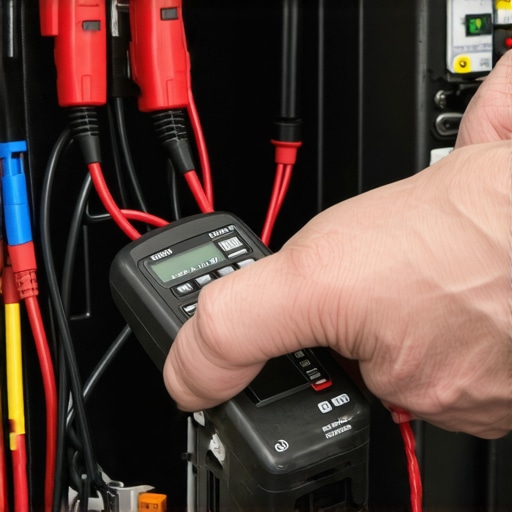
Start by sourcing a quality multimeter, which is essential for measuring electrical current. I recommend pairing it with gloves and safety glasses for protection. When I first attempted this, I laid out all tools on my driveway and double-checked the multimeter’s calibration. With everything ready, I felt more confident tackling the task.
Access the Battery and Identify Circuits
Open your car’s hood and locate the battery. Disconnect the negative terminal clamp carefully using a wrench. Think of this step like unplugging a device to prevent false readings. Once disconnected, set your multimeter to measure current (amperes). You want to ensure your car’s electrical system is isolated to avoid shocks or damage.
Measure the Current Draw
Connect the multimeter in series between the negative battery terminal and the disconnected cable. This means placing the multimeter leads so that the current flows through it. Turn on the multimeter and observe the reading. A normal draw for a parked vehicle usually hovers below 50 milliamps. If you notice a higher reading—say over 100 milliamps—that indicates a parasitic drain.
Identify the Culprit Circuit
To pinpoint the specific drain source, keep the multimeter connected and start removing fuses one by one. Think of each fuse as a gatekeeper to different parts of your car’s electrical system. As you pull each fuse, watch the multimeter. If the current drops significantly after removing a particular fuse, you’ve found your suspect. For instance, I once removed the fuse controlling the interior lighting, and the current plunged, indicating my dome light was staying on and draining the battery.
Note Etiquette When Handling Fuses
Handle fuses gently to avoid damage. Use fuse pullers if available, similar to using a pair of tweezers. Keep a record of which fuse was removed each time to cross-reference later. During my own troubleshooting, I stuck a label on the fuse box, which saved time and prevented reinstallation errors.
Pinpoint and Repair the Issue
Once you’ve identified the problematic circuit, inspect associated components for faults. For example, if the fuse powers the trunk light, ensure the switch isn’t stuck or the bulb isn’t malfunctioning. Sometimes, a simple fix like replacing a faulty switch or cleaning contacts can resolve the drain. If the circuit involves complex wiring, consulting a professional might be necessary. Alternatively, online guides such as this resource can provide insights on related electrical issues.
Reconnect and Test
After fixing or replacing the faulty component, reconnect the battery’s negative terminal securely. Start your vehicle and observe the multimeter reading again to confirm the drain is eliminated or significantly reduced. In my case, after cleaning the relay contacts, my battery stopped dying unexpectedly, saving me from frequent jumps.
Prevent Future Drains
Regularly check your car’s electrical system, especially after installing aftermarket accessories. Use techniques like this to diagnose issues early. Remember, routine maintenance and attention can extend your battery’s lifespan, just like regular tune-ups help keep your vehicle running smoothly.
When it comes to vehicle maintenance, many drivers operate under myths that can hinder their understanding and lead to costly mistakes. One prevalent misconception is believing that a basic tune-up only involves changing spark plugs and oil, but in reality, the best tune-ups encompass comprehensive system checks, cleaning fuel injectors, and inspecting transmission fluid levels to optimize overall performance. Skipping these detailed procedures can result in underestimated wear and tear, eventually causing larger issues down the line.
Why Do Professional Car Services Often Fix More Than You Expect?
Many car owners think that simple services like oil changes are sufficient—they aren’t aware of the hidden components that benefit from routine attention, such as the cooling system, filters, and sensors. Overlooking these elements can lead to unexpected auto repairs, especially in transmissions or engine management systems, making regular, expert diagnostics crucial. According to automotive experts from the CollisionFixer, professional inspections catch small problems early, saving you money and preventing breakdowns. Don’t fall into the trap of neglecting these nuanced details; routine comprehensive check-ups are an investment, not an expense. Another common myth is that all transmission repairs are a sign of impending failure, but in reality, most transmission issues can be corrected with proper fluid replacements or minor part adjustments. Overreacting to minor symptoms without expert guidance may lead to unnecessary trans overhaul costs, which could be avoided with informed service choices.
It’s easy to assume that faster repairs mean better service, but rushing can actually compromise quality. Skilled technicians use specialized tools and a keen eye for hidden damage—such as micro-fractures in the frame or subtle sensor failures—that casual inspections often miss. For instance, a small vacuum leak can cause significant engine stumble, yet many overlook its root cause until it triggers a check engine light. This is why trusting experienced professionals for complex diagnostics makes all the difference. If you’re curious about advanced repair pitfalls, consider reading about hidden frame damage detection or how sensor errors can impact your vehicle’s safety.
Have you ever fallen into this trap of underestimating the intricacies of auto repair? Let me know in the comments! Remember, a thorough understanding and proactive maintenance approach isn’t just about fixing what’s broken—it’s about maintaining your car’s health for the long haul.
Investing in the Right Equipment for Longevity
Maintaining your vehicle effectively requires more than just basic tools; it’s about selecting high-quality, specialized equipment that ensures precision and durability. I personally rely on a digital multimeter with a true RMS reading capability because it provides accurate measurements when diagnosing electrical issues like parasitic drains. Additionally, an infrared thermometer helps me verify cooling system performance without getting under the hood—saving time and reducing risk. For long-term care, investing in a high-grade torque wrench is crucial for proper assembly during repairs, preventing over-tightening that can cause future mechanical failures.
These tools are not just for professionals; they’re necessary for enthusiasts aiming to extend their car’s lifespan and optimize performance. Proper calibration and maintenance of your tools are equally important. Regularly clean and test your multimeter, and replace its batteries before critical diagnostics. A dependable set of fuses, a battery tester, and a reflective safety vest are also vital as part of your standard toolkit, especially during roadside repairs or inspections.
Ongoing Maintenance for Reliable Performance
Routine inspections and proactive repairs can significantly reduce unforeseen breakdowns. Schedule annual transmission fluid changes guided by your vehicle’s manufacturer recommendations; this minor investment can prevent costly overhauls later, as explained in this in-depth article. Keep an eye on fluid levels, belt tension, and filter conditions. Upgrading to synthetic oils can also enhance engine longevity, especially for high-mileage cars, and is something I’ve personally adopted for peace of mind.
Just like a human body benefits from regular check-ups, your car responds positively to frequent, comprehensive diagnostics. Use diagnostic scan tools like OBD2 readers to catch issues before they escalate. Modern equipment allows even amateurs to interpret engine codes and sensor readings effectively, provided you understand what to look for. This proactive approach avoids costly repairs and keeps your car dependable on long trips or daily commutes.
Scaling Your Car Maintenance Efforts
As your vehicle ages or if you own multiple cars, consider automating parts of your maintenance routine. Setting reminders through maintenance apps or scheduling professional tune-ups can prevent neglect. Upgrading your repair toolkit with a portable hydraulic jack, a basic set of socket wrenches, and anti-seize lubricant will make DIY tasks more manageable and less time-consuming. These investments are especially valuable when planning transmission checks or collision repairs, which demand precise handling and thoroughness.
How do I keep my car working longer without constant trips to the shop?
Establish a personalized maintenance routine that includes visual inspections, fluid testing, and timely replacements. Additionally, educate yourself on the common signs of wear—like strange noises or vibrations—and act promptly. Regularly reviewing your vehicle’s service history can reveal patterns and help schedule preventive care efficiently. For detailed guidance tailored to your vehicle model, consult trusted resources and consider professional assessments when in doubt.
To start, try implementing one of these advanced maintenance tips—such as using an infrared thermometer to monitor your engine’s cooling system during warm-up—to catch potential problems early. This simple step can prevent overheating and reduce stress on your transmission and other components, ultimately saving you money and avoiding breakdowns. Remember, staying ahead with proper tools and routines is the key to keeping your car reliable and performing at its best over the years.
What I Wish I Knew Before Turning to Pro Repair
- Early on, I underestimated how even small electrical issues could snowball into costly repairs—sometimes, patience and a multimeter could have saved me a lot of money and stress.
- I realized that understanding your car’s wiring isn’t just for mechanics; with the right guidance, any driver can spot and fix parasitic drains, extending battery life and improving reliability.
- One lightbulb moment was discovering that most electrical drains are linked to simple faulty switches or bulbs, not complex wiring nightmares—empowering me to troubleshoot confidently rather than panic.
My Go-To Arsenal for Savvy Car Repairs
I swear by a calibrated digital multimeter and a good set of fuse pullers—they’ve saved me countless trips to the shop. The tips on regular tune-ups have shown me that proactive maintenance can prevent many electrical mysteries from surfacing. For deep dives into electrical issues, I trust resources like expert articles that break down complex problems into manageable steps. Lastly, a reliable flashlight helps me inspect hidden wiring under the dash without extra fuss—an underrated tool in any DIY car enthusiast’s kit.